Artwork
Adoration by the Shepherds
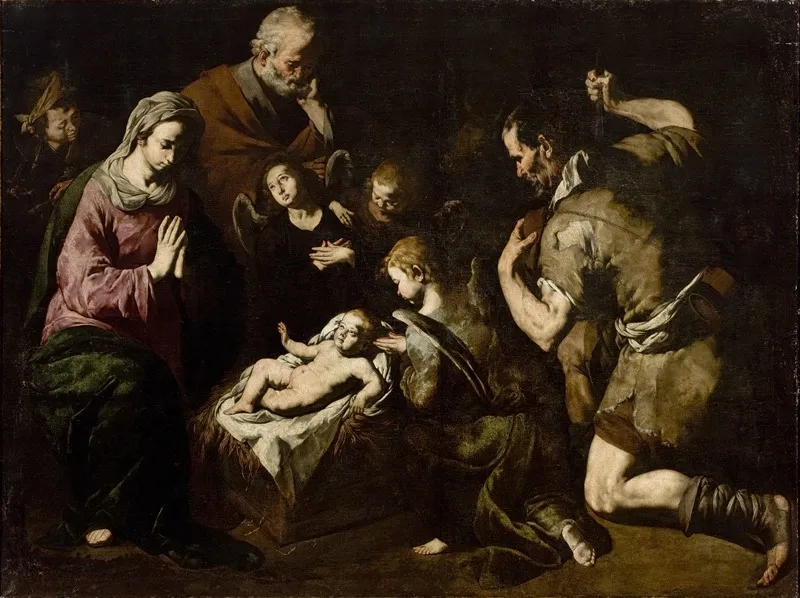
Adoration by the Shepherds is an oil painting by the Early Baroque Italian artist Bartolomeo Bassante. It dates from 1630 and is held in the collection of the São Paulo Museum of Art.
About this work
Overview
The painting resides in the São Paulo Museum of Art, where it stands as a representative example of early 17th-century devotional art in southern Italy.
Painted in 1630 by Bartolomeo Bassante, this oil-on-canvas work depicts the biblical moment when shepherds arrive to honor the newborn Christ. The composition centers on the infant lying on a simple cloth, surrounded by attentive figures and celestial beings. The painting resides in the São Paulo Museum of Art, where it stands as a representative example of early 17th-century devotional art in southern Italy.
Subject & Meaning
The scene illustrates the shepherds’ recognition of Christ’s divine nature, as described in the Gospel of Luke. Their humble presence contrasts with the ethereal angels above, emphasizing the theme of revelation to the lowly. The infant, the visual and spiritual anchor, is framed by gestures of reverence, reinforcing the sacred intimacy of the moment without overt grandeur.
Technique & Style
Bassante employs chiaroscuro to model forms with soft gradations of light and shadow, drawing attention to the child and the faces of the onlookers. The light enters from the upper left, casting a gentle glow that unifies the group and enhances the three-dimensionality of the figures. Oil paint allows for subtle blending, lending warmth and tactile richness to fabrics and skin tones.
History & Provenance
The painting entered the São Paulo Museum of Art’s collection in the mid-20th century, likely through acquisitions of European works by the museum’s founders. Its earlier history before the 1900s remains undocumented, though its style aligns with Neapolitan painting traditions of the period. No significant restorations or alterations are recorded in public archives.
Context
Created during the Counter-Reformation, the image reflects the Catholic Church’s emphasis on emotionally accessible religious narratives. Bassante, active in southern Italy, worked within a regional tradition that favored naturalism and devotional clarity. The painting’s quiet intensity aligns with contemporaneous works by artists seeking to inspire piety through understated, humanized sacred scenes.
Legacy
Though not widely exhibited beyond Brazil, the painting contributes to the understanding of regional Italian Baroque practice outside major centers like Rome or Florence. It preserves a modest yet effective approach to sacred storytelling, valued for its emotional restraint and technical coherence rather than dramatic flair.
Artist & collection

 Adoration of the Shepherds
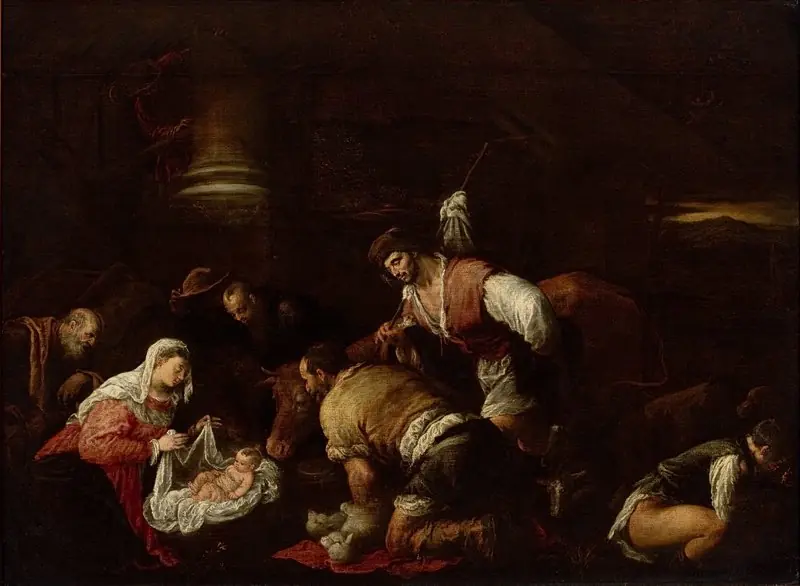 Adoration of the Shepherds
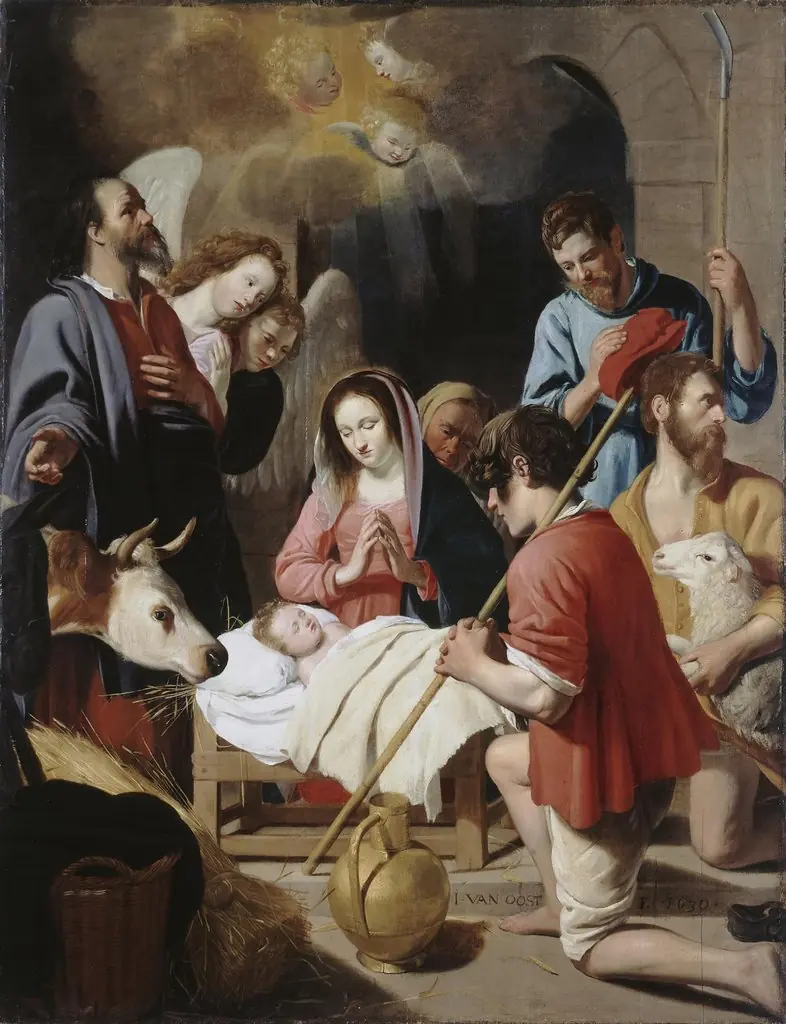 Adoration of the Shepherds
 Adoration of the Shepherds
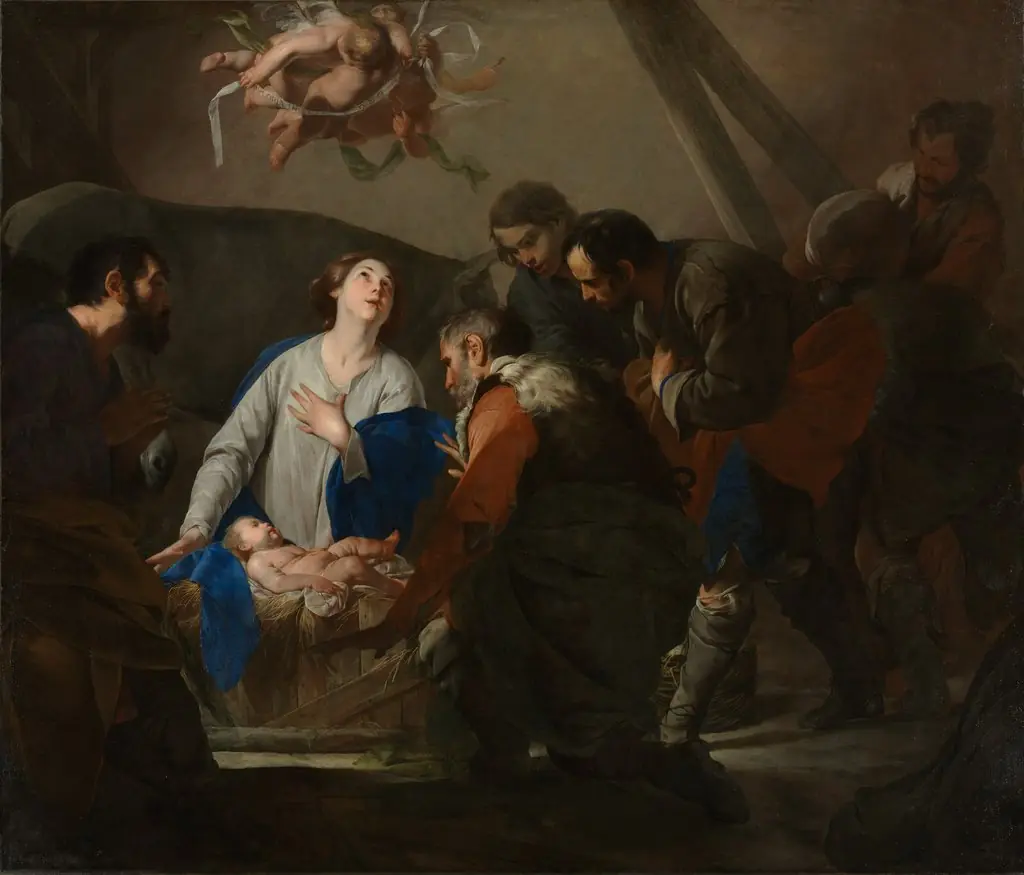 Adoration of the Shepherds
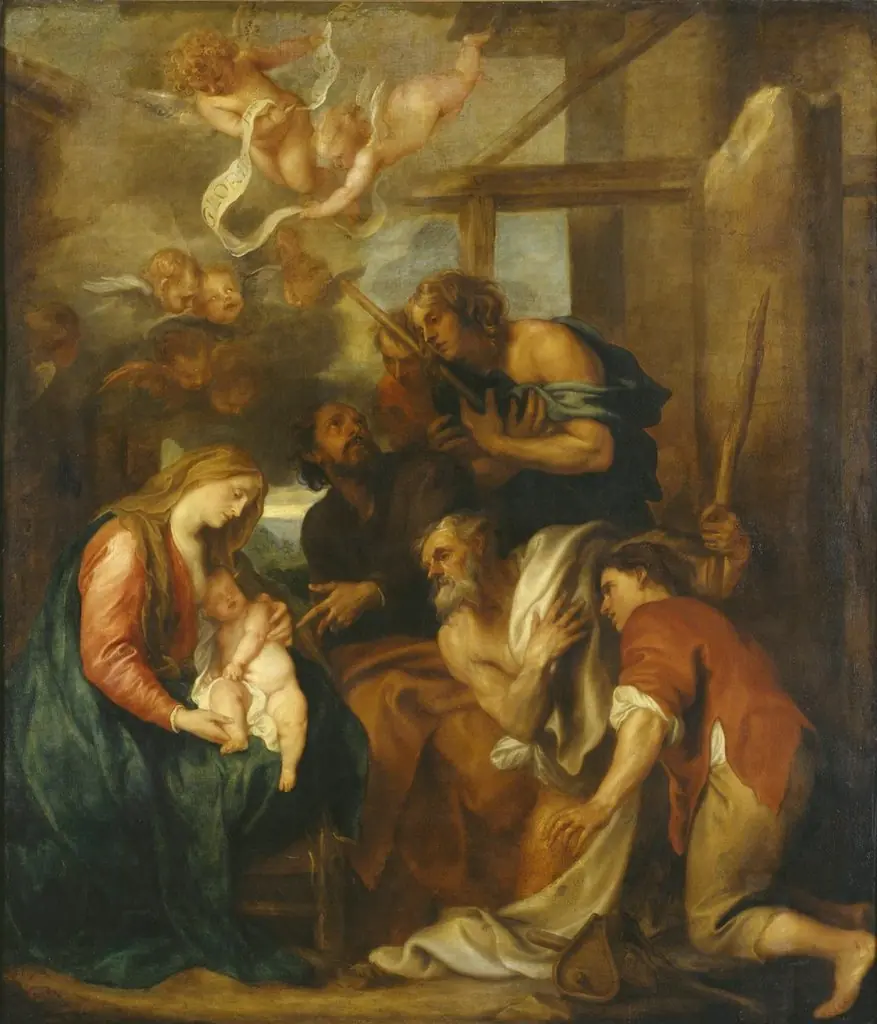 Adoration of the Shepherds
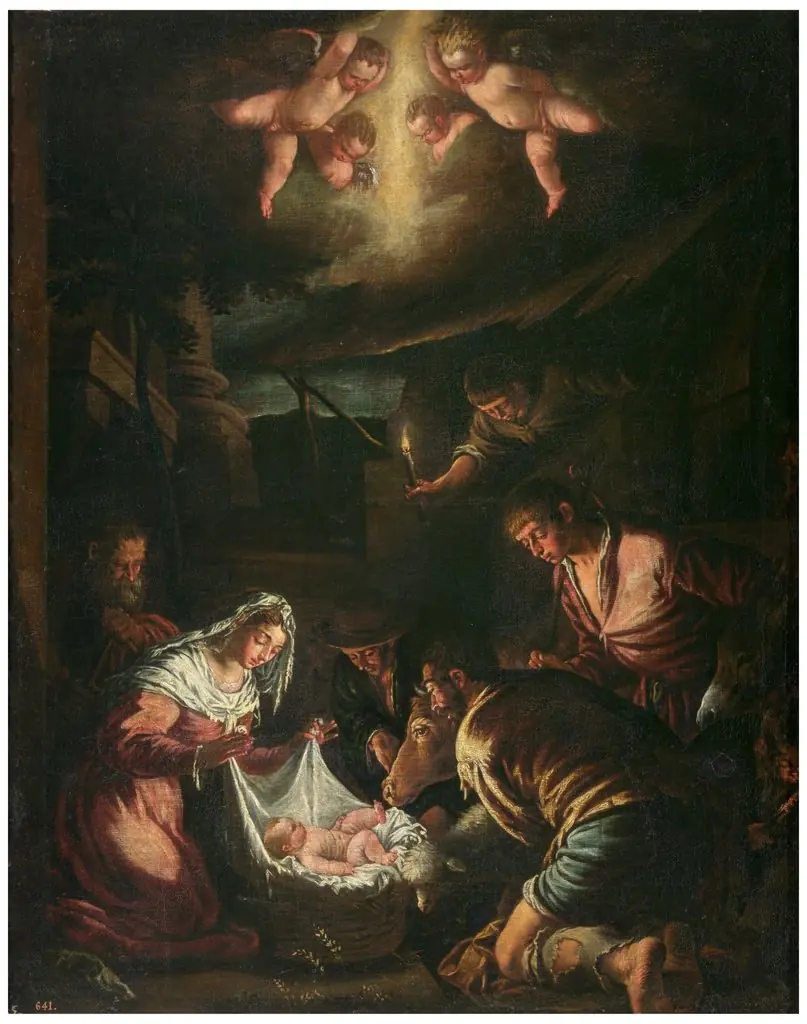 Adoration of the Shepherds
 Adoration of the Shepherds
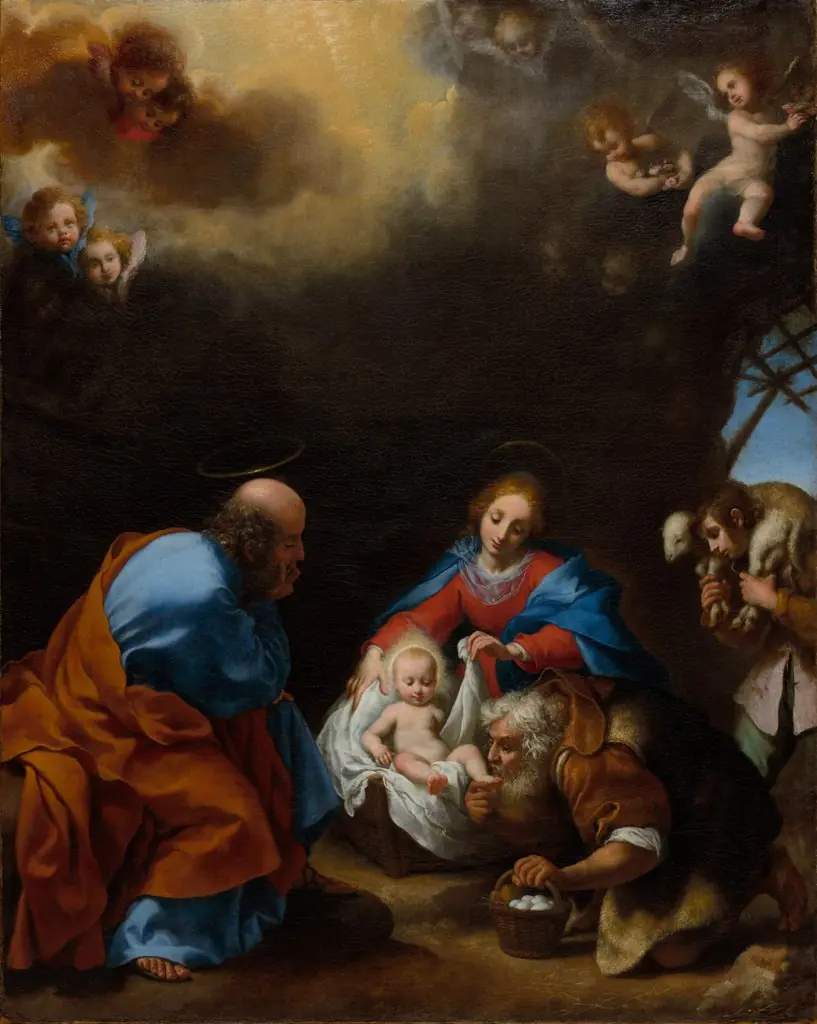 Adoration of the Shepherds
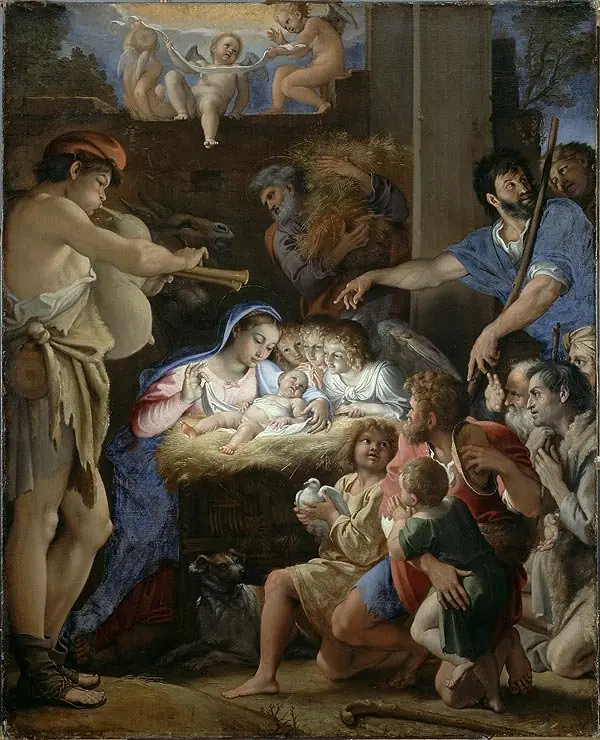 Adoration of the Shepherds
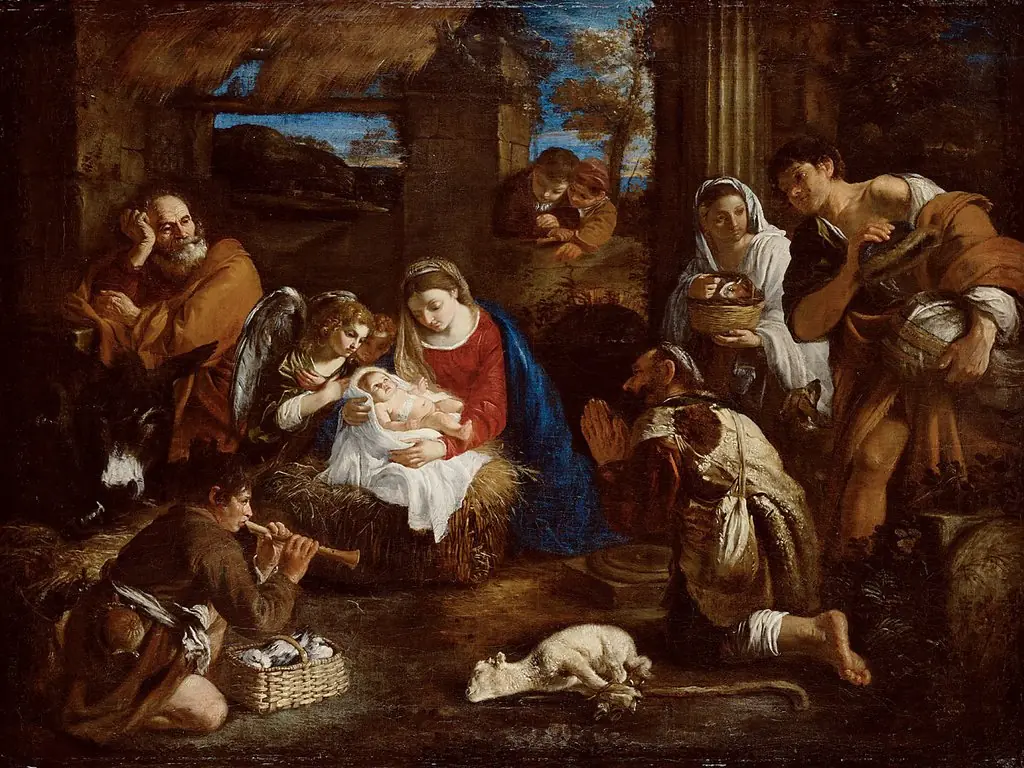 Adoration of the Shepherds
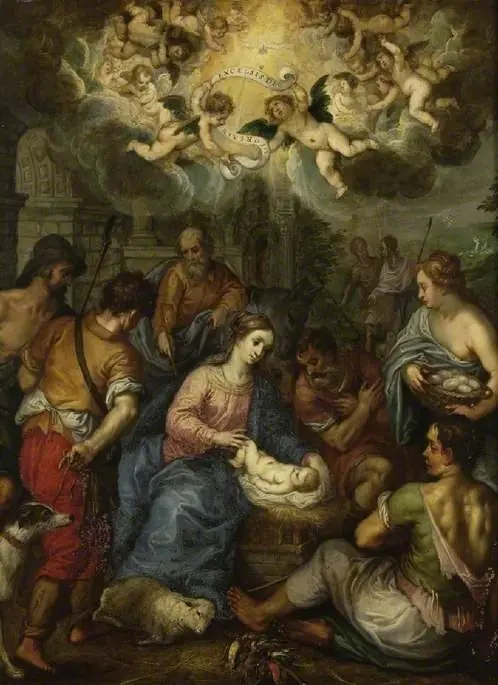 Adoration of the Shepherds