Artwork
Închinarea Magilor
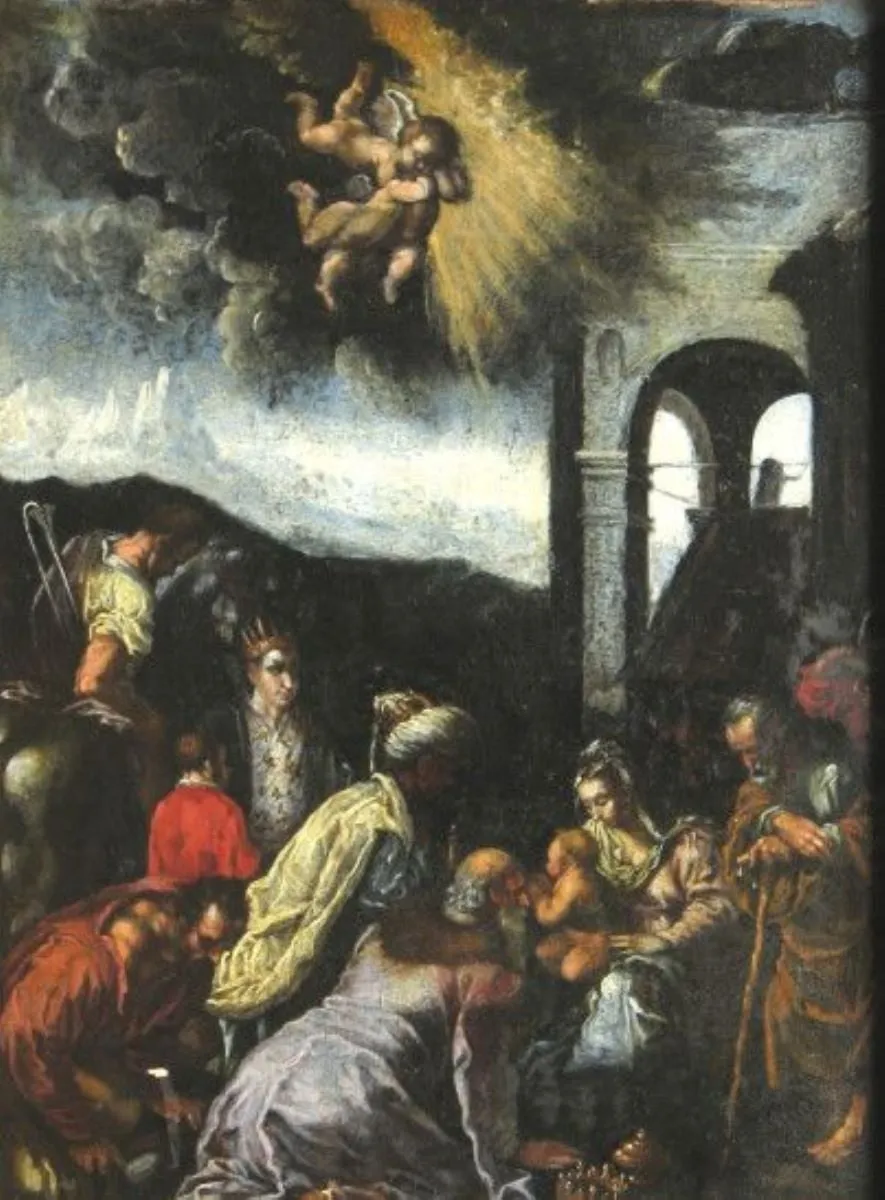
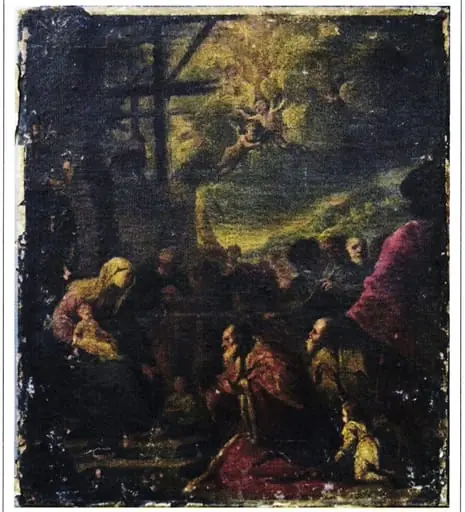
Închinarea Magilor is an unspecified painting by Jacopo Bassano. It is held in the collection of the Brukenthal National Museum.
About this work
Overview
The composition reflects his engagement with earlier Renaissance models while introducing distinct regional characteristics.
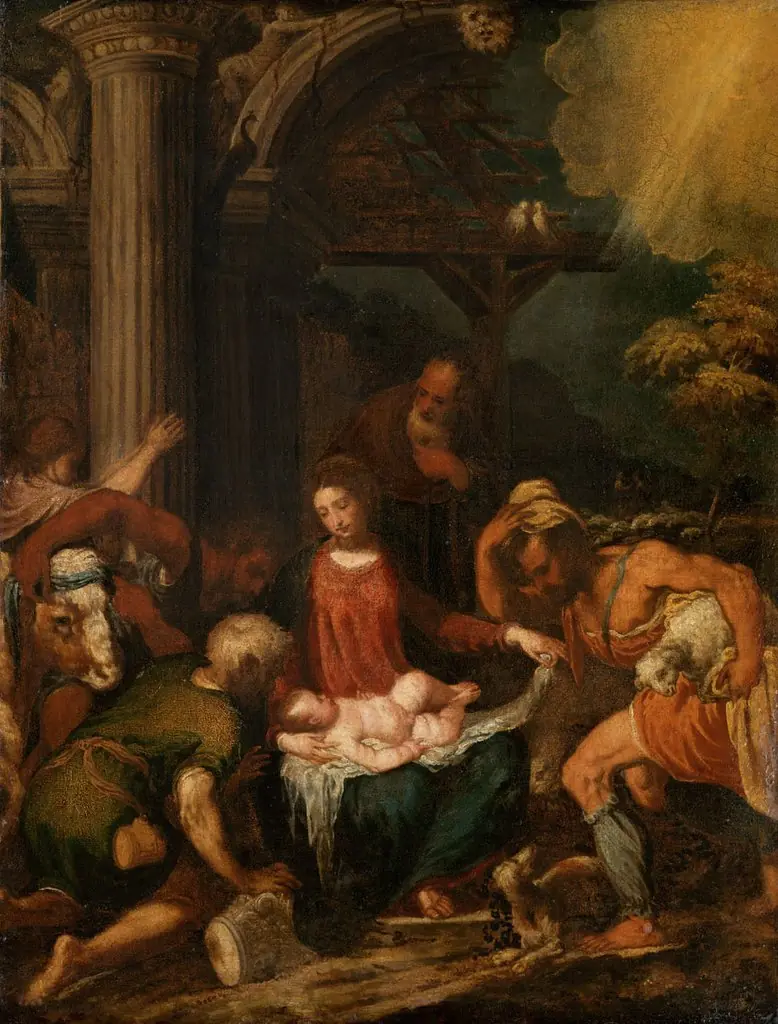
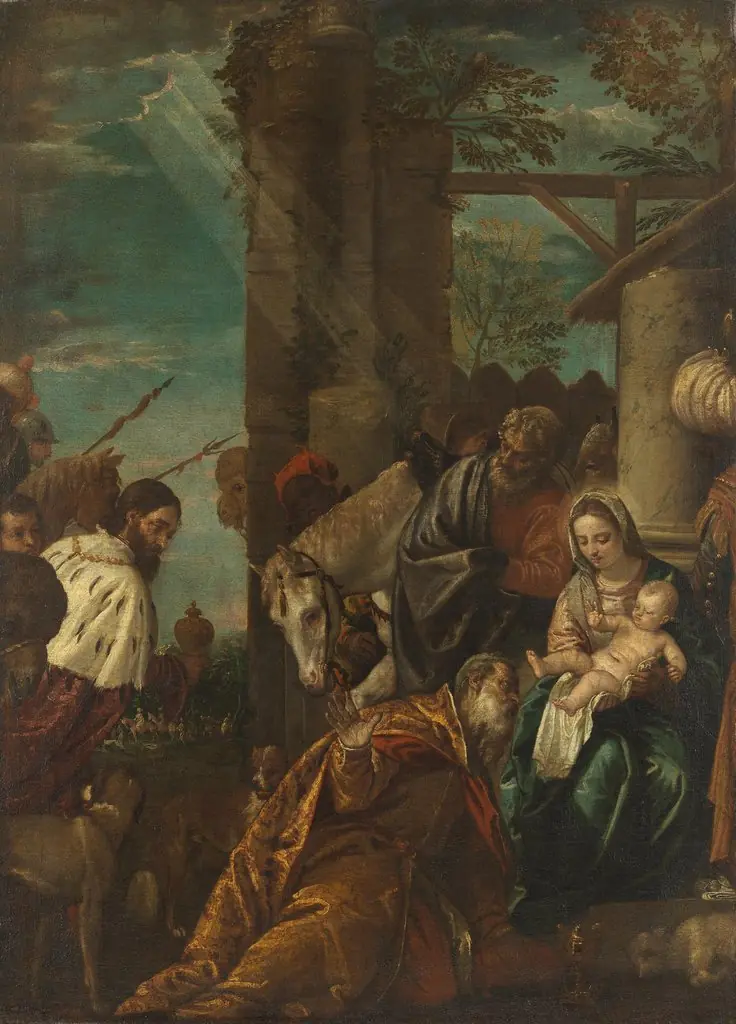
Painted around 1567 by Jacopo Bassano, Închinarea Magilor depicts the Adoration of the Magi, a traditional biblical scene. Bassano rendered the moment with attention to naturalistic detail, placing the holy figures within a tangible, earthbound setting rather than an idealized space. The composition reflects his engagement with earlier Renaissance models while introducing distinct regional characteristics.
Subject & Meaning
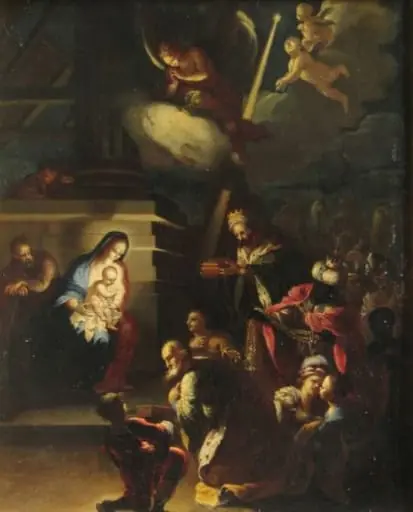
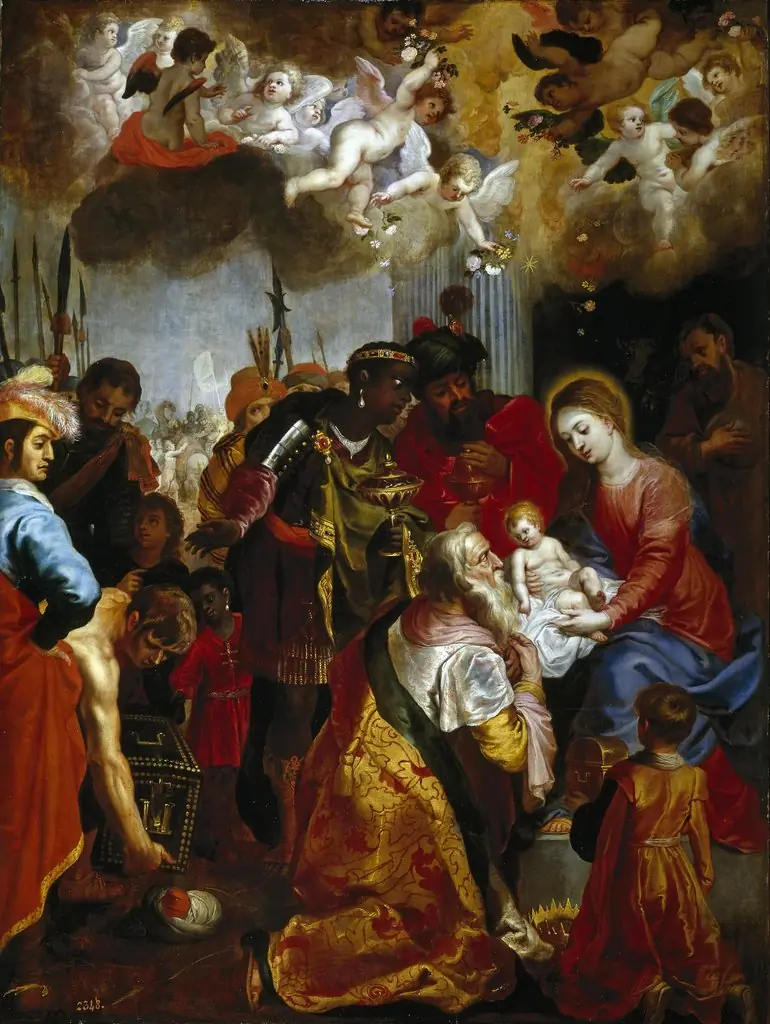
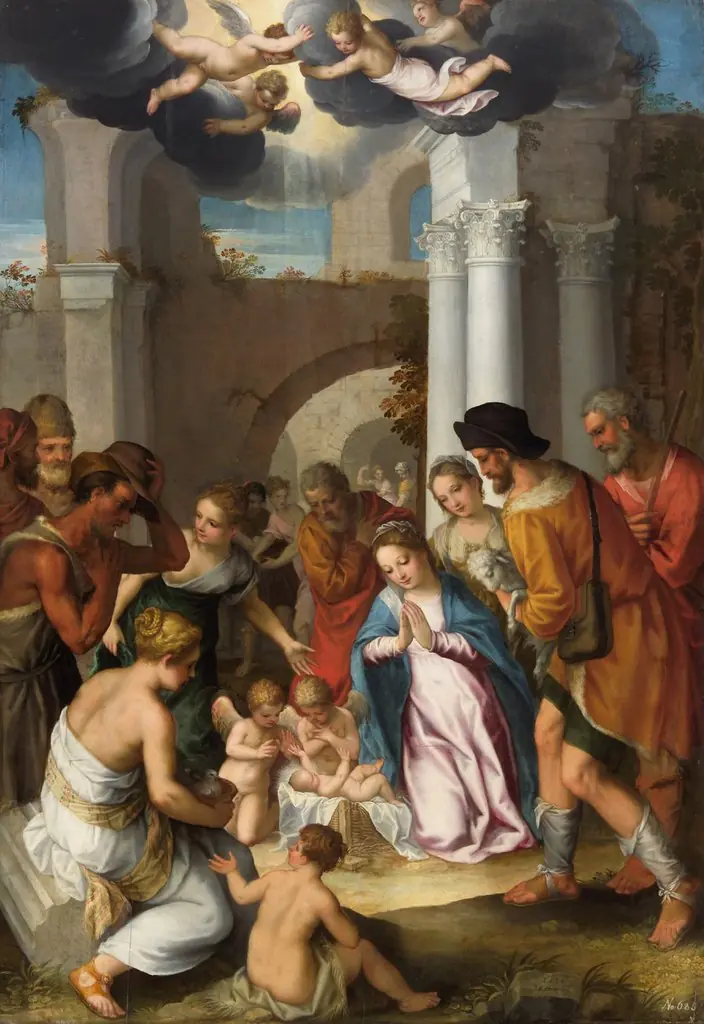
The painting portrays the three Magi offering gifts to the infant Jesus, symbolizing the recognition of Christ’s divine kingship by the Gentile world. Each king is distinguished by attire and gesture: one wears a crown of gold leaves, others present ornate caskets. Their varied ages and ethnic features suggest universal homage, reinforcing the theological theme of Christ as savior to all peoples.
Technique & Style
Bassano employed rich, earthy pigments and soft chiaroscuro to model forms with quiet realism. His brushwork is detailed yet unpolished, emphasizing texture in fabrics, skin, and foliage. The scene unfolds under natural light, with figures integrated into a landscape that feels observed rather than invented, reflecting his Venetian training and interest in everyday presence.
History & Provenance
The work was created during Bassano’s mature period in Bassano del Grappa, where he maintained a prolific workshop. While drawing inspiration from compositions by earlier masters such as Raphael, Bassano reinterpreted the scene with local details and atmospheric depth. Its early ownership remains undocumented, but it circulated among northern Italian collectors by the late 16th century.
Context
In mid-16th century Italy, religious imagery remained central to artistic production, even as Mannerist trends gained ground. Bassano’s approach stood apart by favoring direct observation over stylization. His adaptation of classical compositions into intimate, luminous settings aligned with Counter-Reformation ideals that emphasized emotional accessibility and tangible devotion.
Legacy
Bassano’s version of the Adoration influenced regional painters in the Veneto for decades, particularly through his integration of landscape and everyday realism into sacred subjects. His workshop’s output helped disseminate this approach beyond Venice, contributing to a broader shift in Northern Italian art toward naturalism and emotional immediacy in religious narratives.
Artist & collection