Artwork
King Lear
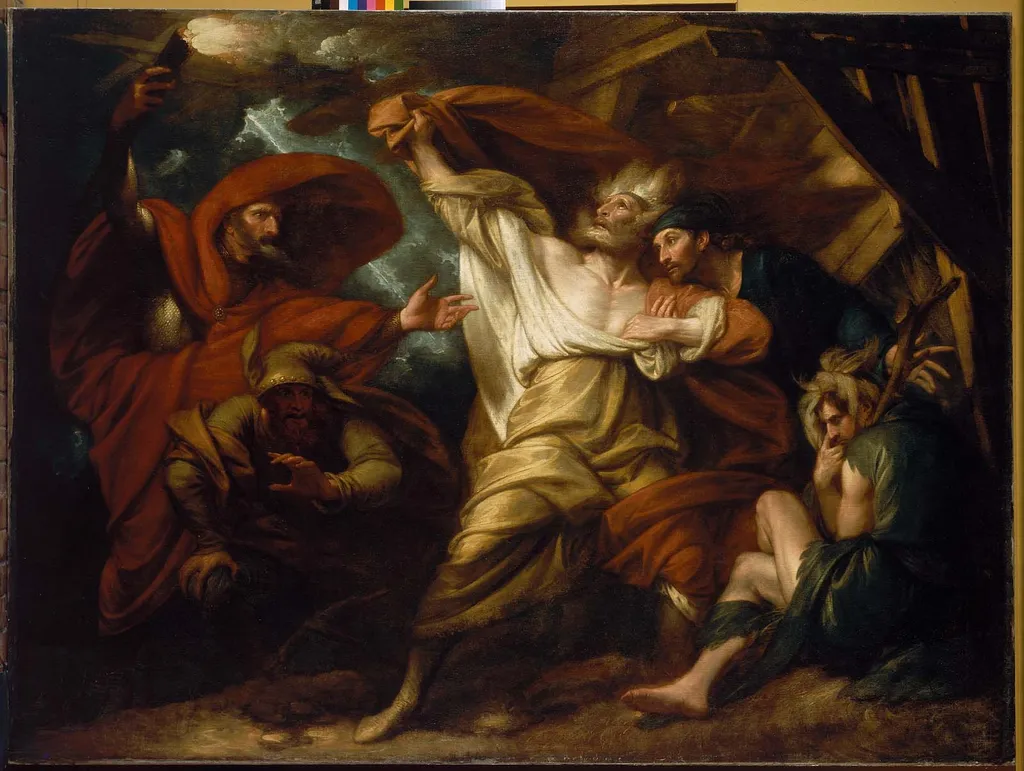
King Lear is an oil painting by the Neoclassicist artist Benjamin West. It dates from 1794 and is held in the collection of the Museum of Fine Arts Boston.
About this work
Overview
Created during a transitional phase in West’s career, it departs from his earlier Neoclassical approach and embraces a more emotionally charged aesthetic.
Benjamin West’s 1788 oil painting, titled King Lear, portrays a pivotal moment from Shakespeare’s tragedy. Created during a transitional phase in West’s career, it departs from his earlier Neoclassical approach and embraces a more emotionally charged aesthetic. The work captures Lear’s exile into a violent storm, a scene drawn from Act 3, Scene 4, and stands apart from his 1784 painting of Lear with Cordelia.
Subject & Meaning
The painting illustrates King Lear’s rejection of his daughters’ false offers of shelter, choosing instead to confront the fury of nature. His isolation amid wind and rain symbolizes his moral and psychological unraveling. West emphasizes Lear’s vulnerability and defiance, transforming the storm into both a literal and metaphorical force that mirrors the collapse of order and familial trust.
Technique & Style
West abandoned the restrained forms and idealized compositions of Neoclassicism in favor of dynamic brushwork and dramatic lighting. The swirling clouds, ragged figures, and turbulent landscape convey emotional intensity. The palette is muted yet charged, with dark tones punctuated by flashes of pale light, heightening the sense of chaos and despair in the scene.
History & Provenance
Completed in 1788, the painting was exhibited in London and received attention for its departure from West’s established style. It remained in private collections for much of the 19th century before entering a public museum. Its attribution and dating have been consistently verified through archival records and stylistic analysis, confirming its place in West’s late oeuvre.
Context
In the late 18th century, European art was shifting from Enlightenment rationalism toward emotional expression. West’s King Lear aligned with this change, anticipating Romanticism’s focus on nature, individual suffering, and the sublime. While British audiences were increasingly drawn to Shakespearean drama, West’s interpretation offered a visual counterpart to the era’s literary preoccupations.
Legacy
Though less widely known than his historical scenes, King Lear marked a significant pivot in West’s artistic direction. It influenced later painters exploring psychological depth and natural forces in Shakespearean subjects. The work remains a key example of how 18th-century artists began to reinterpret classical literature through a more personal, emotive lens.
Artist & collection

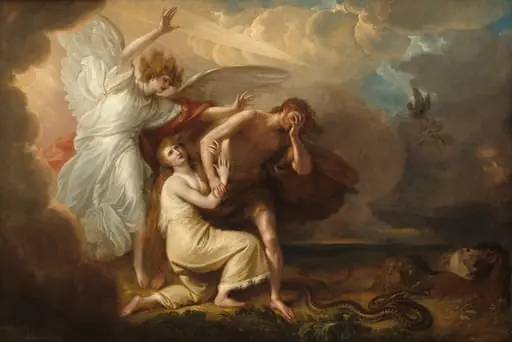 The Expulsion of Adam and Eve from Paradise
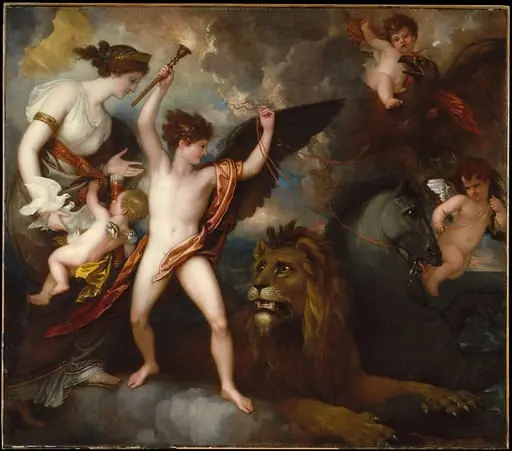 Omnia Vincit Amor, or The Power of Love in the Three Elements
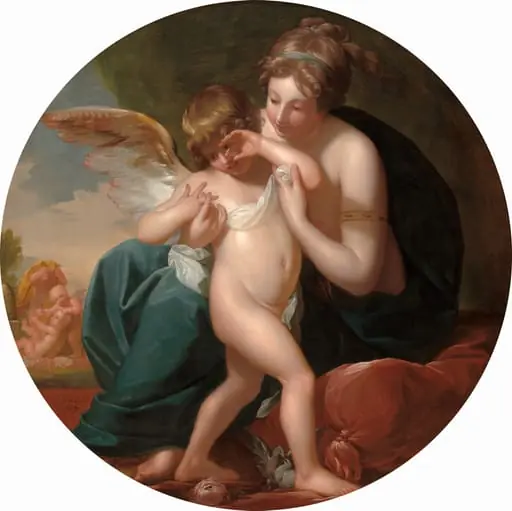 Cupid, Stung by a Bee, Is Cherished by his Mother
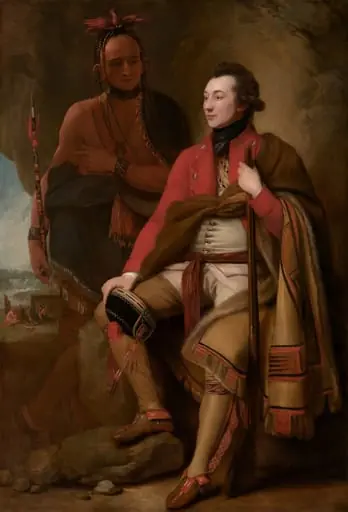 Colonel Guy Johnson and Karonghyontye (Captain David Hill)
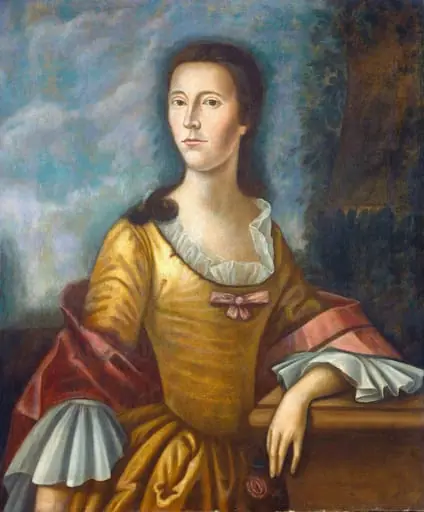 Mary Bethel Boude (Mrs. Samuel Boude)
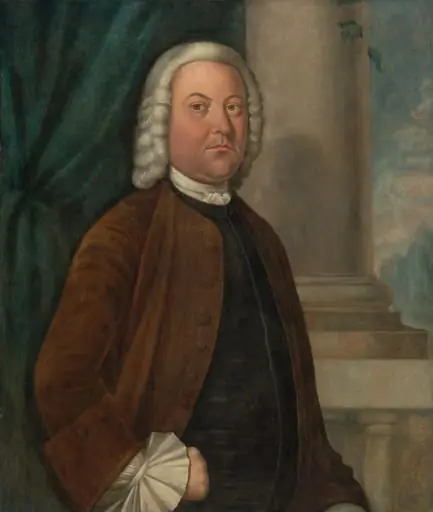 Dr. Samuel Boude
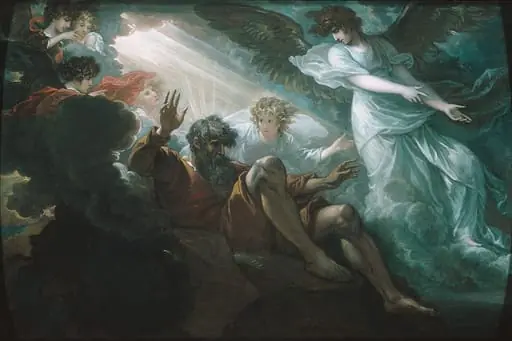 Moses Shown the Promised Land
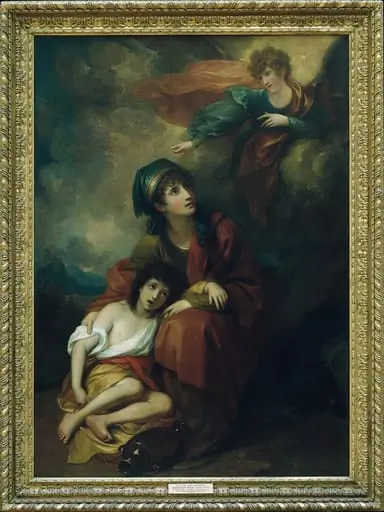 Hagar and Ishmael
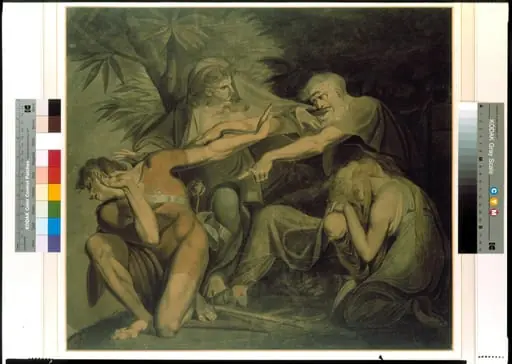 Oedipus cursing his son Polynices
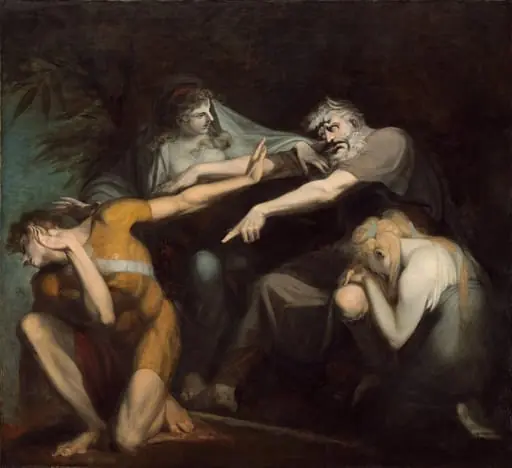 Oedipus Cursing His Son Polynices
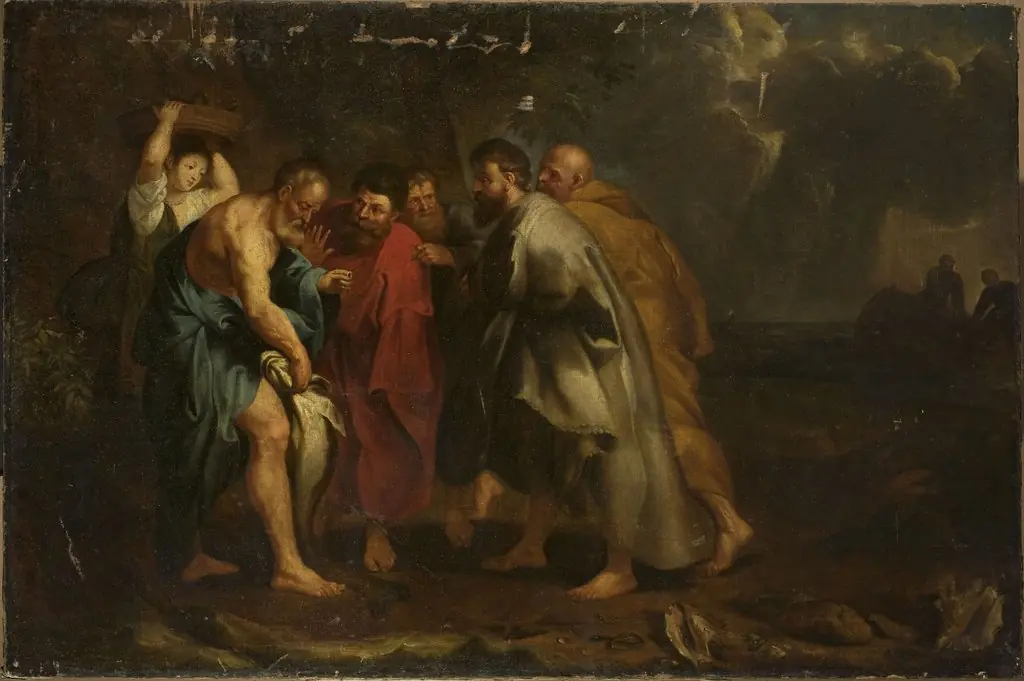 Apostles finding a coin inside a fish (Matthew 17:27)
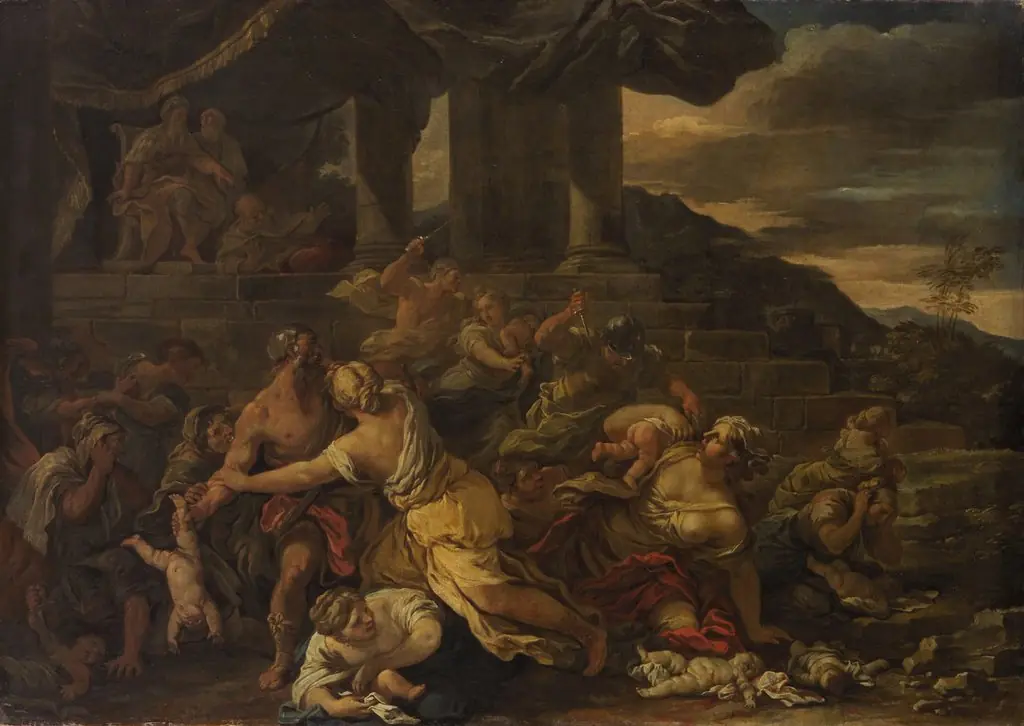 Killing of the Children in Bethlehem
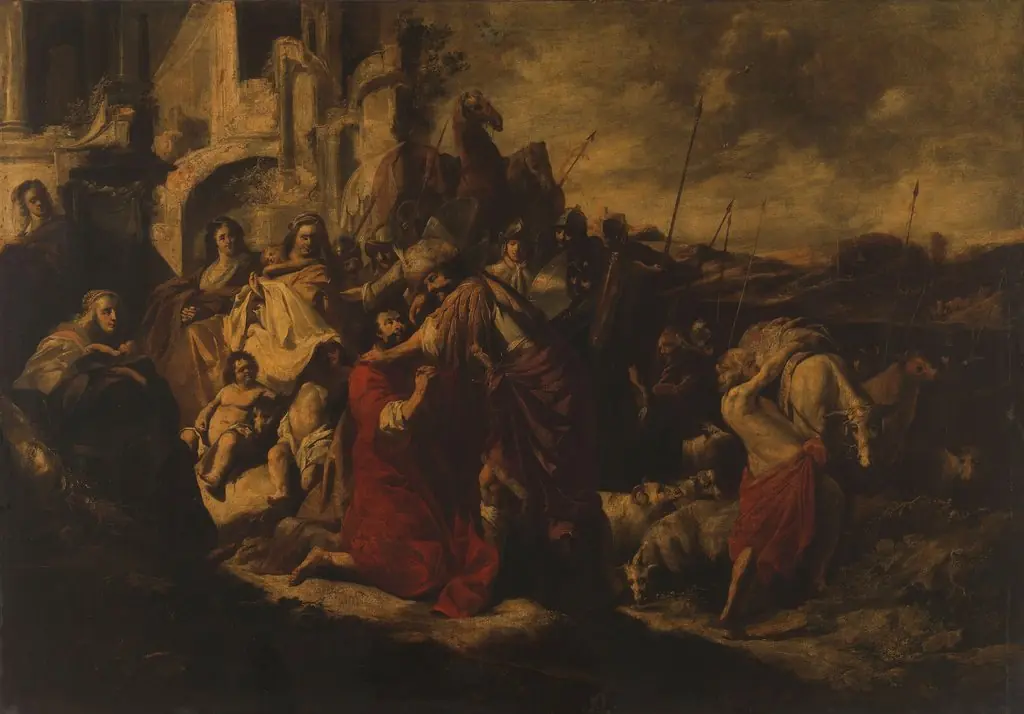 The meeting of Jacob and Esau
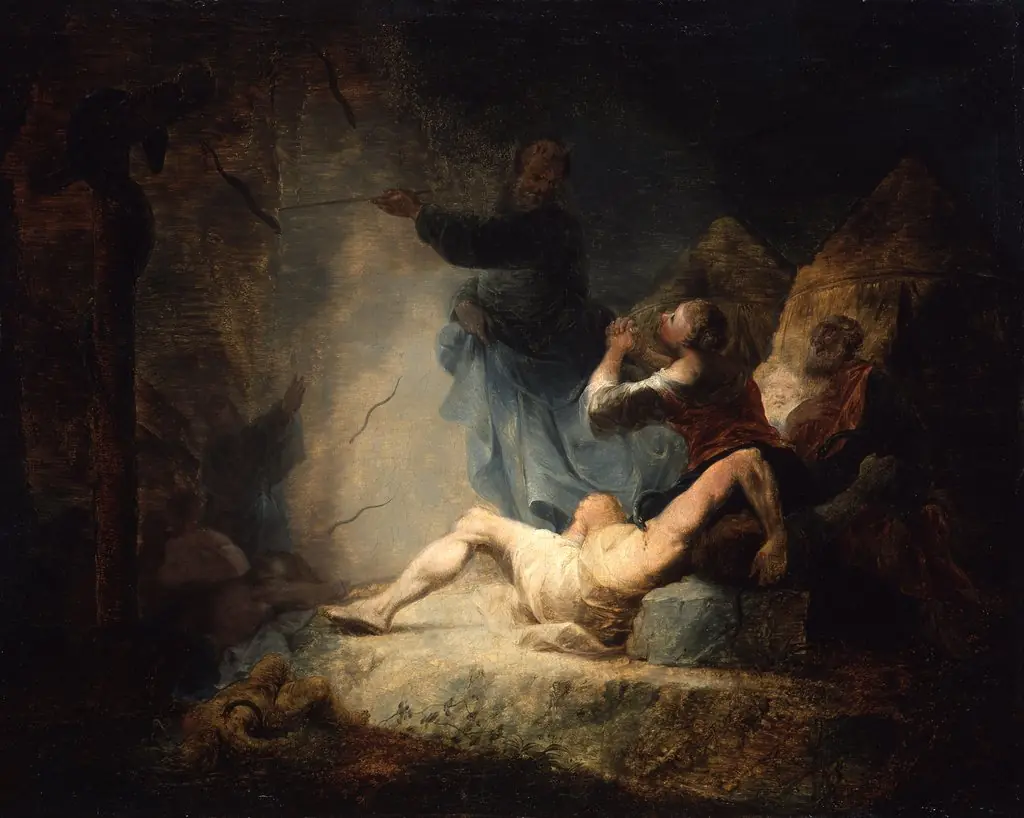 The Erection of the Brazen Serpent
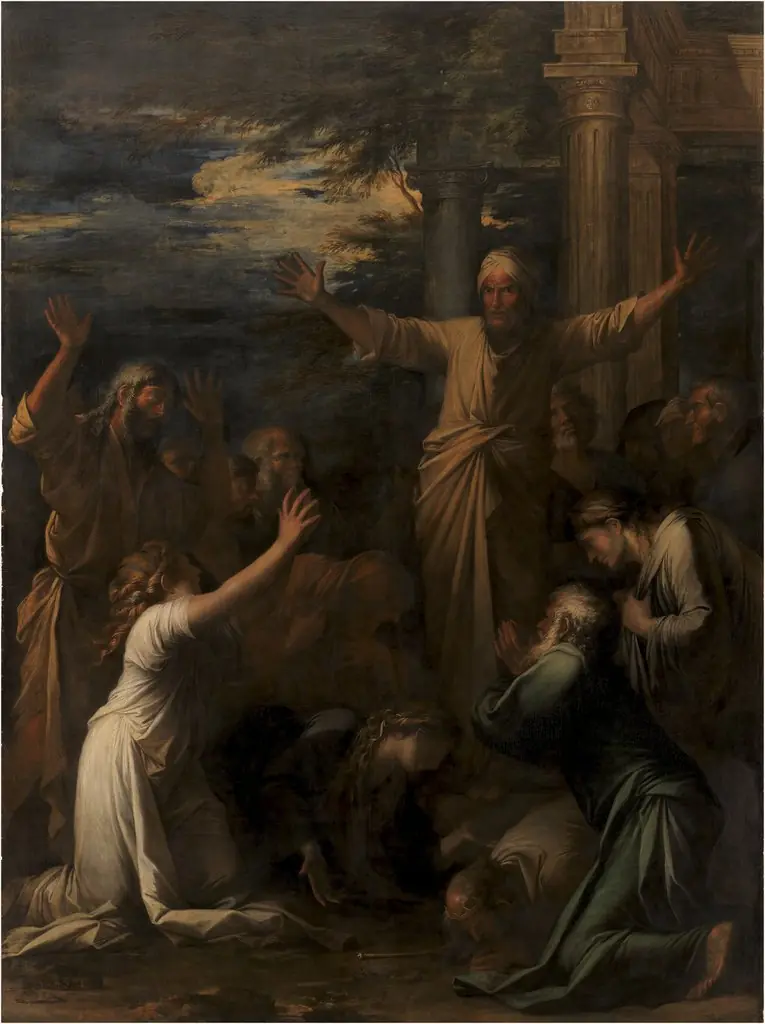 Jonah Preaching to the People of Niniveh
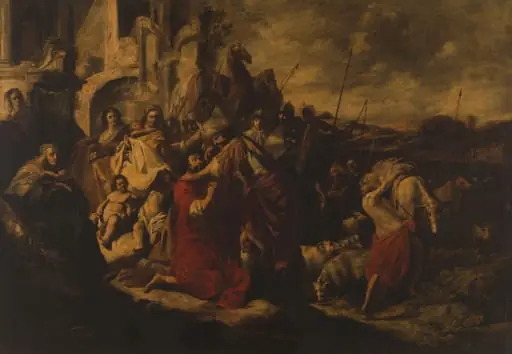 The Meeting of Jacob and Esau
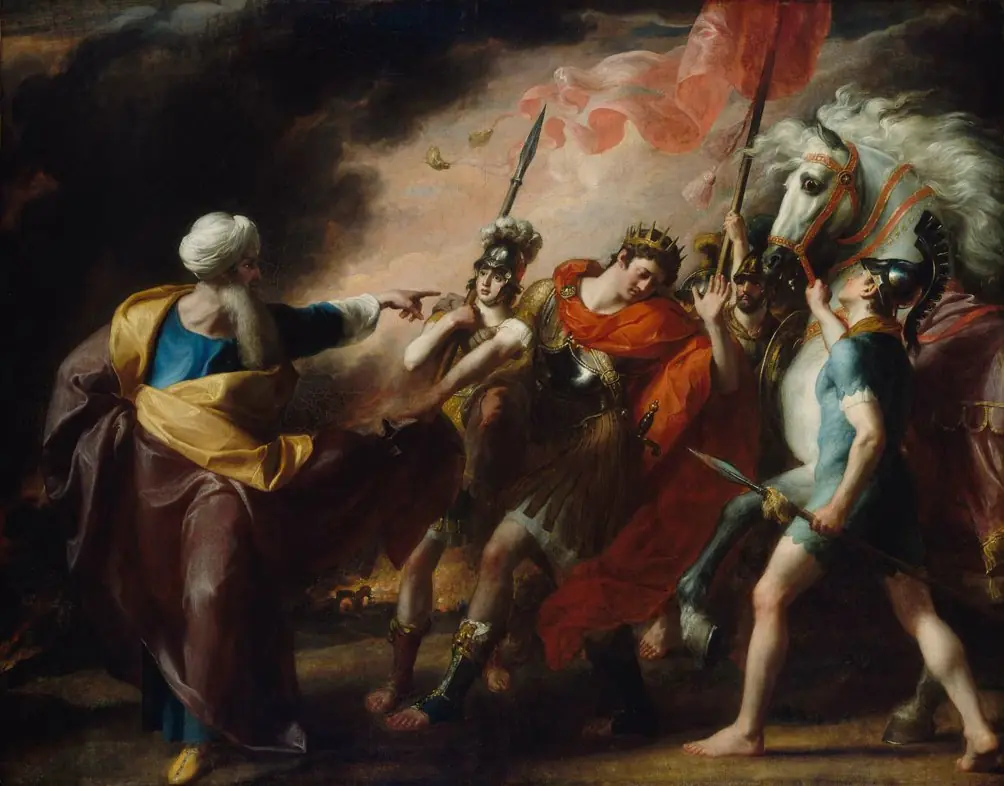 Saul Reproved by Samuel
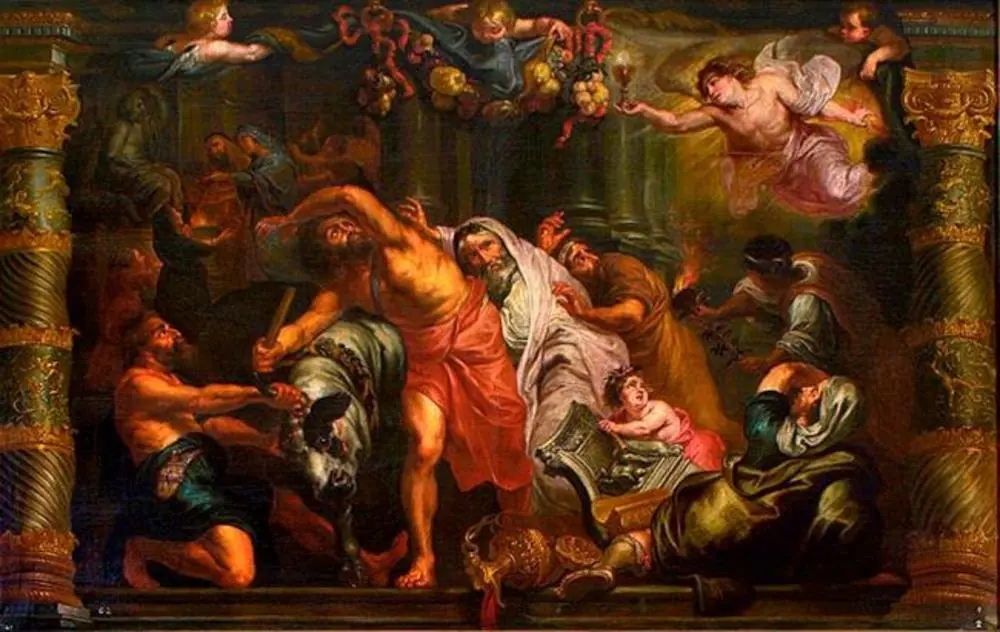 The Eucharist overcoming pagan sacrifices