Artwork
The Death of Procris
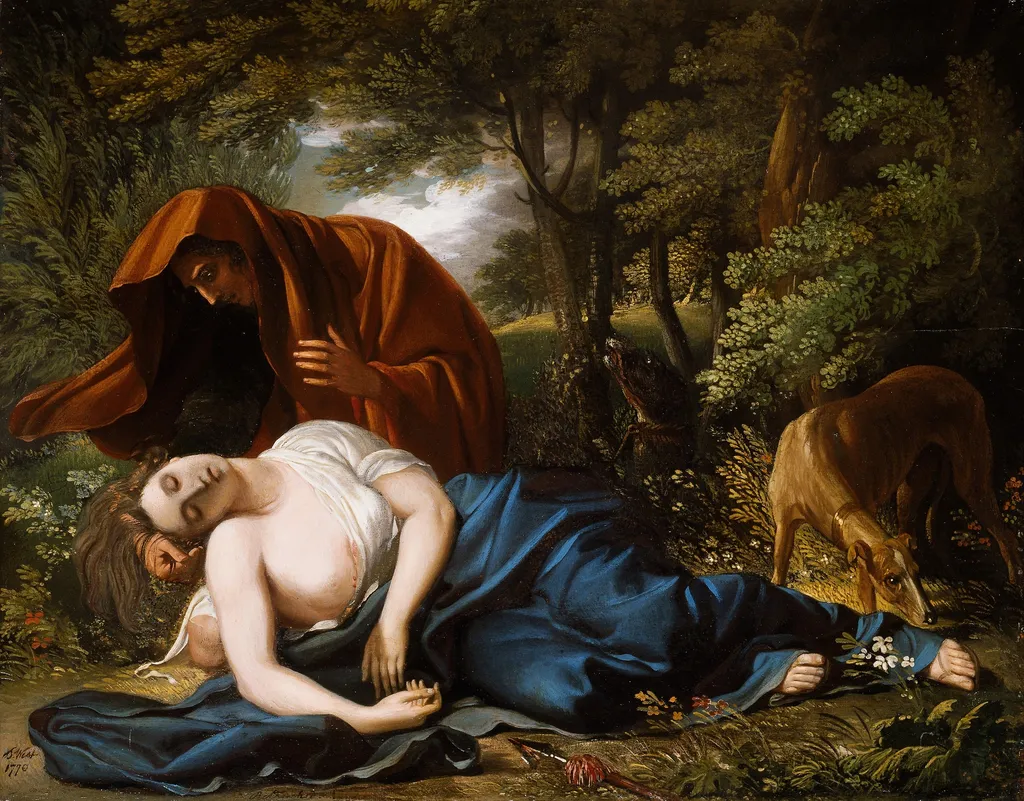
The Death of Procris is an unspecified painting by the Neoclassicist artist Benjamin West. It dates from 1770 and is held in the collection of the Art Institute of Chicago.
About this work
Overview
This painting exemplifies his early engagement with classical narratives, blending emotional gravity with careful composition.
Benjamin West, an American artist based in London, completed *The Death of Procris* in 1770. It belongs to a series of mythological subjects he pursued during his rise in the British art world. Though self-taught, West gained recognition through royal patronage and eventually became president of the Royal Academy. This painting exemplifies his early engagement with classical narratives, blending emotional gravity with careful composition.
Subject & Meaning
The scene illustrates the tragic moment from Ovid’s *Metamorphoses* when Procris, accidentally struck by her husband Cephalus’s spear, dies in the forest. Cephalus, overcome with grief, kneels beside her as their dog, loyal to both, watches in stillness. The painting emphasizes unintended tragedy and the fragility of trust, drawing on ancient myth to explore human remorse and loss without overt moralizing.
Technique & Style
West employs a restrained neoclassical approach, with soft modeling of forms and a muted palette dominated by earth tones and pale fabric. The figures are arranged in a quiet, horizontal composition, enhancing the solemnity. The forest background is rendered with loose, atmospheric brushwork, framing the figures without distracting from their emotional stillness. Lighting is gentle, focusing attention on the moment of death rather than dramatic spectacle.
History & Provenance
Painted during West’s early London years, *The Death of Procris* was likely intended for private collectors interested in classical themes. It remained in British collections through the 19th century and was later acquired by the Yale Center for British Art. Its survival reflects West’s growing reputation among patrons who valued historical and mythological subjects over religious or portrait commissions.
Context
In the 1770s, British art was increasingly drawn to classical antiquity as a source of moral and aesthetic authority. West, though American, aligned with this trend, positioning himself within a European tradition of history painting. His choice of Procris’s story—less commonly depicted than other myths—suggests a preference for intimate tragedy over grand heroism, distinguishing his work from contemporaries like Reynolds.
Legacy
Though less known today than West’s larger historical works, *The Death of Procris* reveals his early mastery of emotional restraint and narrative clarity. It influenced later artists exploring mythological themes with psychological depth. The painting remains a quiet example of how neoclassicism could convey human vulnerability, setting a precedent for 19th-century treatments of myth beyond spectacle.
Own this work as a print
Artist & collection

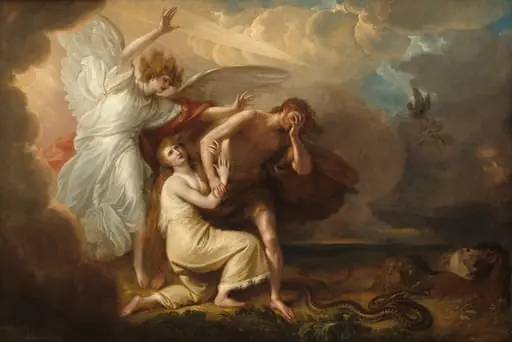 The Expulsion of Adam and Eve from Paradise
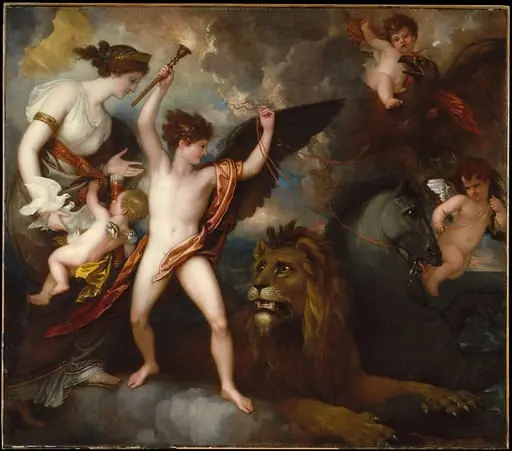 Omnia Vincit Amor, or The Power of Love in the Three Elements
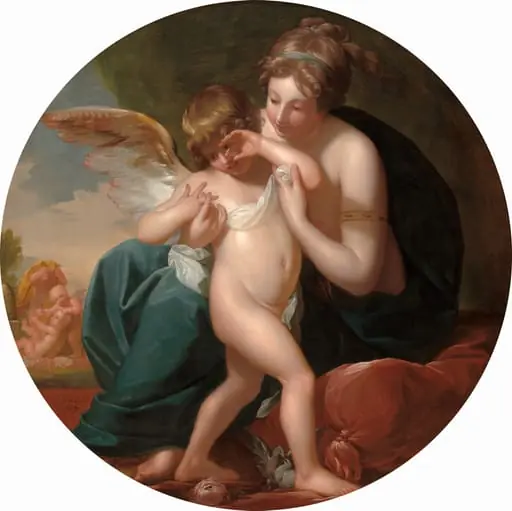 Cupid, Stung by a Bee, Is Cherished by his Mother
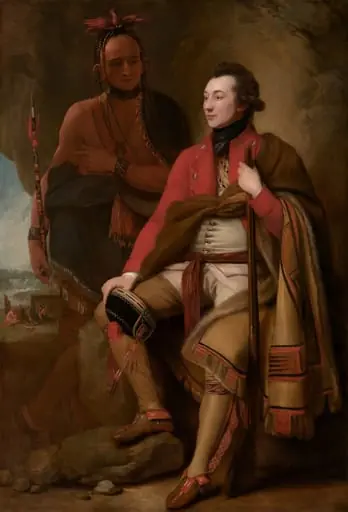 Colonel Guy Johnson and Karonghyontye (Captain David Hill)
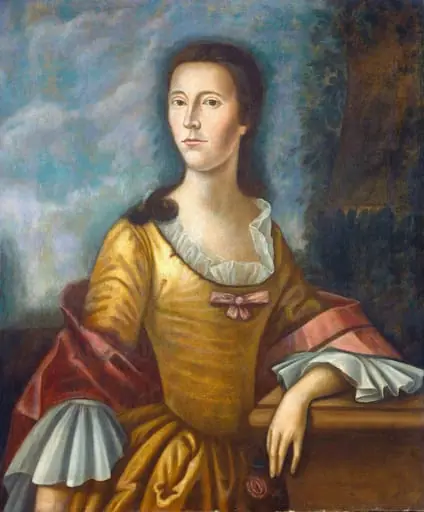 Mary Bethel Boude (Mrs. Samuel Boude)
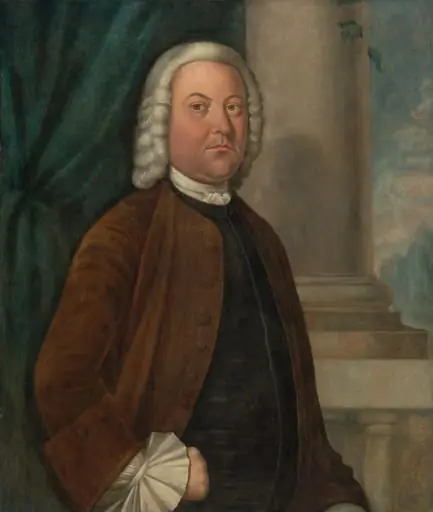 Dr. Samuel Boude
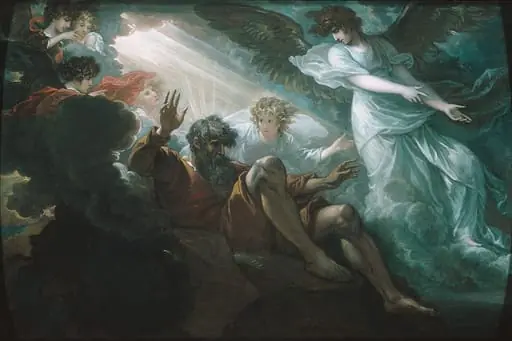 Moses Shown the Promised Land
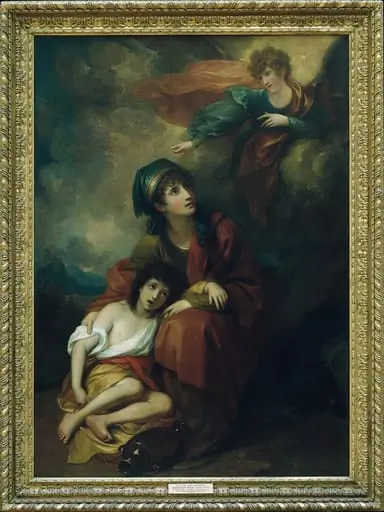 Hagar and Ishmael
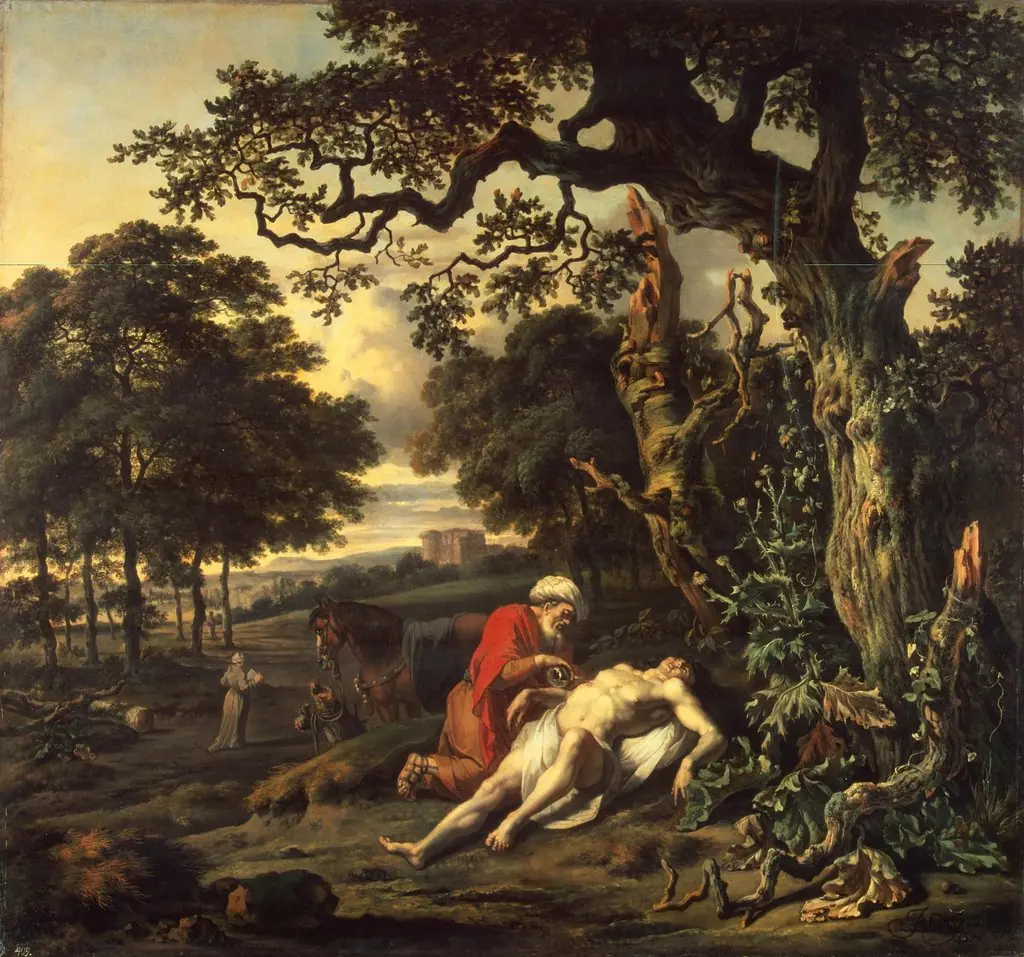 Parable of the Good Samaritan
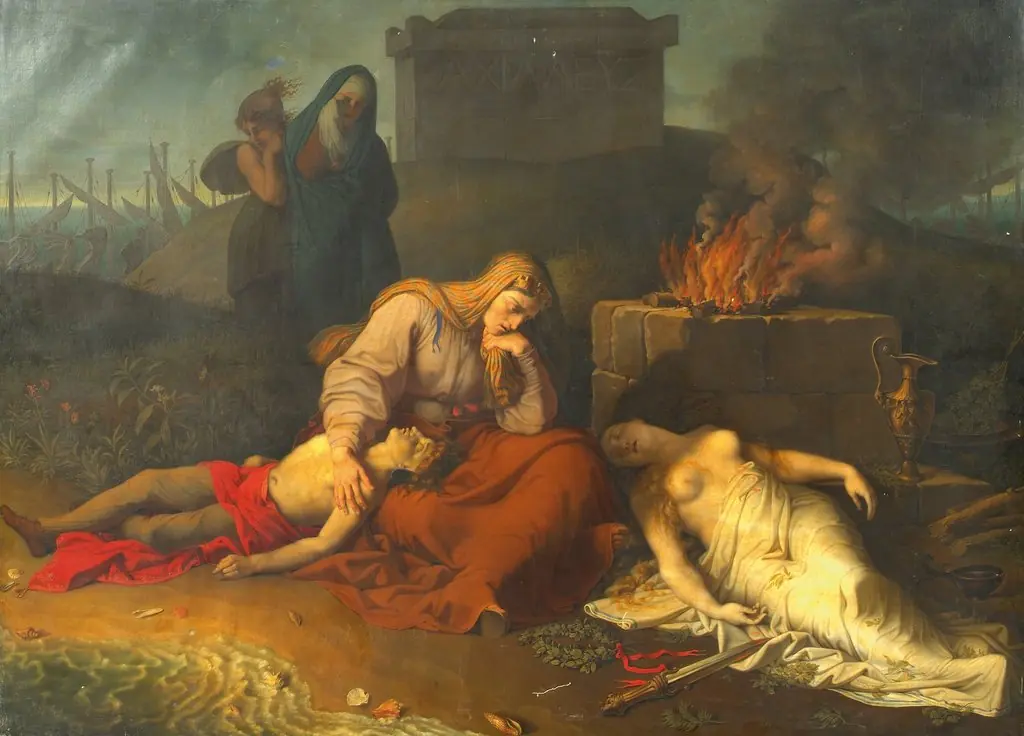 Hecabe mit den Leichnamen ihrer Kinder Polyxena und Polydoros am Grab des Achill
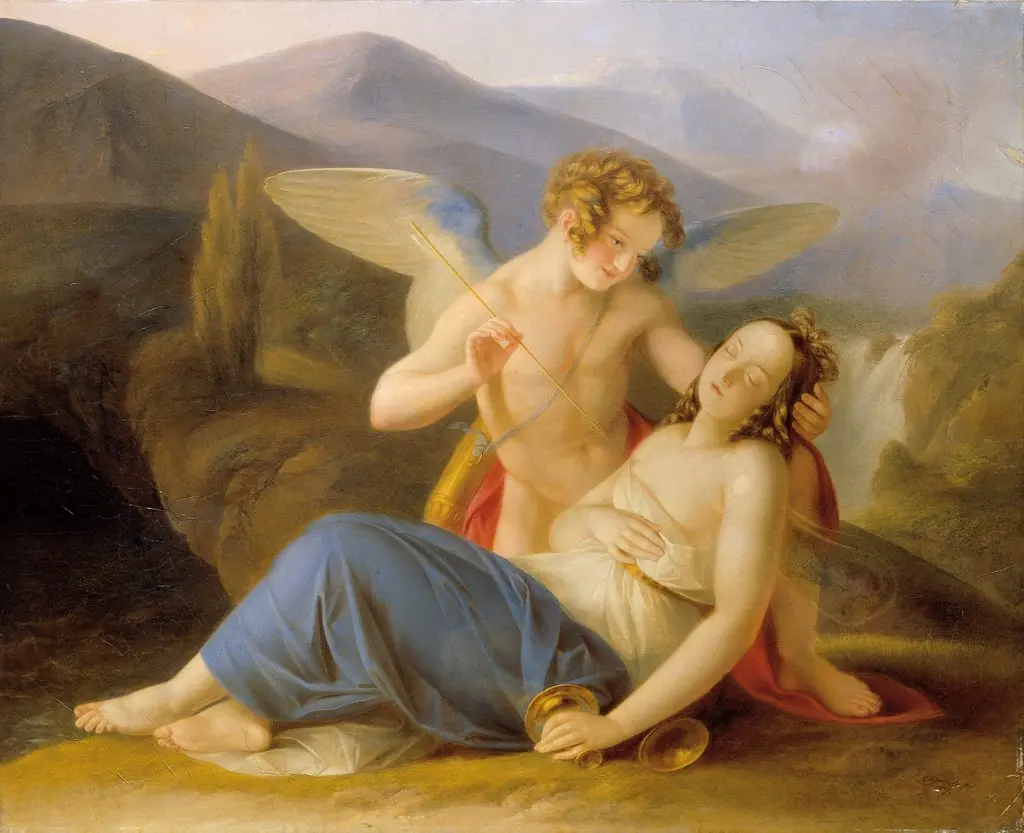 Psyche is awakened from fainting by Cupid's arrow
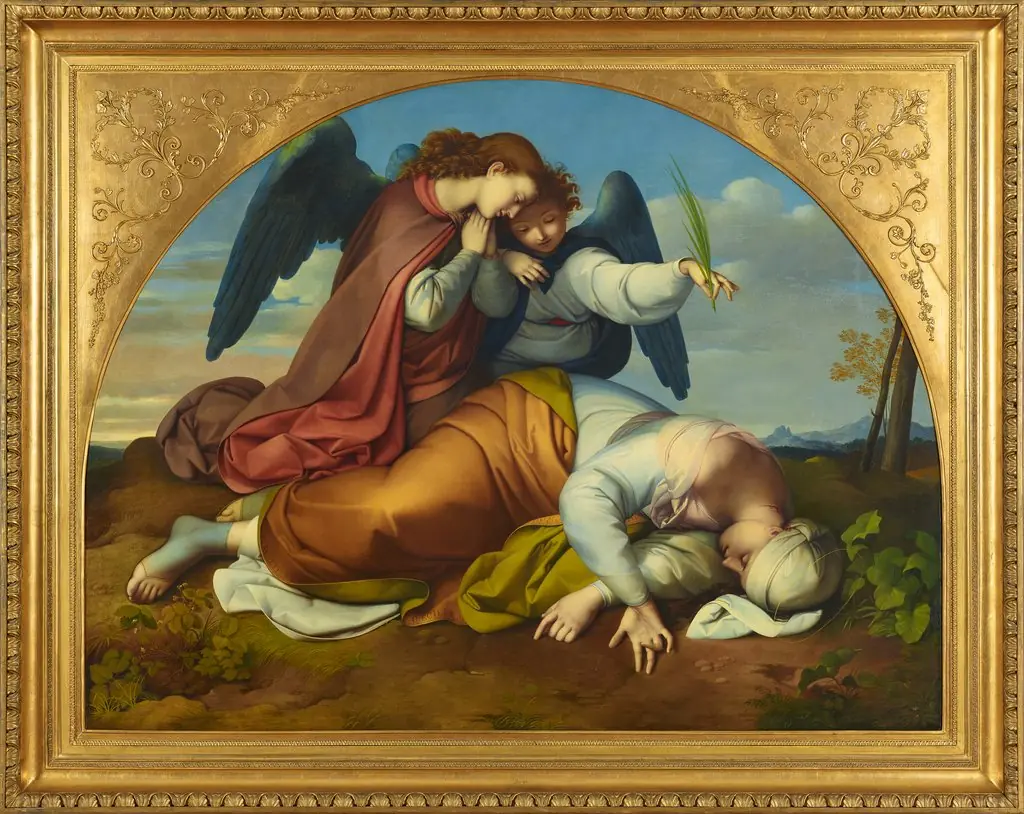 Die tote heilige Caecilia (Römische Fassung)
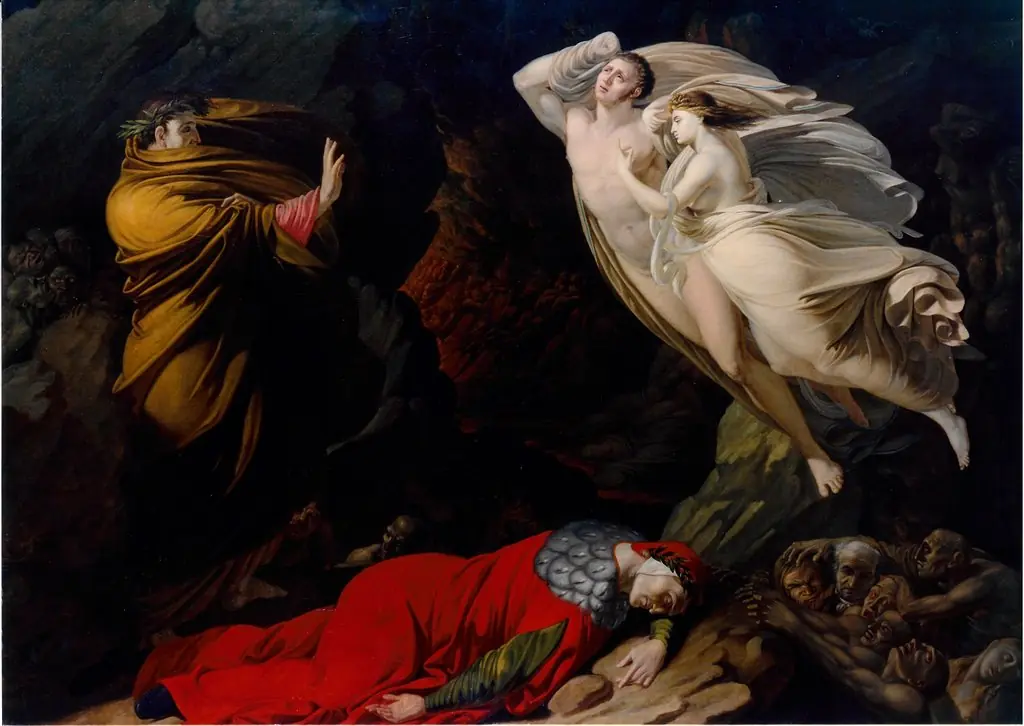 Paolo and Francesca da Rimini in Dante's hell
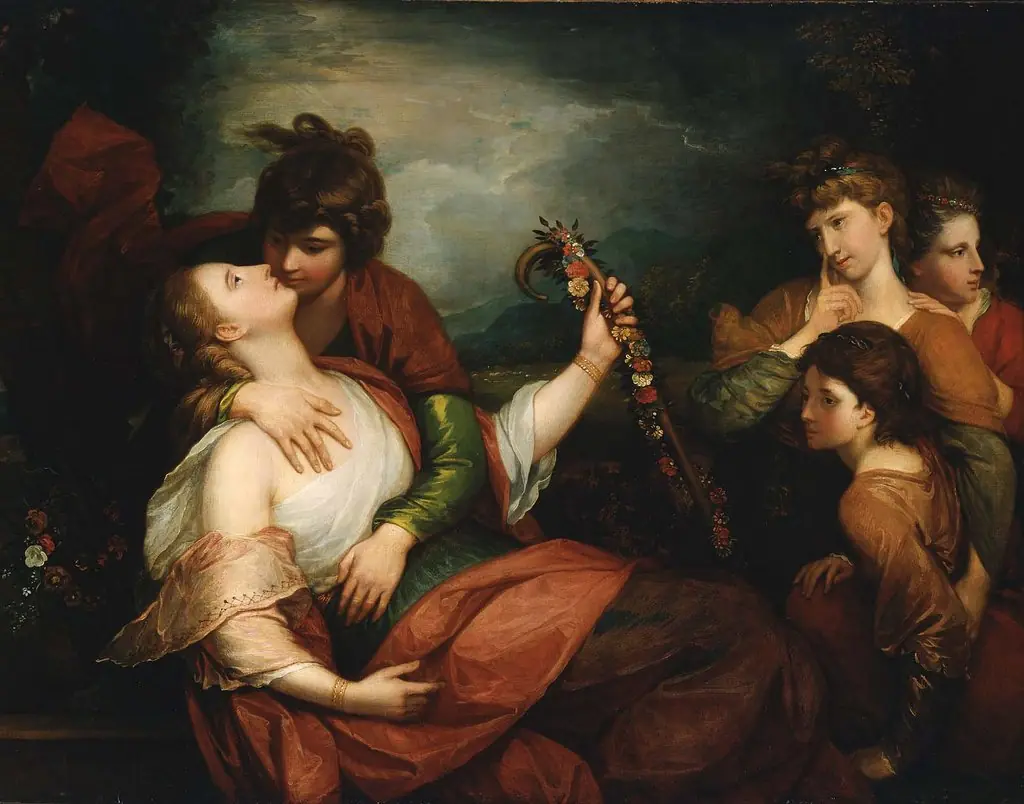 The Stolen Kiss
 The Education of the Virgin
 Pyramus og Tisbe