Artwork
The Pilgrim Mourning His Dead Ass
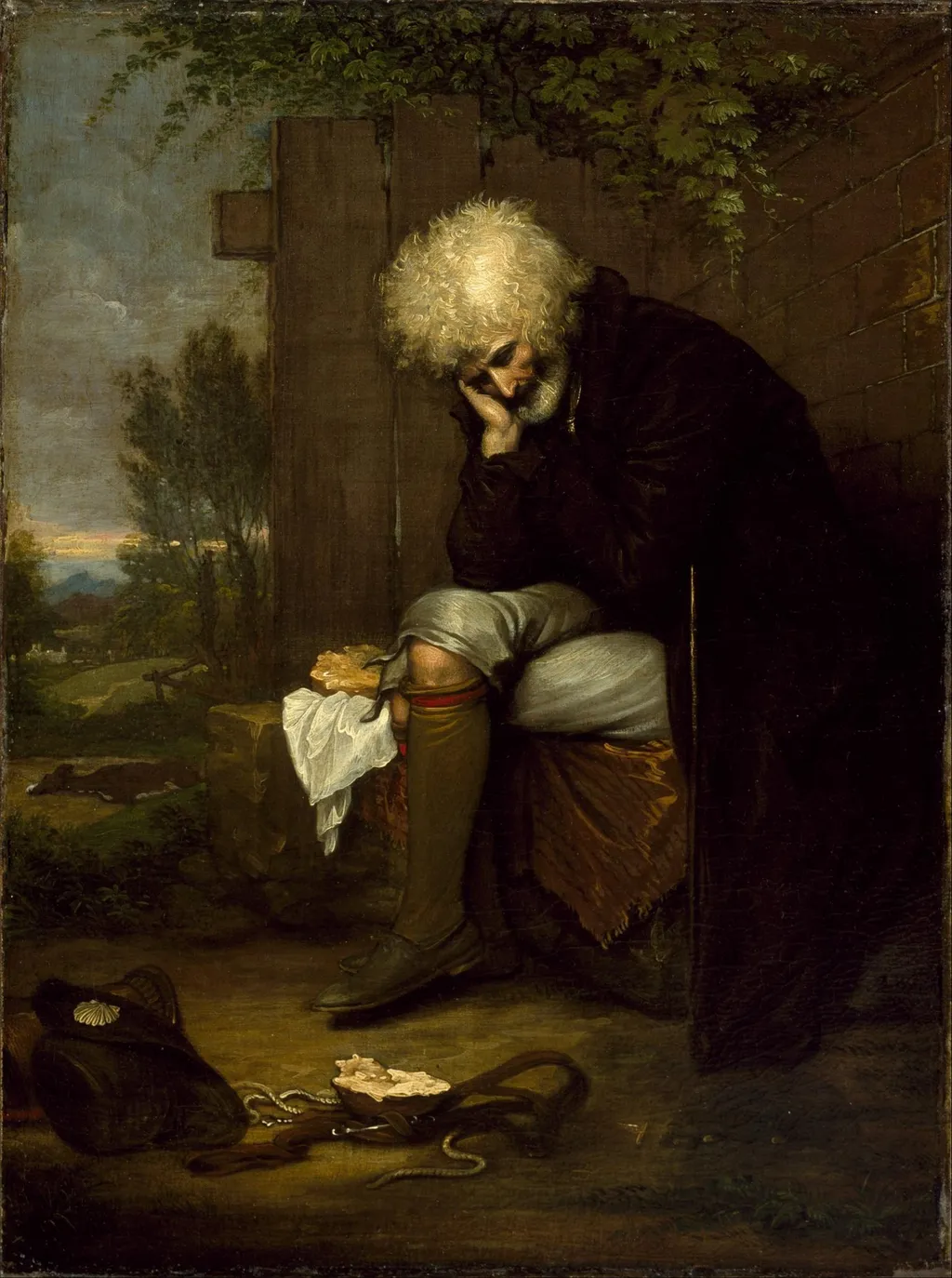
The Pilgrim Mourning His Dead Ass is an oil painting by the American Folk Art artist Benjamin West. It dates from 1800 and is held in the collection of the Museum of Fine Arts, Houston.
About this work
Overview
Painted in 1800 by Benjamin West, an American artist based in London, this work presents a solitary figure in deep sorrow beside a deceased donkey.
Painted in 1800 by Benjamin West, an American artist based in London, this work presents a solitary figure in deep sorrow beside a deceased donkey. Though West is better known for grand historical scenes, this piece stands apart in its quiet, intimate subject. Executed in oil on canvas, it reflects a departure from his usual epic themes, focusing instead on a moment of personal mourning rendered with restrained emotion and careful observation.
Subject & Meaning
The painting portrays an elderly pilgrim, bearded and clad in dark, worn clothing, seated beside the body of a donkey with a rope still around its neck. The figure’s bowed head and draped cloth suggest profound grief, not for a companion in the conventional sense, but for a creature that carried him through hardship. The scene evokes themes of endurance, loss, and the quiet dignity of labor, framing the donkey as a silent witness to the pilgrim’s journey.
Technique & Style
West employs a muted palette of grays, browns, and soft whites to reinforce the painting’s somber tone. His brushwork captures the coarse texture of the pilgrim’s coat and the coarse fur of the donkey with precision, though without theatrical flourish. The composition is deliberately sparse, isolating the figures against a hazy, overcast landscape. Light falls gently on the man’s face and the animal’s body, drawing attention to their stillness and the weight of silence.
History & Provenance
Created during West’s tenure as a leading figure in British art, this work was not commissioned or exhibited publicly in his lifetime. It remained in private hands, likely kept as a personal study or expression of sentiment. Unlike his official portraits and historical scenes, this piece was never intended for public display, suggesting it held private significance to the artist, perhaps reflecting his own reflections on mortality or solitude.
Context
While often associated with the American folk tradition, West was trained in European academic conventions and held institutional authority in London. This painting diverges from both the grandeur of his Royal Academy works and the stylized simplicity of true folk art. Its subject—mourning a working animal—resonates with rural European traditions of reverence for beasts of burden, yet its execution aligns more closely with the introspective realism emerging in early 19th-century British painting.
Legacy
Though rarely discussed in major surveys of West’s career, the painting endures as a quietly powerful anomaly in his oeuvre. It offers insight into his capacity for empathy beyond official commissions, revealing a sensitivity to the lives of the humble and the silent. Its preservation suggests a recognition of its emotional resonance, even if it never achieved public prominence during his lifetime.
Own this work as a print
Artist & collection

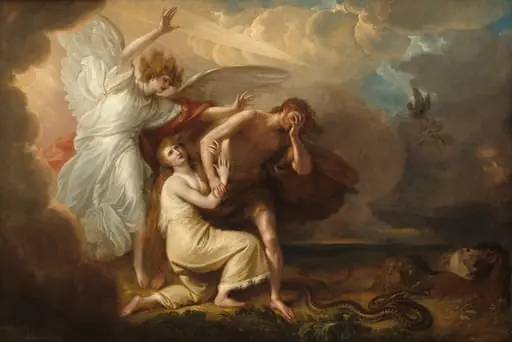 The Expulsion of Adam and Eve from Paradise
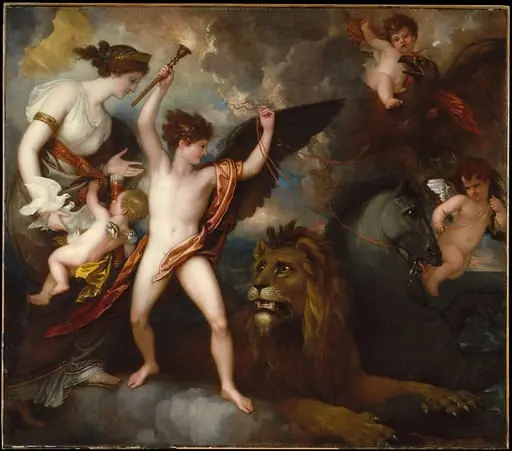 Omnia Vincit Amor, or The Power of Love in the Three Elements
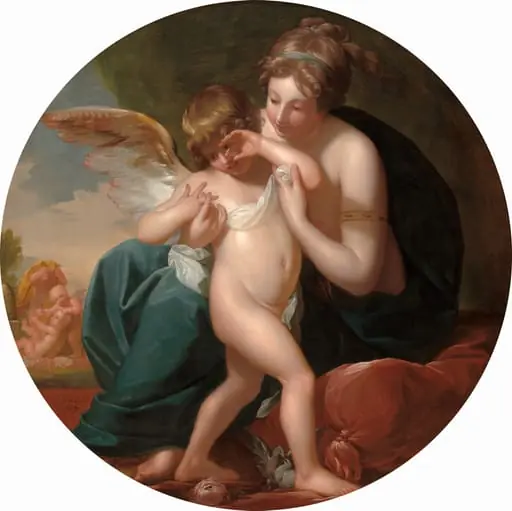 Cupid, Stung by a Bee, Is Cherished by his Mother
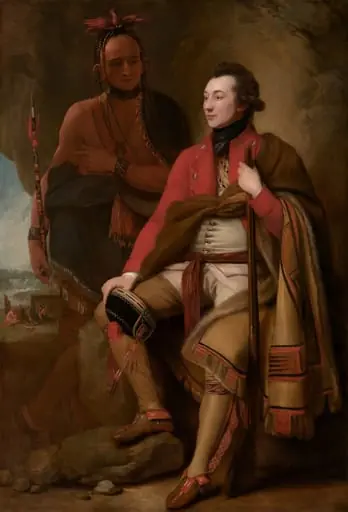 Colonel Guy Johnson and Karonghyontye (Captain David Hill)
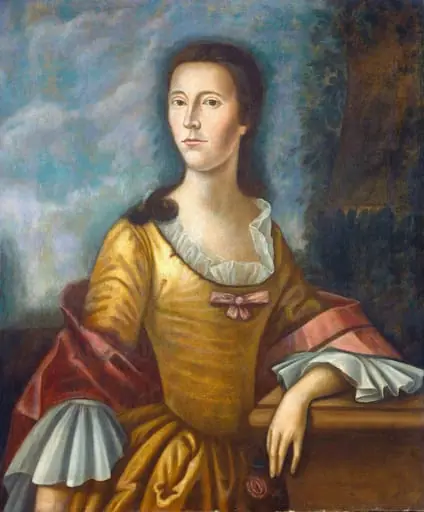 Mary Bethel Boude (Mrs. Samuel Boude)
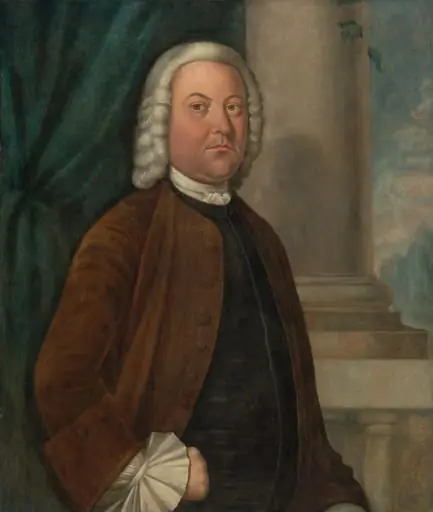 Dr. Samuel Boude
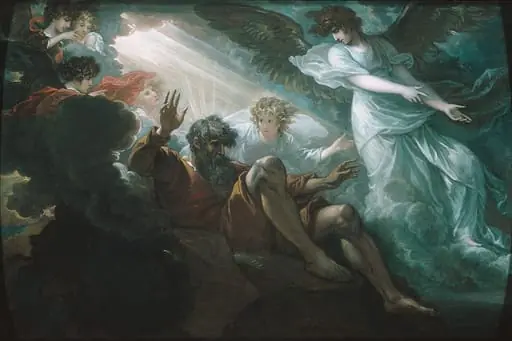 Moses Shown the Promised Land
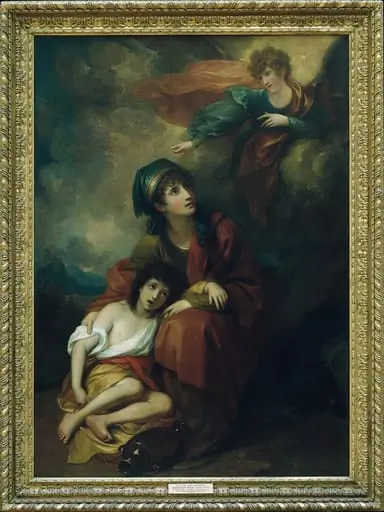 Hagar and Ishmael