Artwork
Baltimore Taken near Whetstone Point
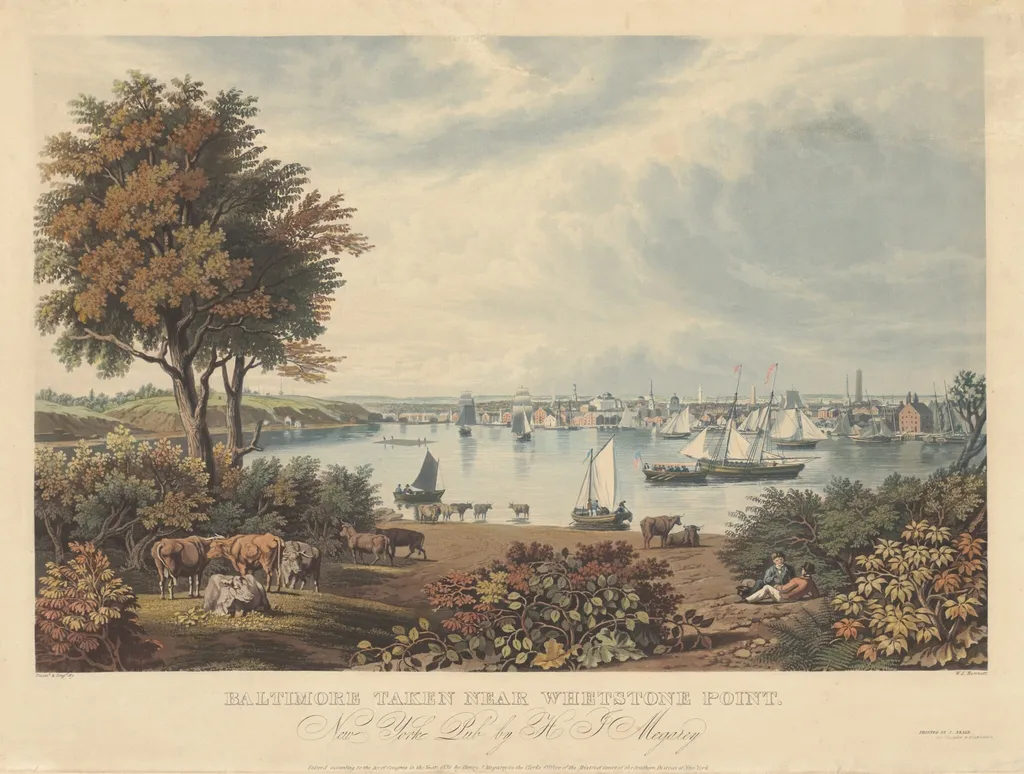
Baltimore Taken near Whetstone Point is an ink print by the Romanticist artist William James Bennett. It dates from 1831 and is held in the collection of the National Gallery of Art.
About this work
Overview
Baltimore Taken near Whetstone Point is a hand‑colored aquatint print produced in 1831 by the English‑American artist William James Bennett. Executed on laid paper, the work combines aquatint tones with selective engraving details, creating a modestly sized image that records a river scene adjacent to the growing port city of Baltimore.
Subject & Meaning
The composition depicts a tranquil river stretch where several vessels glide toward a bustling urban skyline. On the opposite bank, a solitary figure rests beside low shrubbery while cattle graze beneath a large tree displaying orange‑tinged foliage. The calm atmosphere contrasts with the implied commercial activity of the harbor, suggesting a moment of repose amid expanding trade.
Technique & Style
Bennett employed the aquatint process to achieve broad, watercolor‑like washes, then added fine lines through engraving to render precise elements such as sail folds and architectural outlines. Hand‑coloring accentuates the foliage and sky, while the laid‑paper texture contributes subtle tonal variation, illustrating the artist’s skill in merging printmaking methods for a nuanced visual effect.
History & Provenance
Created shortly after Bennett’s relocation to the United States, the print reflects his interest in documenting American urban growth. It was likely issued as part of a series of views intended for collectors and travelers interested in the emerging port of Baltimore. The work has since entered public collections, serving as a visual record of early 19th‑century maritime commerce.
Artist & collection

Artist
William James Bennett (1787−1844), was a British-born painter and engraver, active in the United States from 1816.

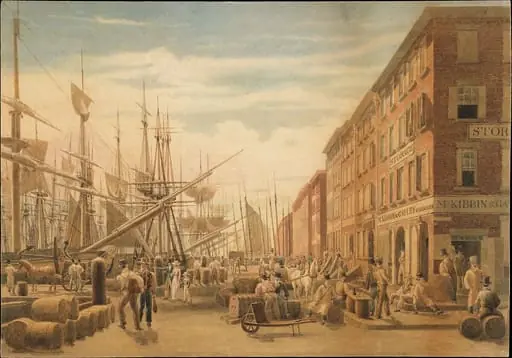 View of South Street, from Maiden Lane, New York City
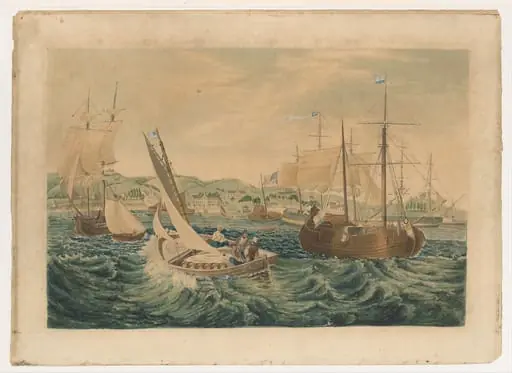 Quarantine, Staten Island
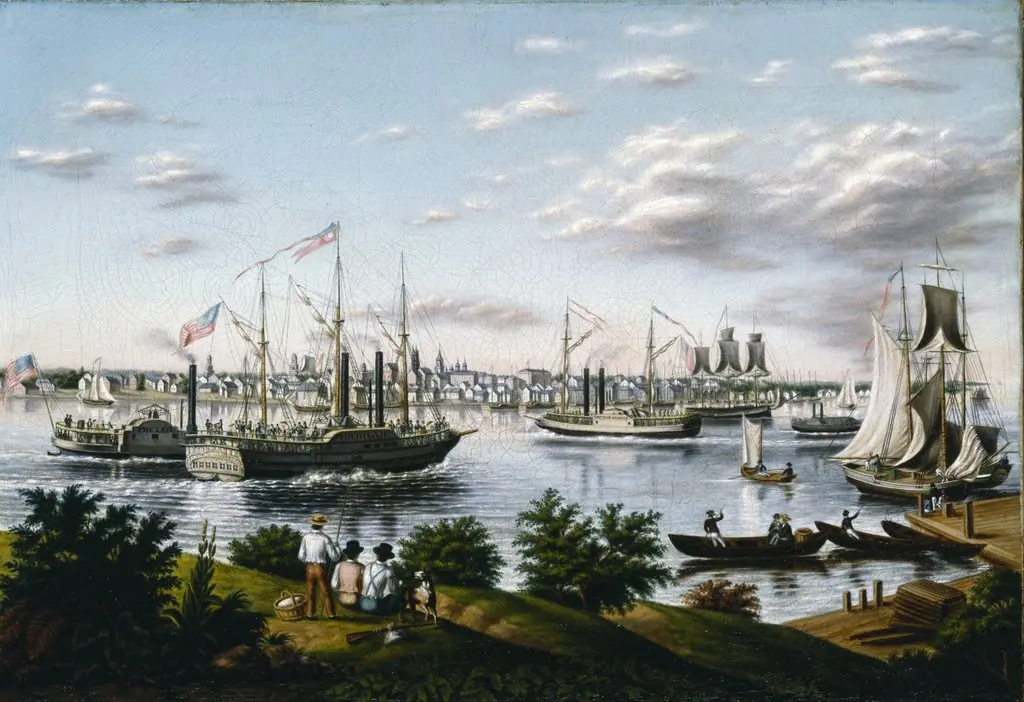 View of Detroit in 1836
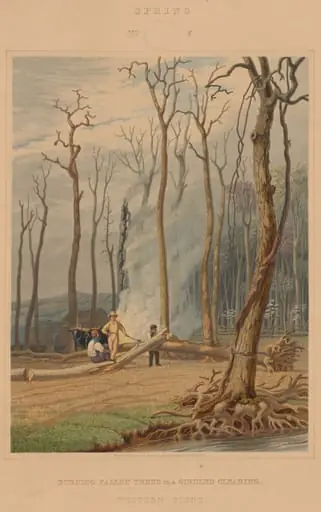 Spring--Burning Fallen Trees in a Girdled Clearing. Western Scene
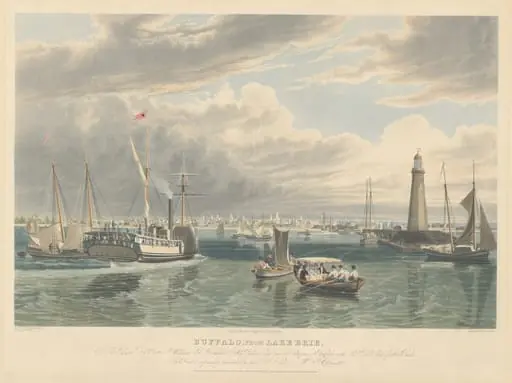 Buffalo, from Lake Erie
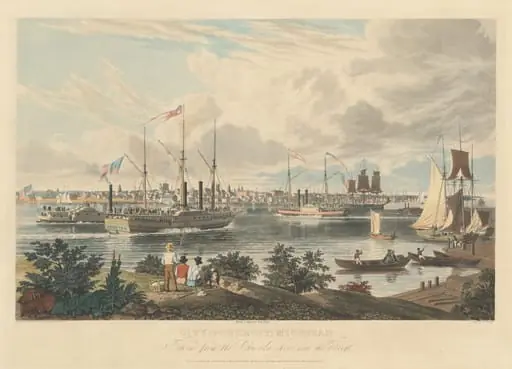 City of Detroit, Michigan: Taken from the Canada Shore near the Ferry
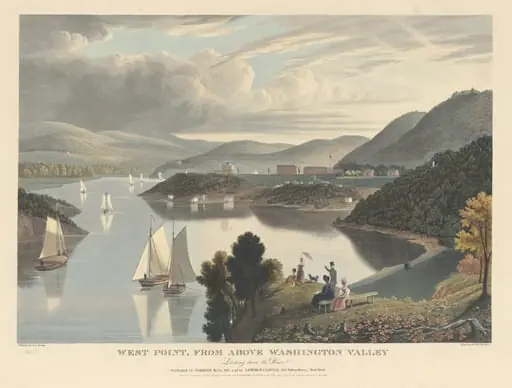 West Point, from above Washington Valley: Looking down the River
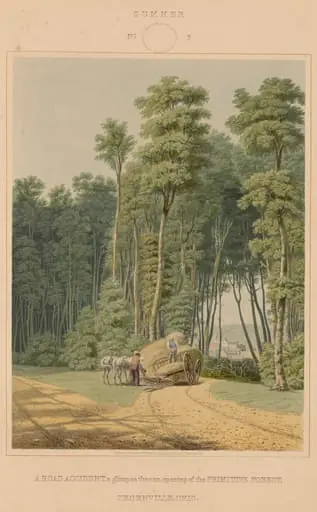 Summer--A Road Accident. A glimpse thro' an opening of the Primitive Forest. Thornville, Ohio
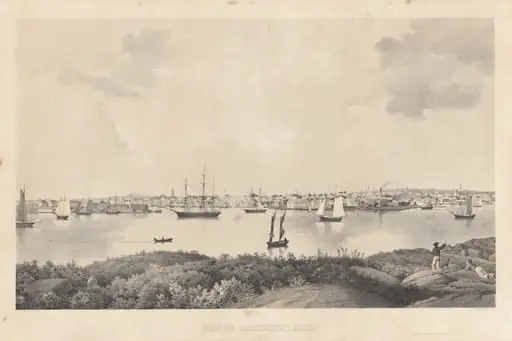 View of Gloucester, Mass.
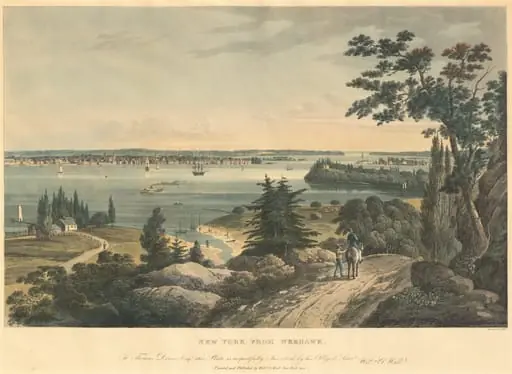 New York from Weehawk
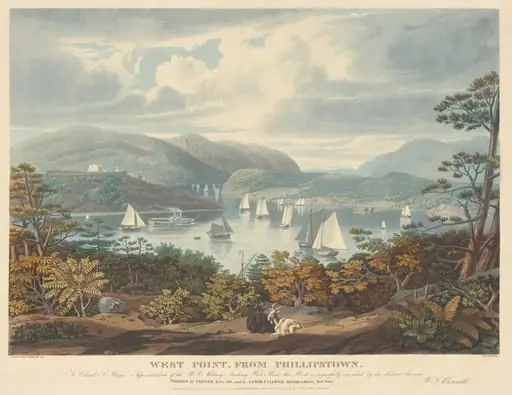 West Point, from Phillipstown
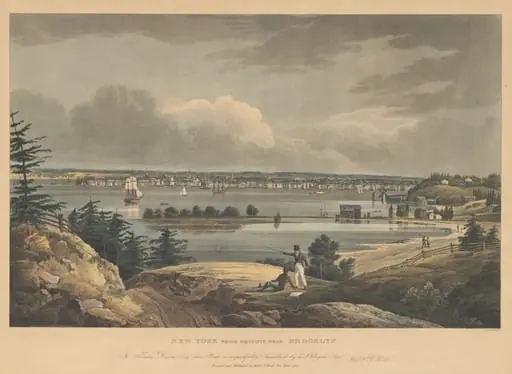 New York from Heights near Brooklyn
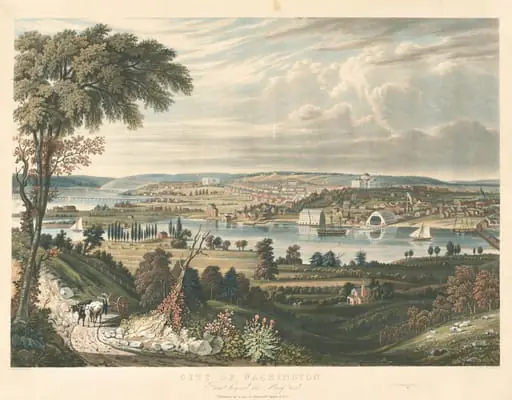 City of Washington: From beyond the Navy Yards
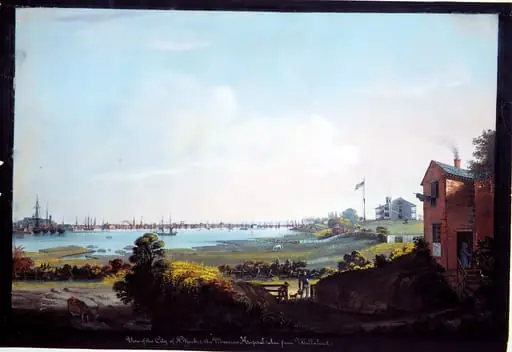 View of the City of New York and the Marine Hospital Taken from Wallabout
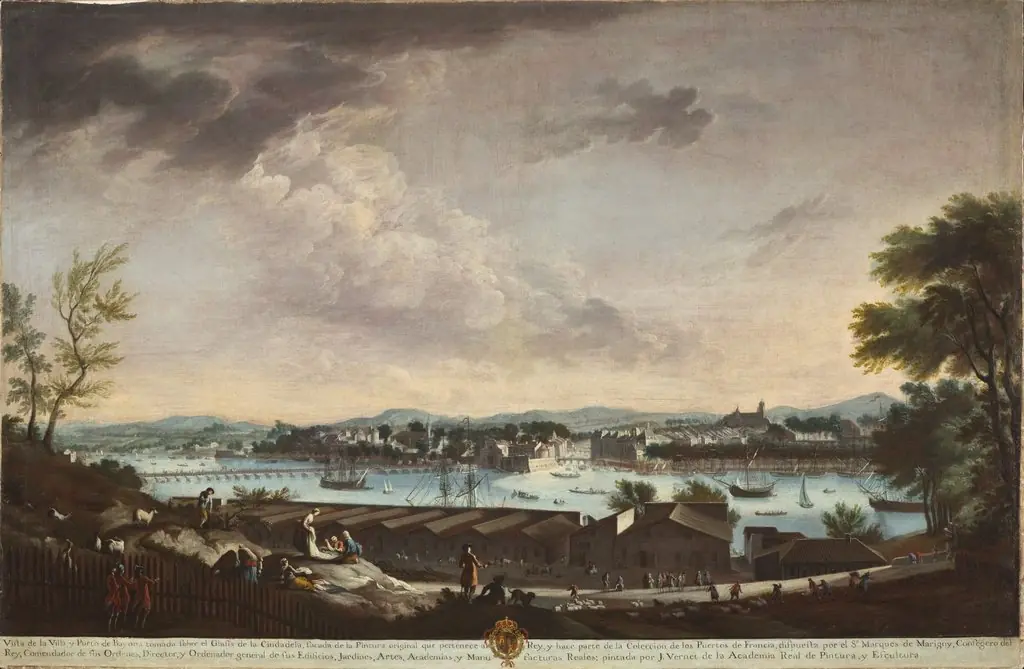 View of the Town and Port of Bayonne (La villa y puerto de Bayona)
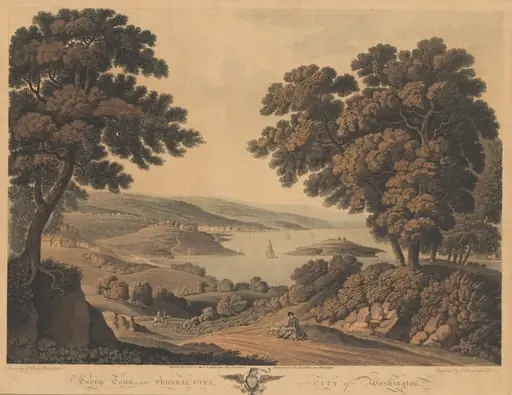 Georgetown and Federal City or City of Washington