Artwork
Christ in Limbo
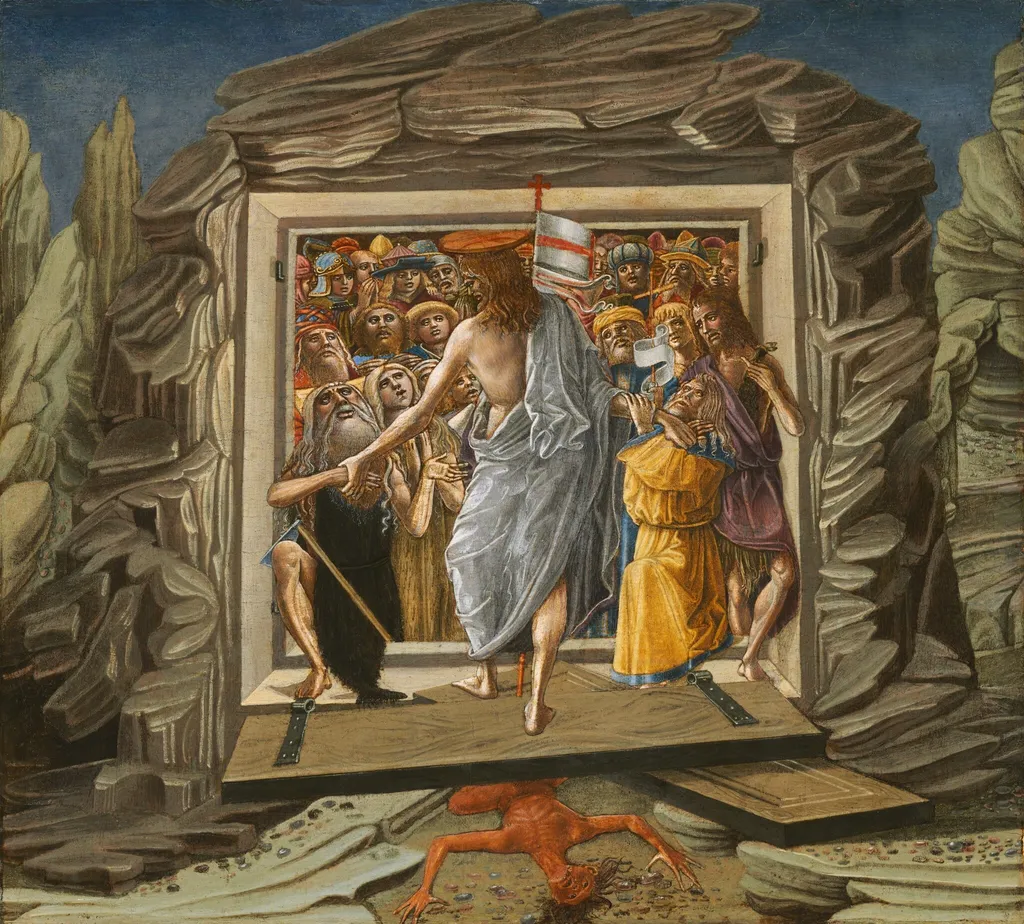
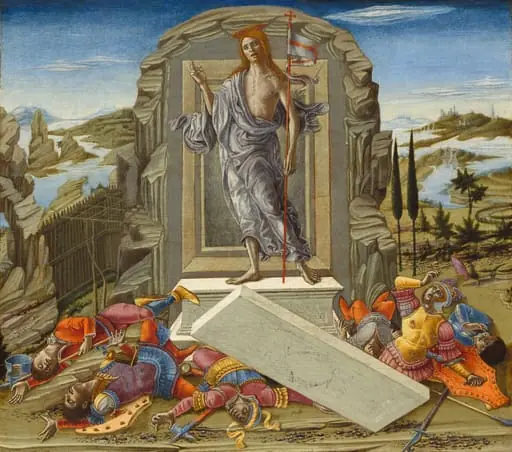
Christ in Limbo is a tempera painting by the Early Renaissance artist Benvenuto di Giovanni. It dates from 1491 and is held in the collection of the National Gallery of Art.
About this work
Overview
Benvenuto di Giovanni's Christ in Limbo, created around 1491, is an early Renaissance tempera painting on panel. This religious composition by the Sienese artist illustrates a significant moment in Christian theology: Christ's descent into Limbo. The work exemplifies the artistic conventions of its era, presenting a detailed narrative scene with characteristic precision and devotional focus.
Subject & Meaning
This depiction visually interprets the theological concept of Christ liberating the souls of the righteous who awaited salvation before his resurrection.
The painting portrays Christ's arrival in Limbo, a common theme in late medieval and early Renaissance Christian art. Within a rocky cavern, a central robed figure, identifiable as Christ, stands prominently. He is surrounded by a group of figures in varied attire, some appearing surprised or concerned, while one figure lies prostrate on the ground. This depiction visually interprets the theological concept of Christ liberating the souls of the righteous who awaited salvation before his resurrection.
Technique & Style
Executed in tempera on panel, the artwork showcases the medium's capacity for vibrant, lasting color and fine detail. Benvenuto di Giovanni employed flat color application and distinct, sharp outlines, a stylistic approach prevalent during the early Renaissance. The composition features an internal framing device, presenting the scene almost as a window into a separate realm, which enhances the narrative's dramatic impact and focus.
Context
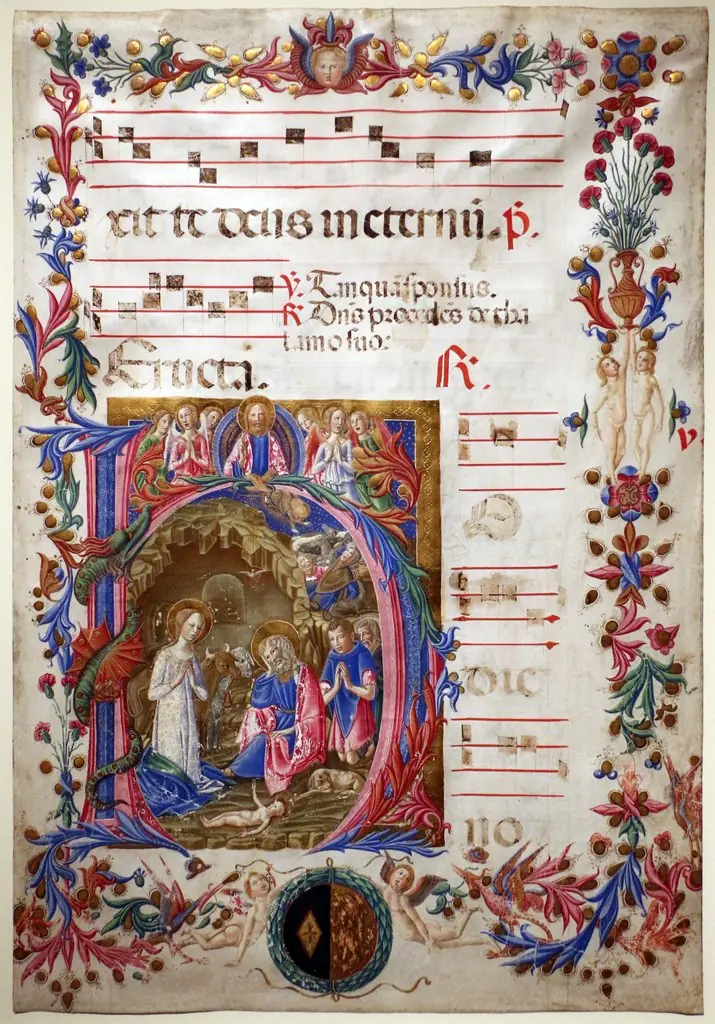
Benvenuto di Giovanni, a Sienese painter active from the mid-15th century until the early 16th century, contributed significantly to the artistic landscape of his time. Beyond panel paintings, he was known for his work in choral miniatures, pavement designs, and frescoes. His artistic approach underwent a noticeable evolution during the 1480s, reflecting broader stylistic developments within the early Renaissance period in Siena.
Artist & collection

Artist
Benvenuto di Giovanni, also known as Benvenuto di Giovanni di Meo del Guasta (13 September 1436 – c.