Artwork
The Seven Sorrows of Mary
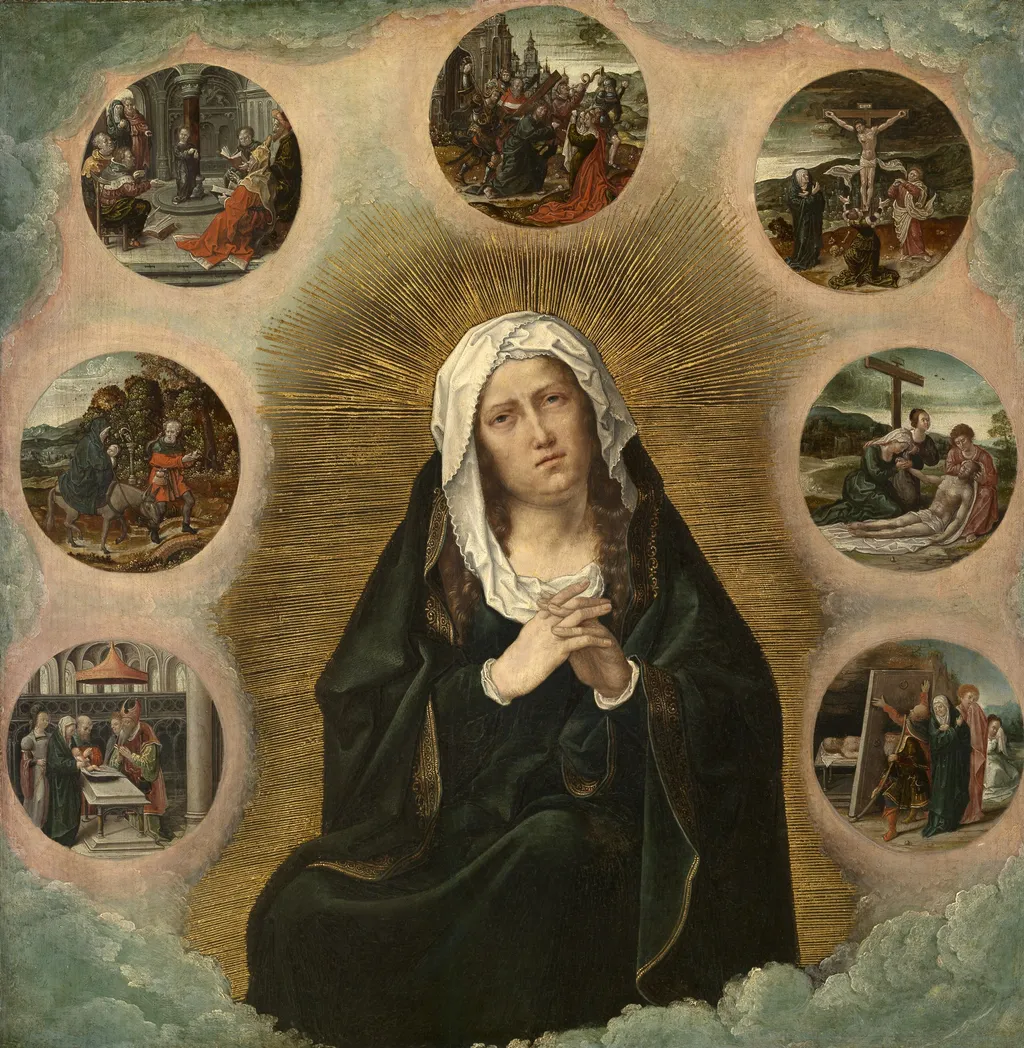
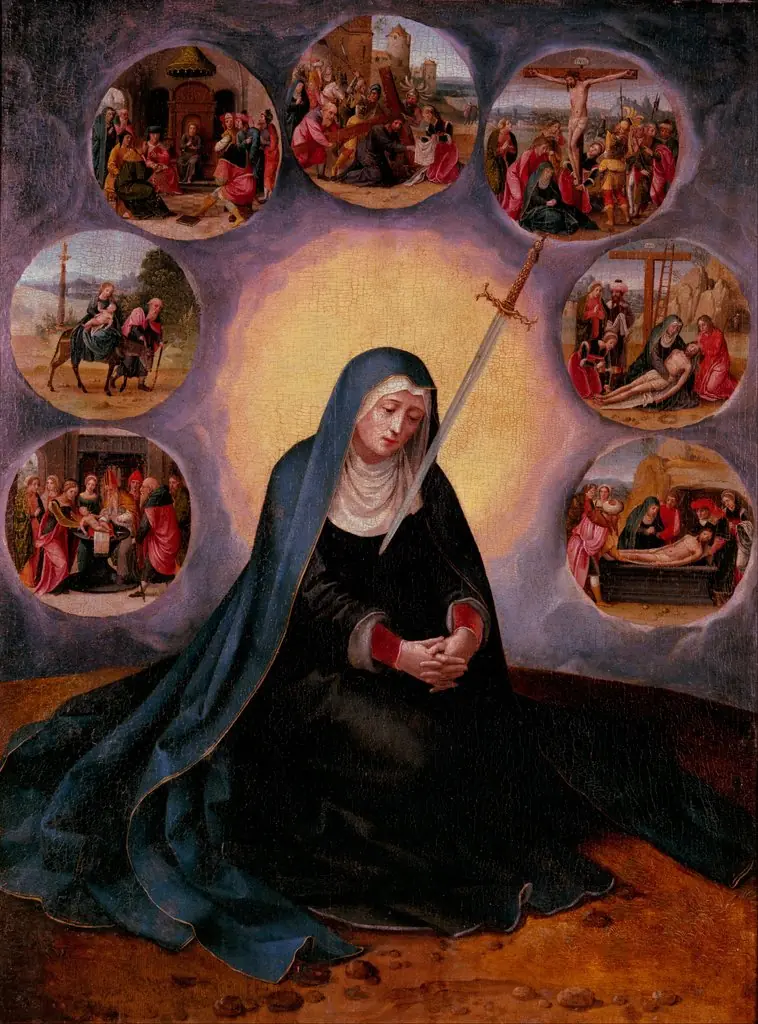
The Seven Sorrows of Mary is an oil painting by the Early Baroque Italian artist Bernard Van Orley. It dates from 1526 and is held in the collection of the Royal Museum of Fine Arts Antwerp.
About this work
Overview
The painting remains in the collection of the Royal Museum of Fine Arts Antwerp.
Painted in 1526 by Bernard van Orley, this oil-on-panel work presents the Virgin Mary as the central figure surrounded by seven narrative scenes depicting her sorrows. Van Orley, based in Brussels, synthesized Italian Renaissance ideals with Northern European detail, creating a devotional image intended for private contemplation. The painting remains in the collection of the Royal Museum of Fine Arts Antwerp.
Subject & Meaning
The painting illustrates the seven traditional sorrows of the Virgin Mary, each represented in a small circular panel encircling her. These include the prophecy of Simeon, the flight into Egypt, the loss of Jesus in the Temple, and the Crucifixion. Mary, depicted in quiet grief with clasped hands and a halo, serves as a model of steadfast faith amid suffering, reinforcing Marian devotion in early 16th-century Catholic piety.
Technique & Style
Van Orley employed oil paint with meticulous detail, characteristic of Northern Renaissance practice. The central figure is rendered with soft modeling and rich textures, while the surrounding scenes use compact, clear compositions. Despite never visiting Italy, he absorbed Italian compositional harmony and idealized form, particularly from Raphael, blending them with Flemish precision in facial expression and landscape elements.
History & Provenance
Commissioned during the height of van Orley’s career, the painting reflects the religious and artistic climate of the Habsburg Netherlands. It remained in ecclesiastical or private collections in the Low Countries before entering the Royal Museum of Fine Arts Antwerp’s holdings. Its survival through centuries of religious upheaval underscores its enduring significance as a devotional object.
Context
Created during the early Reformation, the painting responds to a growing demand for personal, emotional religious imagery. Van Orley’s Romanist approach—adopting Italianate structure without direct exposure to Italy—was common among Northern artists seeking to elevate their work through classical ideals. The Seven Sorrows theme was especially popular in Catholic regions as a counter to Protestant simplifications of Marian devotion.
Legacy
Van Orley’s synthesis of Northern and Italian styles influenced later Flemish painters, helping bridge regional traditions with broader European trends. While not widely reproduced, this work exemplifies how religious iconography evolved in response to theological currents. Its preservation in Antwerp ensures continued study of how visual narrative and spiritual contemplation intersected in early 16th-century art.
Artist & collection
Artist
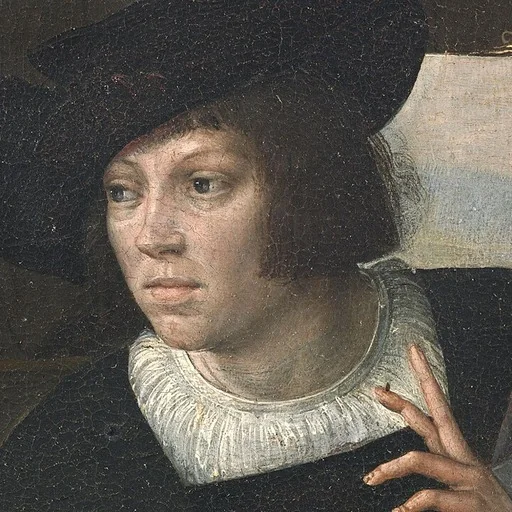
Bernard van Orley (between 1487 and 1491 – 6 January 1541), also called Barend or Barent van Orley, Bernaert van Orley or Barend van Brussel, was a versatile Flemish artist and representative of Dutch and Flemish…

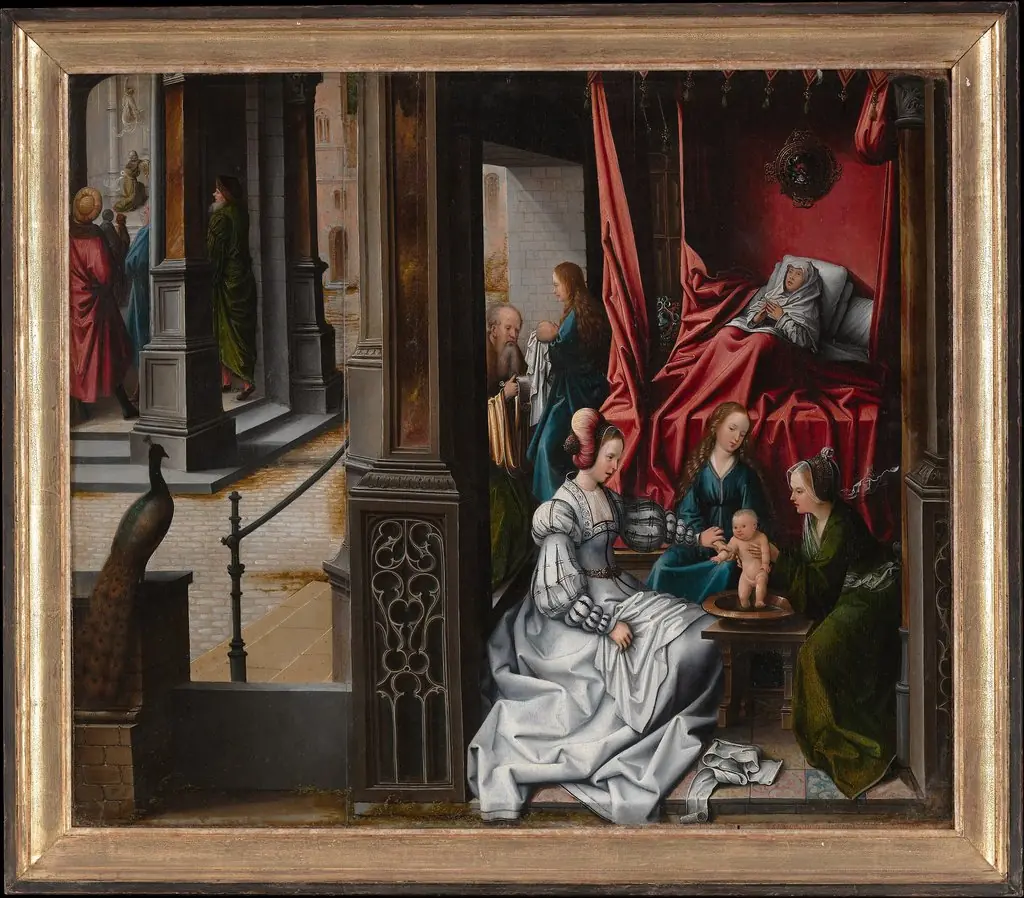 The Birth and Naming of Saint John the Baptist; (reverse) Trompe-l'oeil with Painting of The Man of Sorrows
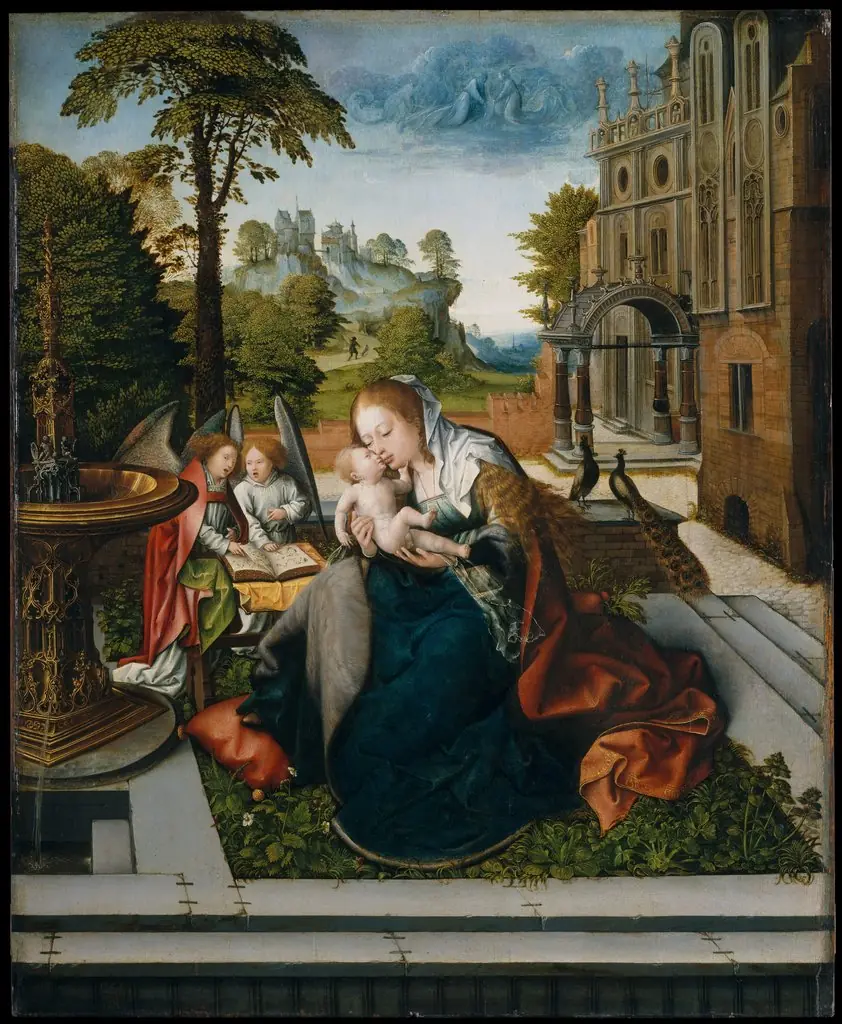 Virgin and Child with Angels
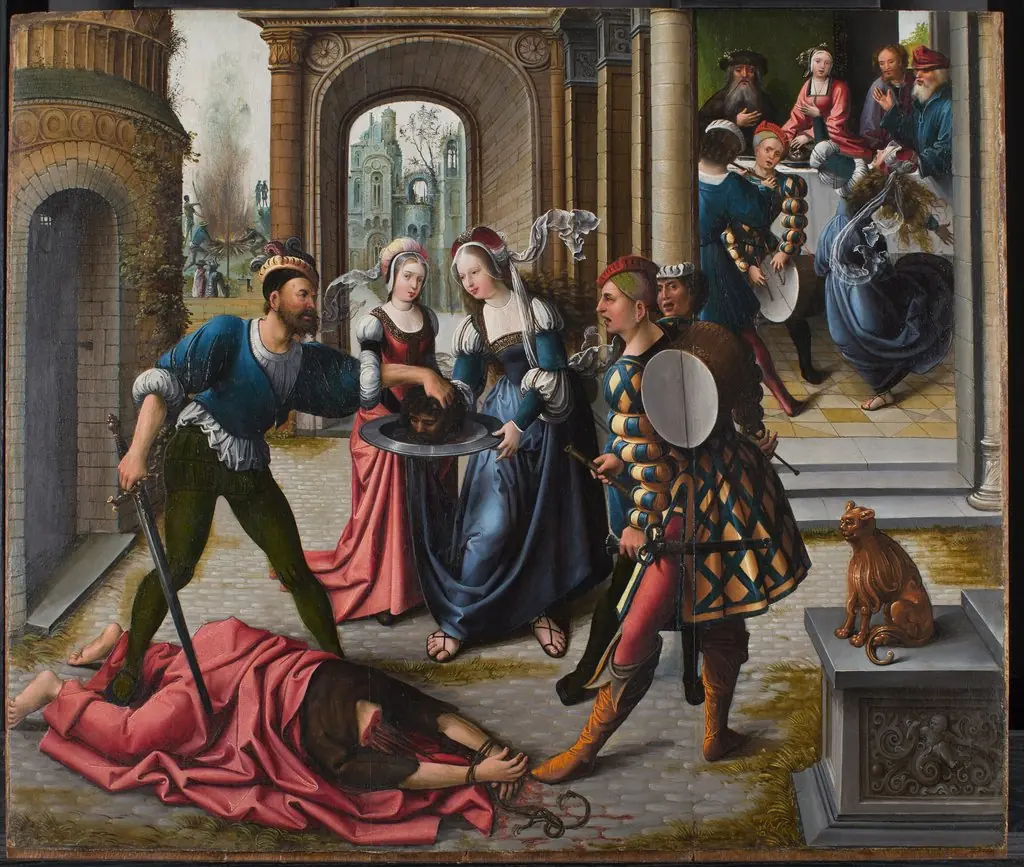 The Martyrdom of Saint John the Baptist
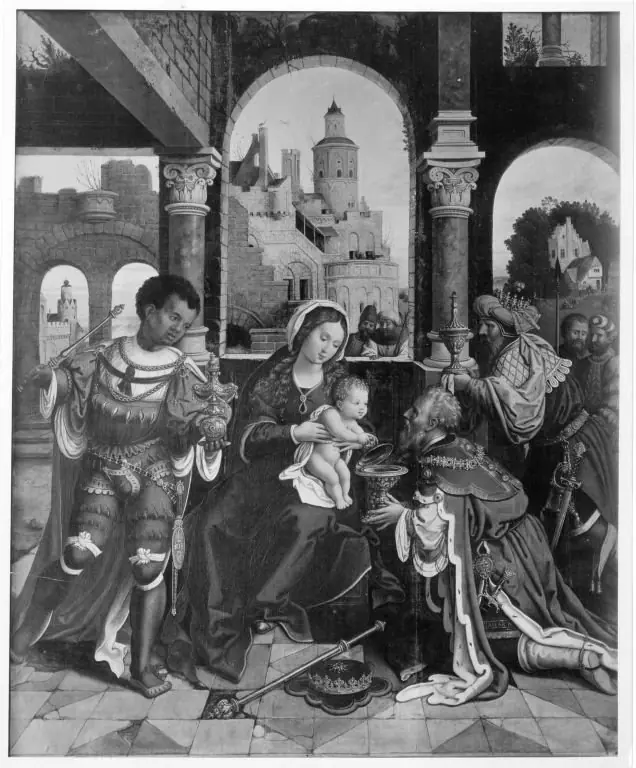 The Adoration of the Magi
![Christ among the Doctors [obverse], by Bernard Van Orley](https://artifactworldgallery.com/img/bernard-van-orley--christ-among-the-doctors-obverse--78795f311364e613-w320.webp) Christ among the Doctors [obverse]
Christ among the Doctors [obverse]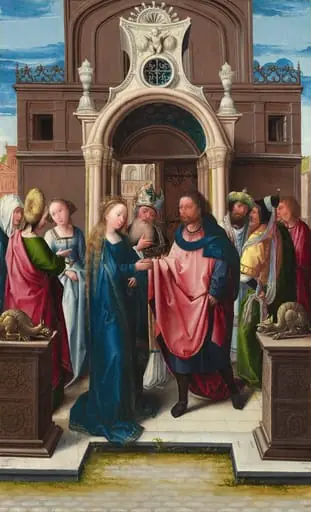 The Marriage of the Virgin
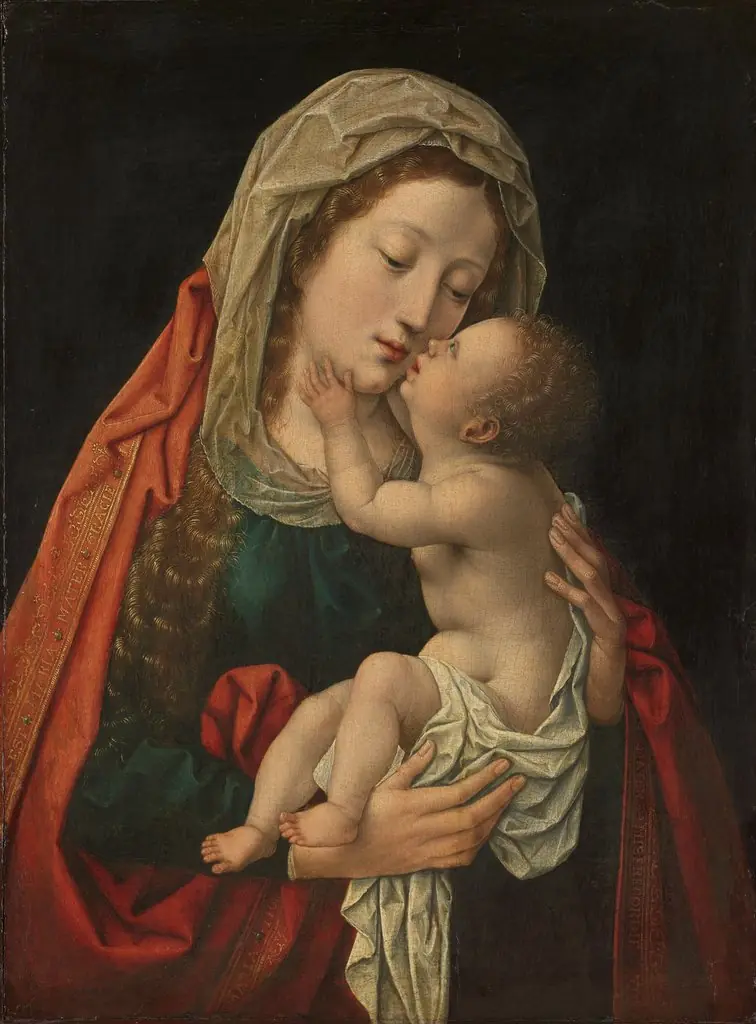 The Virgin and Child
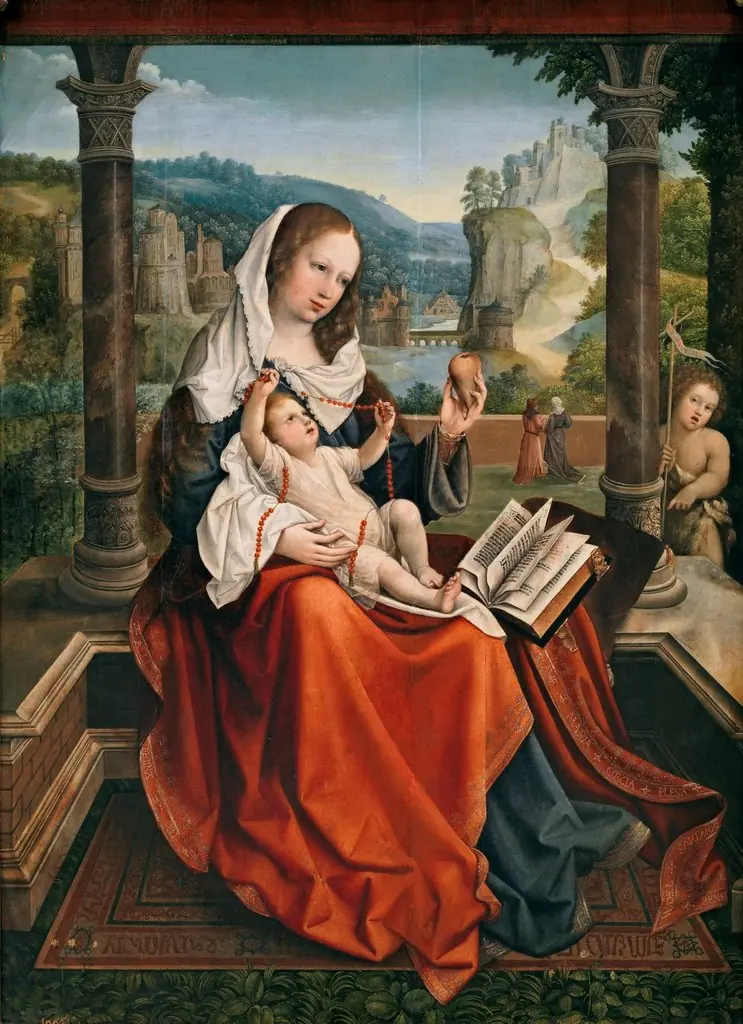 The Virgin and Child with the Infant Saint John the Baptist