Artwork
Madonna and Child
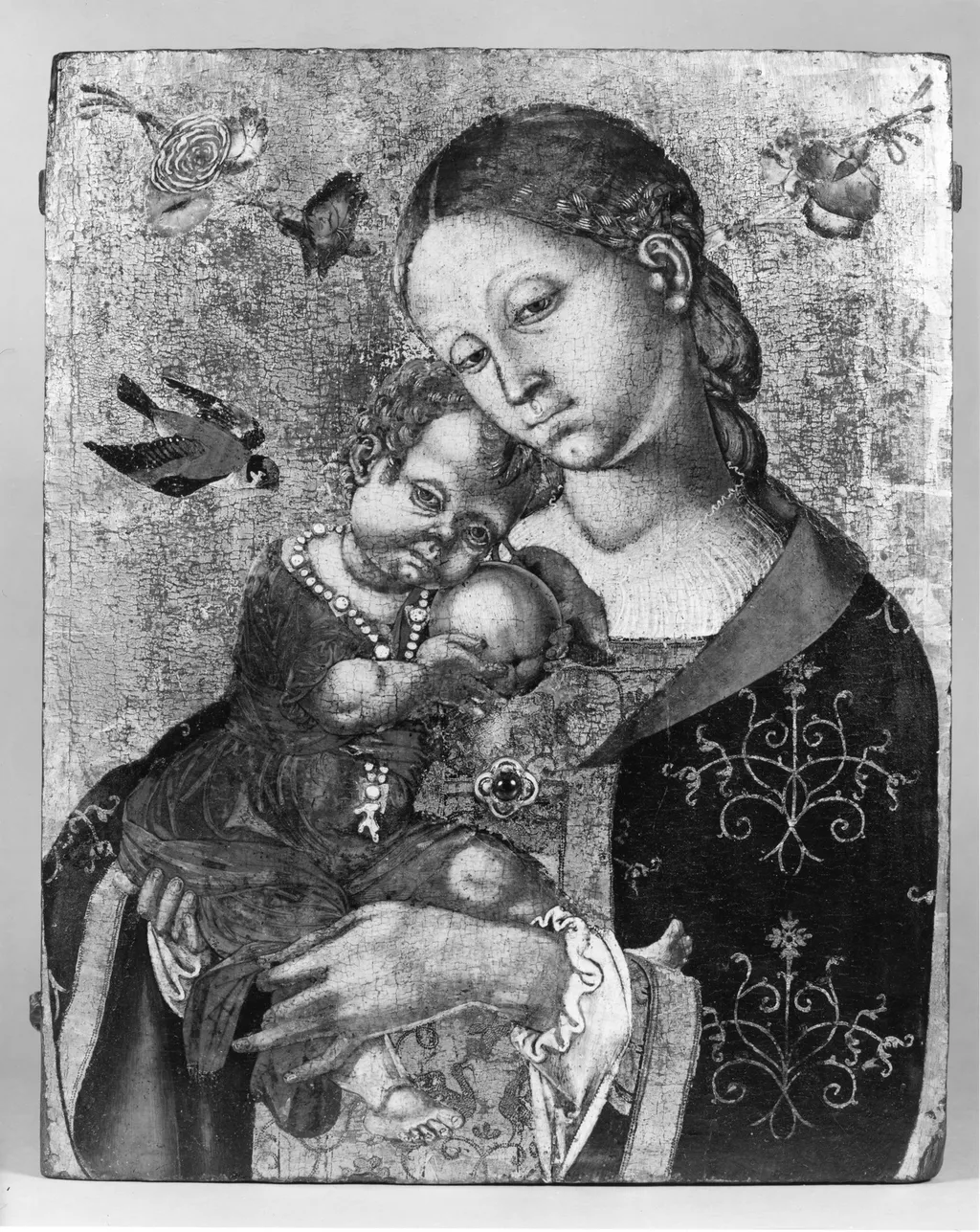
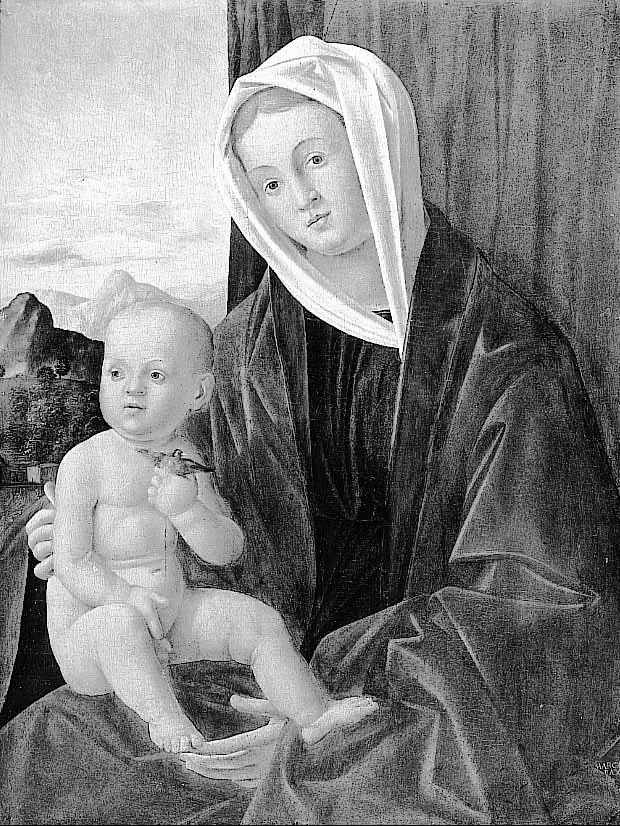
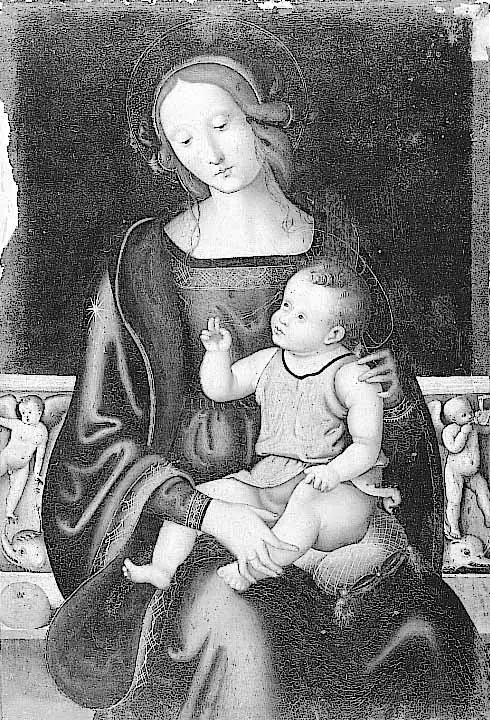
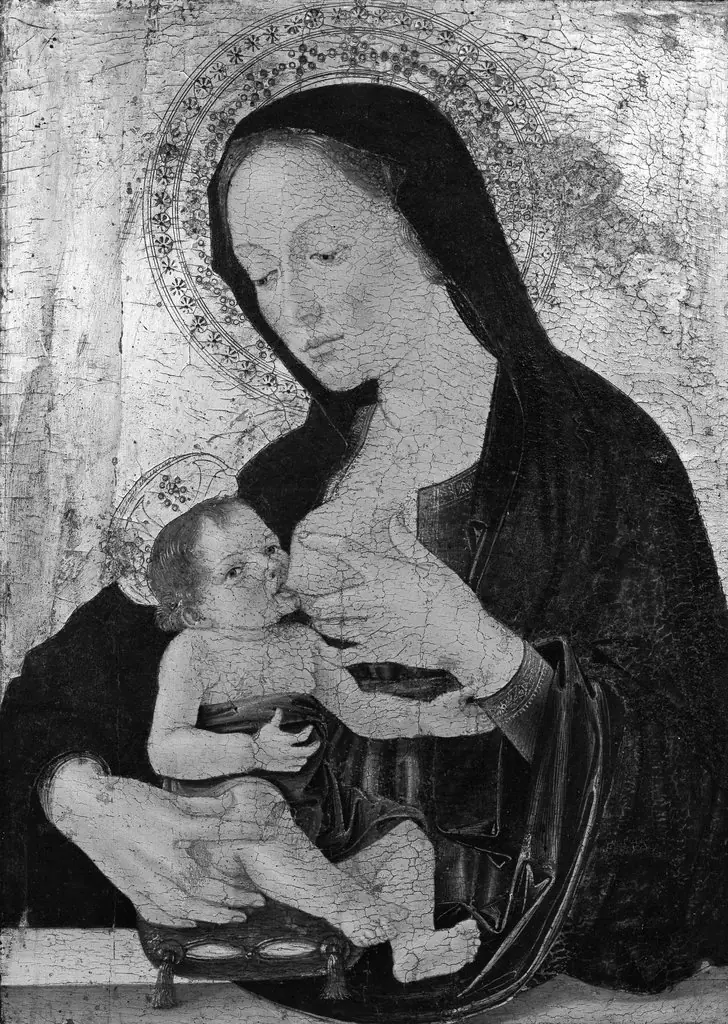
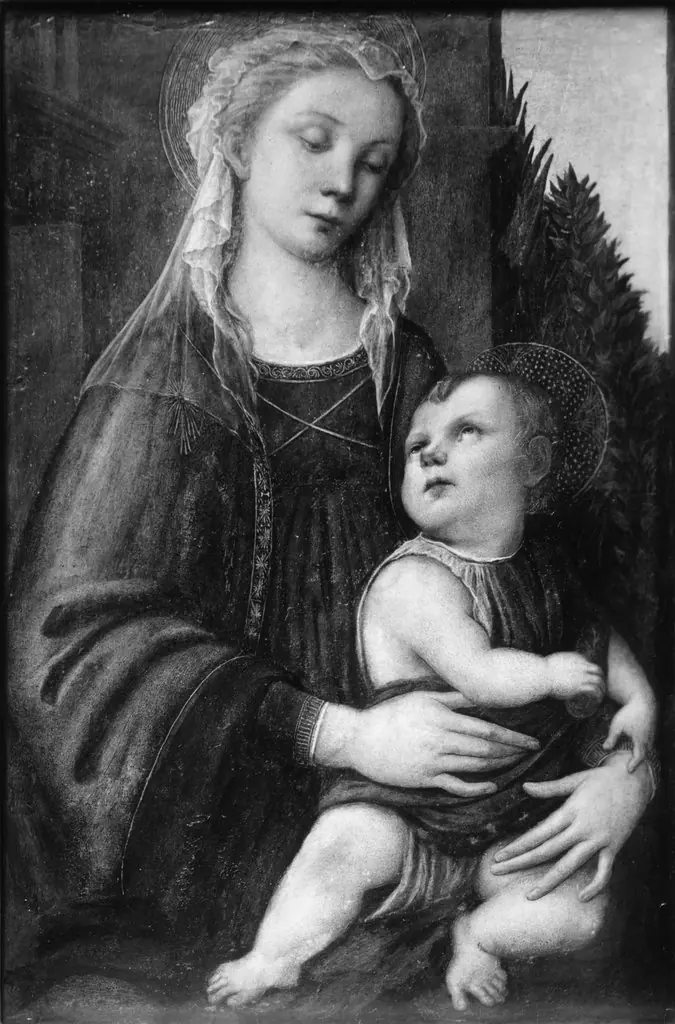
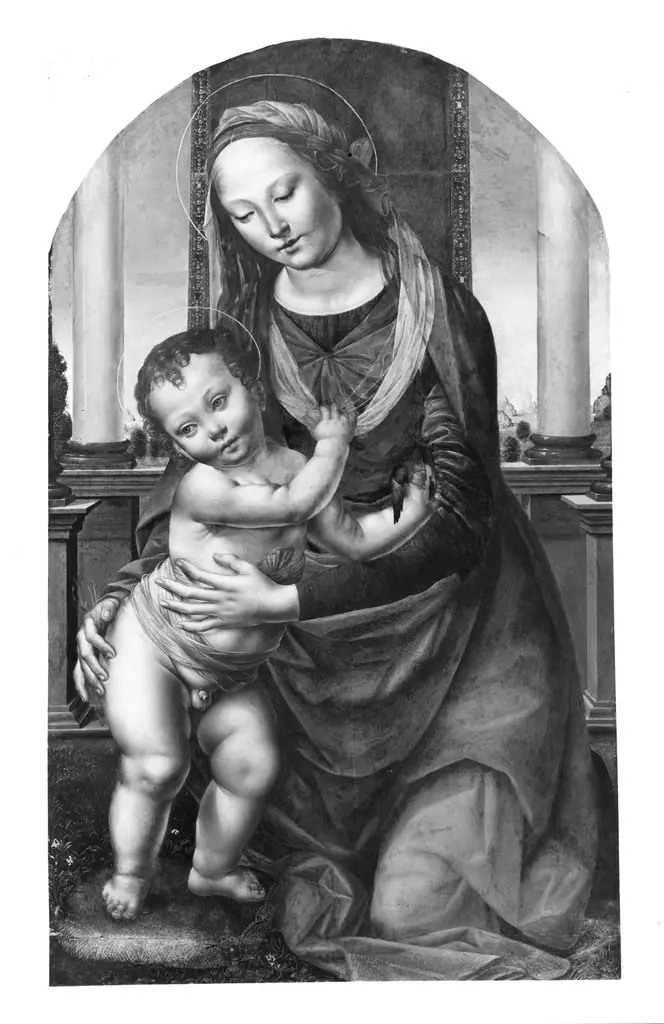
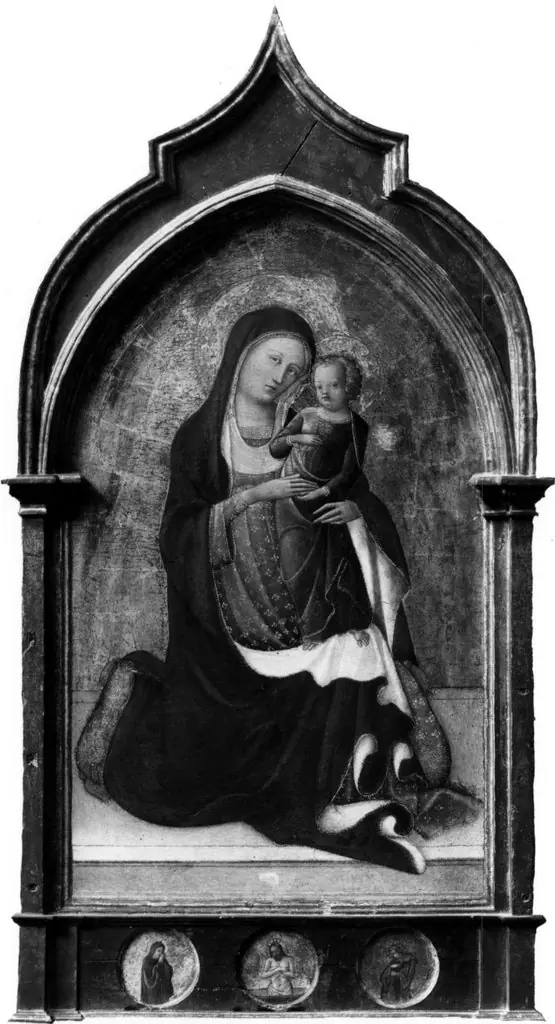
Madonna and Child is an oil painting by Bernardino di Mariotto. It dates from 1510 and is held in the collection of the Walters Art Museum.
About this work
Overview
Bernardino di Mariotto, an artist from Perugia active in the early 16th century, completed this oil painting in 1510.
Bernardino di Mariotto, an artist from Perugia active in the early 16th century, completed this oil painting in 1510. It portrays the Virgin Mary and the infant Jesus in a quiet, intimate moment. The work is part of the Walters Art Museum’s collection and reflects the devotional traditions of Italian Renaissance painting, emphasizing spiritual tenderness through restrained composition and careful observation.
Subject & Meaning
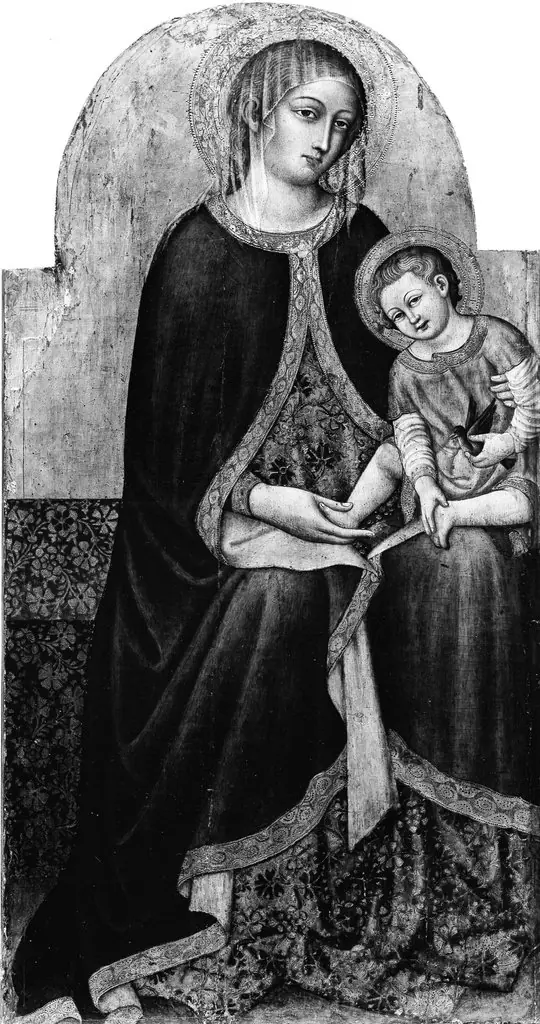
The Virgin holds the Christ Child, who grasps an apple and a small bird—symbols of earthly temptation and the soul, respectively. The apple alludes to the Fall of Man, while the bird suggests divine presence or the soul’s flight toward salvation. Their interaction conveys both maternal care and theological significance, framing the Child as both human and sacred. The surrounding birds reinforce a sense of life and divine order.
Technique & Style
Oil paint allows for subtle gradations of tone and fine detail, particularly in the textures of fabric and feathers. Chiaroscuro models the figures with soft light, giving them volume and presence against a pale background. The Madonna’s dark robe, adorned with intricate white embroidery, contrasts with the Child’s similarly dark garments, focusing attention on their faces and hands. Delicate brushwork captures the flutter of birds and the sheen of pearls.
History & Provenance
Created in 1510, the painting entered the Walters Art Museum’s collection through its founding bequest in the late 19th century. Its early provenance is not fully documented, but its style aligns with Umbrian workshop practices of the period. It likely served a private devotional purpose before becoming part of a broader collection of Renaissance religious art.
Context
In early 16th-century Italy, devotional images of the Madonna and Child were common in both public and private settings. Bernardino di Mariotto worked within the Umbrian tradition, influenced by Perugino and early Raphael. This painting reflects a shift toward naturalism and emotional nuance, moving beyond rigid iconography toward more humanized sacred figures, characteristic of the High Renaissance in central Italy.
Legacy
Though not widely known today, the painting exemplifies the quiet refinement of regional Renaissance workshops outside Florence or Rome. Its attention to symbolic detail and emotional subtlety contributes to understanding the diversity of devotional art in early 16th-century Italy. It remains a testament to the enduring appeal of intimate religious imagery in a period of broader artistic innovation.
Artist & collection
Artist
Bernardino Di Mariotto dello Stagno (Perugia, circa 1478 - Perugia, 1566) was an Italian painter of the Renaissance period.