Artwork
Der Doge Francesco Erizzo (1566-1646)
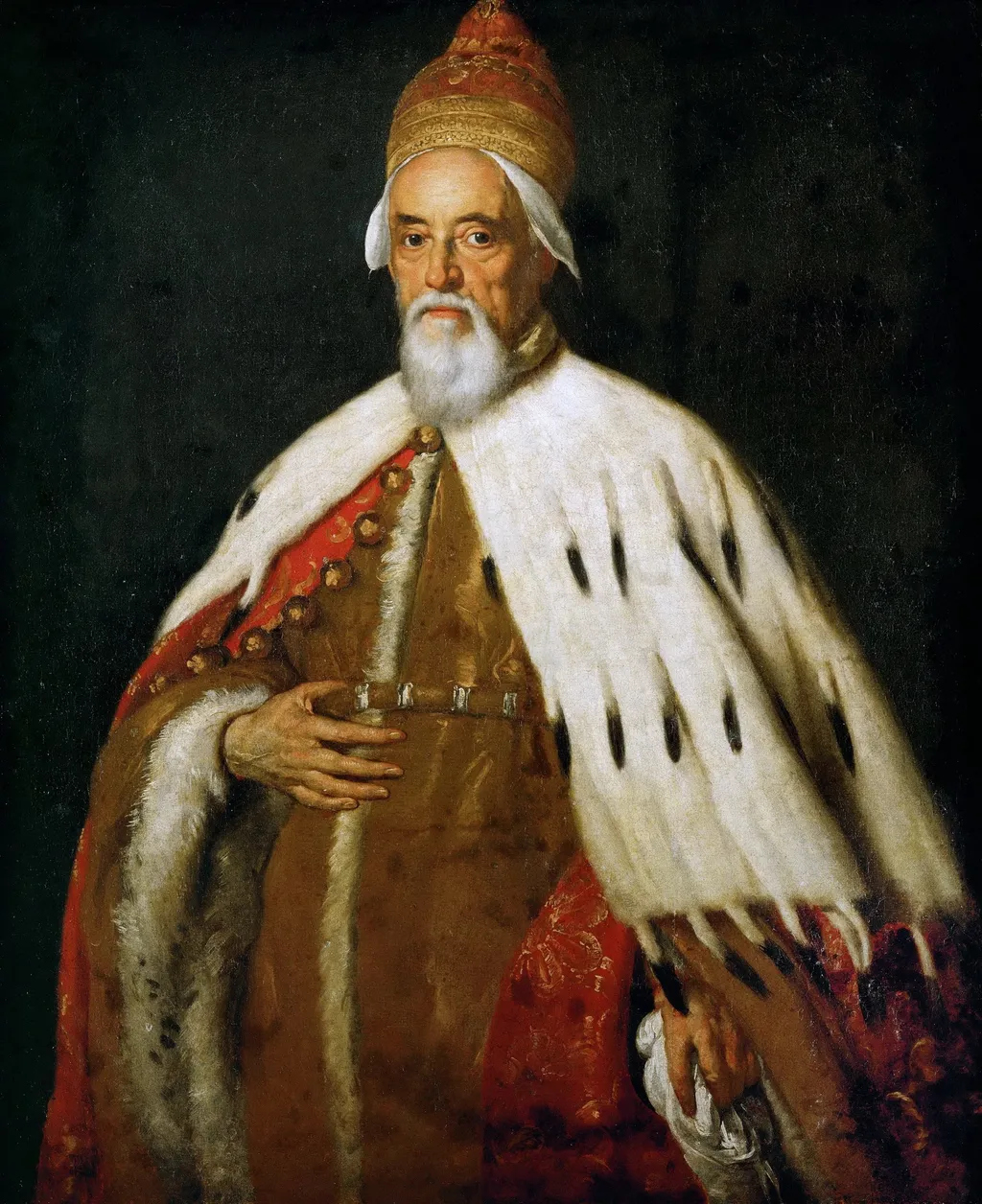
Der Doge Francesco Erizzo (1566-1646) is an oil painting by the Early Baroque Italian artist Bernardo Strozzi. It dates from 1631 and is held in the collection of the Kunsthistorisches Museum.
About this work
Overview
The painting is part of the Kunsthistorisches Museum’s collection, reflecting its significance in the visual documentation of Venetian leadership.
Painted in 1631 by Bernardo Strozzi, this oil portrait captures Francesco Erizzo, the Doge of Venice, shortly after his election. Strozzi, known for his work in both Genoa and Venice, brought a tactile realism to Venetian portraiture during the early Baroque period. The painting is part of the Kunsthistorisches Museum’s collection, reflecting its significance in the visual documentation of Venetian leadership.
Subject & Meaning
Francesco Erizzo, who served as Doge from 1631 until his death in 1646, is portrayed with solemn dignity, his clasped hands suggesting contemplation and authority. His attire—white fur, gold chain, and the distinctive red corno ducale—marks his political role within Venice’s ceremonial hierarchy. The absence of symbolic objects or elaborate settings focuses attention on his presence, emphasizing the weight of office over personal embellishment.
Technique & Style
Strozzi employs chiaroscuro to model the Doge’s form with dramatic precision, using strong contrasts between light and shadow to define the texture of fur, silk, and skin. The brushwork is both refined and expressive, capturing the sheen of metallic threads and the softness of wool without overt flourish. The dark, neutral background isolates the figure, heightening the three-dimensionality achieved through careful tonal gradation.
History & Provenance
Commissioned soon after Erizzo’s ascension to the Doge’s throne, the portrait was likely intended for official display within Venetian institutions. It entered the Kunsthistorisches Museum’s collection through Habsburg acquisitions, possibly as part of broader 17th- and 18th-century efforts to assemble a comprehensive record of European rulers. Its preservation reflects its status as a document of state identity rather than private patronage.
Context
In early 17th-century Venice, portraiture served political and institutional functions, reinforcing the legitimacy of leaders through visual permanence. Strozzi’s style, influenced by Caravaggio’s naturalism and Venetian colorism, diverged from the more rigid conventions of earlier Renaissance portraiture. This work aligns with a broader trend of portraying rulers with psychological depth and physical presence, rather than idealized grandeur.
Legacy
Strozzi’s portrait of Erizzo exemplifies the transition from Mannerist formality to Baroque immediacy in Venetian art. While not widely reproduced, it remains a key reference for understanding how civic authority was visually constructed during a period of political complexity. Its restrained composition and technical mastery continue to inform studies of Baroque portraiture in the Adriatic region.
Own this work as a print
Artist & collection
Artist
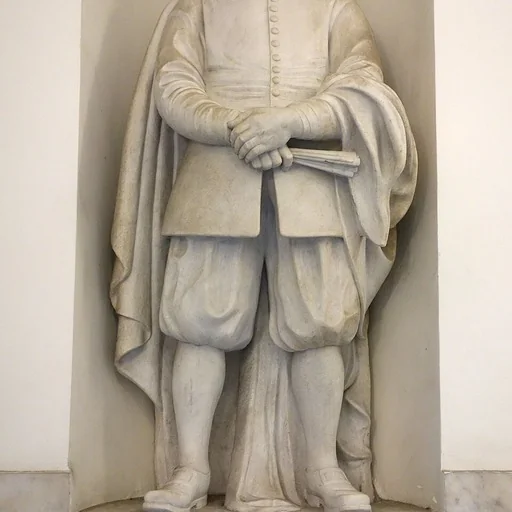
Bernardo Strozzi, named il Cappuccino and il Prete Genovese (c. 1581 – 2 August 1644), was an Italian Baroque artist who was a painter and engraver. A canvas and fresco artist, his wide subject range included history,…

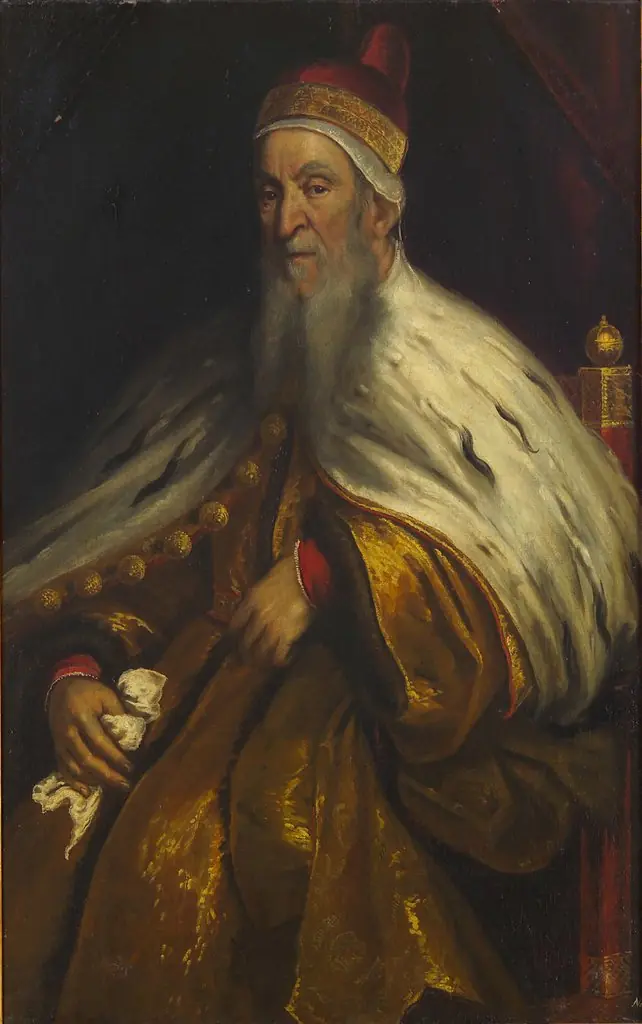 Portrait of Niccolo da Ponte (1491-1585), Doge of Venice
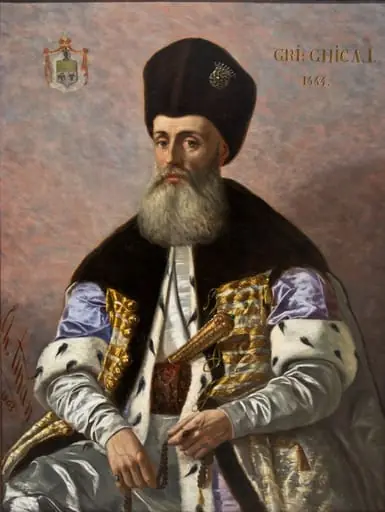 Grigore Ghica I
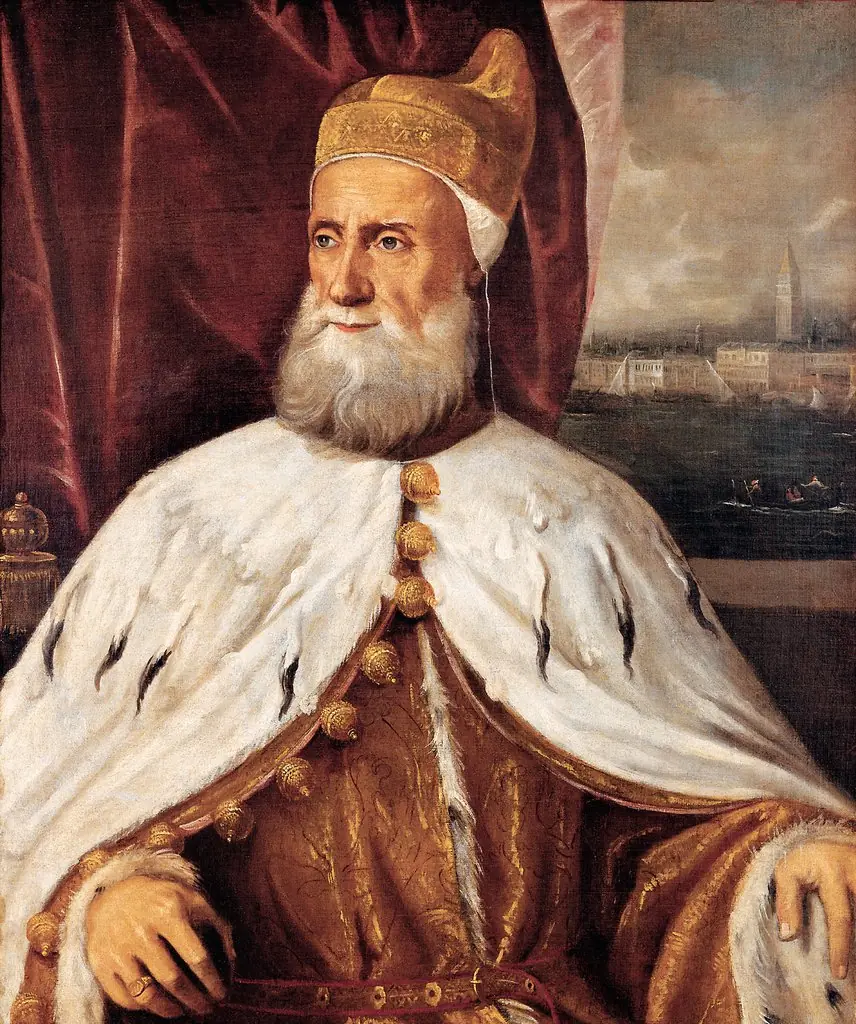 Portrait of Francesco Donato, Doge of Venice
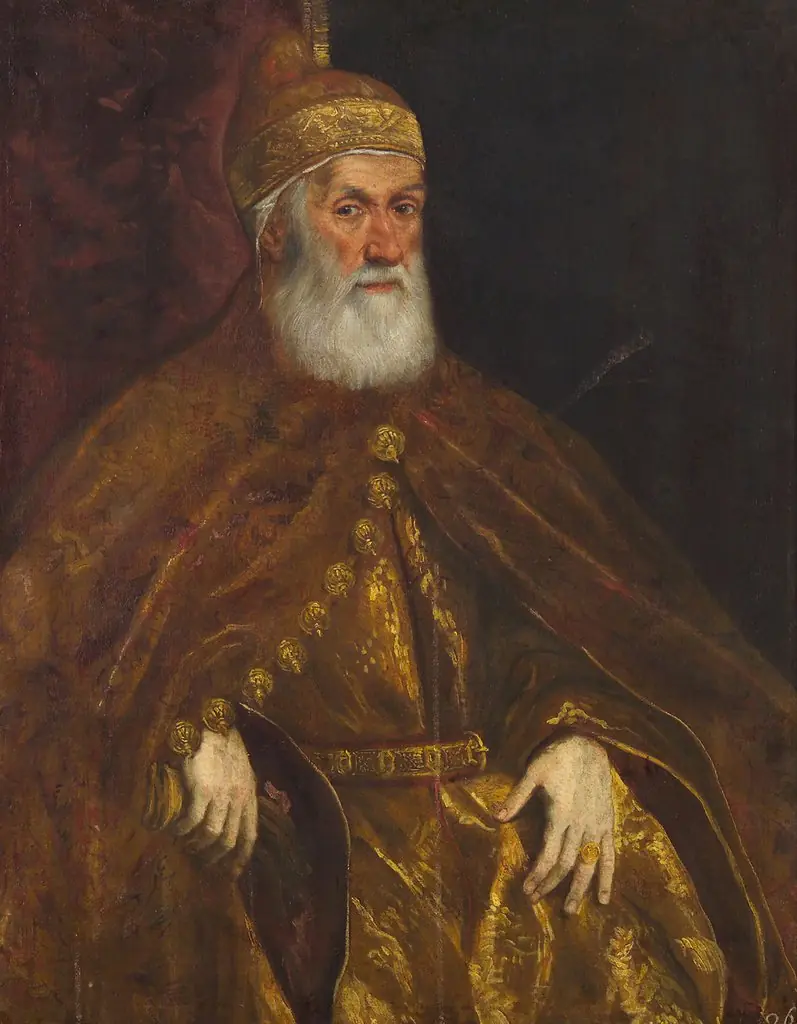 Girolamo Priuli (1486-1567), Doge von Venedig, Kniestück
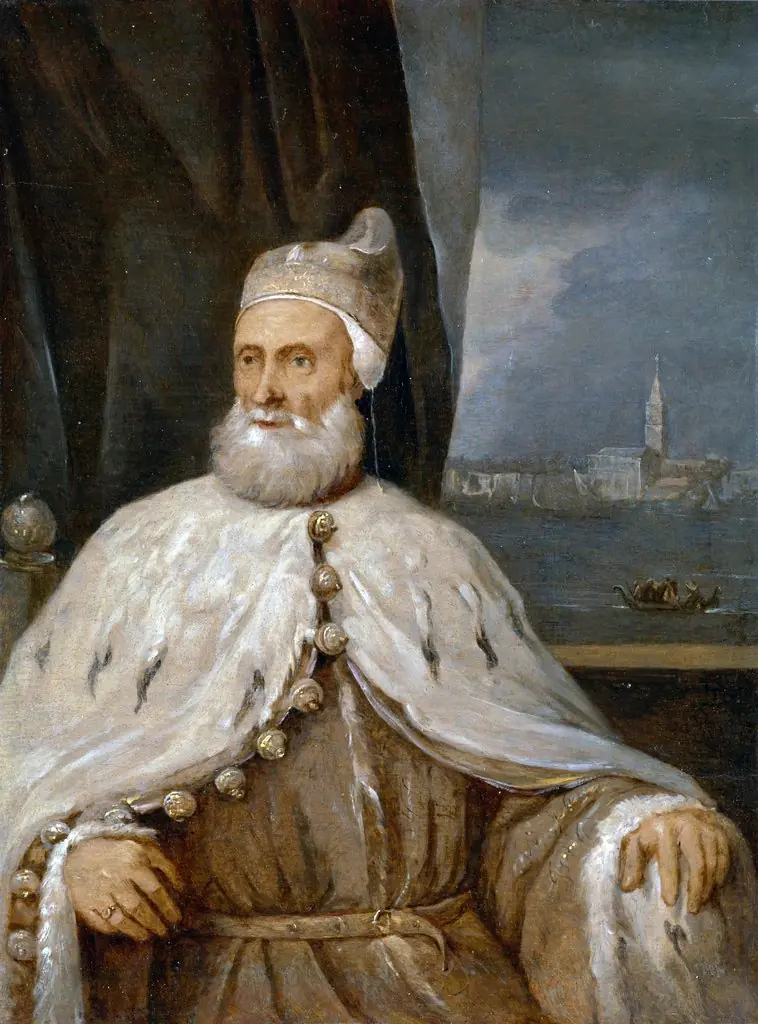 Portrait of Francesco Donato
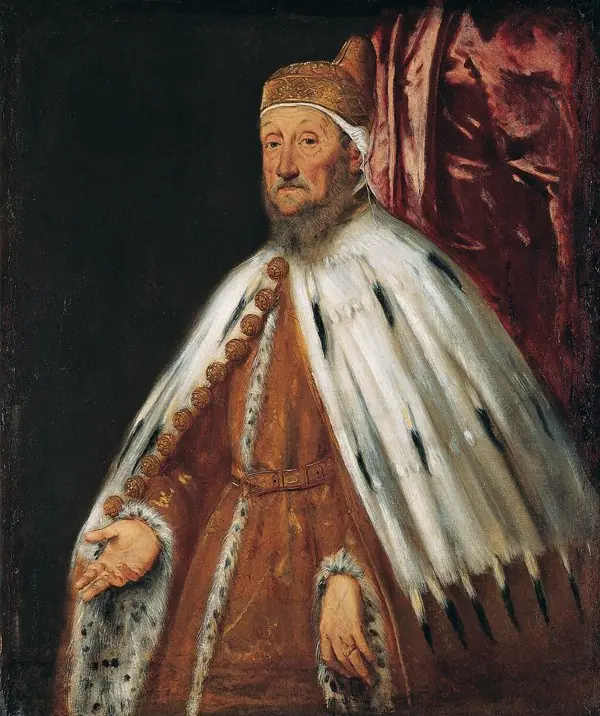 Portrait of Doge Pietro Loredan
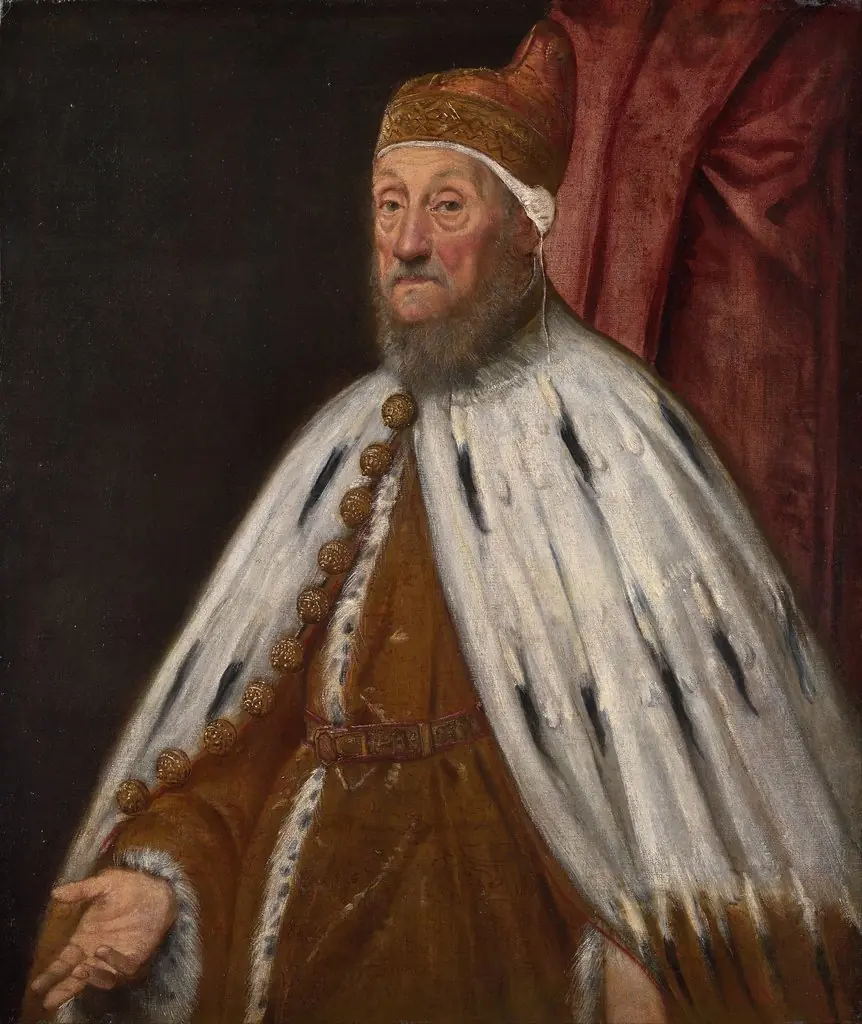 Doge Pietro Loredano
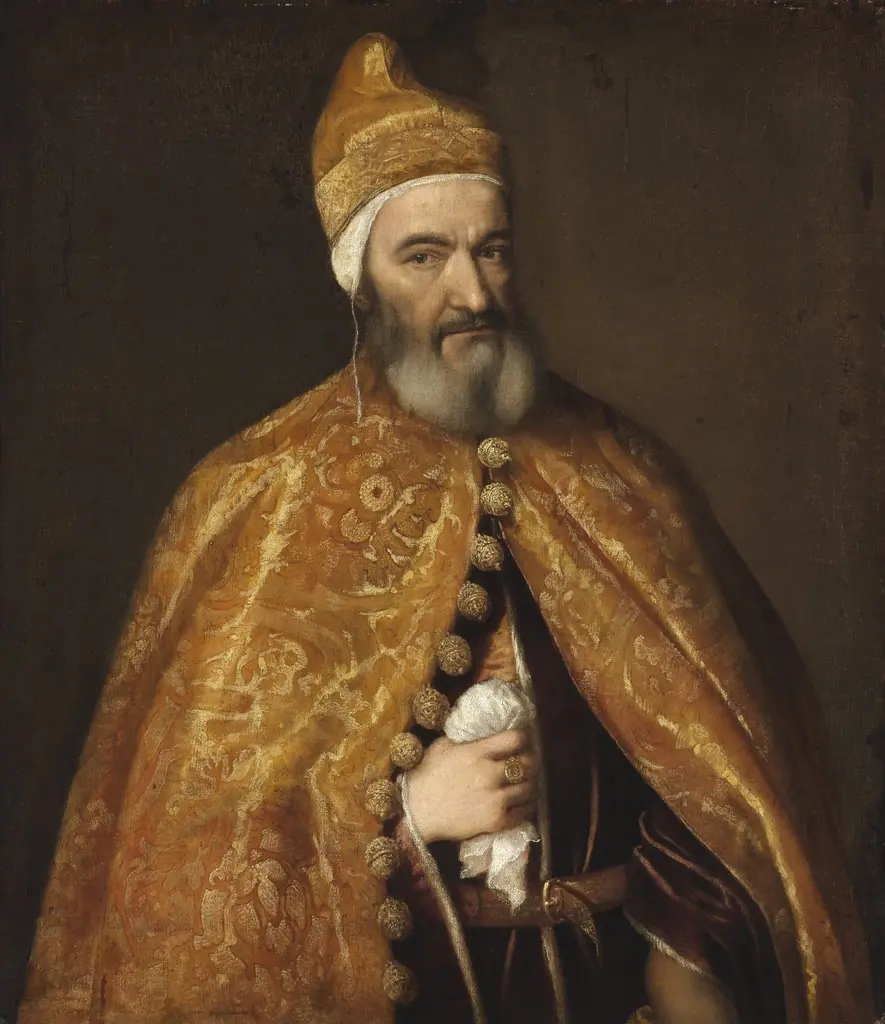 Portrait of Marcantonio Trevisan, Doge of Venice
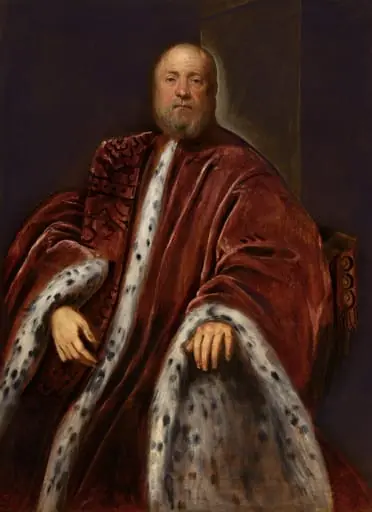 A Procurator of Saint Mark's
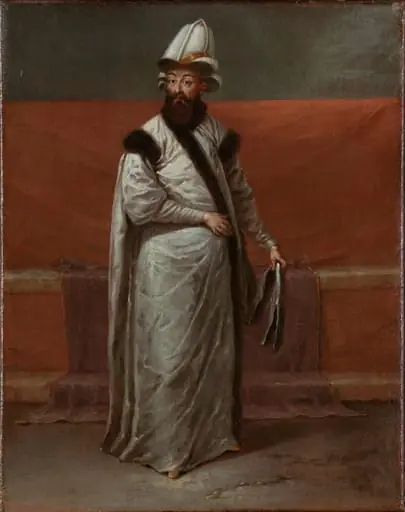 De grootvizier Nevşehirli Damat Ĭbrahim Pasa
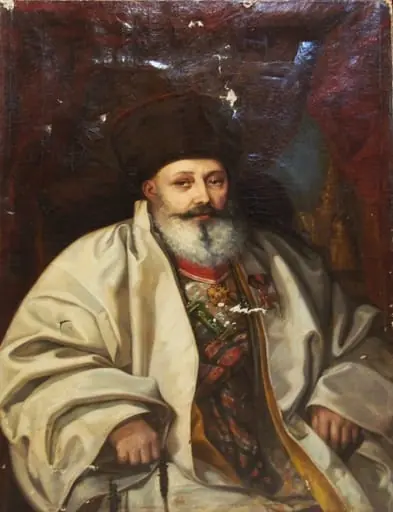 Filip de Linche, mare vistier și logofăt
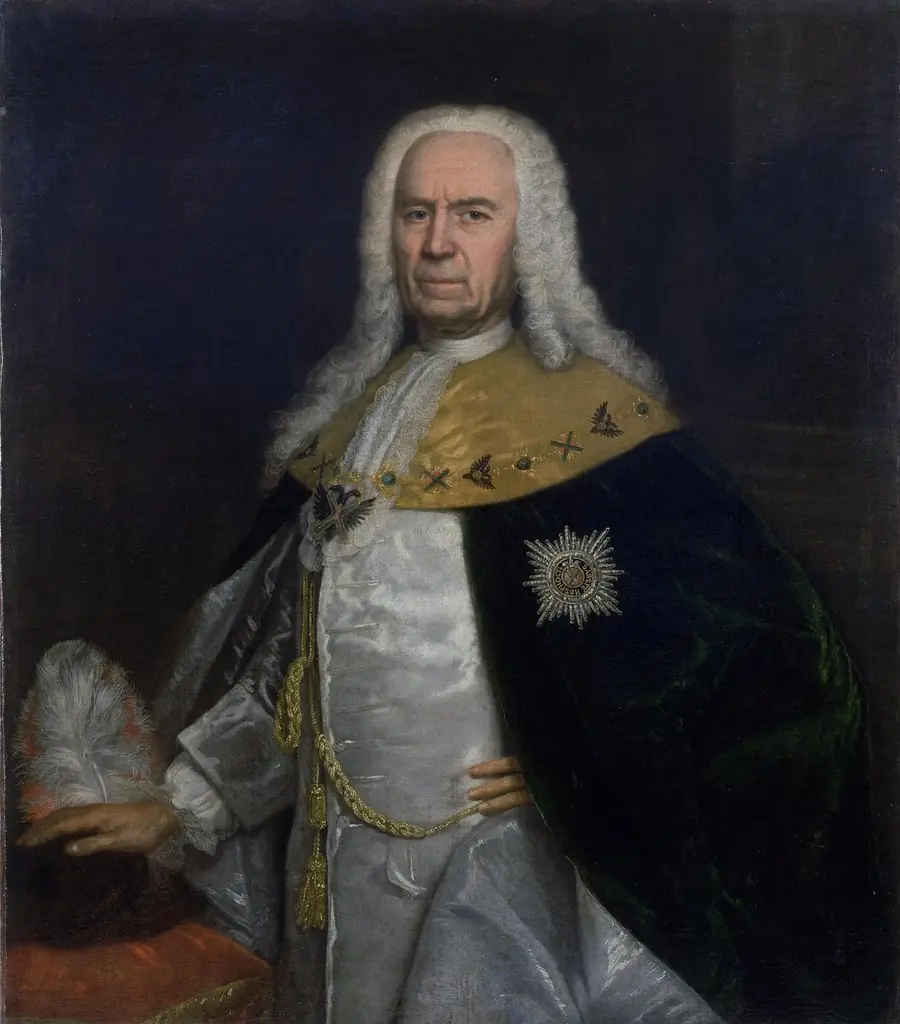 Portrait of A.Ushakov, the Head of the Secret Chancellery