Artwork
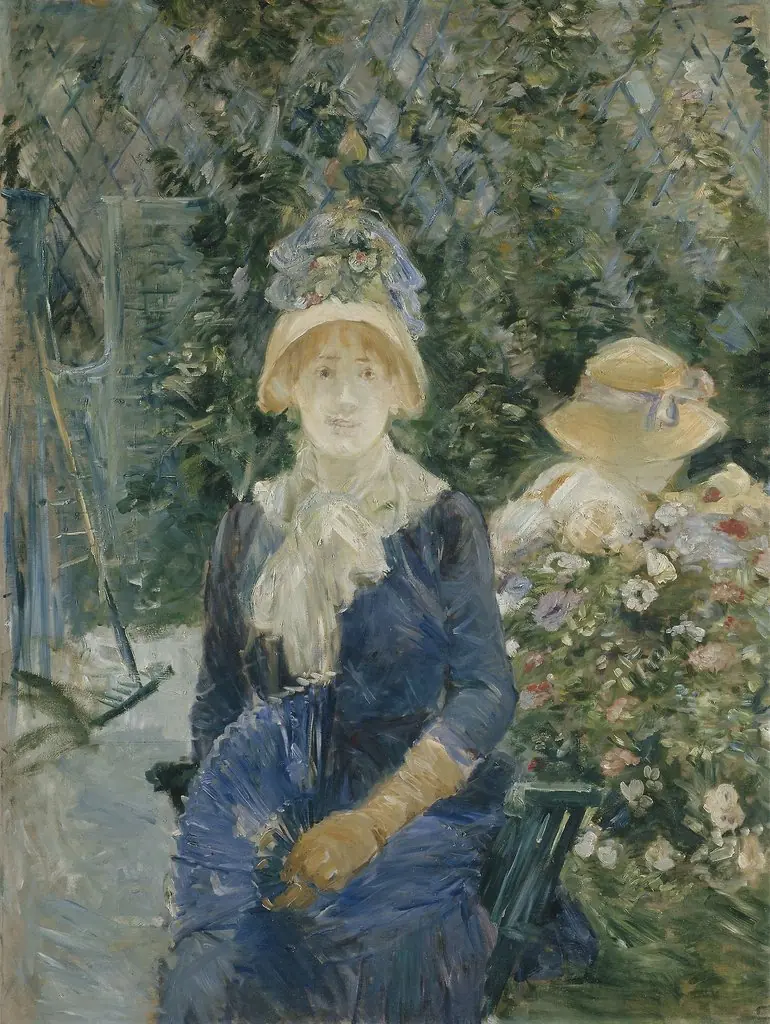
Woman in a Garden
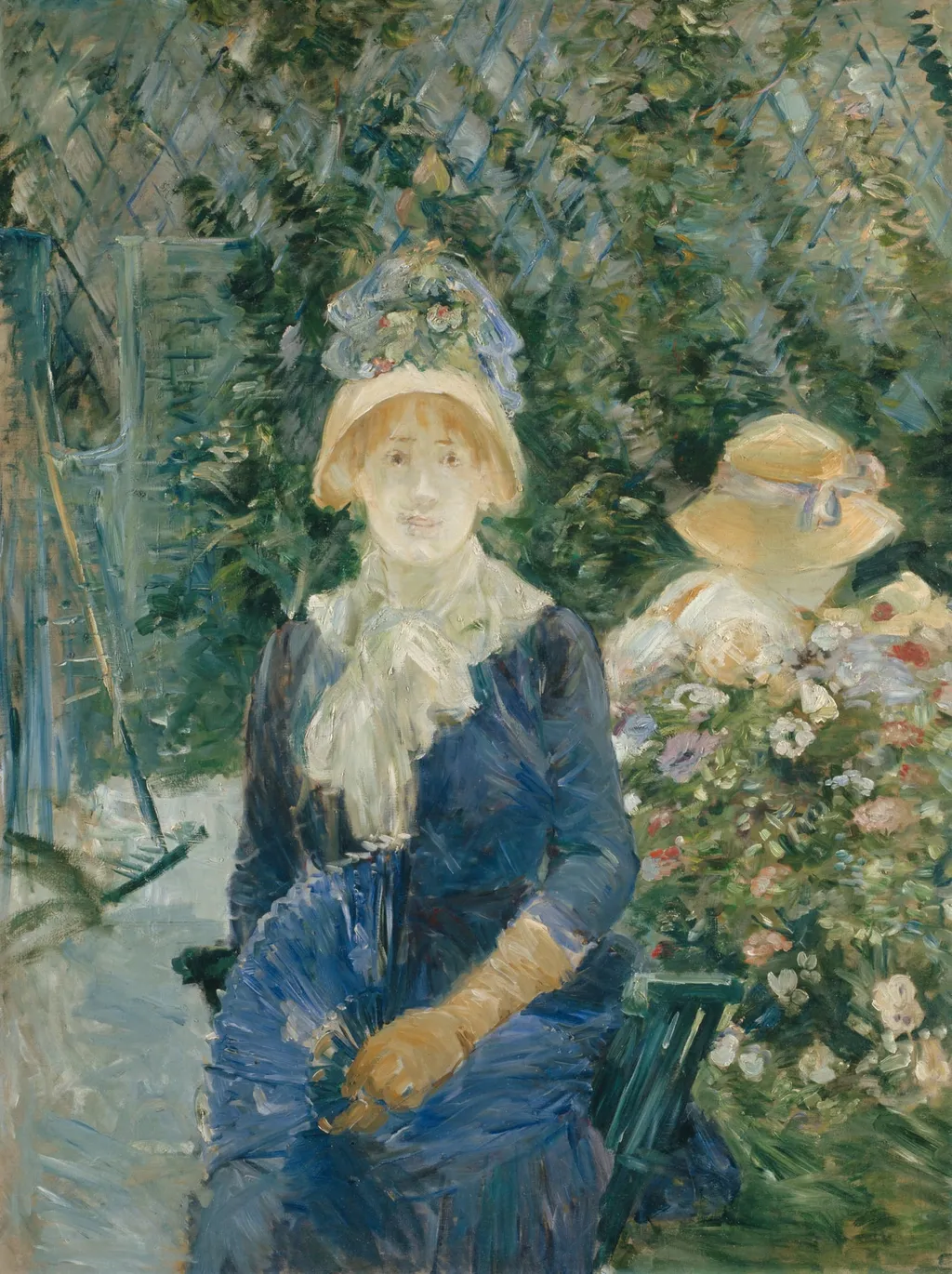
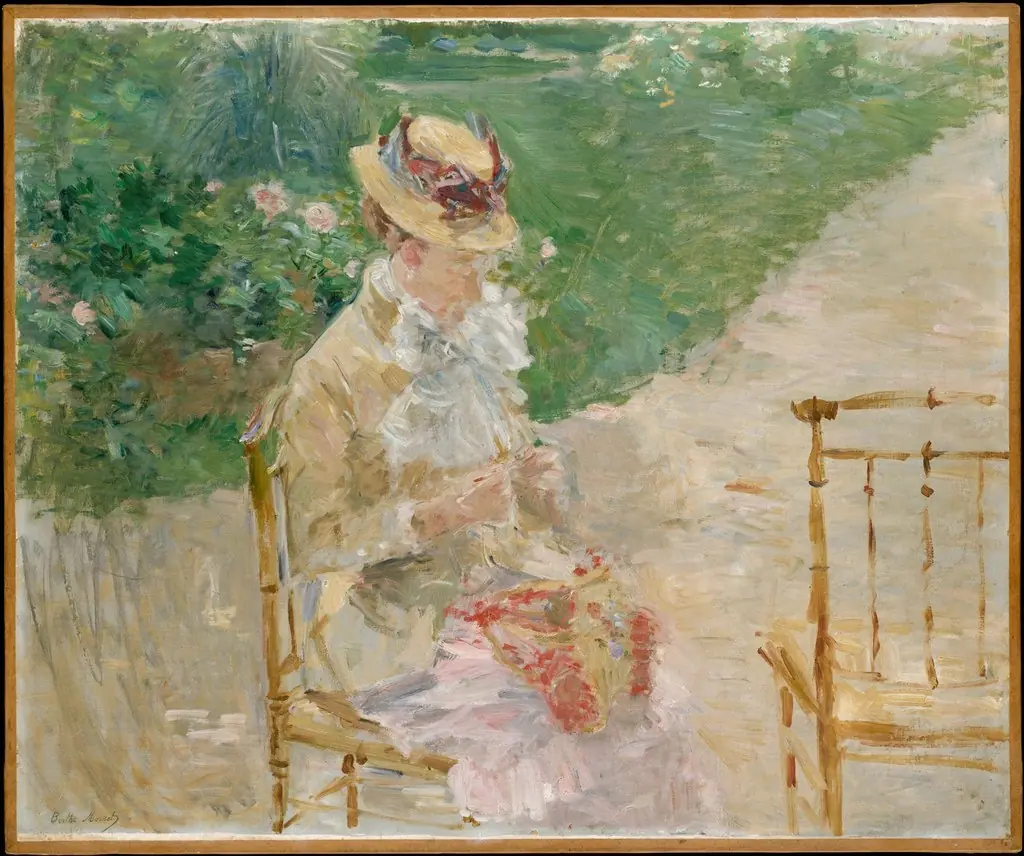
Woman in a Garden is an oil painting by the Impressionist artist Berthe Morisot. It dates from 1882 and is held in the collection of the Art Institute of Chicago.
About this work
Overview
The painting reflects her immersion in the Impressionist approach, emphasizing light and atmosphere over narrative detail.
Painted in 1882, Woman in a Garden captures a quiet moment in a garden near Bougival, a village along the Seine. Berthe Morisot created the work during a summer stay with her husband, Eugène Manet, and their young daughter, Julie. The painting reflects her immersion in the Impressionist approach, emphasizing light and atmosphere over narrative detail. The scene is neither staged nor dramatic, but quietly observed, as if caught in passing.
Subject & Meaning
The central figure, a woman in a long dress, stands still amid lush greenery, her expression serene and unguarded. In the background, a child in a straw hat—likely Julie—appears as a subtle presence, not the focus. The painting avoids storytelling; instead, it conveys intimacy through stillness. The woman’s identity remains unknown, but her placement within the domestic landscape suggests a private, everyday moment, characteristic of Morisot’s interest in women’s interior lives.
Technique & Style
Morisot applied paint with loose, rapid brushwork, blending figure and foliage without clear boundaries. Acid greens and bluish ochers are slashed across the canvas to mimic the flicker of sunlight through leaves. Her technique erases the distinction between subject and environment, aligning with Impressionist goals of capturing transient light. The brushstrokes are neither refined nor decorative—they are direct, immediate, and attuned to sensory perception.
History & Provenance
The painting was begun during Morisot’s 1882 summer stay in Bougival, where she and her family rented a house. It remained in her possession until her death in 1895, after which it passed to her daughter Julie. The work was later acquired by the Musée d'Orsay, where it is now held. Its continuity within the family underscores its personal significance, though it was never exhibited publicly during Morisot’s lifetime.
Context
Morisot painted this during a period when female artists were rarely granted the same recognition as their male peers. Working within domestic and garden settings, she transformed these spaces into subjects worthy of serious artistic attention. Her approach echoed the broader Impressionist movement, yet her focus on quiet, feminine interiors distinguished her from contemporaries who favored urban or public scenes.
Legacy
Woman in a Garden exemplifies Morisot’s quiet revolution in Impressionism: elevating the ordinary through sensitive observation and technical innovation. Her ability to merge figure and landscape without hierarchy influenced later generations of painters, particularly those interested in the psychological depth of everyday life. Though less celebrated in her time, her work now stands as a vital contribution to the evolution of modern painting.
Own this work as a print
Artist & collection

Artist
Berthe Marie Pauline Morisot (French: ; 14 January 1841 – 2 March 1895) was a French painter, printmaker and a member of the circle of painters in Paris who became known as the Impressionists.

 Woman in a Garden
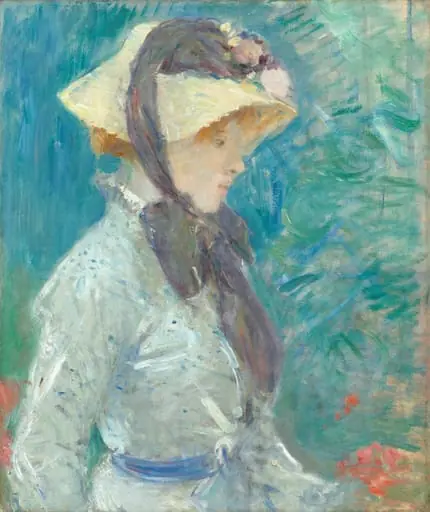 Young Woman with a Straw Hat
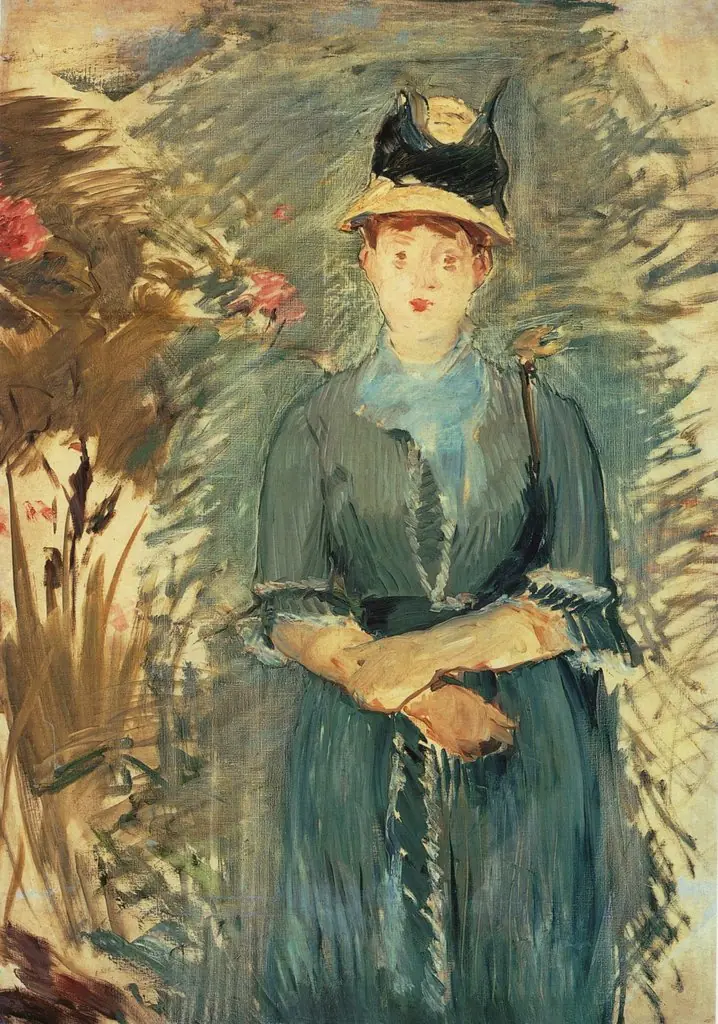 Stehende Dame zwischen Blumen
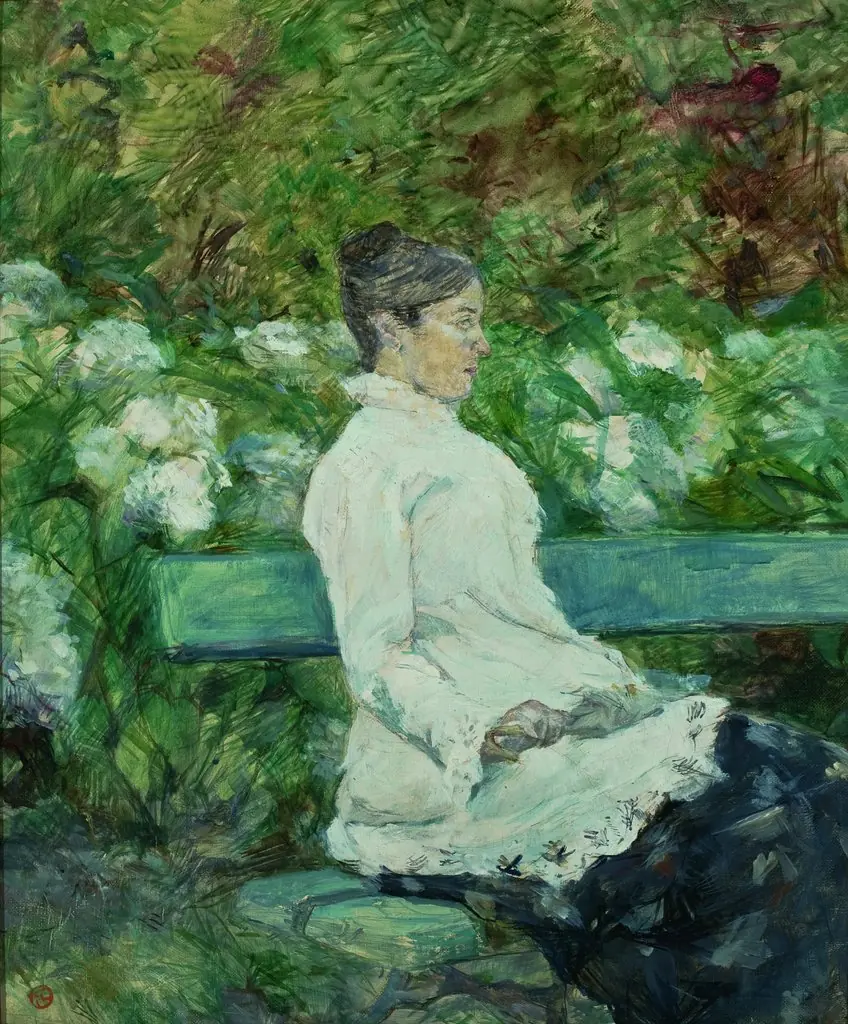 Madame Countess Adèle de Toulouse-Lautrec in the Garden of Malromé
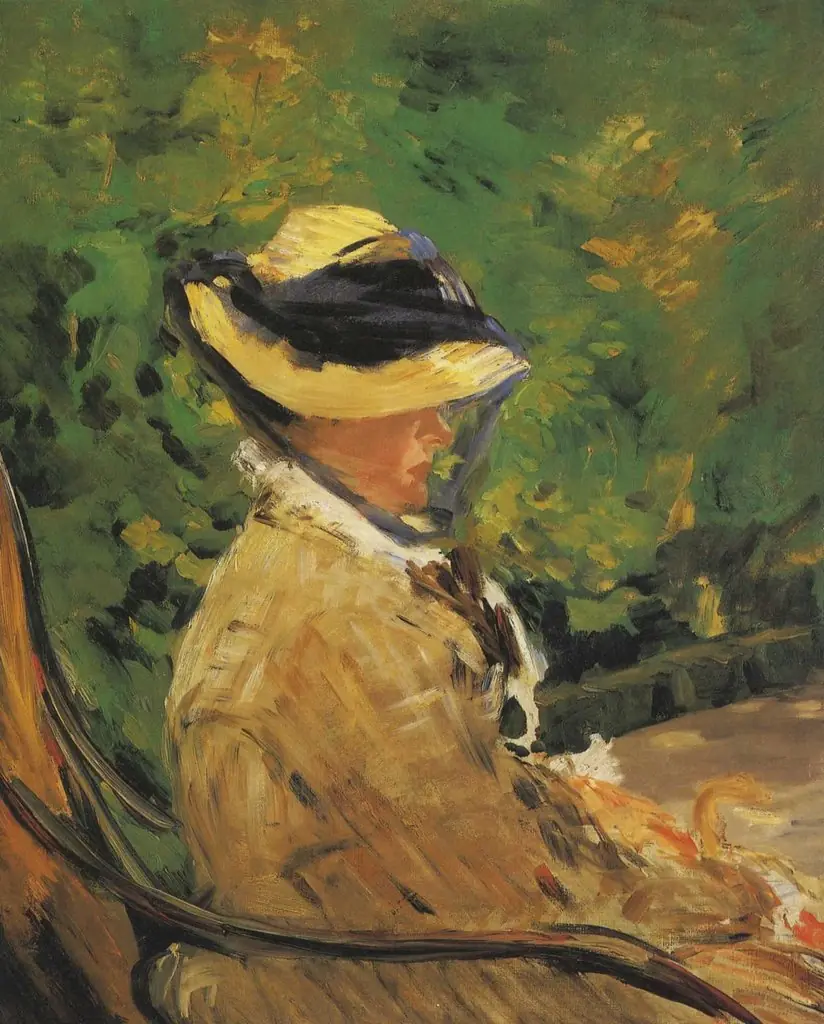 Madame Manet (Suzanne Leenhoff, 1830–1906) at Bellevue
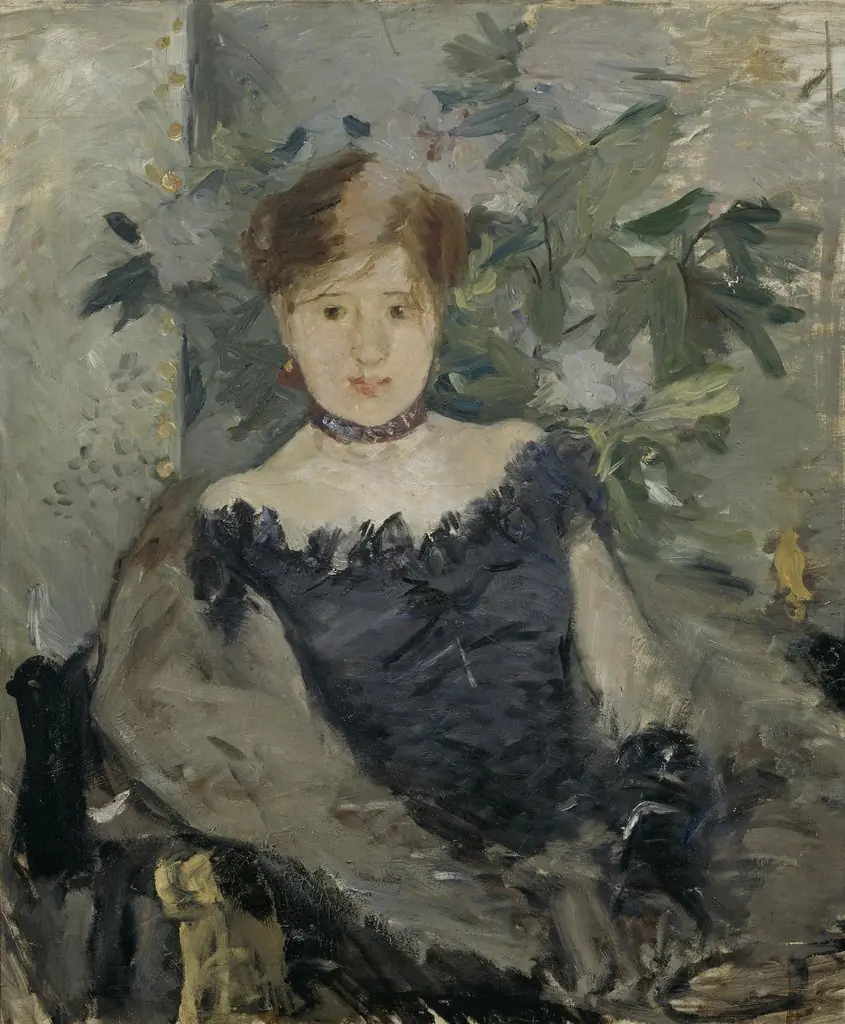 Le Corsage Noir
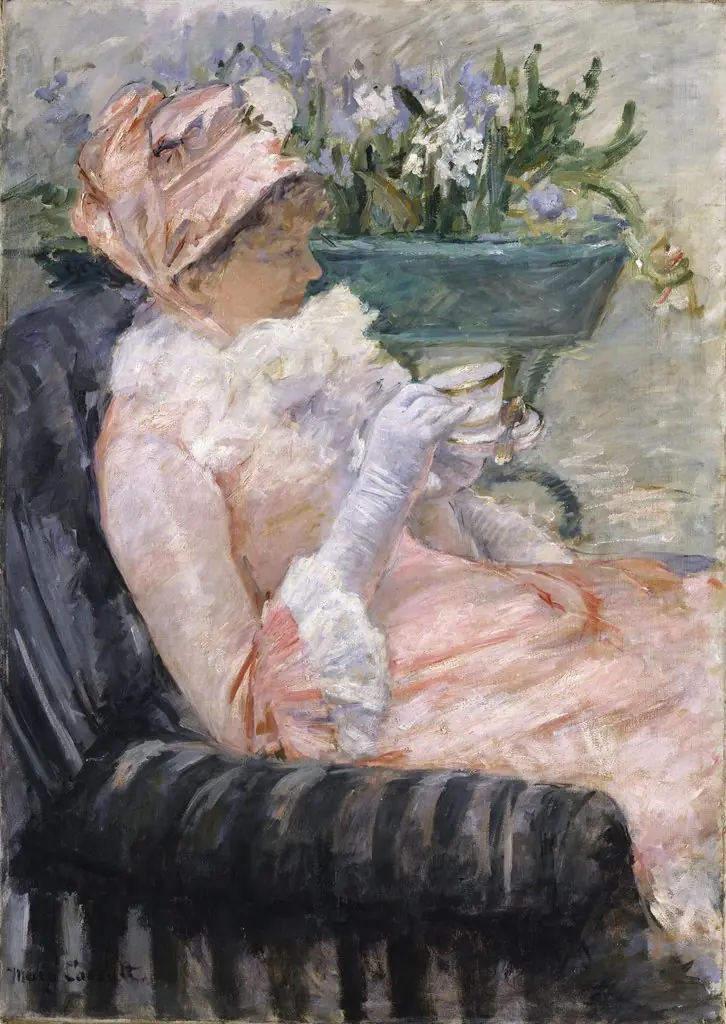 The Cup of Tea
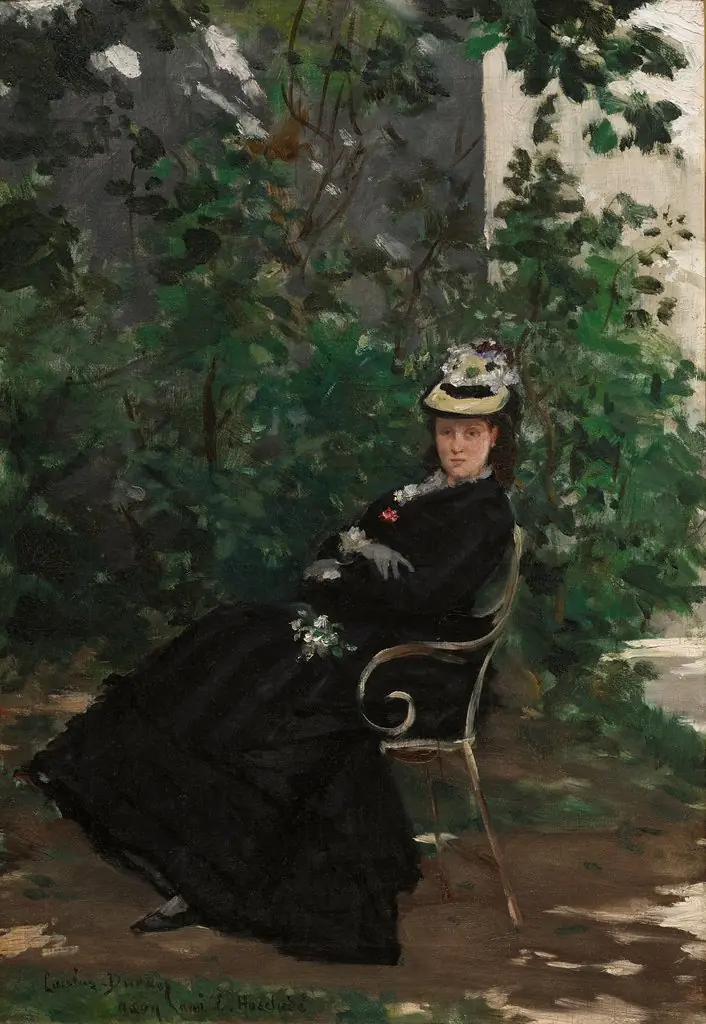 Portrait of Madame Alice Hoschede
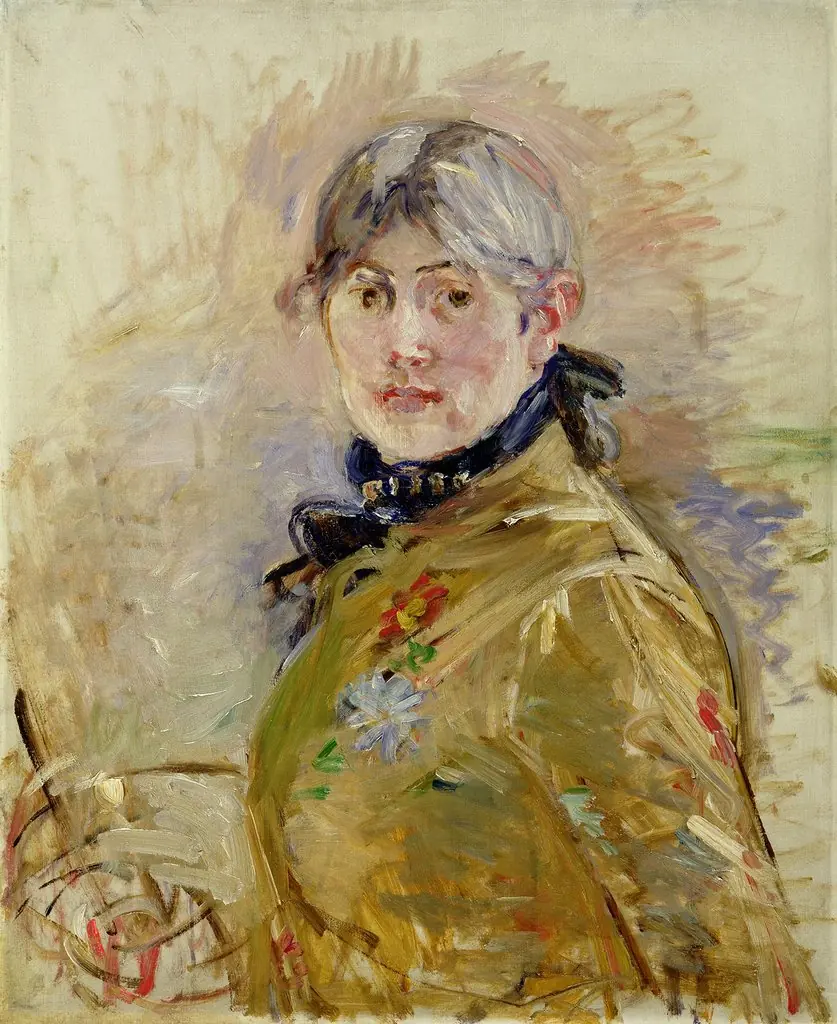 Autoportrait
 Femeie cu bluză albă și pălărie
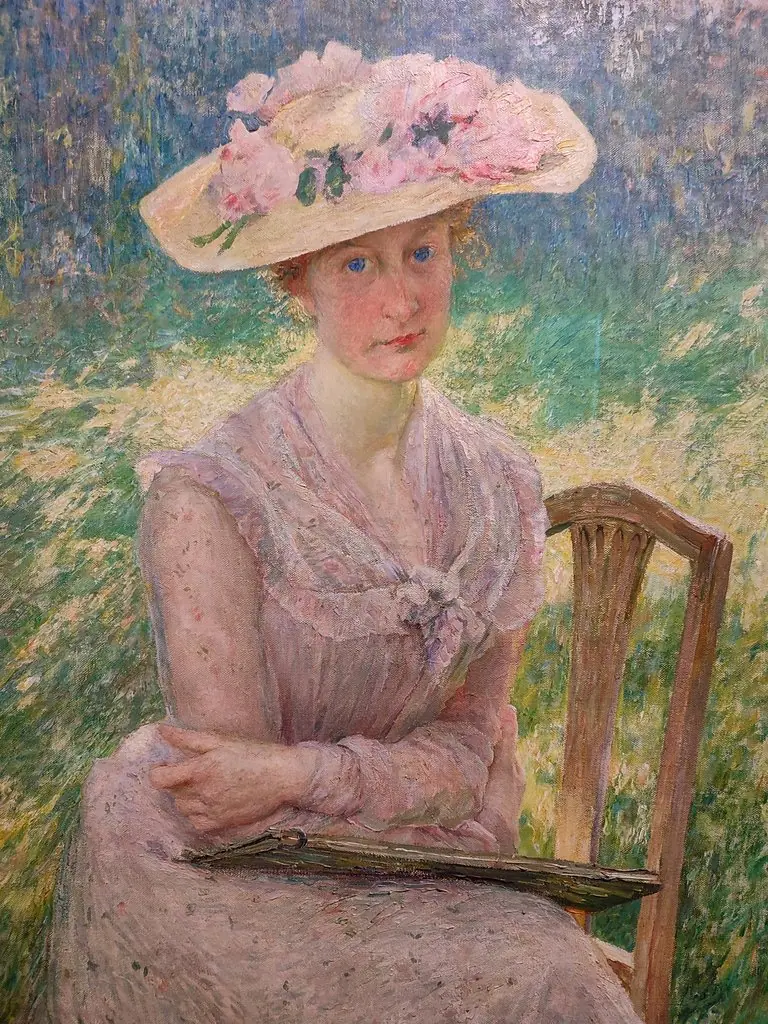 Portrait of Jenny Montigny