Artwork
The Colza (Harvesting Rapeseed)
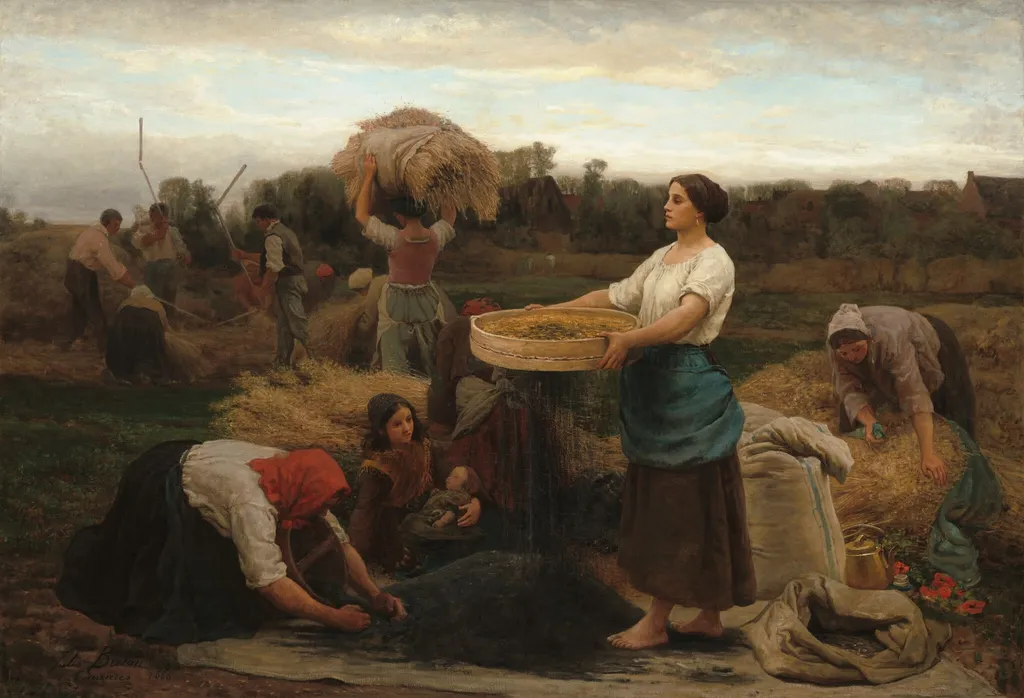
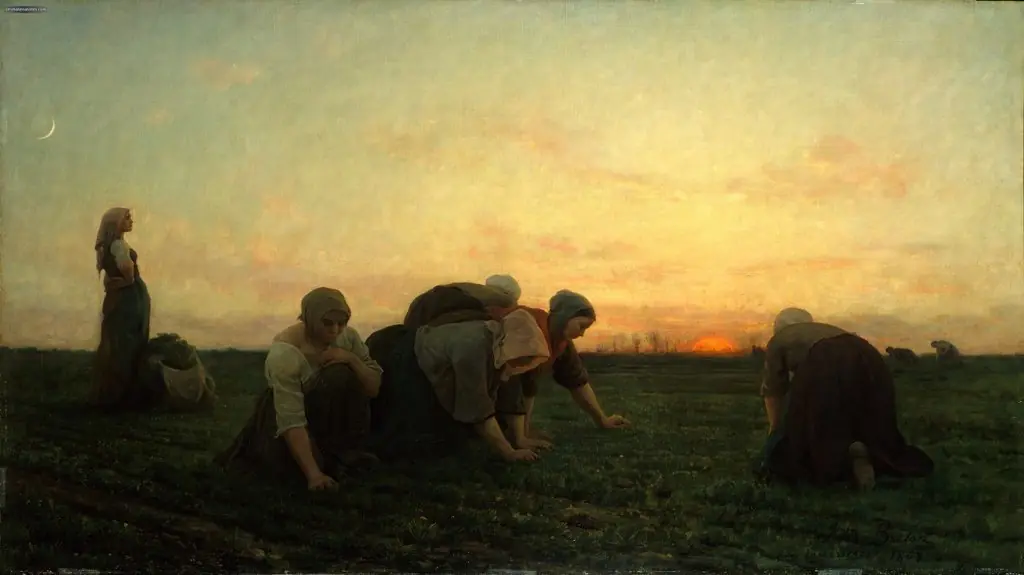
The Colza (Harvesting Rapeseed) is an oil painting by the Impressionist artist Jules Breton. It dates from 1860 and is held in the collection of the National Gallery of Art.
About this work
Overview
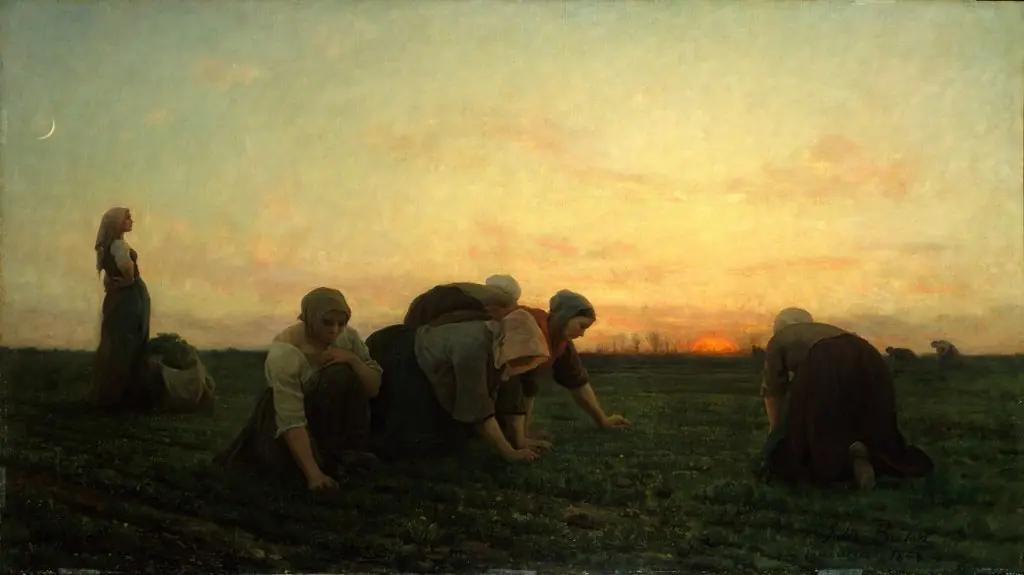
Jules Breton’s 1860 oil on canvas, *The Colza (Harvesting Rapeseed)*, portrays a quiet agricultural labor scene. A woman in the foreground carries a basket brimming with bright yellow rapeseed, while other figures work in the background under a muted sky. The composition balances the individual’s presence with the broader field, conveying a moment of everyday rural activity.
Subject & Meaning
The work conveys a serene, almost timeless view of peasant life, highlighting the harmony between people and their environment.
The painting focuses on a harvest of rapeseed, a crop associated with rural economies in 19th‑century France. Breton emphasizes the dignity of the laborers, especially the central woman whose careful stance and modest attire suggest both responsibility and connection to the land. The work conveys a serene, almost timeless view of peasant life, highlighting the harmony between people and their environment.
Technique & Style
Executed in oil, the canvas displays Breton’s characteristic attention to detail and subtle tonal transitions. The palette centers on warm ochres and cool blues, rendering the golden seed against a muted background. Brushwork is smooth, lending a polished surface that aligns with Realist principles, while the composition’s balanced arrangement reflects the artist’s academic training.
History & Provenance
Created in 1860, the painting emerged during Breton’s early career, when he was establishing his reputation for rural genre scenes. It was exhibited in Paris shortly after its completion and later entered private collections before being acquired by a regional museum in the early 20th century. Documentation traces its ownership through several French collectors.
Context
Breton’s work belongs to the Realist movement, which sought to depict ordinary life with fidelity rather than romantic exaggeration. The depiction of rapeseed harvest aligns with contemporary interest in agrarian subjects, reflecting both the economic importance of such crops and a nostalgic view of countryside traditions amid rapid industrialization.
Own this work as a print
Artist & collection
Artist
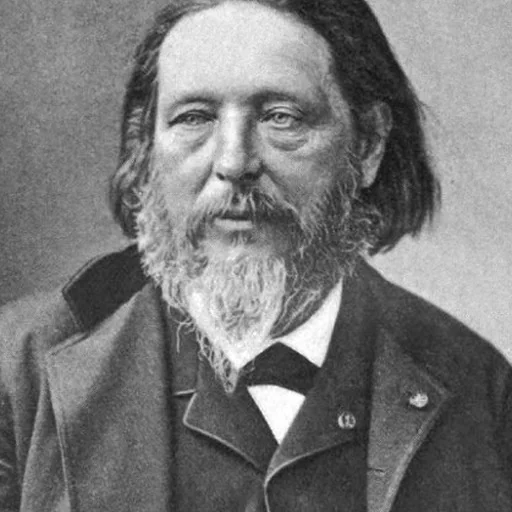
Jules Adolphe Aimé Louis Breton (French pronunciation: ; 1 May 1827 – 5 July 1906) was a 19th-century French naturalist painter.