Artwork
Dishrag Diagrammatic
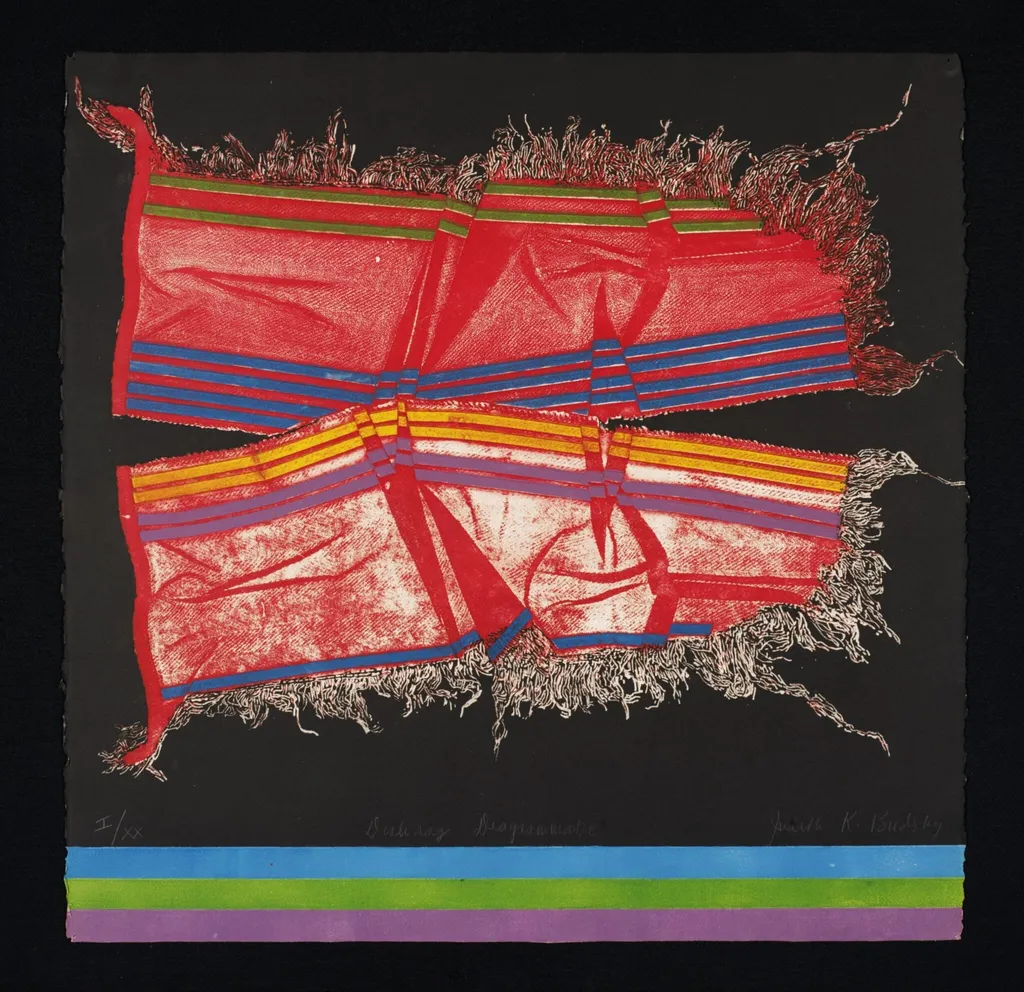
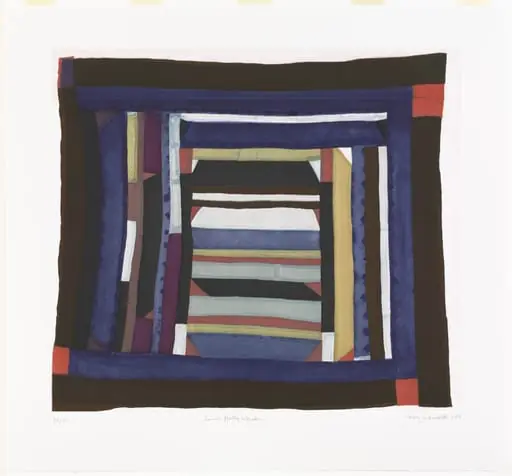
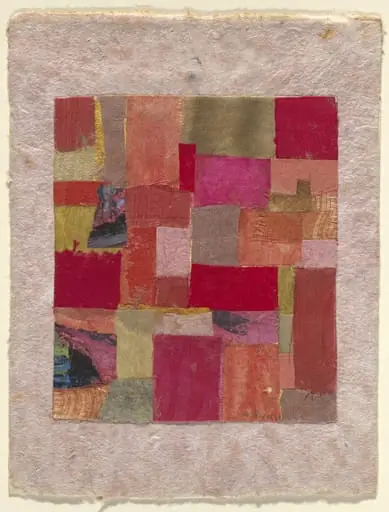
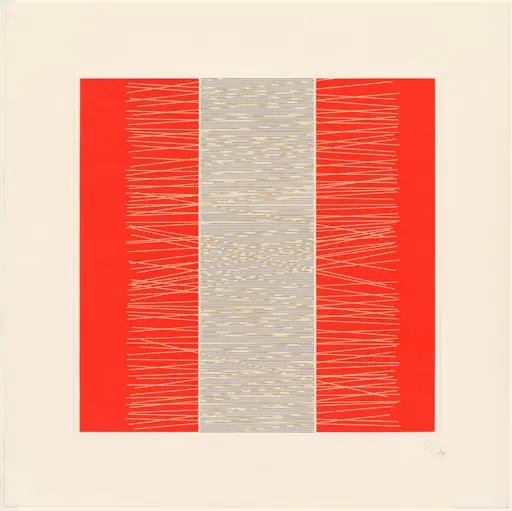
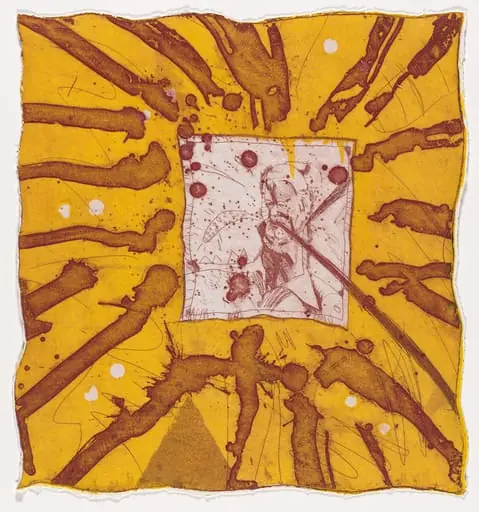
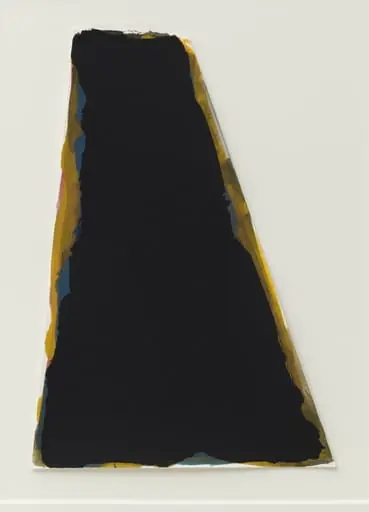
Dishrag Diagrammatic is a print by Judith Brodsky. It dates from 1977 and is held in the collection of the Victoria and Albert Museum. Created in 1977, this bold print transforms the ordinary image of a dishrag into a striking visual statement.
About this work
This bold abstract print from 1977 turns a simple dishrag into something grand.
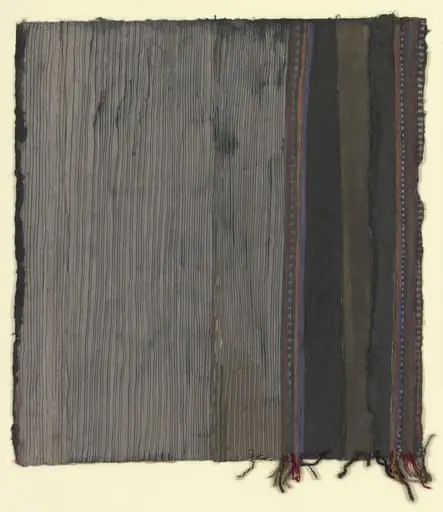
This bold abstract print from 1977 turns a simple dishrag into something grand. The title hints it’s a diagram, but the colors and layout feel like a flag. It celebrates the hard work behind everyday chores.
The artist was a key voice in 1970s feminist art in the U.S. She wanted people to see the value in “women’s work” that’s often overlooked.
It’s held at the Victoria and Albert Museum.
Check out the Victoria and Albert Museum.
Overview
Created in 1977, this bold print transforms the ordinary image of a dishrag into a striking visual statement. The work’s vivid colors and structured composition give it a flag‑like presence, while the title suggests a schematic or instructional quality. Its scale and formal treatment elevate a humble household object to a focal point of visual and conceptual interest.
Subject & Meaning
The piece foregrounds the dishrag as a symbol of domestic labor, positioning it as a source of collective pride and cohesion. By arranging the rag in a formal, almost ceremonial manner, the artist draws a parallel between household work and national symbols, implying that women’s contributions at home are essential to societal stability and deserving of public recognition.
Technique & Style
Executed as a print, the work employs flat, saturated hues arranged in a hierarchical grid that recalls both diagrammatic schematics and flag design. The surface texture suggests wear and tear, with frayed edges that evoke a battle‑worn banner, reinforcing the notion of ongoing effort and resilience inherent in everyday chores.
History & Provenance
The print was produced for a United Nations Year of the Woman portfolio in 1977, a collaborative project that featured eleven other artists from New Jersey. It entered the collection of the Victoria and Albert Museum, where it remains part of the institution’s holdings on feminist art and printmaking.
Context
Emerging from the feminist art movement of the 1970s in the United States, the work reflects a broader effort to revalue traditionally female‑associated labor. By presenting a domestic object in a formal, public visual language, the artist aligns with contemporaneous strategies that sought to make invisible work visible and politically significant.
Artist & collection
Artist
Judith Brodsky’s prints blend sharp lines with layered ideas. Her 1998 series print *Women, Love, Philosophy III* maps thought itself—Hannah Arendt’s theories turned visual—while *Dishrag Diagrammatic* (1977) turns a…