Artwork
Painting of the Annunciation
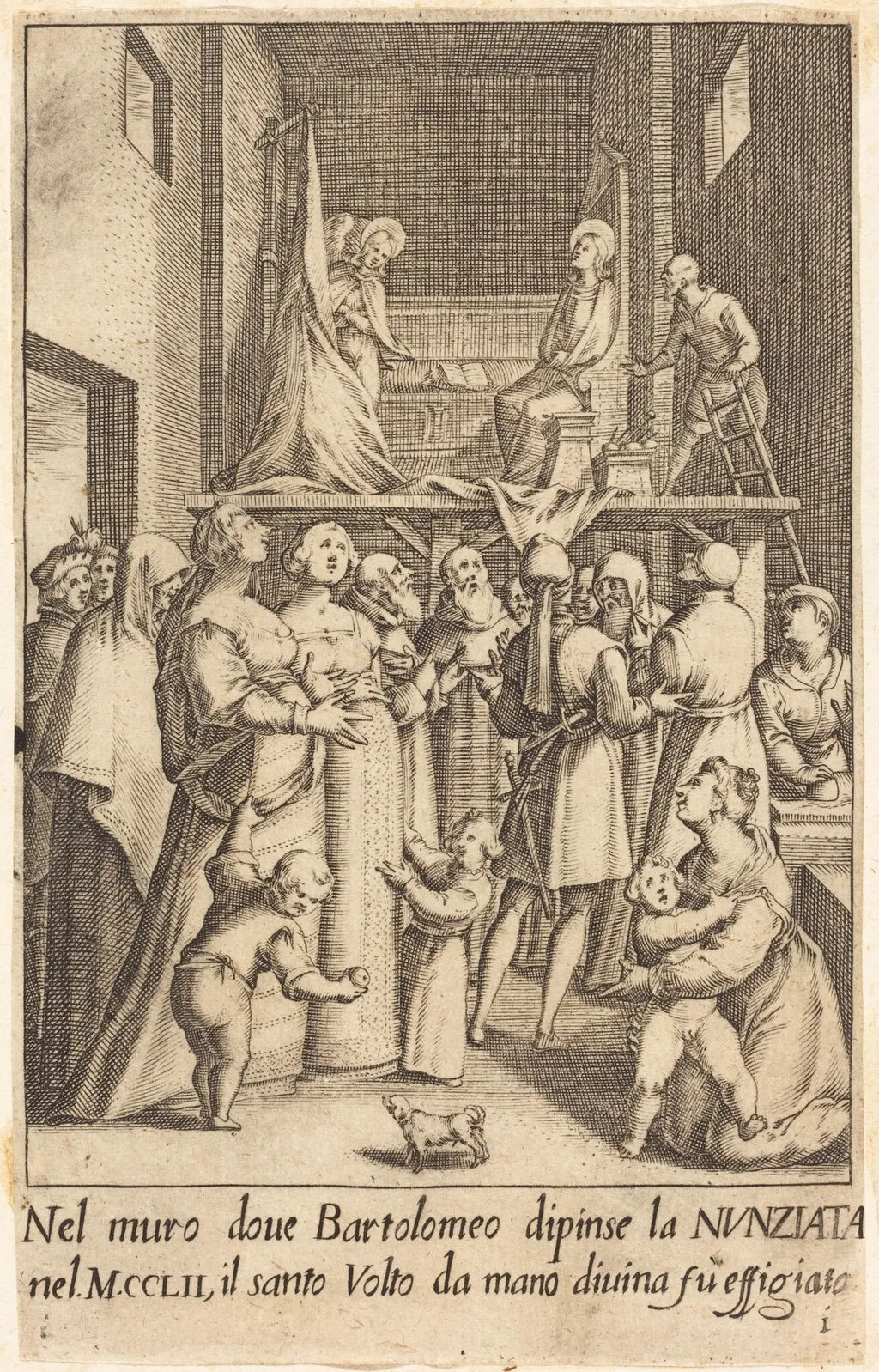
Painting of the Annunciation is an ink print by the Baroque artist Jacques Callot. It dates from 1619 and is held in the collection of the National Gallery of Art.
About this work
Overview
Jacques Callot created this engraving in 1619, using fine incised lines on laid paper to depict the Annunciation. As a printmaker from the Duchy of Lorraine, he was known for refining etching techniques and producing detailed scenes drawn from both sacred and secular life. This work is one of over 1,400 prints he made, reflecting his interest in narrative clarity and atmospheric depth.
Subject & Meaning
Figures below react with varied expressions—some pray, others gaze in wonder or hold infants—while Gabriel hovers above.
The scene captures the moment the angel Gabriel announces to Mary that she will bear the Christ child. Figures below react with varied expressions—some pray, others gaze in wonder or hold infants—while Gabriel hovers above. A man on a ladder points toward the divine presence, reinforcing the celestial intervention. The composition blends the sacred with the everyday, grounding the miracle in a tangible, human setting.
Technique & Style
Callot employed meticulous engraving to render textures and movement through fine, controlled lines. Shadows and folds in garments are built from dense hatching, while the background architecture is suggested with minimal but precise strokes. The crowded composition, with figures layered in depth, demonstrates his skill in creating spatial complexity on a small scale without sacrificing detail.
History & Provenance
Produced during Callot’s early career in Florence, this print reflects his exposure to Italian Renaissance and Mannerist traditions. It was likely circulated among collectors and clergy interested in devotional imagery. No specific early ownership records are documented, but its technical precision suggests it was intended for an educated, religious audience familiar with biblical iconography.
Context
In early 17th-century Europe, religious prints like this served as tools for private devotion and education, especially where access to church art was limited. Callot’s focus on crowded, lifelike settings aligned with Counter-Reformation efforts to make sacred stories emotionally immediate. His work stood apart from more idealized depictions by emphasizing human presence and physical detail.
Legacy
Callot’s approach to narrative engraving influenced later generations of printmakers, particularly in their use of detailed backgrounds and expressive figures. While not widely reproduced today, this work exemplifies the shift toward naturalism in religious imagery during the Baroque period, bridging devotional tradition with observational realism.
Artist & collection
Artist
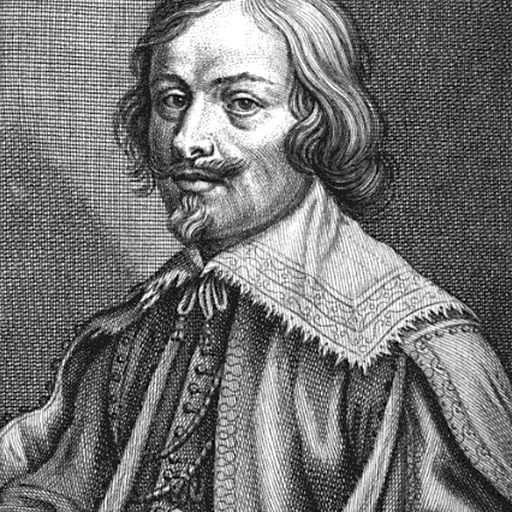
Jacques Callot was a baroque printmaker and draftsman from the Duchy of Lorraine.

 Holy Family at supper
 Restoration of the Aqueduct at Pisa
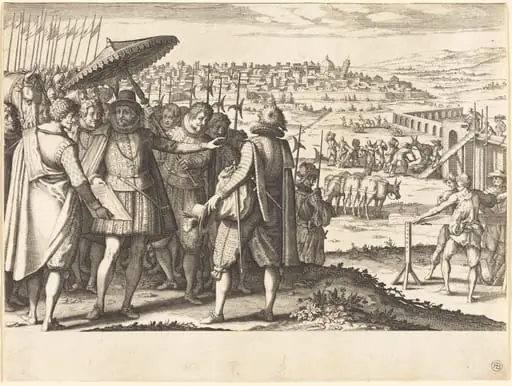 Restoration of the Aqueduct at Pisa
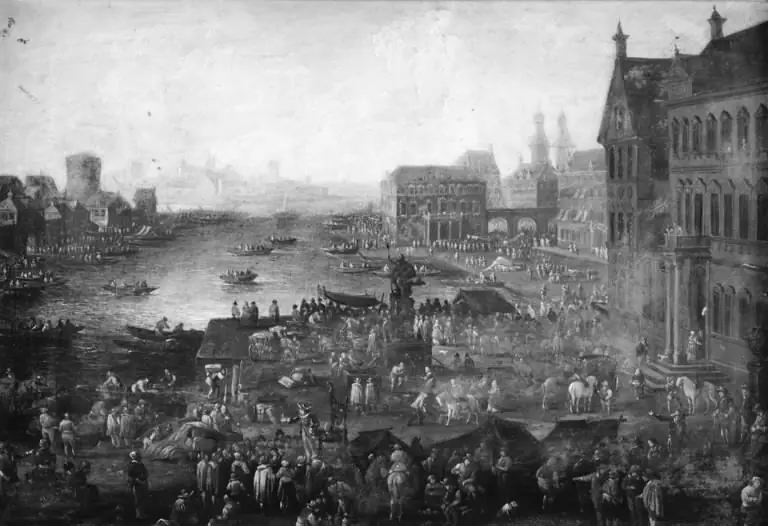 Square in Paris with Many Figures
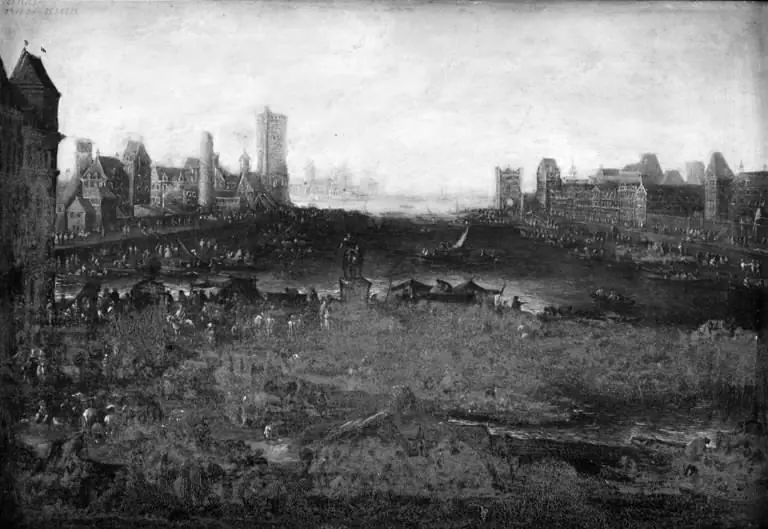 Square in Paris with Many Figures
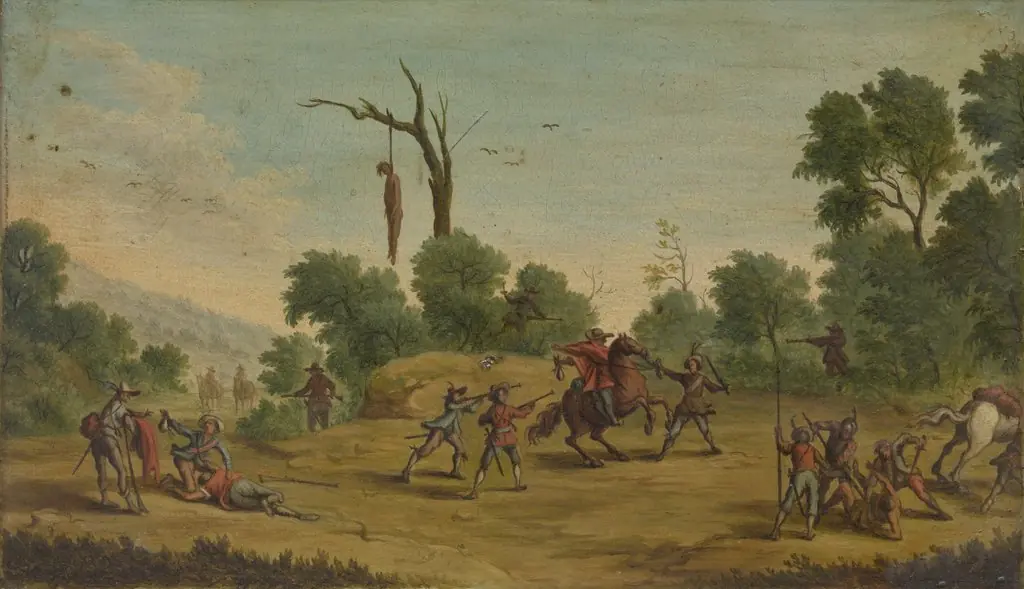 Horsemen Attacked by Robbers
 HOW WILL A COVERED PART BE CORRECTED?HOW WIKA A COVERED HEART DEED CORRECTED?
![Christ Walking on the Water [second plate], by Jacques Callot](https://artifactworldgallery.com/img/jacques-callot--christ-walking-on-the-water-second-plate--2069f3bfe4cb2126-w320.webp) Christ Walking on the Water [second plate]
Christ Walking on the Water [second plate]
 The Death of the Virgin
 The Birth of the Virgin
 The Adoration of the Magi
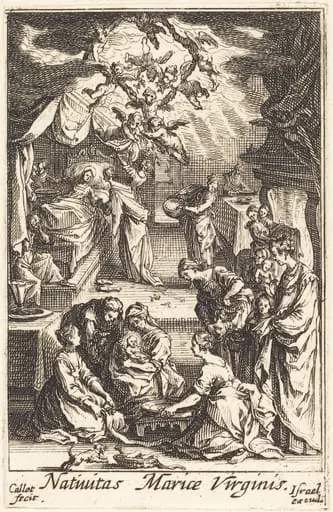
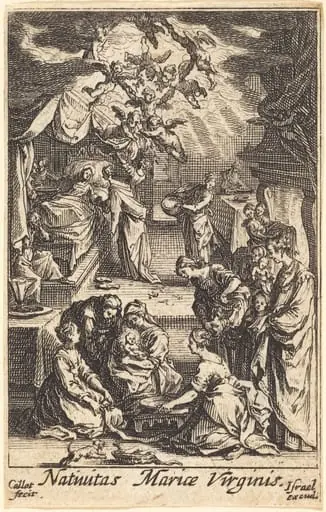 The Birth of the Virgin
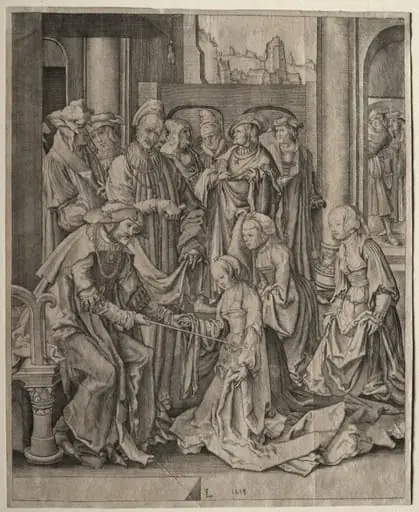 Esther before Ahasuerus
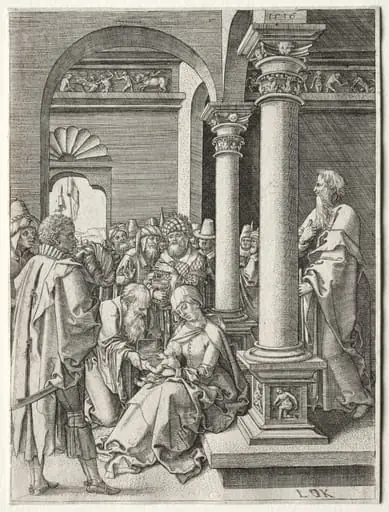 L'Adoration des Rois
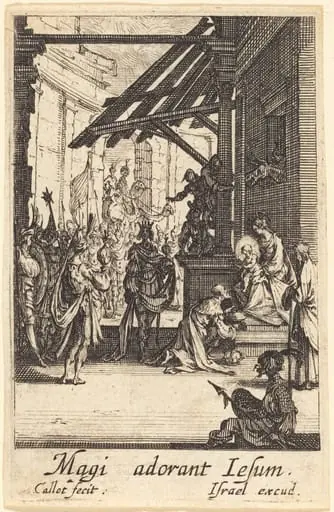
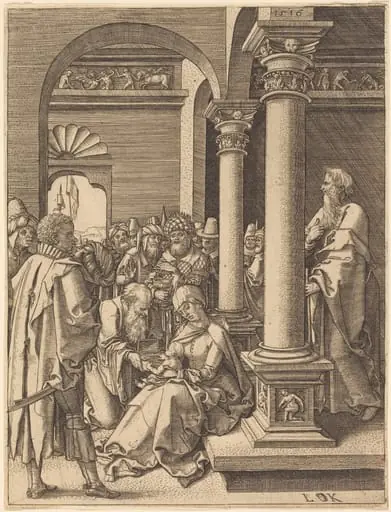 The Adoration of the Magi
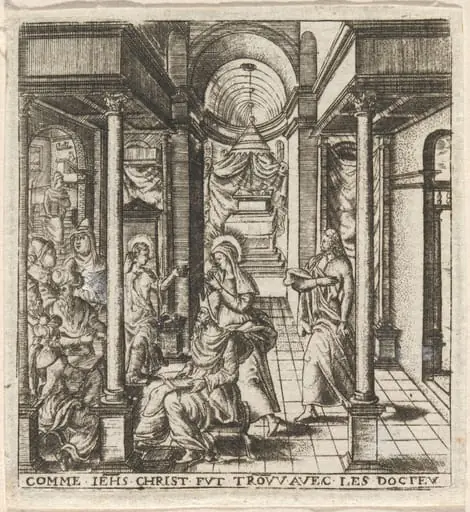 Mary and Joseph Find the Boy Jesus in the Temple with the Doctors
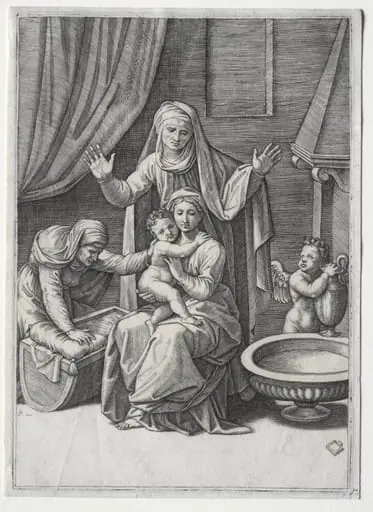 The Virgin and the Cradle with Saint Elisabeth and Saint Anne
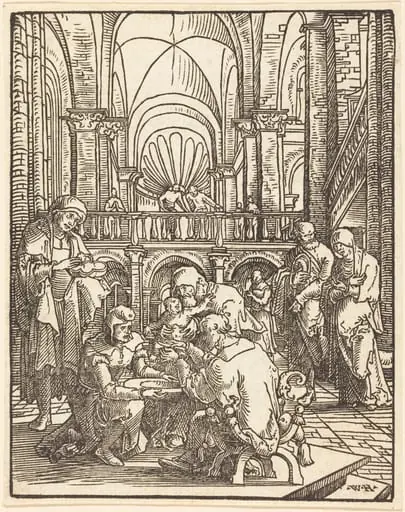 The Circumcision
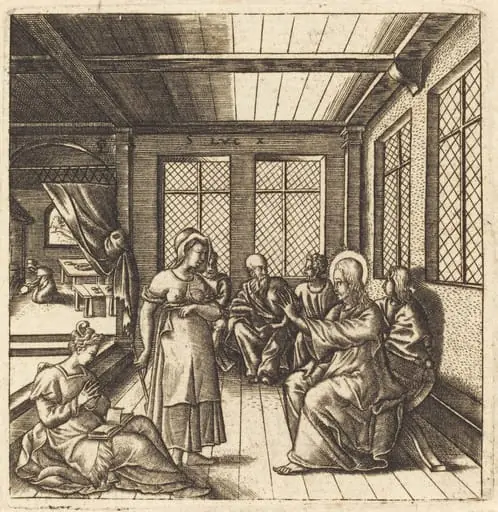 Christ in the House of Mary and Martha
 The Passion: Christ before Caiaphas