Artwork
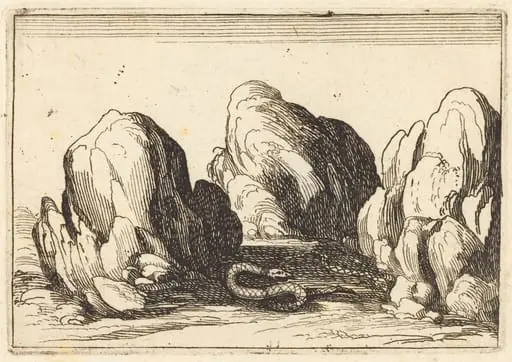
Serpent
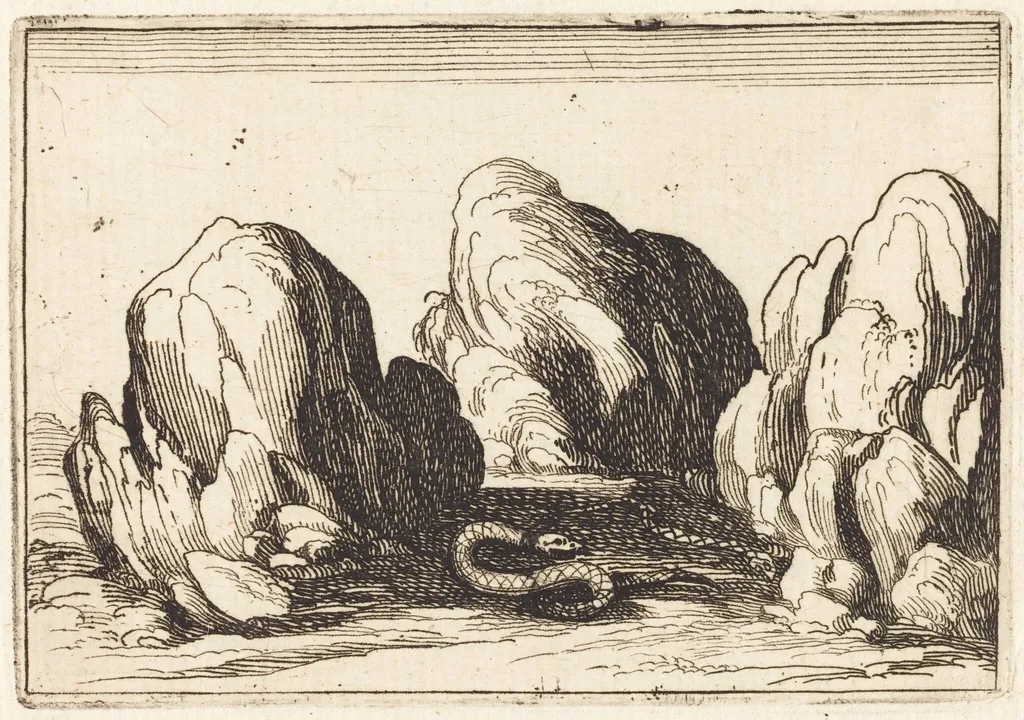
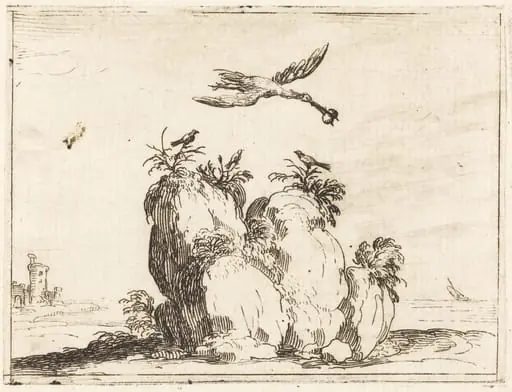
Serpent is an ink print by the Baroque artist Jacques Callot. It dates from 1628 and is held in the collection of the National Gallery of Art.
About this work
Overview
Serpent, an etching on laid paper created by Jacques Callot in 1628, exemplifies the artist's prolific printmaking practice, which spanned over 1,400 works documenting various aspects of 17th-century life.
Subject & Meaning
The central subject of *Serpent* is a coiled serpent navigating through water amidst varied rocks, some partially submerged. The detailed depiction, including visible scales, suggests a focus on realism within a naturalistic, possibly symbolic, context.
Technique & Style
Callot's use of etching techniques in *Serpent* achieves a profound sense of depth and texture, enhanced by the manipulation of light and shadow, characteristic of Baroque sensibilities.
History & Provenance
Created in 1628 by Jacques Callot, a renowned French Baroque printmaker from Lorraine, *Serpent* is part of a broader oeuvre that included secular, religious, and everyday life themes, often set against detailed backgrounds.
Context
*Serpent* fits within the Baroque movement's emphasis on dramatic lighting and detailed realism. Callot's work, while distinct, shares this period's artistic values, reflecting the era's diverse subject matter in printmaking.
Legacy
As part of Callot's extensive body of work, *Serpent* contributes to the artist's influence on subsequent printmaking and the documentation of Baroque-era aesthetics and themes.
Artist & collection
Artist
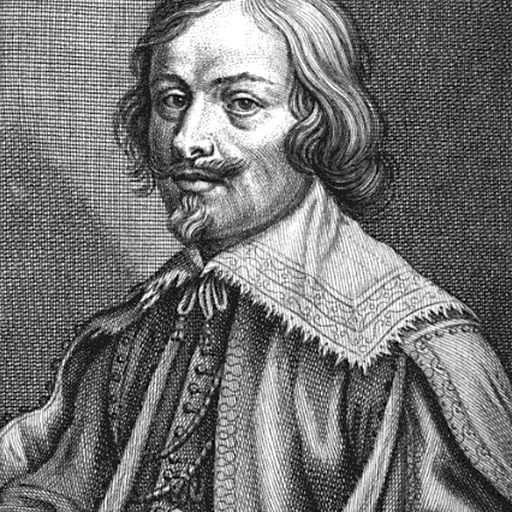
Jacques Callot was a baroque printmaker and draftsman from the Duchy of Lorraine.

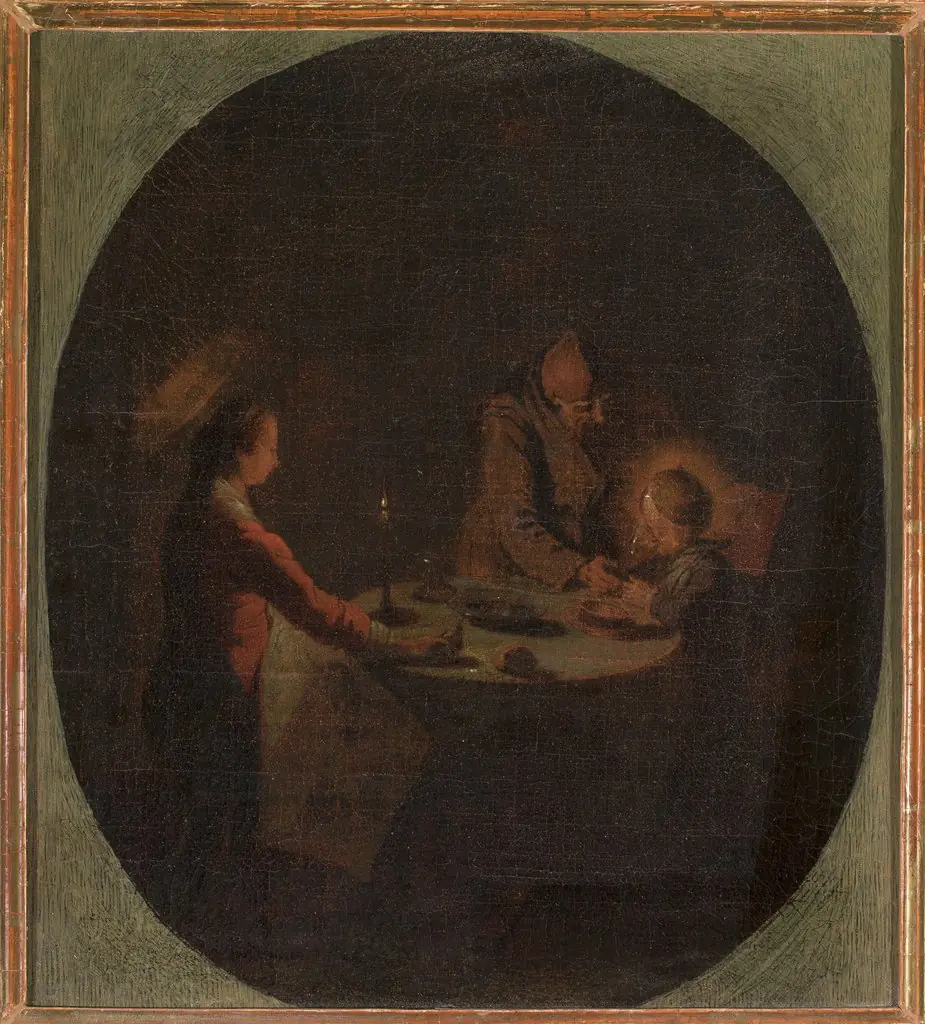 Holy Family at supper
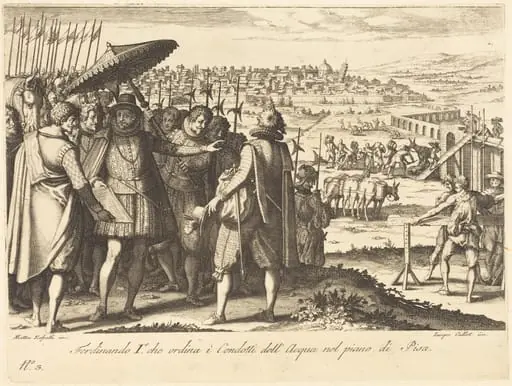 Restoration of the Aqueduct at Pisa
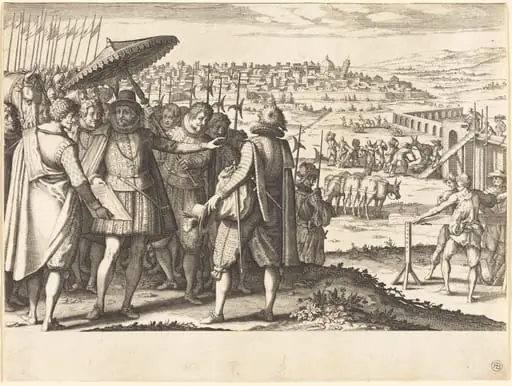 Restoration of the Aqueduct at Pisa
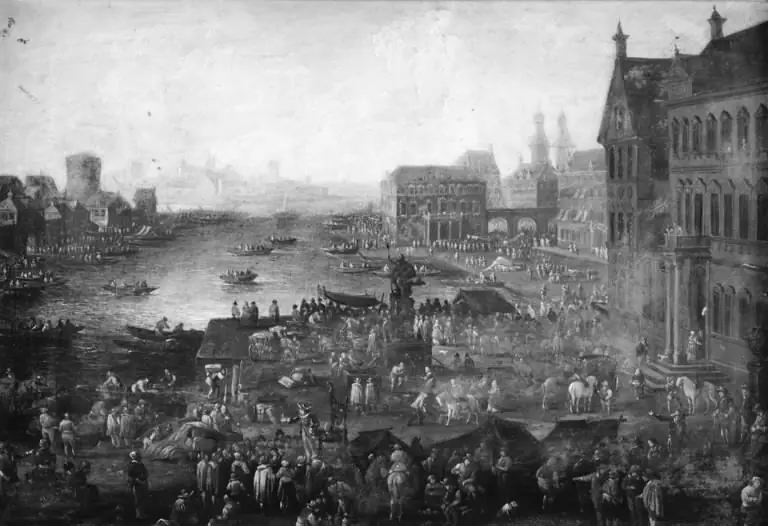 Square in Paris with Many Figures
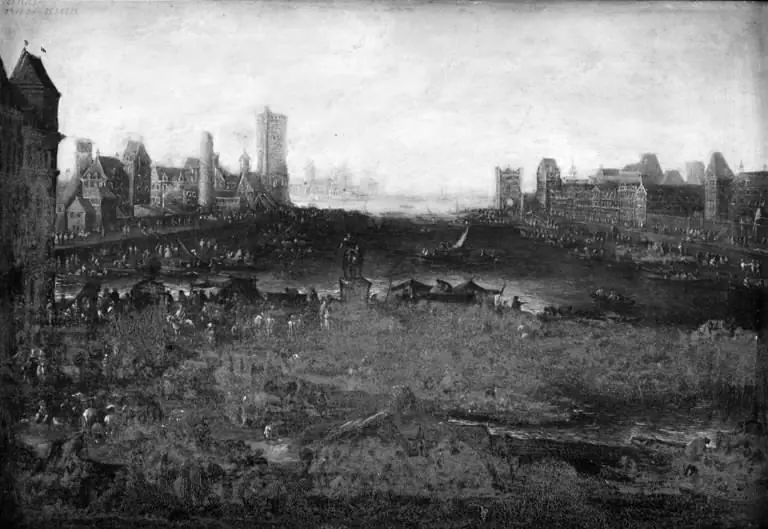 Square in Paris with Many Figures
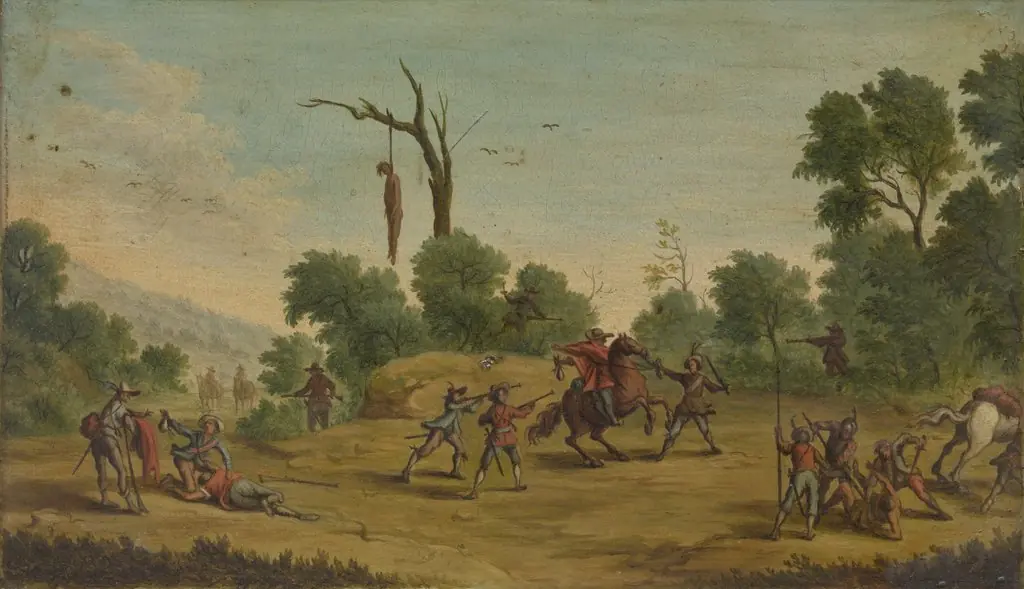 Horsemen Attacked by Robbers
 HOW WILL A COVERED PART BE CORRECTED?HOW WIKA A COVERED HEART DEED CORRECTED?
![Christ Walking on the Water [second plate], by Jacques Callot](https://artifactworldgallery.com/img/jacques-callot--christ-walking-on-the-water-second-plate--2069f3bfe4cb2126-w320.webp) Christ Walking on the Water [second plate]
Christ Walking on the Water [second plate]