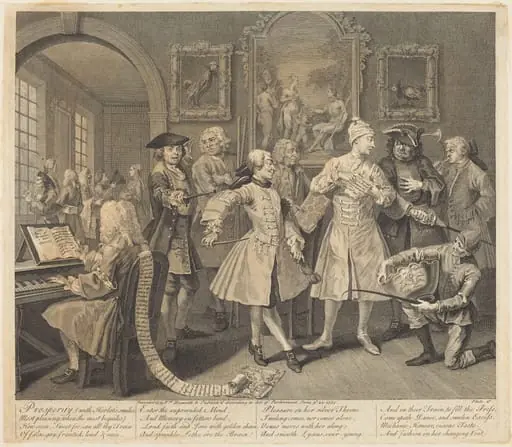
Artwork
The Card Players
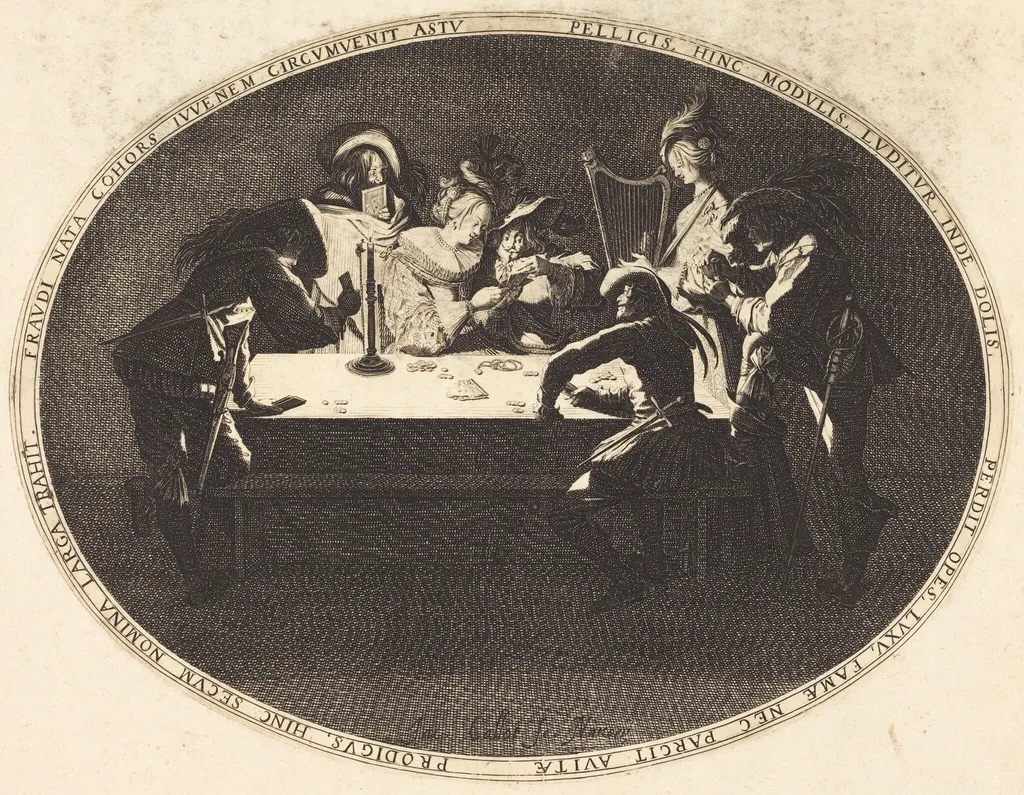
The Card Players is an ink print by the Baroque artist Jacques Callot. It dates from 1628 and is held in the collection of the National Gallery of Art.
About this work
Overview
Created around 1628 by Jacques Callot, *The Card Players* is an etching and engraving on laid paper that captures a quiet moment of social interaction.
Created around 1628 by Jacques Callot, *The Card Players* is an etching and engraving on laid paper that captures a quiet moment of social interaction. Callot, a prolific printmaker from the Duchy of Lorraine, used fine linear techniques to render a scene of everyday life with precision. The work belongs to a broader body of over 1,400 prints documenting the customs and characters of early 17th-century Europe.
Subject & Meaning
Five figures gather around a table engaged in a card game, each absorbed in their role: a man holds a harp, another leans on a cane, and a woman in an elaborate hat observes intently. Coins, a book, and scattered cards clutter the surface, suggesting both leisure and stakes. The composition conveys tension and unspoken dynamics, reflecting the social complexity of gambling in early modern Europe.
Technique & Style
Callot employed fine etching and engraving to achieve intricate detail and dramatic contrast. Sharp, controlled lines define the figures and textures, while a dark, unmodeled background isolates the group, heightening focus. His mastery of line allows subtle expressions and gestures to emerge, transforming a simple scene into a psychologically charged moment through meticulous draftsmanship.
History & Provenance
The print was produced during Callot’s mature period in Nancy, where he documented regional life with scholarly interest. While specific early ownership records are sparse, the work entered major collections in the 18th and 19th centuries, valued for its technical innovation and ethnographic insight. It remains part of institutional print collections today, studied for its representation of common life.
Context
In early 17th-century Europe, card games were common among all classes, often associated with both entertainment and moral risk. Callot’s prints, including this one, reflect a growing interest in portraying ordinary people with dignity and nuance. His work stands apart from idealized court imagery, offering instead a candid view of social behavior in a time of political and religious upheaval.
Legacy
Callot’s detailed etchings influenced generations of printmakers across Europe, particularly in their treatment of genre scenes. *The Card Players* exemplifies his ability to elevate everyday moments through technical precision and psychological observation. His approach helped establish printmaking as a legitimate medium for social commentary, paving the way for later artists like Rembrandt and Goya.
Artist & collection
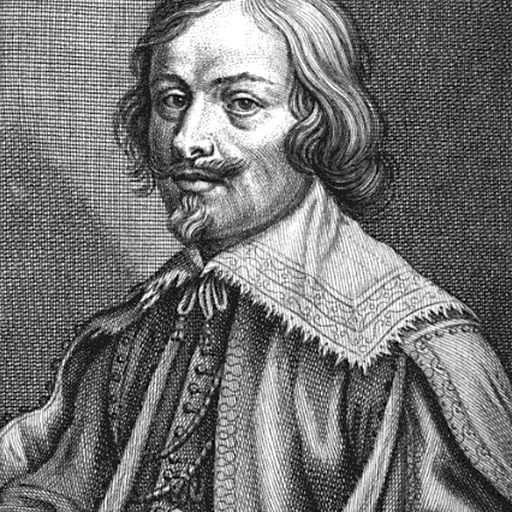
Artist
Jacques Callot was a baroque printmaker and draftsman from the Duchy of Lorraine.

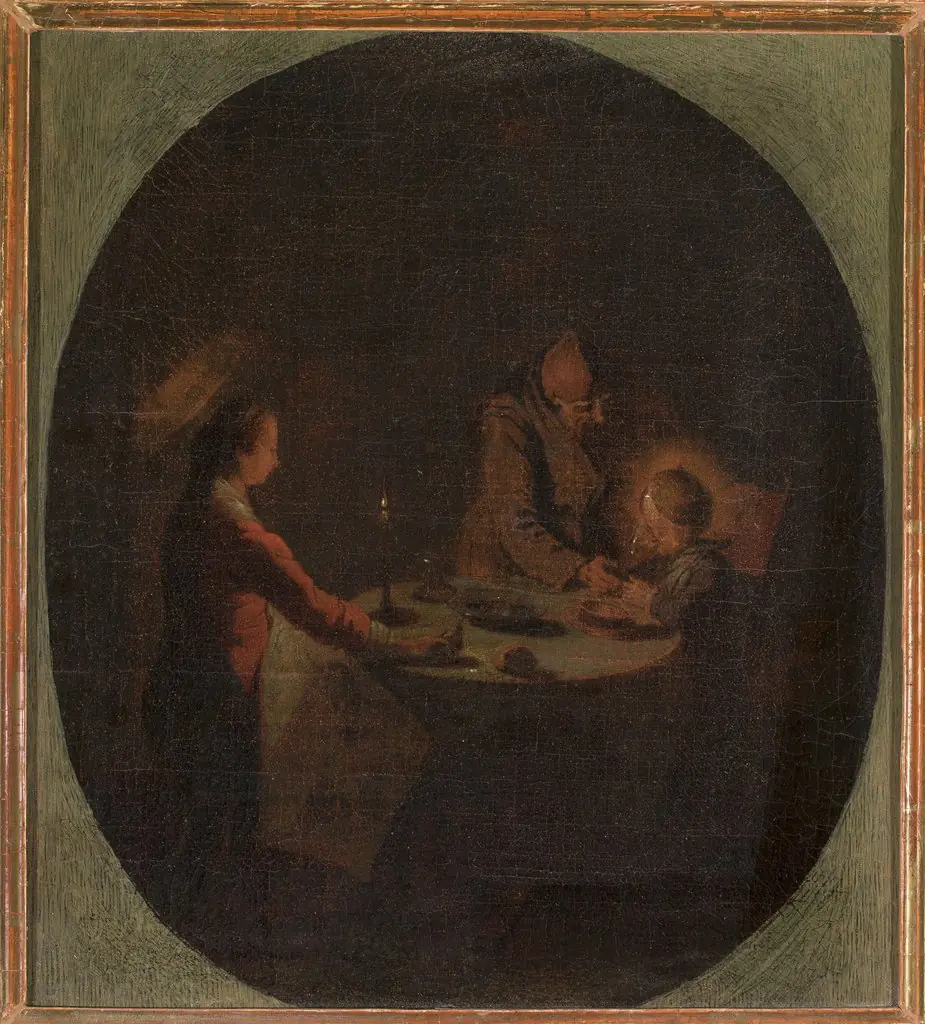 Holy Family at supper
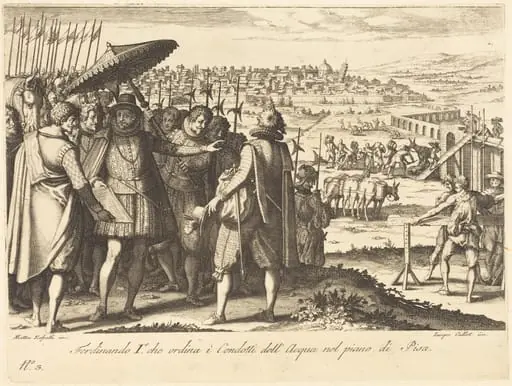 Restoration of the Aqueduct at Pisa
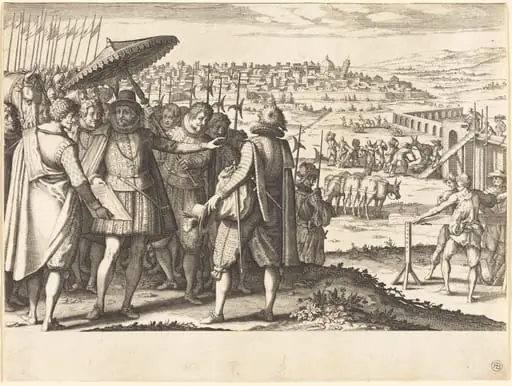 Restoration of the Aqueduct at Pisa
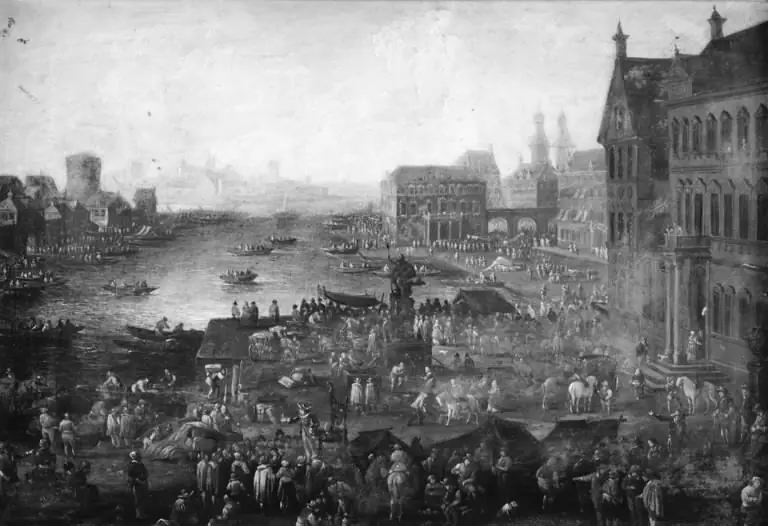 Square in Paris with Many Figures
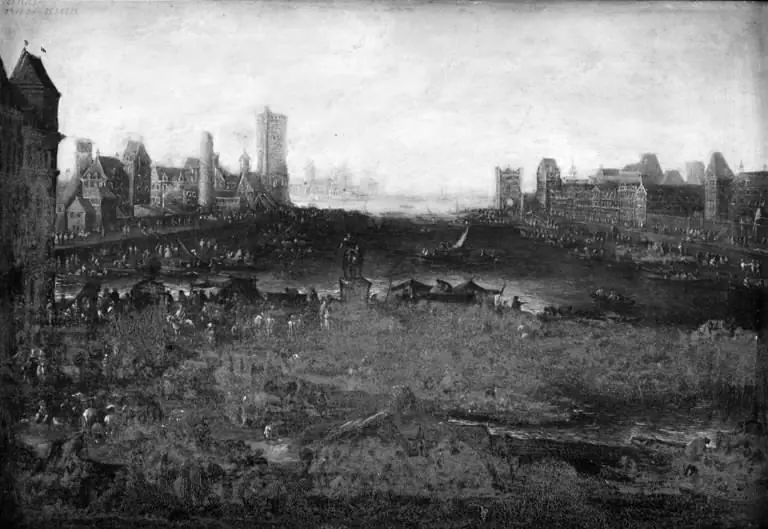 Square in Paris with Many Figures
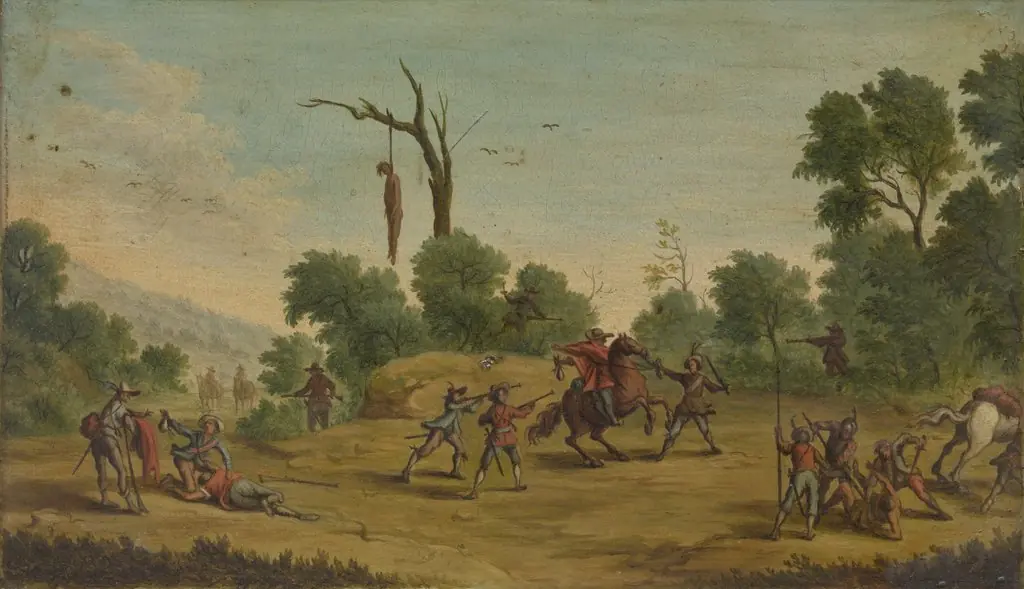 Horsemen Attacked by Robbers
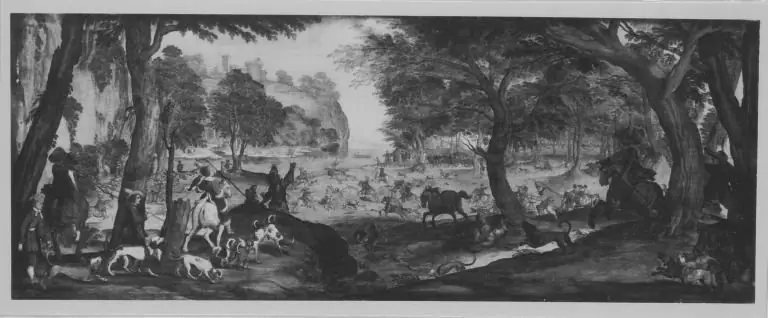 HOW WILL A COVERED PART BE CORRECTED?HOW WIKA A COVERED HEART DEED CORRECTED?
![Christ Walking on the Water [second plate], by Jacques Callot](https://artifactworldgallery.com/img/jacques-callot--christ-walking-on-the-water-second-plate--2069f3bfe4cb2126-w320.webp) Christ Walking on the Water [second plate]
Christ Walking on the Water [second plate]