Artwork
The Fair at Xeuilley
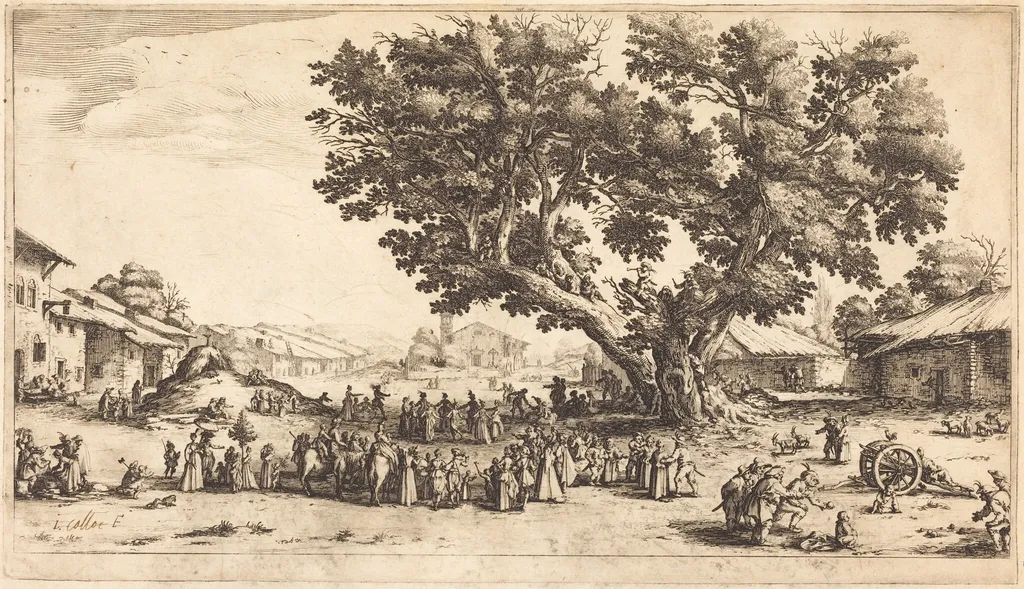
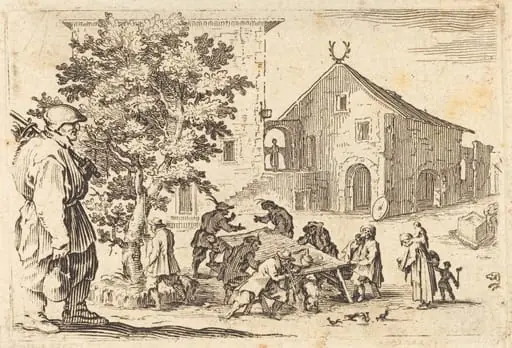
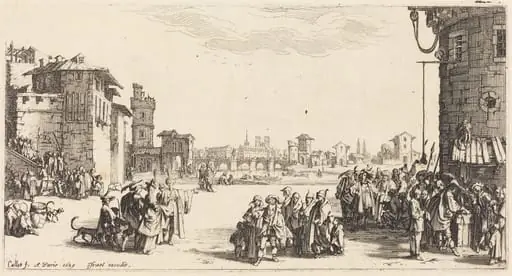
The Fair at Xeuilley is an ink print by the Baroque artist Jacques Callot. It dates from 1624 and is held in the collection of the National Gallery of Art.
About this work
Overview
Created in 1624, *The Fair at Xeuilley* is an etching on laid paper by Jacques Callot, a French printmaker active in the early seventeenth century. The work depicts a lively village fair, populated by figures moving among stalls, carts, and thatched houses, all set beneath a spreading tree and beside a small stream.
Subject & Meaning
The composition records a moment of communal activity, emphasizing the social interactions of market-goers, merchants, and entertainers. By portraying ordinary people engaged in trade and conversation, the print offers a visual document of everyday life in a provincial setting, reflecting the baroque interest in dynamic, populated scenes.
Technique & Style
Callot employed fine, controlled lines characteristic of his etching method, rendering textures such as bark, fabric folds, and thatch with precision. The use of deep shadows and varied line density creates a sense of depth, while the expansive landscape background balances the crowded foreground, illustrating his skill in integrating detailed figures within broader settings.
History & Provenance
Part of Callot’s prolific output of more than 1,400 etchings, the print was produced during his most active period in Lorraine. It circulated among collectors of the time, contributing to Callot’s reputation as a chronicler of contemporary scenes, though specific ownership records for this particular impression are limited.
Context
The early seventeenth‑century French baroque favored vivid depictions of public life, and Callot’s work aligns with that trend. His prints often served both as artistic achievements and as visual records of social customs, providing insight into the economic and cultural milieu of rural France.
Legacy
*The Fair at Xeuilley* exemplifies Callot’s influence on later printmakers, who adopted his meticulous line work and narrative approach. The image remains a valuable reference for scholars studying baroque print culture and the visual representation of everyday activities in early modern Europe.
Artist & collection
Artist
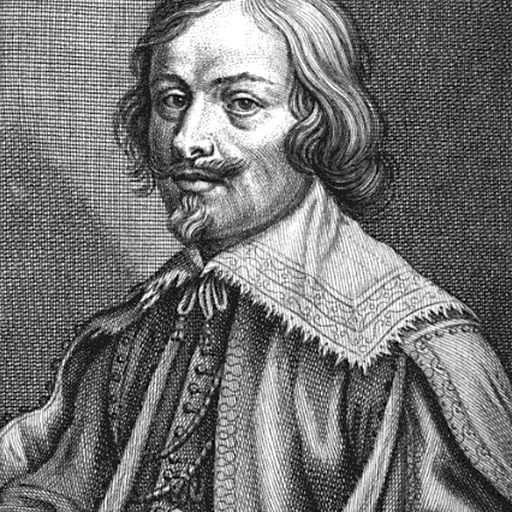
Jacques Callot was a baroque printmaker and draftsman from the Duchy of Lorraine.

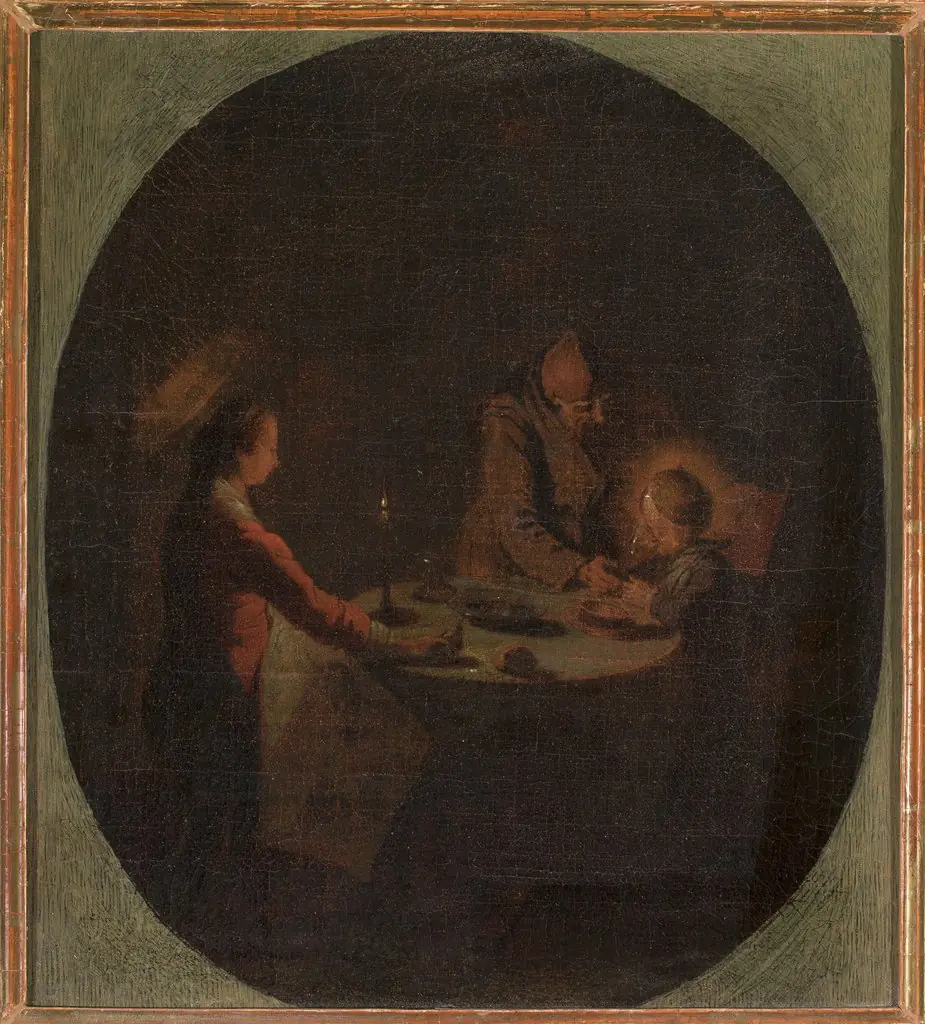 Holy Family at supper
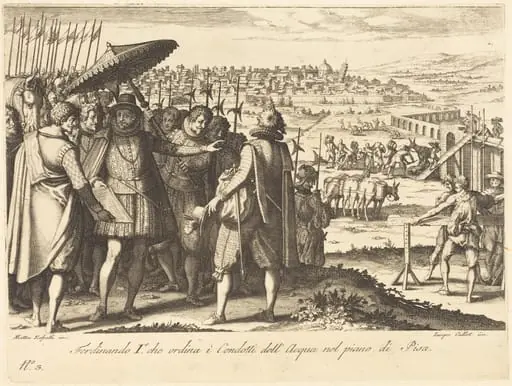 Restoration of the Aqueduct at Pisa
 Restoration of the Aqueduct at Pisa
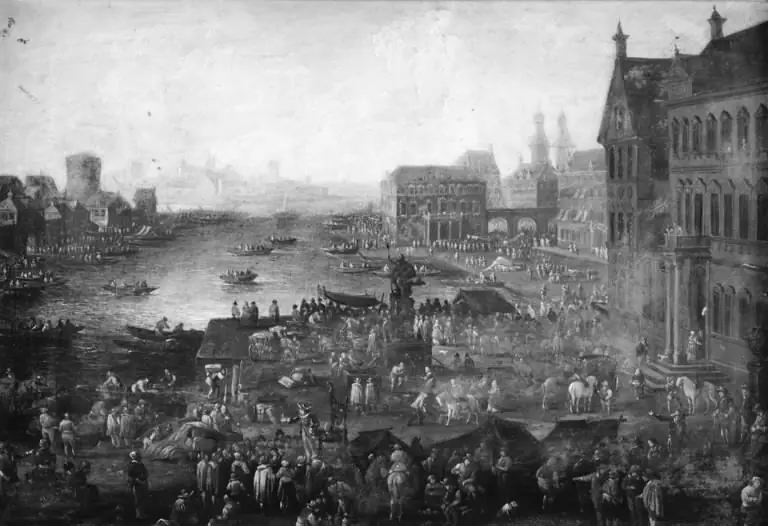 Square in Paris with Many Figures
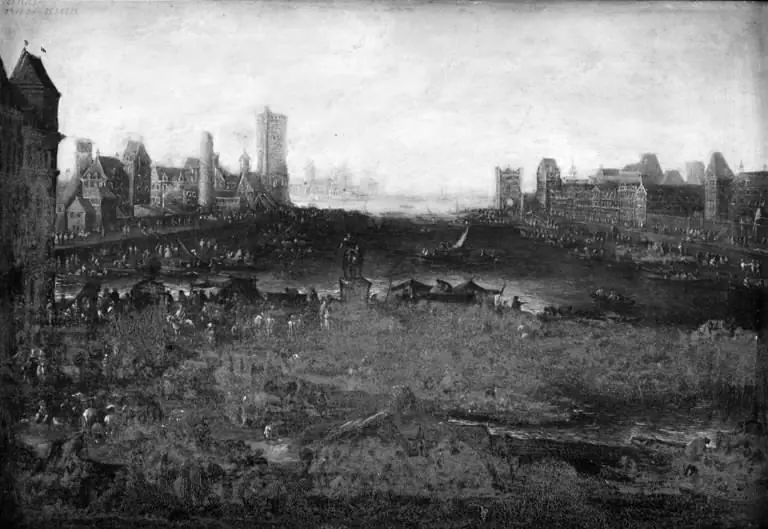 Square in Paris with Many Figures
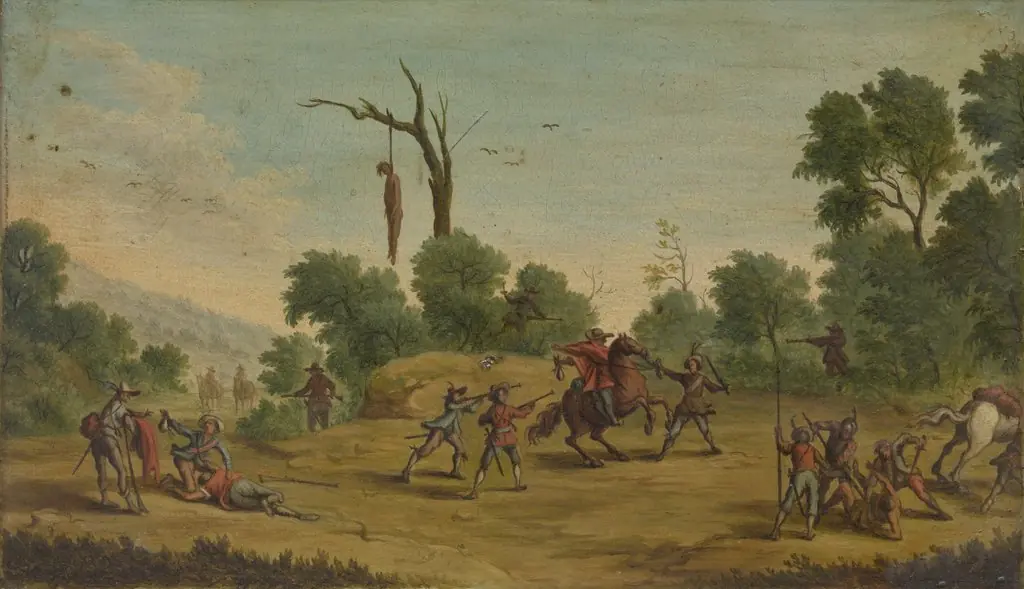 Horsemen Attacked by Robbers
 HOW WILL A COVERED PART BE CORRECTED?HOW WIKA A COVERED HEART DEED CORRECTED?
![Christ Walking on the Water [second plate], by Jacques Callot](https://artifactworldgallery.com/img/jacques-callot--christ-walking-on-the-water-second-plate--2069f3bfe4cb2126-w320.webp) Christ Walking on the Water [second plate]
Christ Walking on the Water [second plate]