Artwork
The Martyrdom of Saint Philip
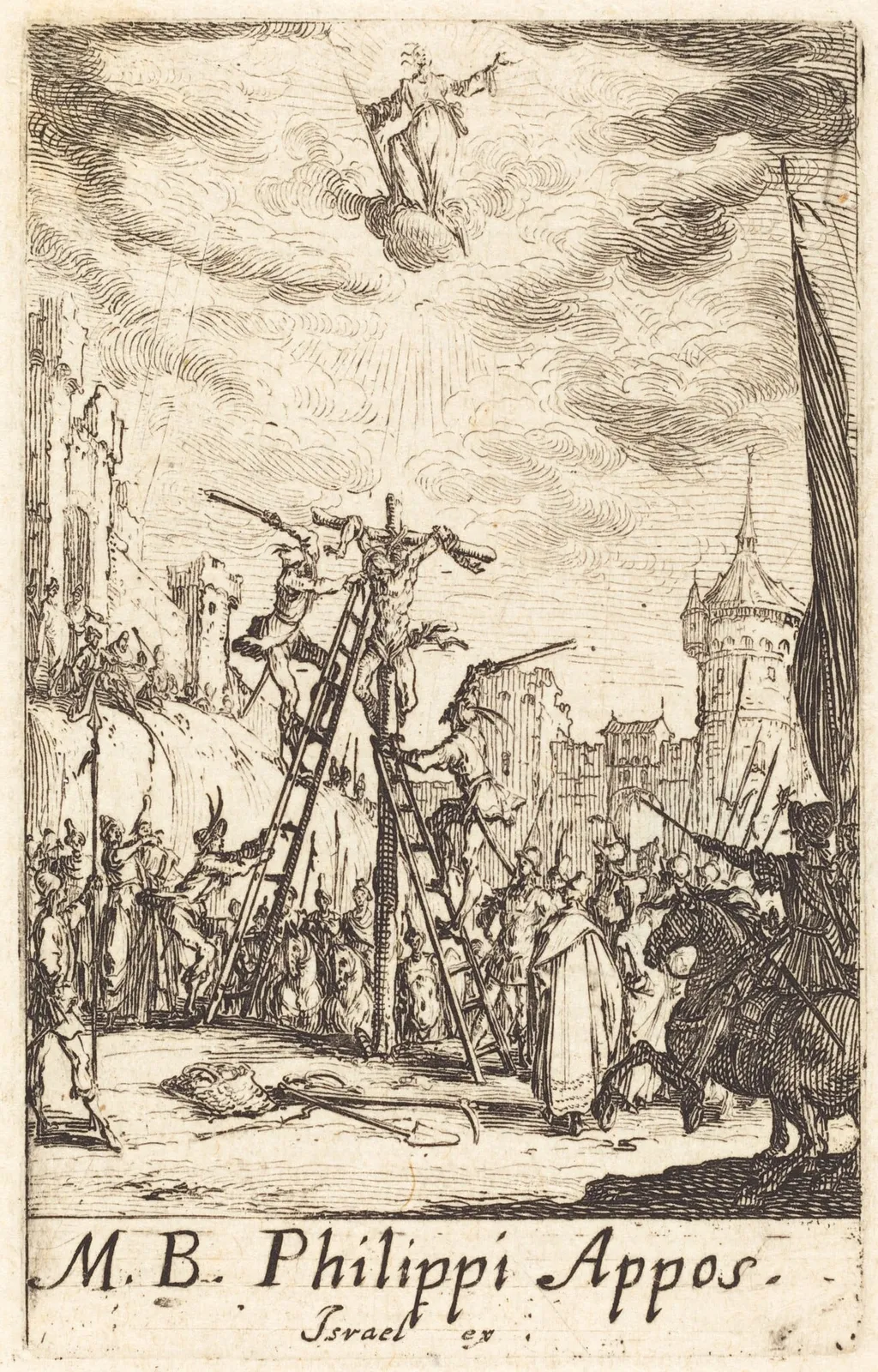
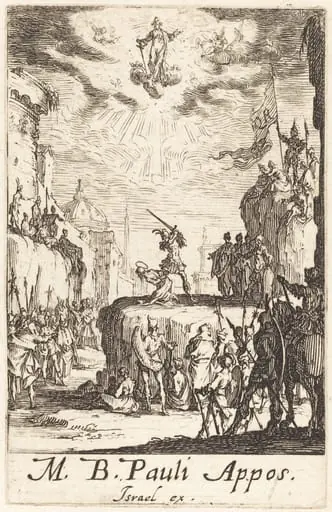
The Martyrdom of Saint Philip is an ink print by the Baroque artist Jacques Callot. It dates from 1634 and is held in the collection of the National Gallery of Art.
About this work
Overview
The Martyrdom of Saint Philip is an etching on laid paper created by French Baroque artist Jacques Callot around 1634. It exemplifies his prolific printmaking career, which spanned over 1,400 works.
Subject & Meaning
The etching depicts the dramatic execution of Saint Philip, surrounded by tense soldiers and onlookers. The scene conveys intense drama, reflecting Callot's ability to capture the emotional depth of religious narratives.
Technique & Style
Callot employed sharp lines and exaggerated figure poses to create a sense of movement and urgency. The structured composition, characteristic of his style, balances the chaotic scene, while the dark, swirling sky amplifies the tension.
History & Provenance
Created circa 1634, this work is part of Callot's extensive oeuvre documenting religious, military, and landscape themes of his era. Specific provenance details are not provided.
Context
As a Baroque printmaker, Callot's work, including *The Martyrdom of Saint Philip*, would have been widely disseminated, contributing to the popular religious and artistic narratives of 17th-century Europe.
Legacy
This etching demonstrates Callot's influence on the development of etching techniques and the dissemination of religious themes through printmaking, impacting the broader European artistic landscape.
Artist & collection
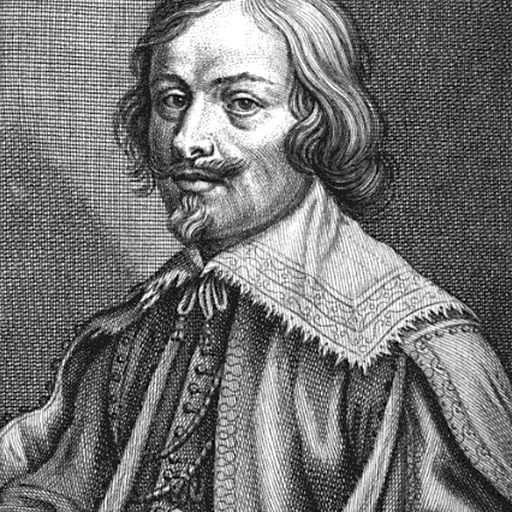
Artist
Jacques Callot was a baroque printmaker and draftsman from the Duchy of Lorraine.

 Holy Family at supper
 Restoration of the Aqueduct at Pisa
 Restoration of the Aqueduct at Pisa
 Square in Paris with Many Figures
 Square in Paris with Many Figures
 Horsemen Attacked by Robbers
 HOW WILL A COVERED PART BE CORRECTED?HOW WIKA A COVERED HEART DEED CORRECTED?
![Christ Walking on the Water [second plate], by Jacques Callot](https://artifactworldgallery.com/img/jacques-callot--christ-walking-on-the-water-second-plate--2069f3bfe4cb2126-w320.webp) Christ Walking on the Water [second plate]
Christ Walking on the Water [second plate]