Artwork
Boulevard Montmartre, morning, cloudy weather
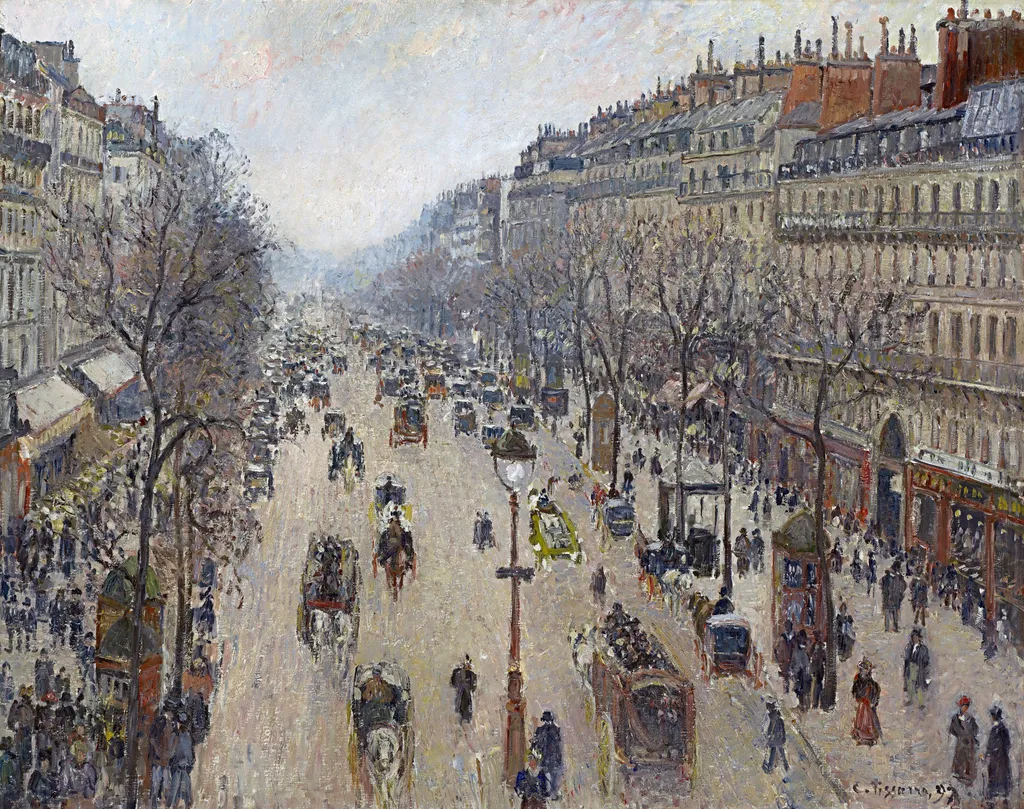
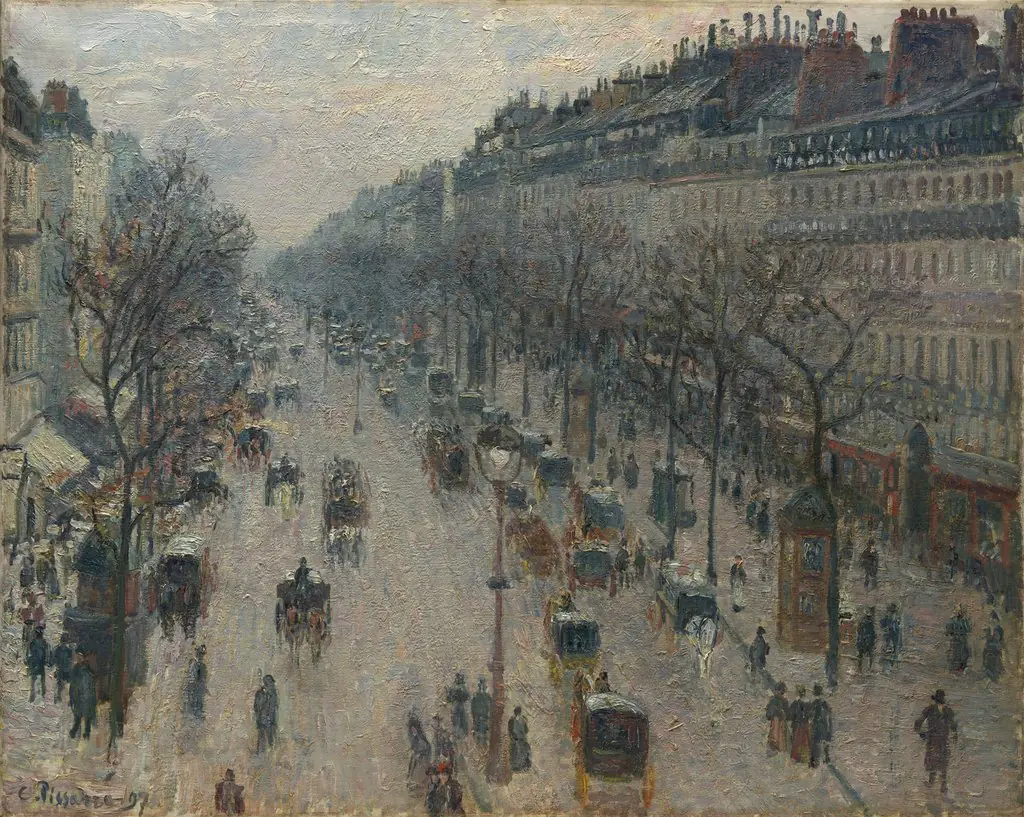
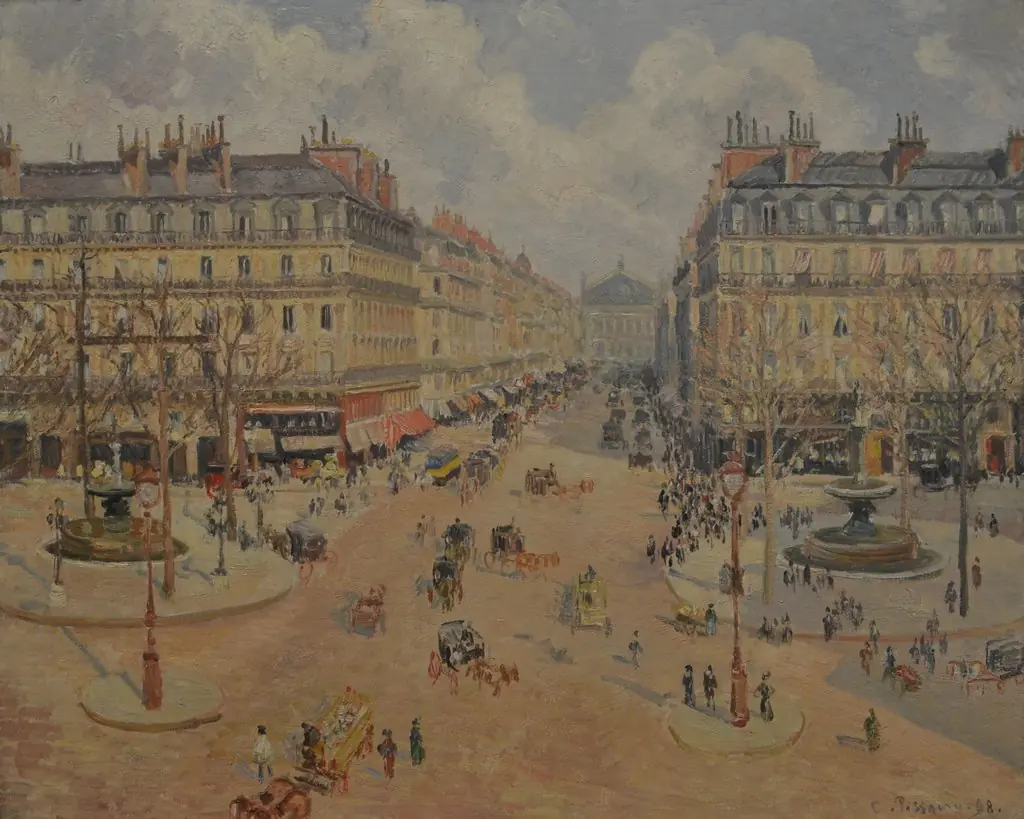
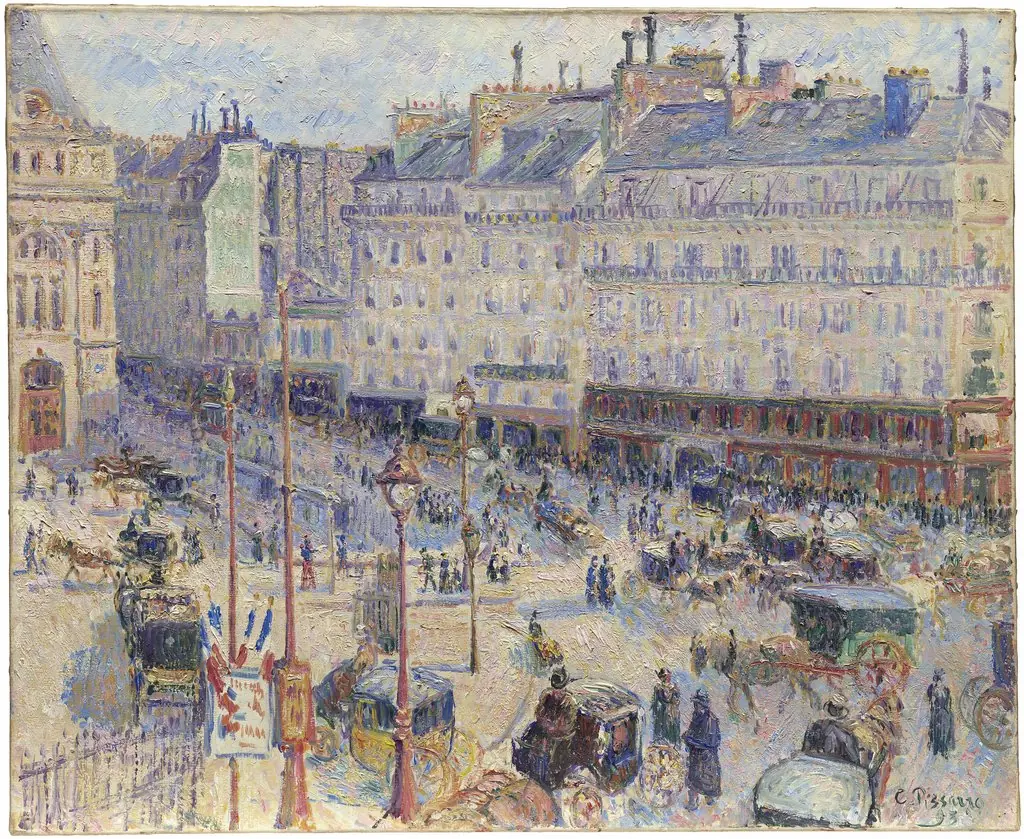
Boulevard Montmartre, morning, cloudy weather is an oil painting by Camille Pissarro. It dates from 1899 and is held in the collection of the National Gallery of Victoria. Painted in 1899, this oil on canvas depicts Boulevard Montmartre in Paris under a overcast sky.
About this work
Overview
Painted in 1899, this oil on canvas depicts Boulevard Montmartre in Paris under a overcast sky.
Painted in 1899, this oil on canvas depicts Boulevard Montmartre in Paris under a overcast sky. Camille Pissarro, a central figure in the Impressionist movement, turned to Neo-Impressionist methods in his later years, applying small, deliberate strokes to capture the fleeting effects of light and atmosphere. The scene reflects his sustained interest in urban life and the rhythms of the modern city.
Subject & Meaning
The painting portrays a quiet weekday morning on one of Paris’s most active thoroughfares. Pedestrians and horse-drawn vehicles move along the boulevard beneath tall, uniform buildings and leafless trees. Rather than emphasizing spectacle, Pissarro focuses on the ordinary flow of daily life, suggesting a contemplative observation of urban routine rather than its grandeur.
Technique & Style
Pissarro employed a pointillist-inspired technique, using short, broken brushstrokes to build form and texture. Colors are subdued—pale grays, muted browns, and soft blues—reflecting the diffused light of a cloudy day. The method creates a shimmering surface that conveys movement without sharp definition, aligning with Neo-Impressionist principles while retaining the observational sensitivity of Impressionism.
History & Provenance
Created during the final phase of Pissarro’s career, the painting belongs to a series of views of Boulevard Montmartre he produced from his hotel room in 1897–98. It entered the collection of the National Gallery of Victoria in Melbourne in 1974, acquired through the Felton Bequest, a major source of European art for the institution.
Context
In the late 1890s, Paris was undergoing rapid modernization, and Pissarro, living near the boulevard, documented its transformation with consistent attention. While many contemporaries focused on leisure or spectacle, he turned to the mundane rhythms of traffic, weather, and architecture, offering a quiet counterpoint to the era’s accelerating pace.
Legacy
This work exemplifies Pissarro’s evolution from traditional Impressionism toward structured, scientific approaches to color and light. Though less celebrated than his earlier works, these late urban scenes demonstrate his enduring commitment to observing modern life with patience and precision, influencing later generations of realist and urban painters.
Own this work as a print
Artist & collection
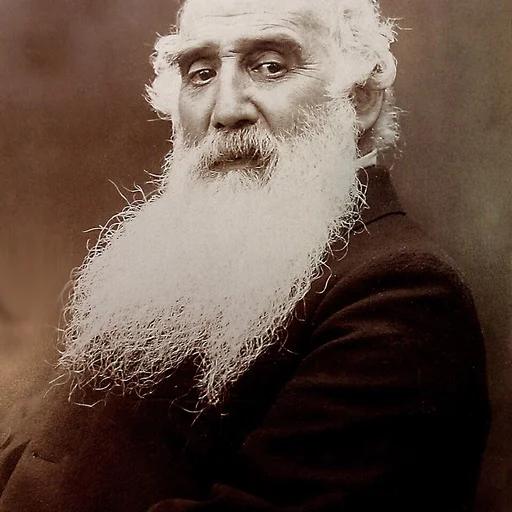
Artist
Jacob Abraham Camille Pissarro ( piss-AR-oh; French: ; 10 July 1830 – 13 November 1903) was a Danish-French Impressionist and Neo-Impressionist painter born on the island of Saint Thomas (now in the US Virgin Islands, but then in the…