Artwork
Woodland scene. Spring
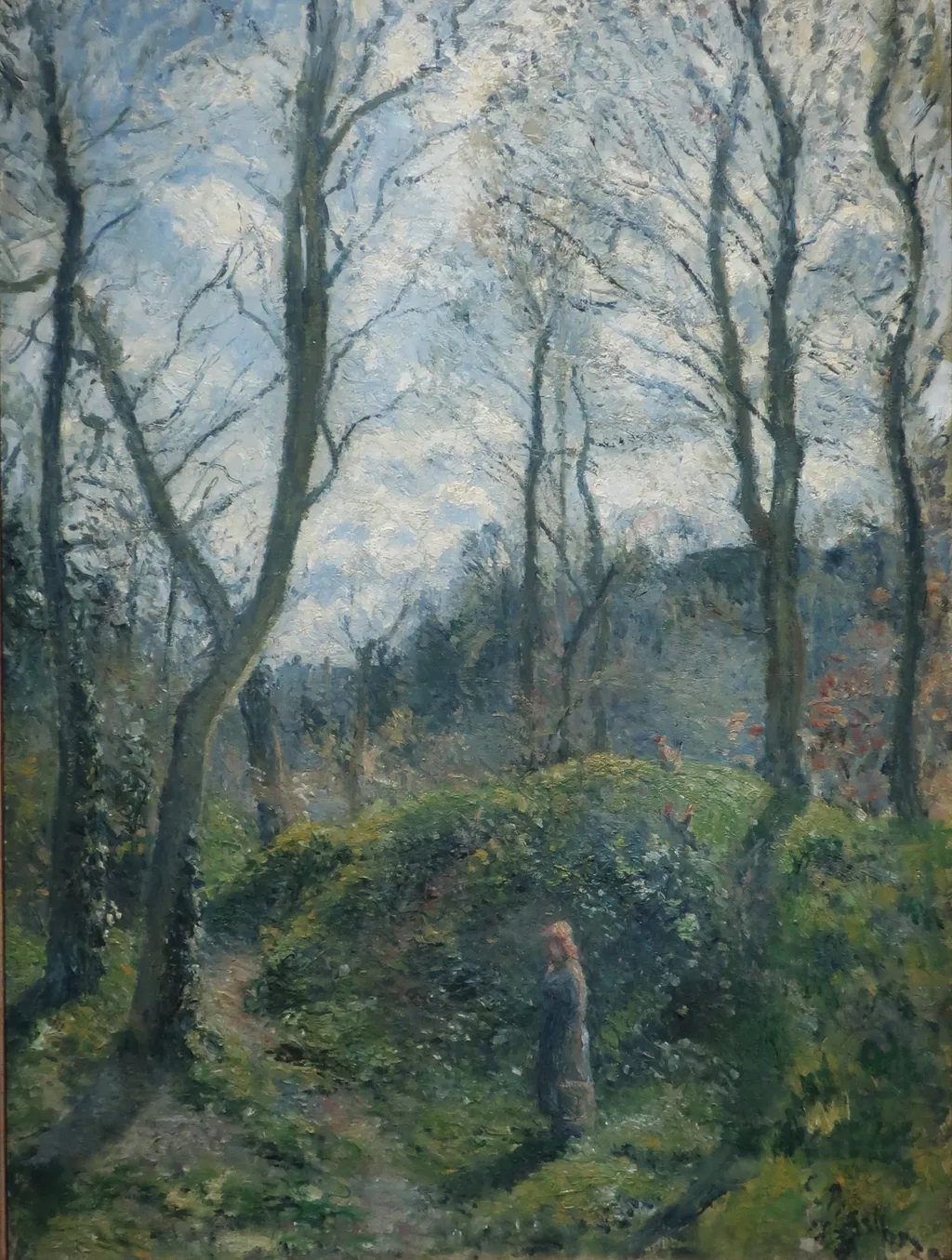
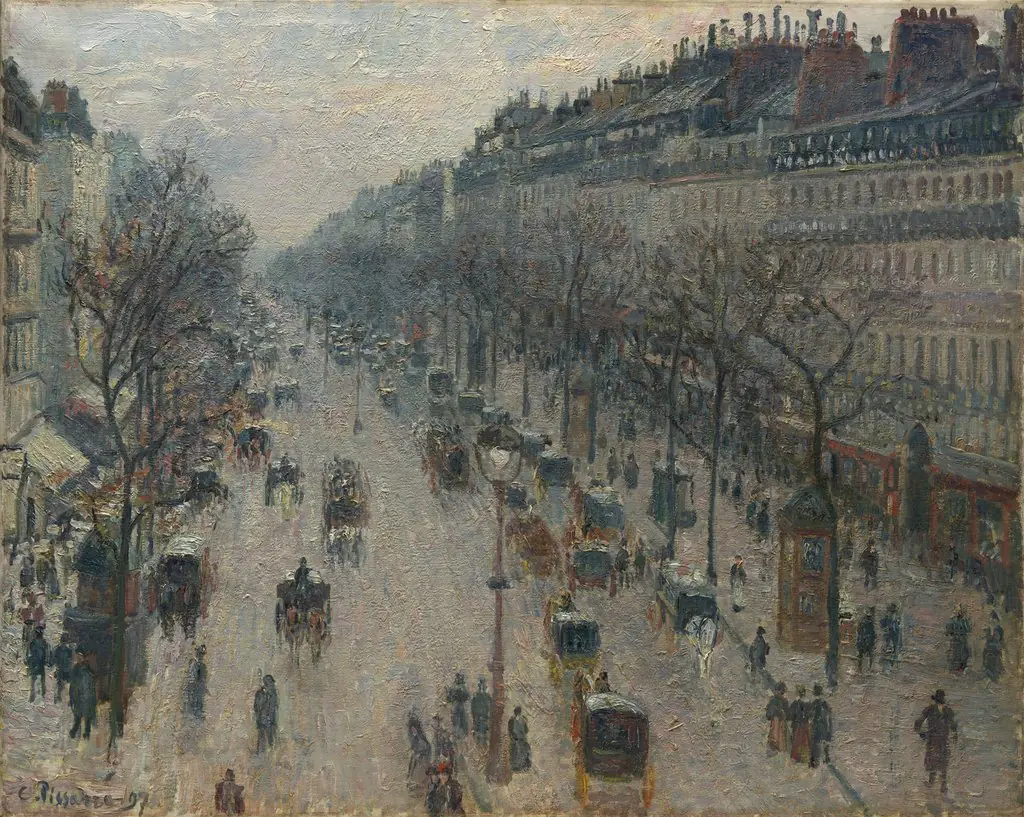
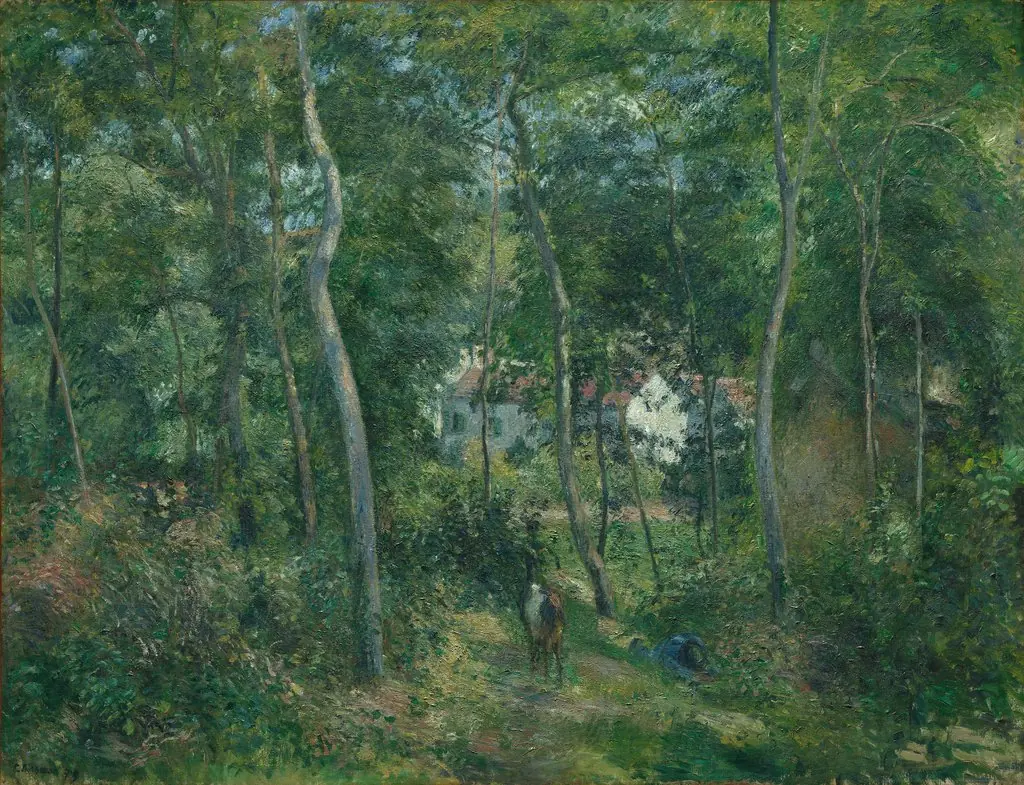
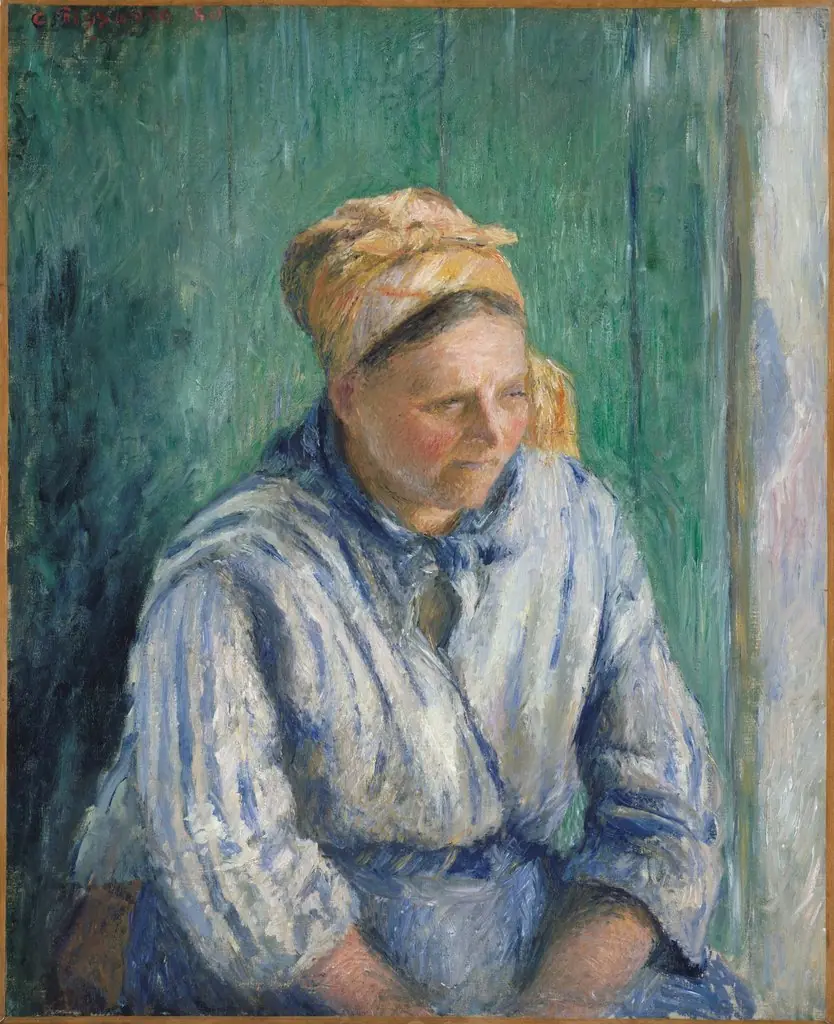
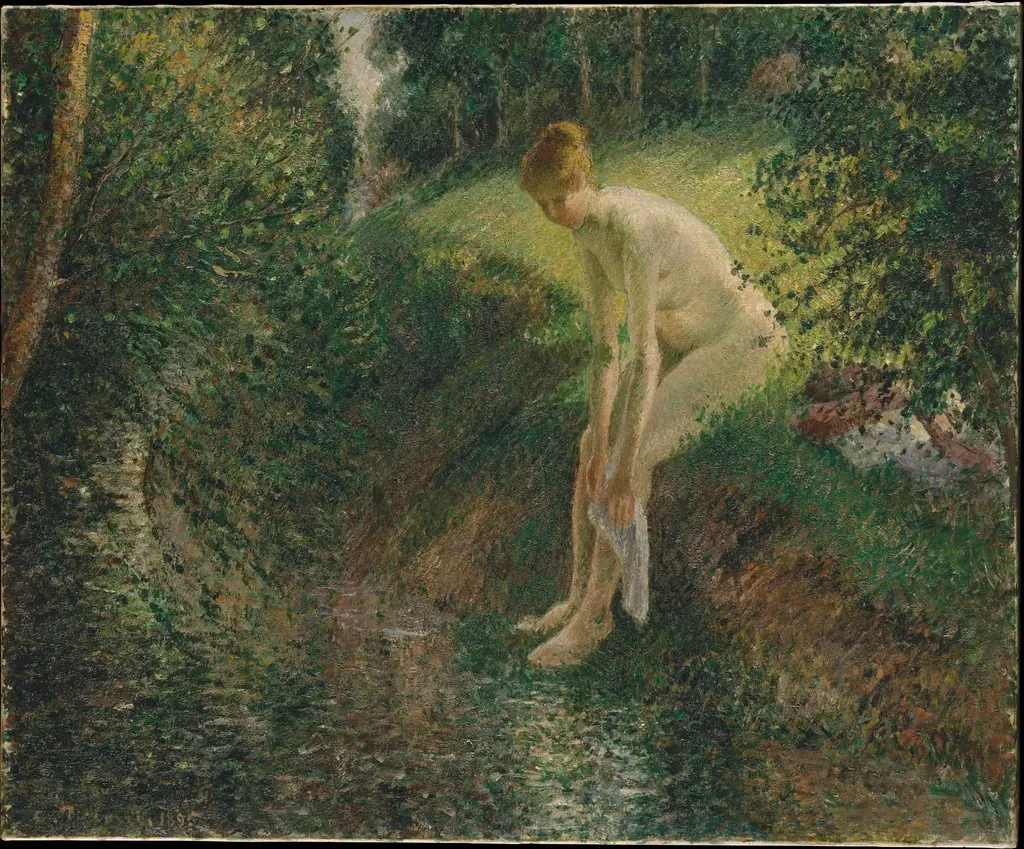
Woodland scene. Spring is an oil painting by the Impressionist artist Camille Pissarro. It dates from 1890 and is held in the collection of the Statens Museum for Kunst.
About this work
Overview
Camille Pissarro’s 1890 oil painting *Woodland Scene. Spring* presents a quiet forest clearing in which a solitary woman stands centrally. Rendered in the Impressionist manner, the work captures a moment of stillness under a pale blue sky, with bare trees suggesting an early spring atmosphere.
Subject & Meaning
The lone figure, dressed in a dark, flowing gown, turns her head slightly to the right, creating a subtle focal point within the natural setting. The composition emphasizes the relationship between human presence and the surrounding landscape, inviting contemplation of solitude amid renewal.
Technique & Style
Pissarro employs a muted palette of greens, browns, and soft blues, applying brushwork that conveys texture and depth. Light and shadow are modeled through chiaroscuro, enhancing the three‑dimensionality of the trees and the central figure while maintaining the airy quality typical of Impressionist outdoor scenes.
History & Provenance
Born in the Danish West Indies in 1830, Pissarro trained under artists such as Gustave Courbet and Camille Corot before becoming a pivotal figure in Impressionism and later Neo‑Impressionism. *Woodland Scene. Spring* reflects his sustained interest in natural light and plein‑air painting during the later phase of his career.
Context
The painting belongs to a period when Pissarro was exploring rural subjects and the effects of seasonal change. Its focus on a tranquil woodland aligns with his broader efforts to depict everyday environments with fidelity to atmospheric conditions.
Artist & collection
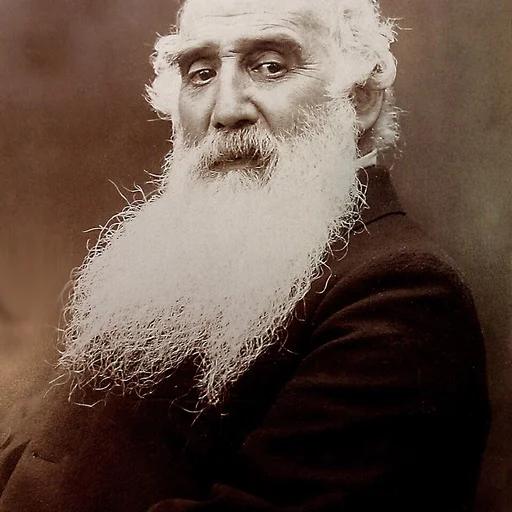
Artist
Jacob Abraham Camille Pissarro ( piss-AR-oh; French: ; 10 July 1830 – 13 November 1903) was a Danish-French Impressionist and Neo-Impressionist painter born on the island of Saint Thomas (now in the US Virgin Islands, but then in the…