Artwork
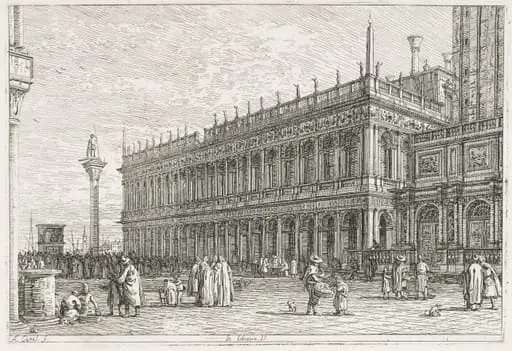
La libreria. V.
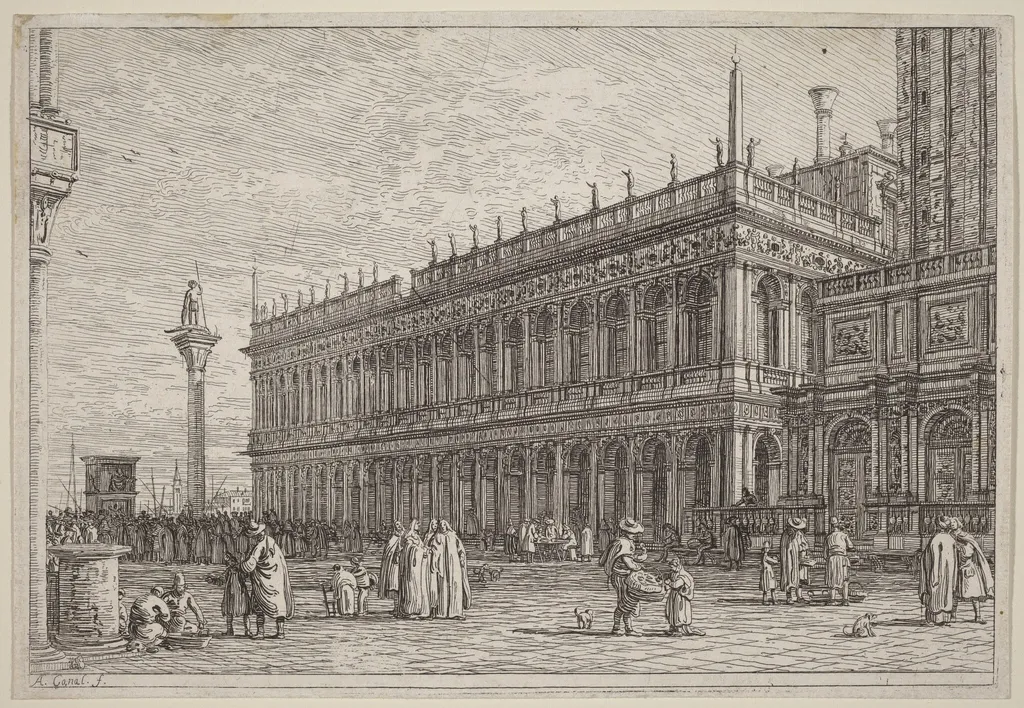
La libreria. V. is an ink print by the Baroque artist Canaletto. It dates from 1742 and is held in the collection of the National Gallery of Art. Created in 1742, *La libreria.
About this work
Overview
Created in 1742, *La libreria. V.* is an etching by Giovanni Antonio Canal, better known as Canaletto. The monochrome print depicts a towering, columned structure crowned with statues, set before a wet pavement and a clear sky. Figures in period dress populate the scene, some conversing, others seated or kneeling, lending a sense of everyday activity to the architectural composition.
Subject & Meaning
The image presents an imagined public building, its grand façade rendered with meticulous detail. By populating the space with passers‑by, Canaletto suggests a civic or cultural function, inviting viewers to contemplate the interaction between architecture and social life in an idealized urban setting.
Technique & Style
Executed in fine‑line etching, the work showcases Canaletto’s command of the medium, with delicate hatching that defines textures from stone carvings to fabric folds. The precision of the lines creates a near‑photographic realism, a hallmark of his approach to architectural representation.
History & Provenance
Canaletto, a leading figure of the eighteenth‑century Venetian school, produced numerous prints alongside his celebrated vedute. *La libreria. V.* reflects his practice of merging observed and invented architectural motifs, a method he employed throughout his printmaking career. The piece remains a testament to his active engagement with etching as a primary means of disseminating his vision.
Artist & collection
Artist
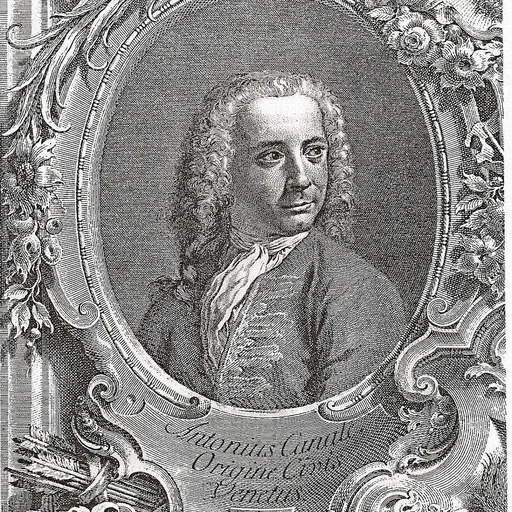
Giovanni Antonio Canal (18 October 1697 – 19 April 1768), commonly known as Canaletto (Italian: ), was an Italian painter from the Republic of Venice, considered an important member of the 18th-century Venetian school.

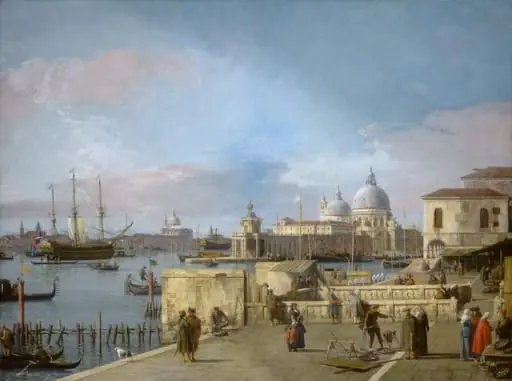
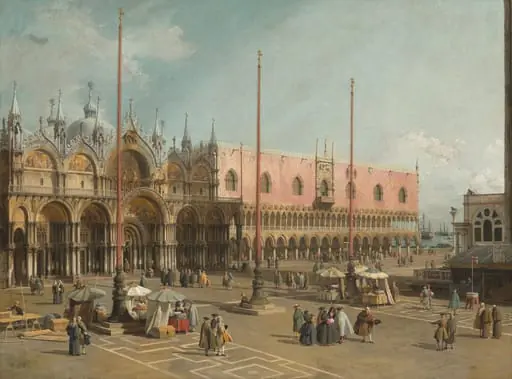
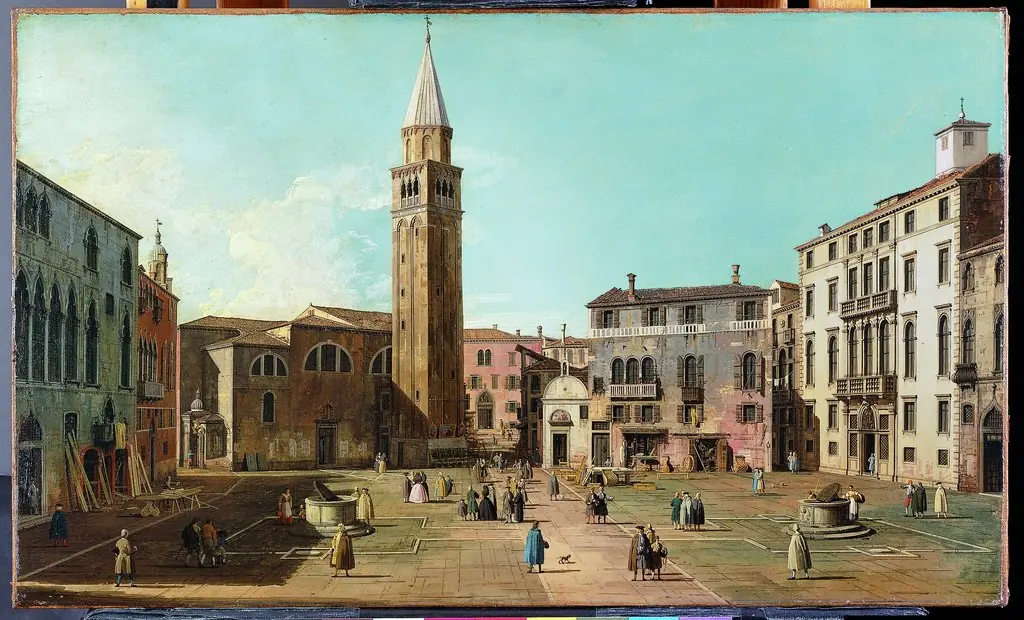
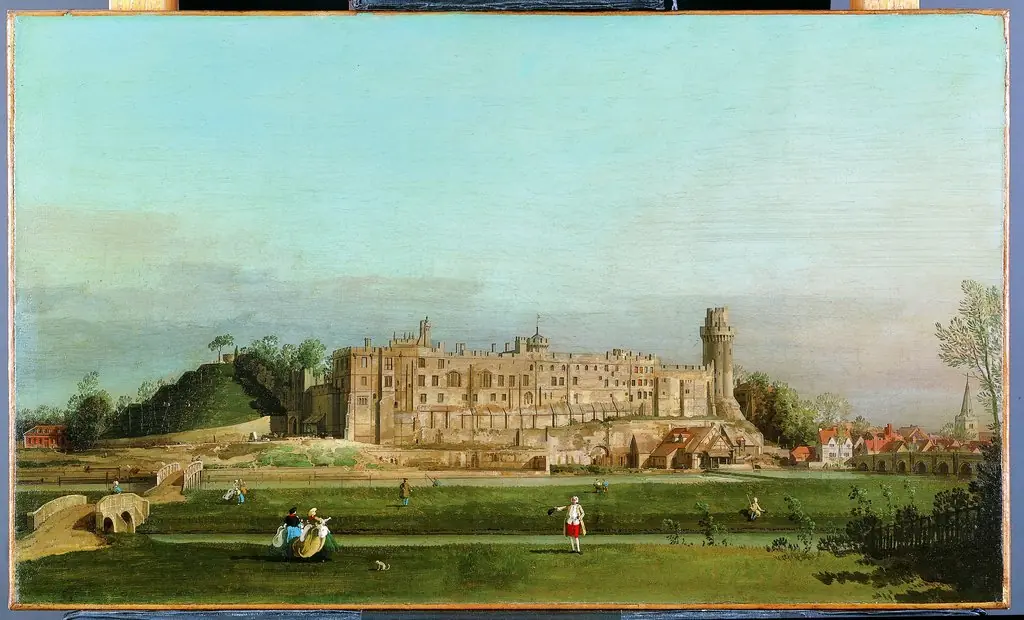
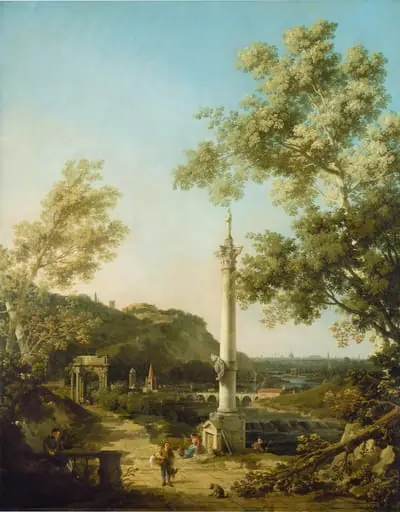
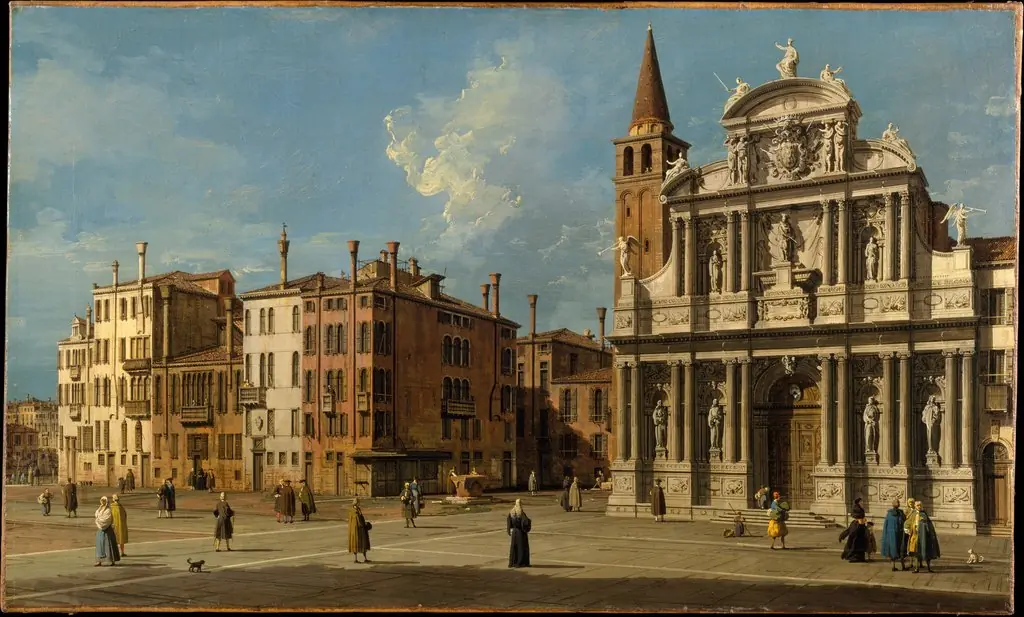
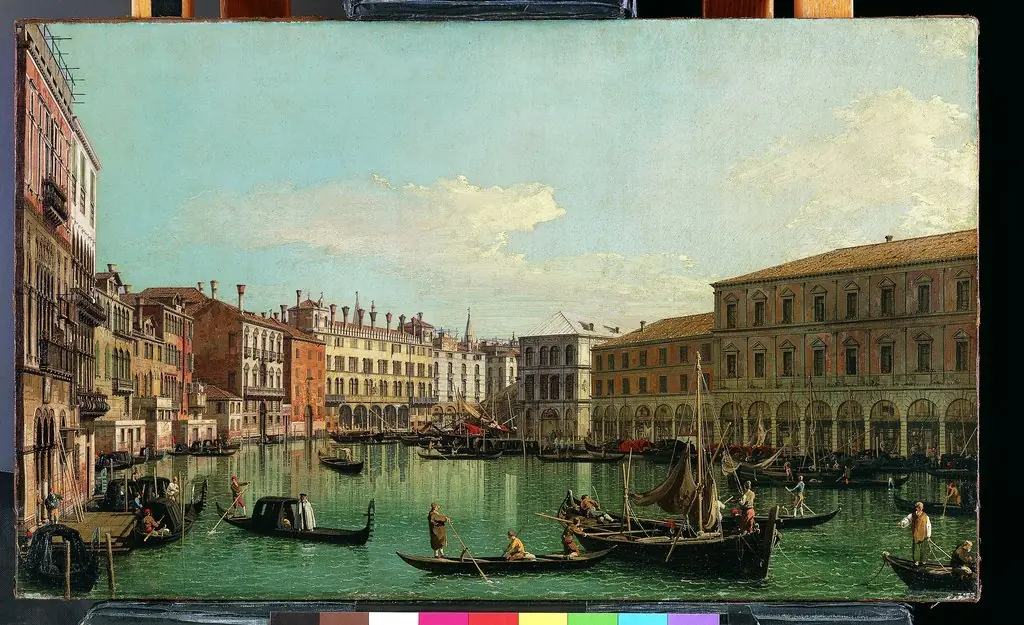
 Views: The Library, Venice
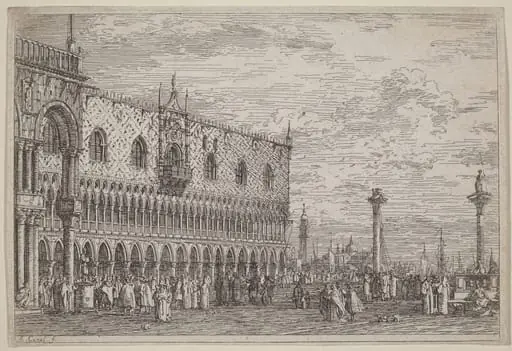 La Piera del Bando. V.
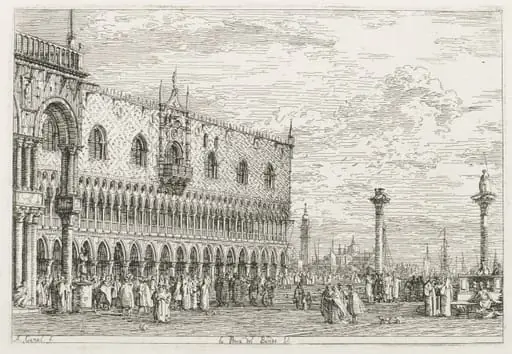 Views: The Stone of Proclamation at Venice
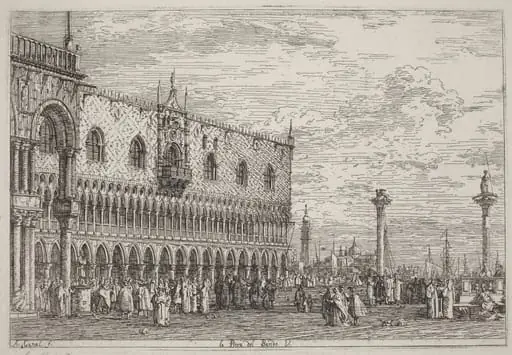 La Piera del Bando. V.
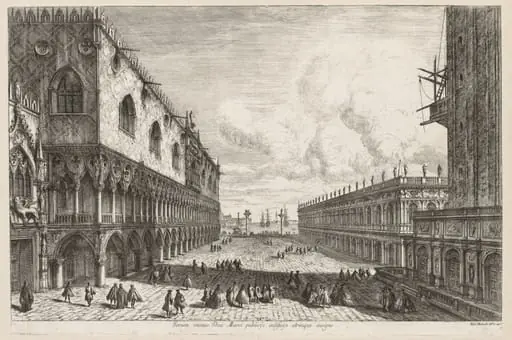 Views of Venice: The Piazzetta
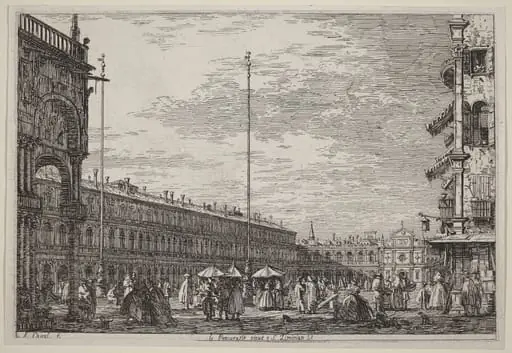 Le Procuratie niove e S. Ziminian V.
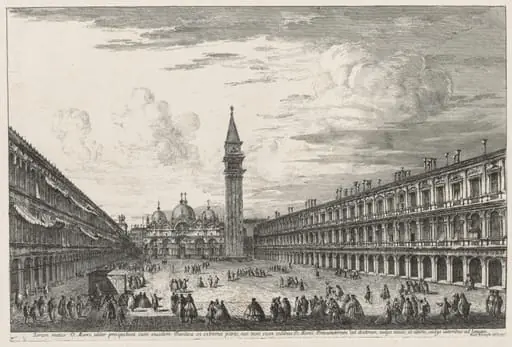 Views of Venice: Piazzo S. Marco
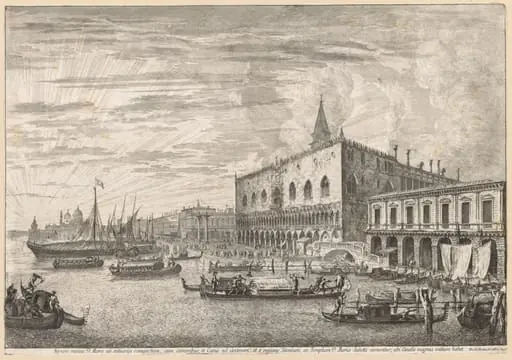 Views of Venice: The Molo and S. M. Della Salute
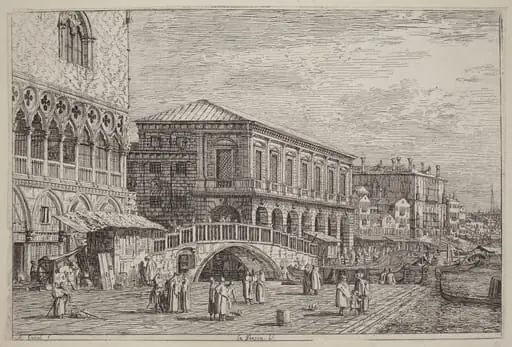 Le Preson. V.
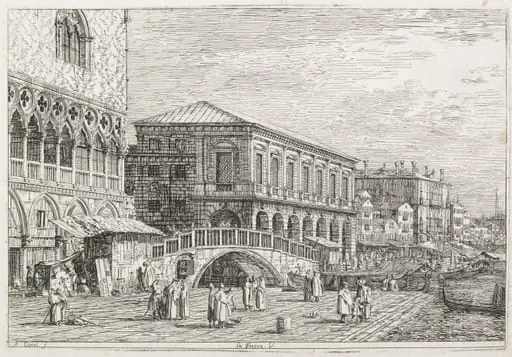 Views: The Prison, Venice
![La Piera del Bando. V. [lower right], by Canaletto](https://artifactworldgallery.com/img/canaletto--la-piera-del-bando-v-lower-right--e5125c188ee0e1bc-w320.webp) La Piera del Bando. V. [lower right]
La Piera del Bando. V. [lower right]![La libreria. V. [upper left], by Canaletto](https://artifactworldgallery.com/img/canaletto--la-libreria-v-upper-left--08ea71d5490ab341-w320.webp) La libreria. V. [upper left]
La libreria. V. [upper left]