Artwork
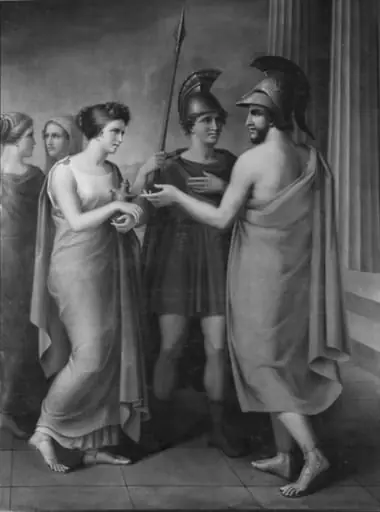
Elektras møde med Orestes og Pylades efter Agamemnons død
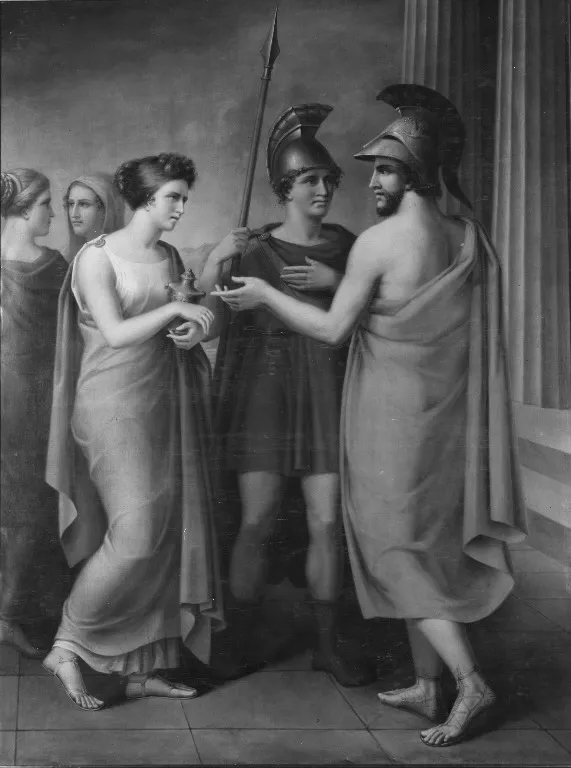
Elektras møde med Orestes og Pylades efter Agamemnons død is an oil painting by Carl Andreas August Goos. It dates from 1837 and is held in the collection of the Statens Museum for Kunst.
About this work
Overview
Elektras møde med Orestes og Pylades efter Agamemnons død is an 1837 oil painting by Carl Andreas August Goos, a German-Danish artist known for history, genre, and portrait works. The piece is part of the Statens Museum for Kunst collection.
Subject & Meaning
The painting depicts a pivotal moment from Greek mythology: the encounter between Electra, Orestes, and Pylades following Agamemnon's death. The scene conveys emotional intensity through the interaction of the three figures, with Electra holding an object (possibly a symbol of her father) and Orestes grasping a spear, signifying impending revenge.
Technique & Style
Goos employs chiaroscuro to create depth, focusing attention on the central figures. Intricate details in Electra's white dress and Orestes' helmet and armor enhance realism. The contrast between light and shadow, along with the rendered textures, contributes to a sense of drama and tension.
History & Provenance
Created in 1837, the painting is characteristic of the 19th-century historical painting tradition. It has been part of the Statens Museum for Kunst's collection, reflecting the institution's interest in preserving works of European historical and mythological themes.
Artist & collection
Artist
Carl Andreas August Goos (6 August 1797, Schleswig – 12 July 1855, Schleswig) was a German-Danish painter working in history painting, genre painting and portrait painting.

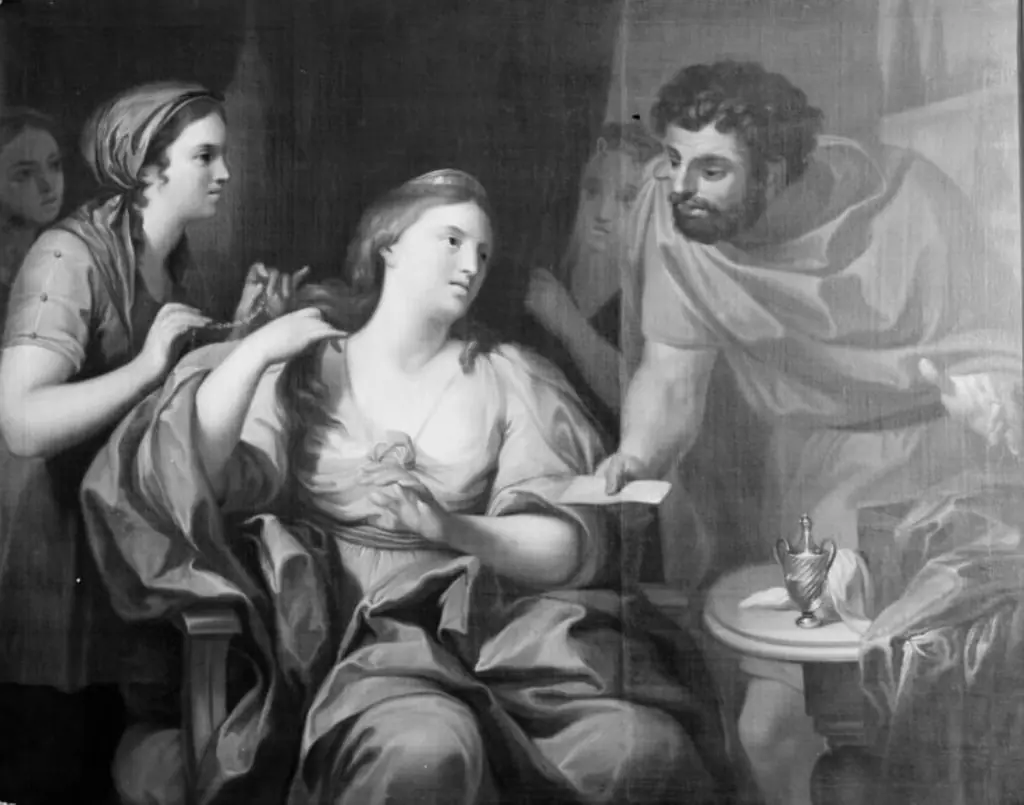 Dronning Semiramis som sværger ikke at ville rede sit hår før hun har underkuet et oprør
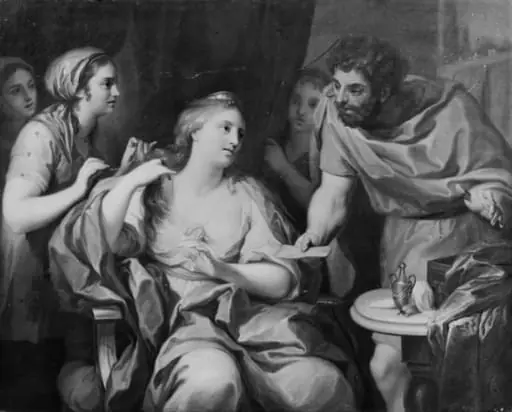 Dronning Semiramis som sværger ikke at ville rede sit hår før hun har underkuet et oprør
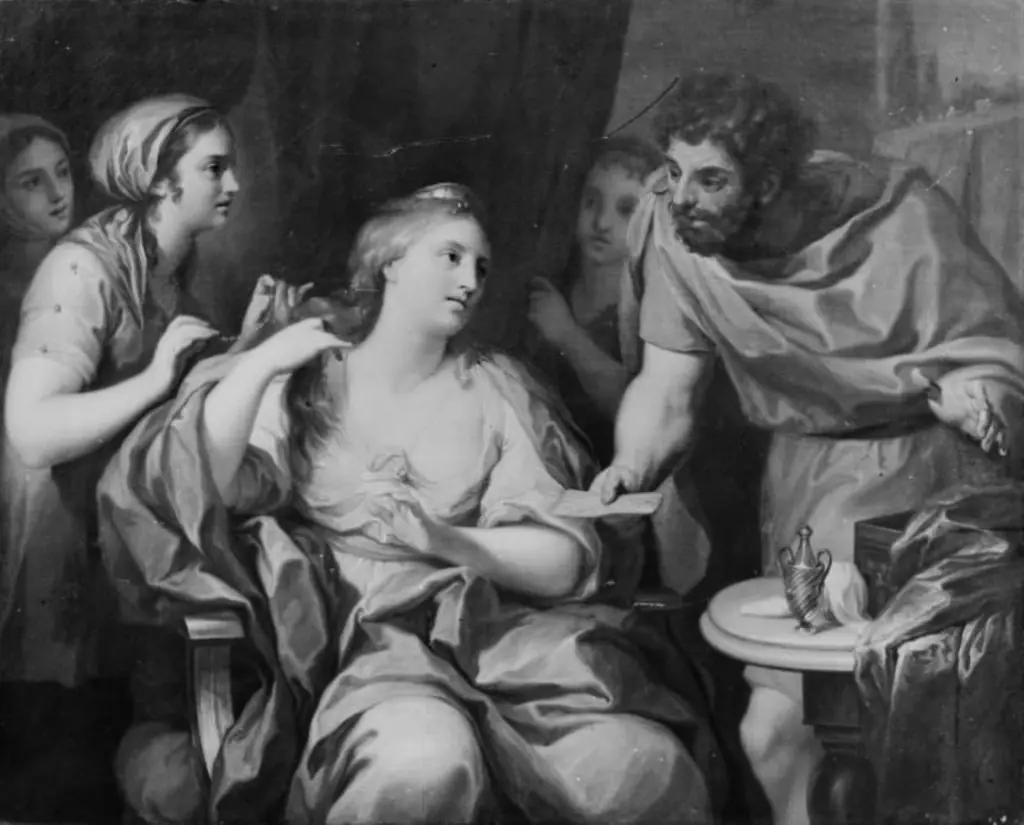 Dronning Semiramis som sværger ikke at ville rede sit hår før hun har underkuet et oprør
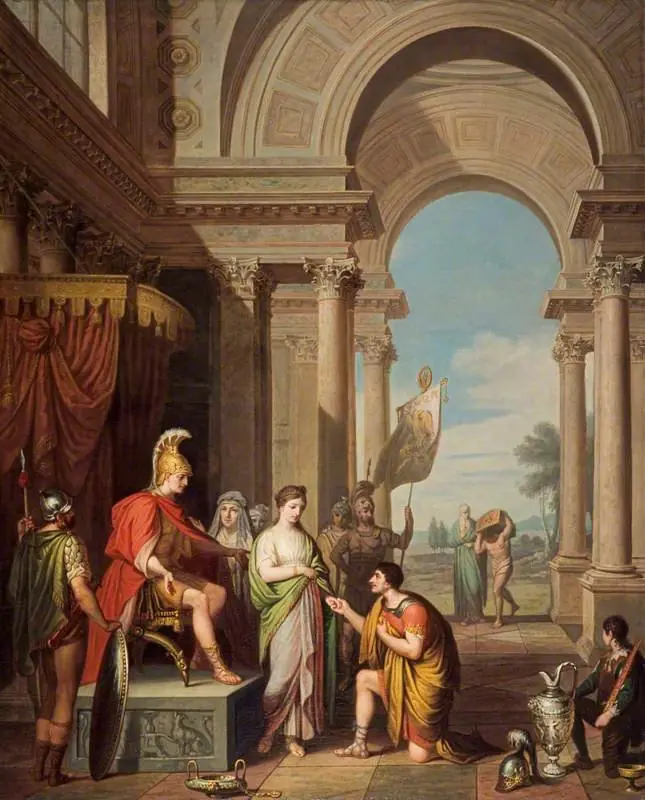 The Continence of Scipio
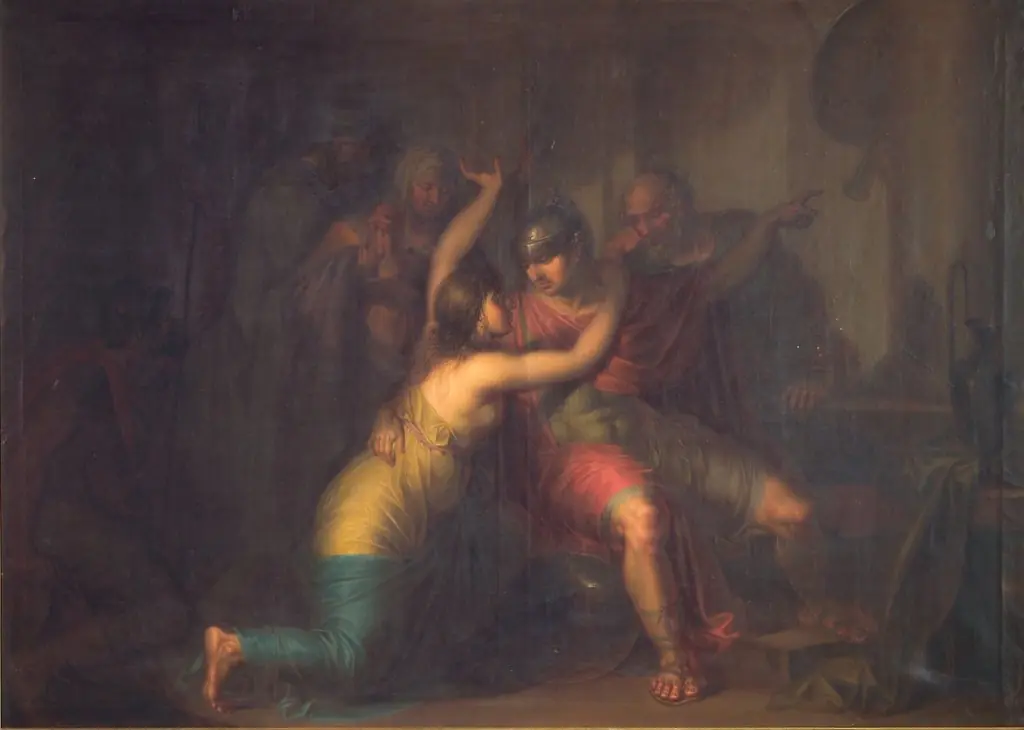 Et historisk stykke
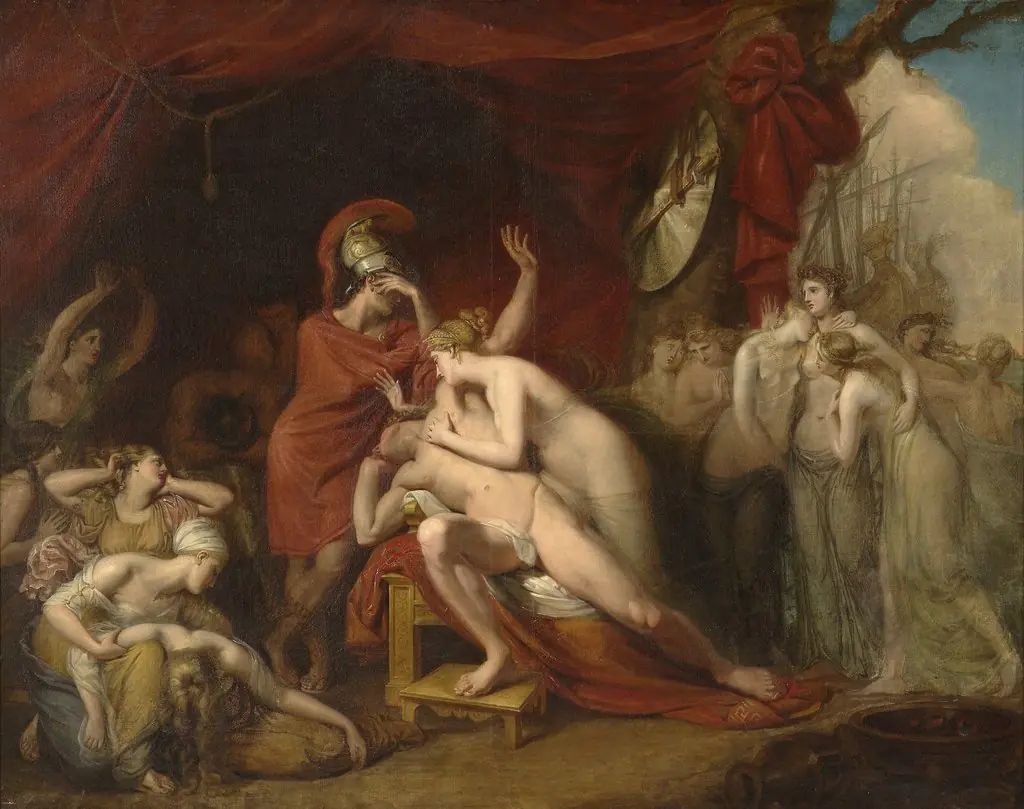 Achilles frantic for the loss of Patroclus, rejecting the consolation of Thetis
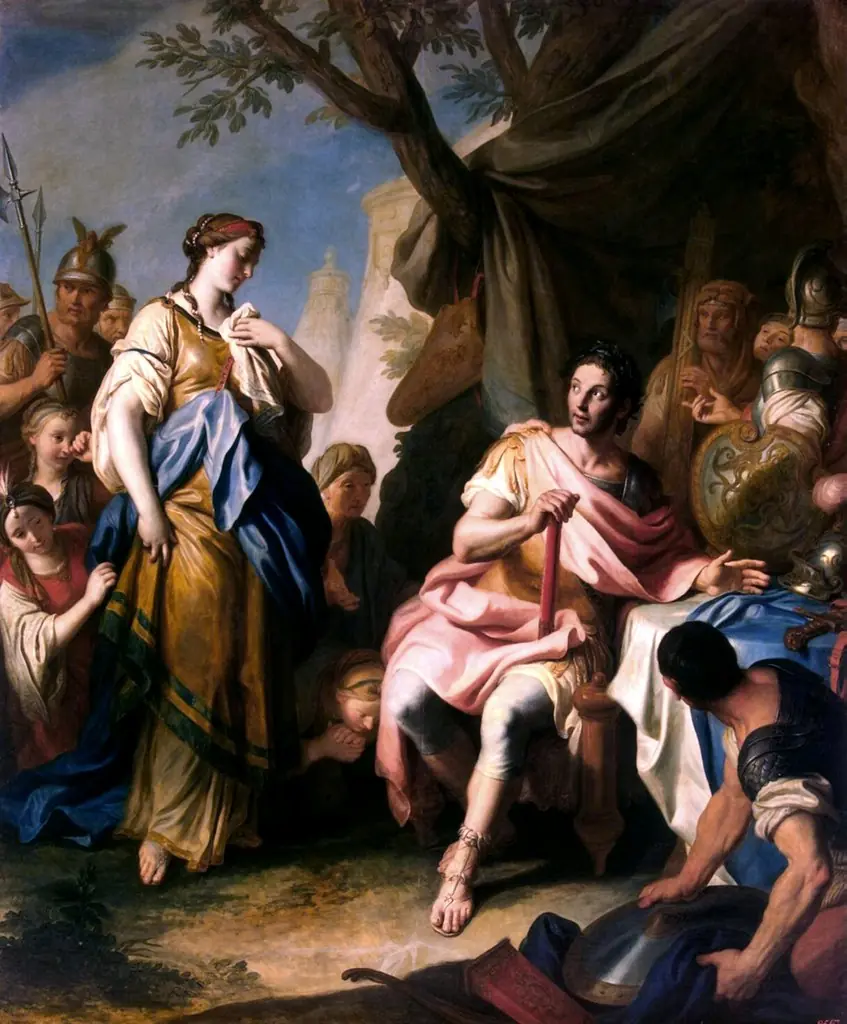 Alexander the Great and Roxana
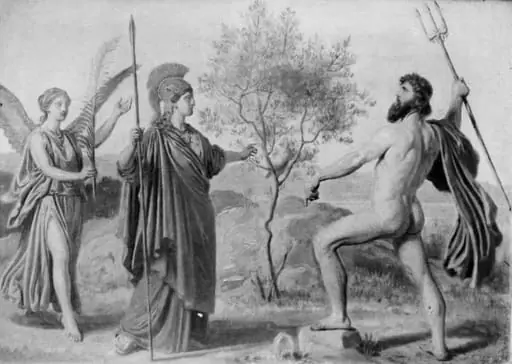 Athene followed by Nike Disputing with Poseidon for Possession of Attica
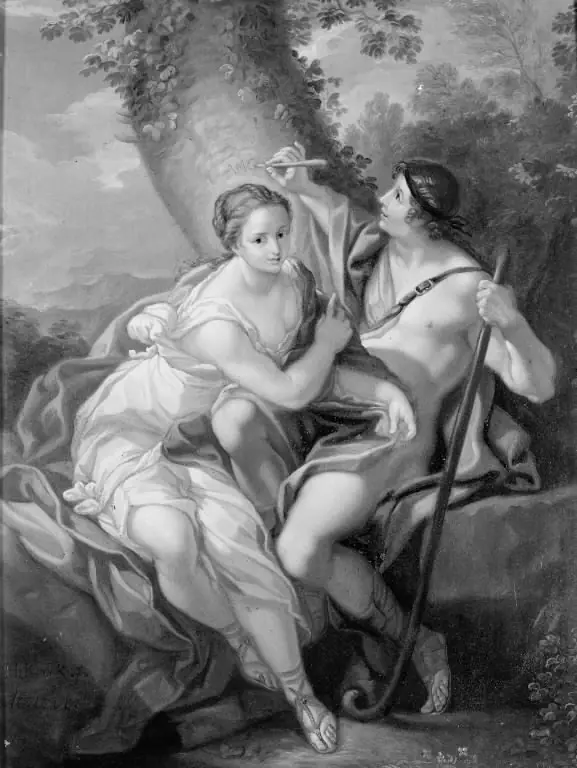 Medos og Angelica
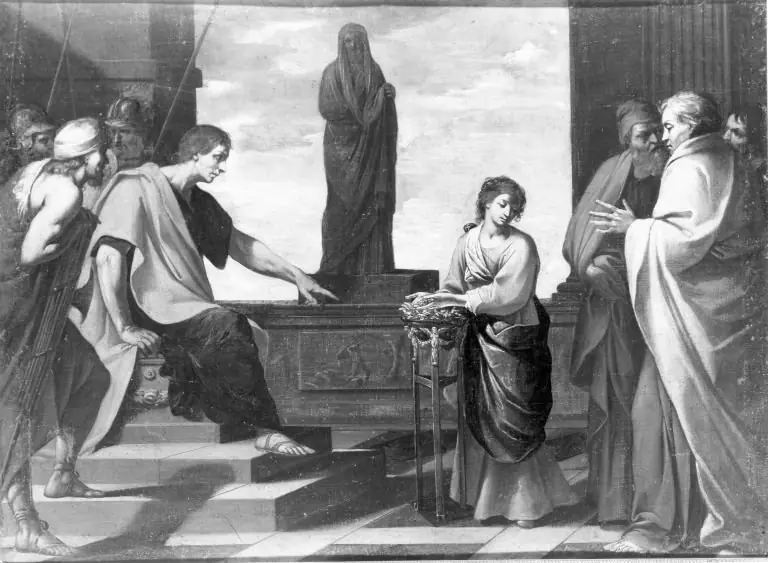 Feuerprobe (zugeschrieben)
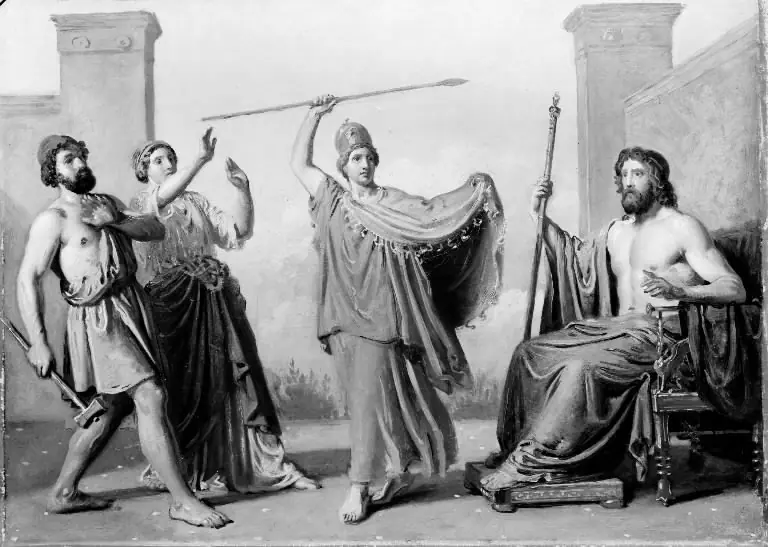 The Birth of Pallas Athene
 Elektras møde med Orestes og Pylades efter Agamemnons død