Artwork
Saint Peter
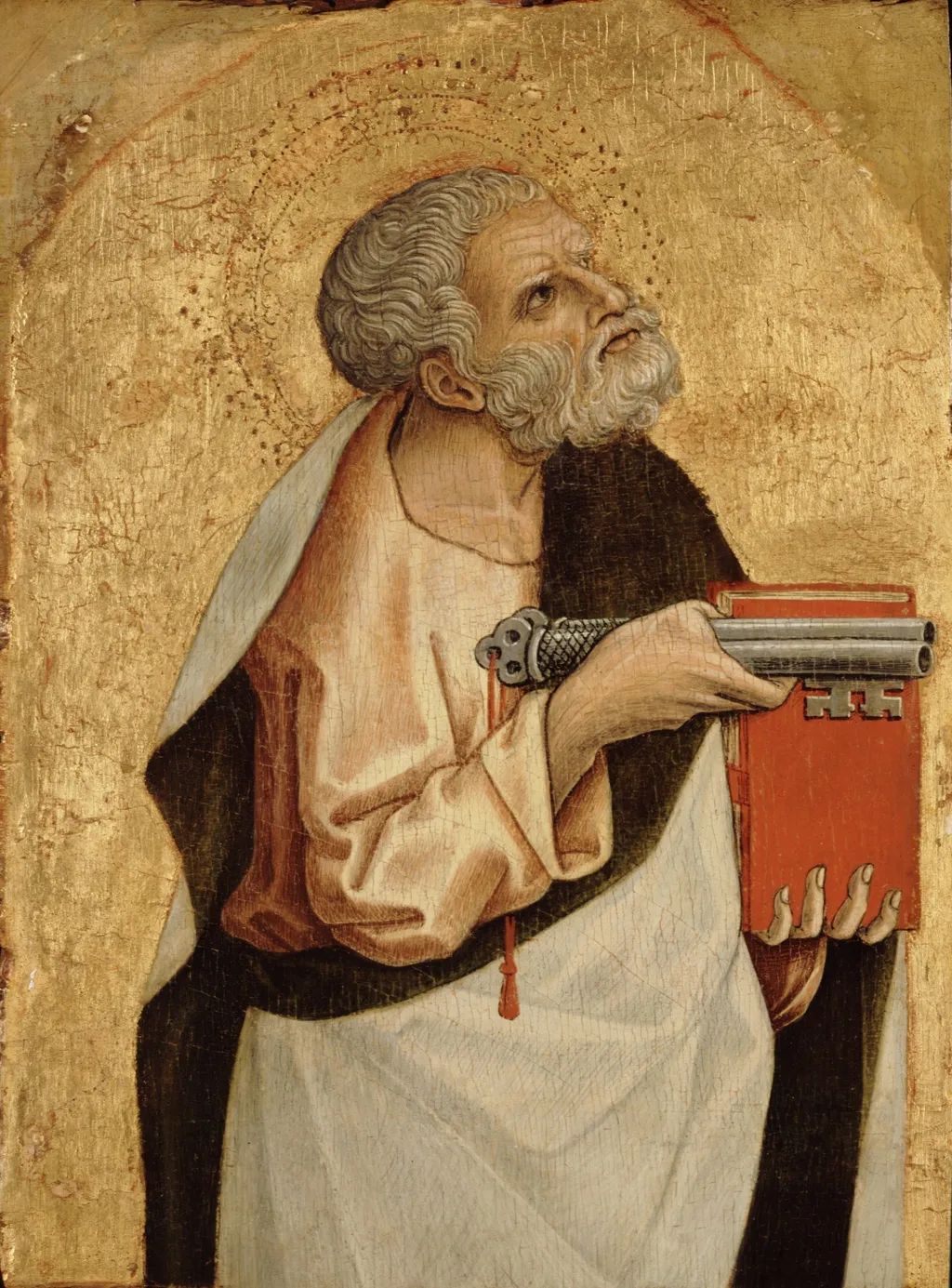
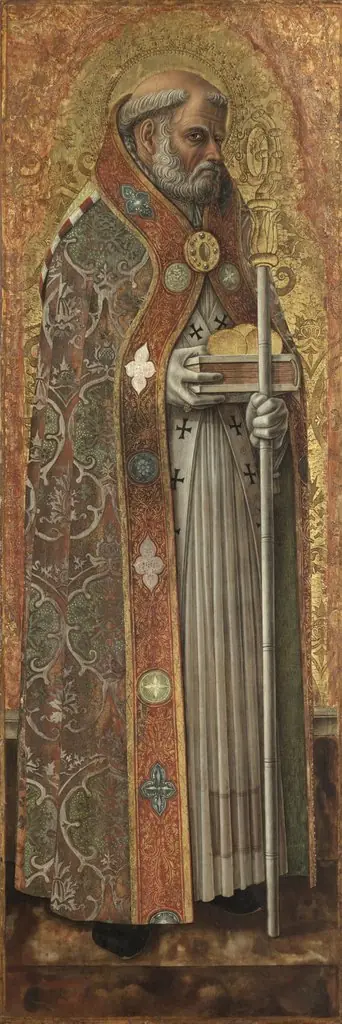
Saint Peter is a tempera painting by the Early Renaissance artist Carlo Crivelli. It dates from 1471 and is held in the collection of the Detroit Institute of Arts.
About this work
Overview
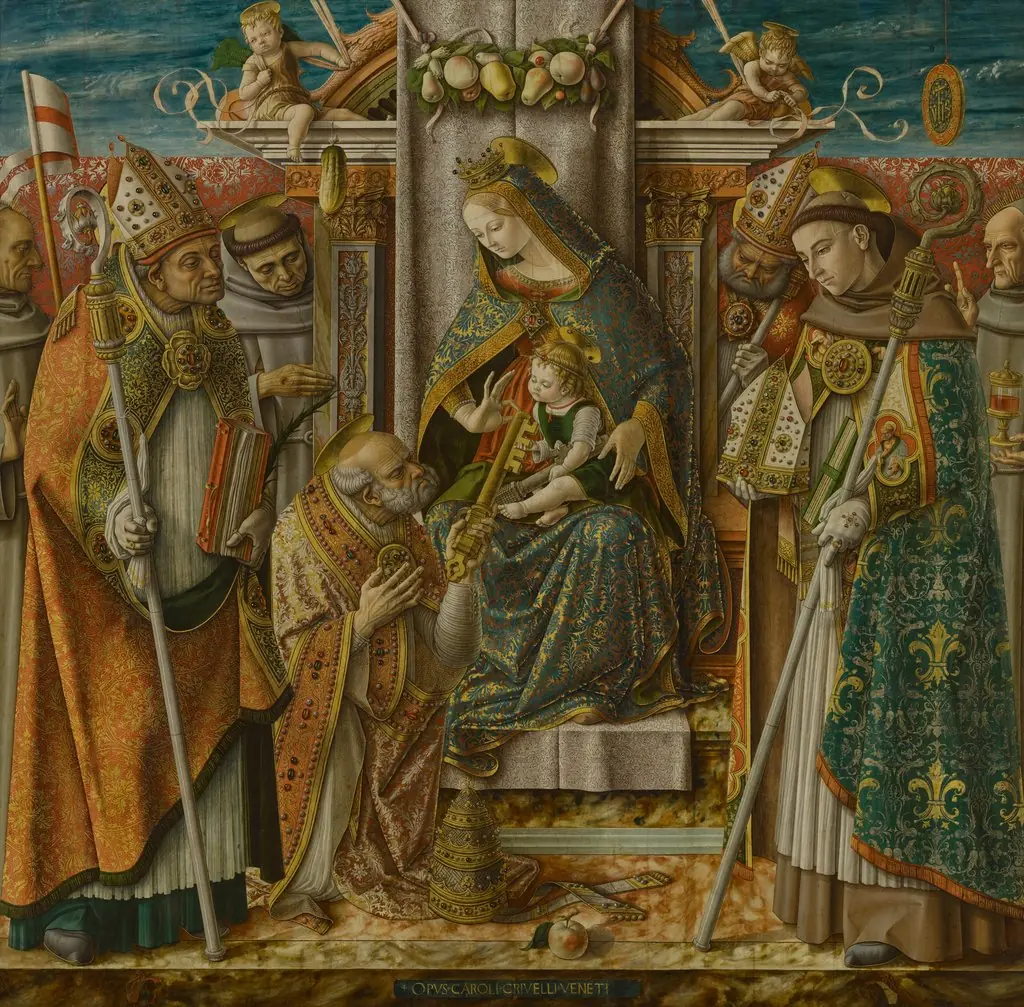
Saint Peter is a tempera painting created in 1471 by Carlo Crivelli, an early Renaissance Italian artist. The work depicts the apostle Saint Peter in a traditional religious context, characteristic of Crivelli's output during his time in the March of Ancona.
Subject & Meaning
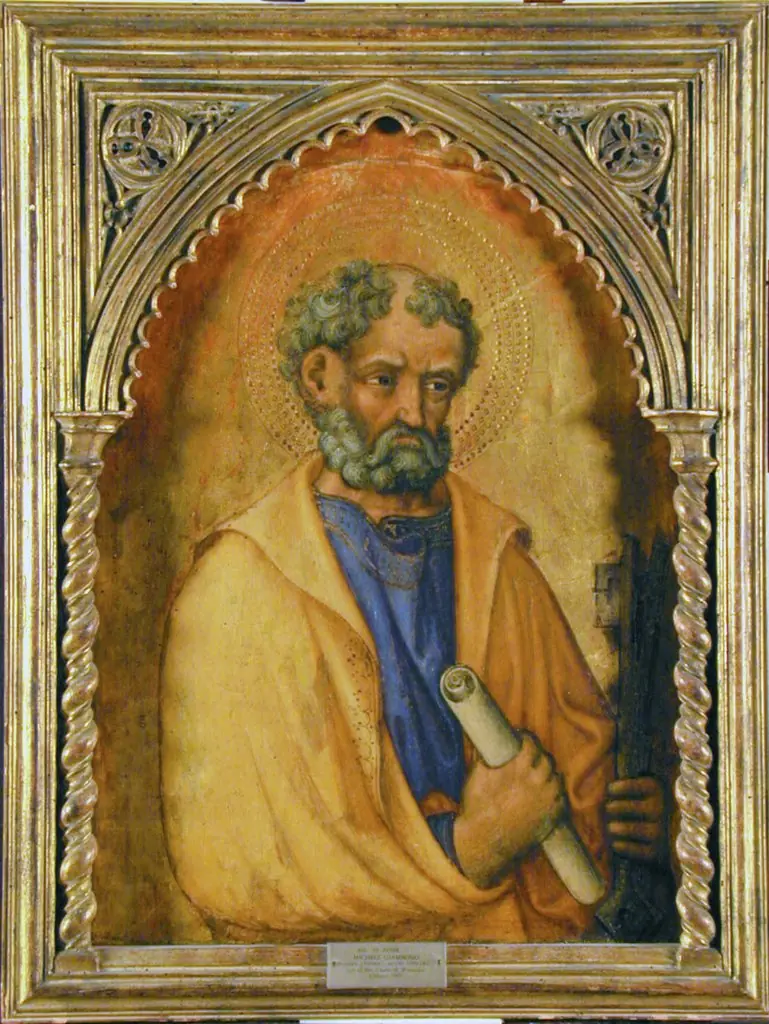
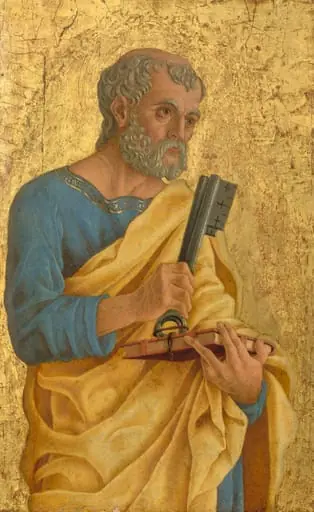
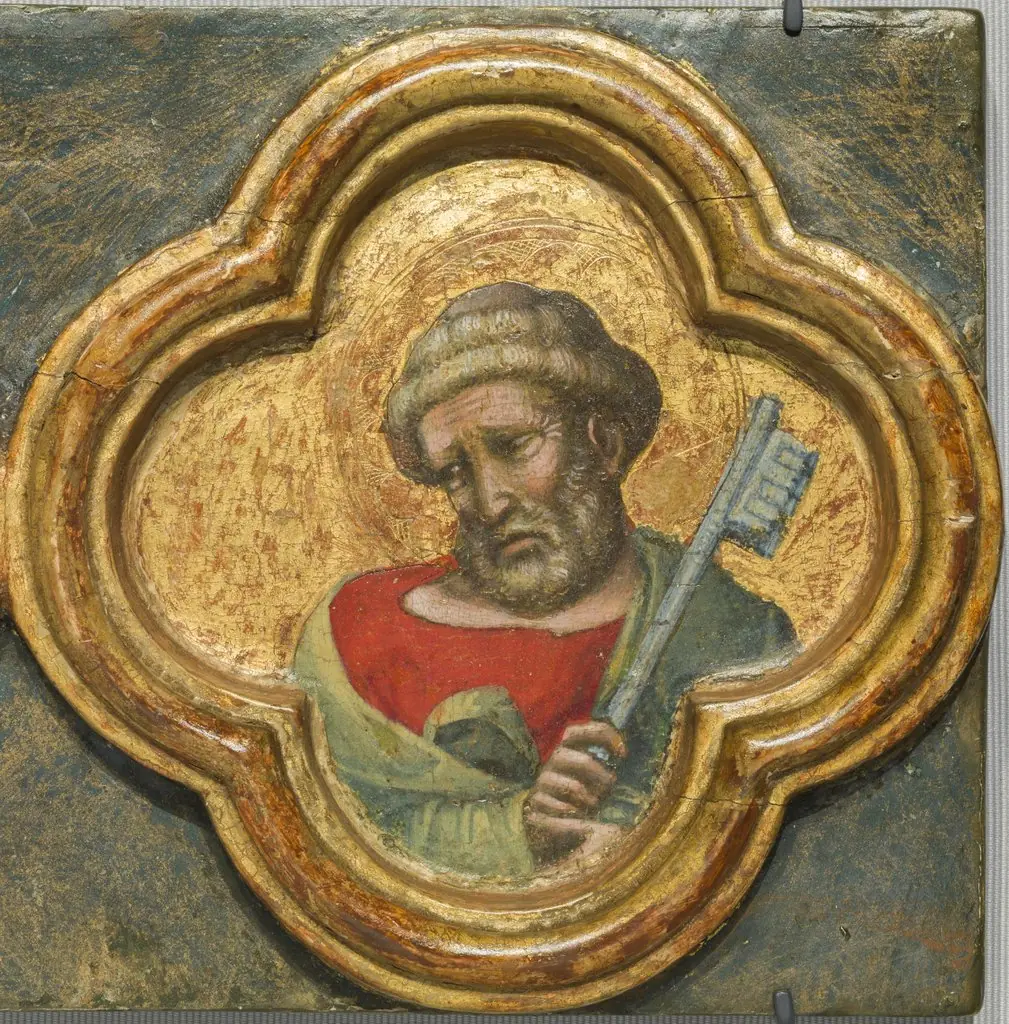
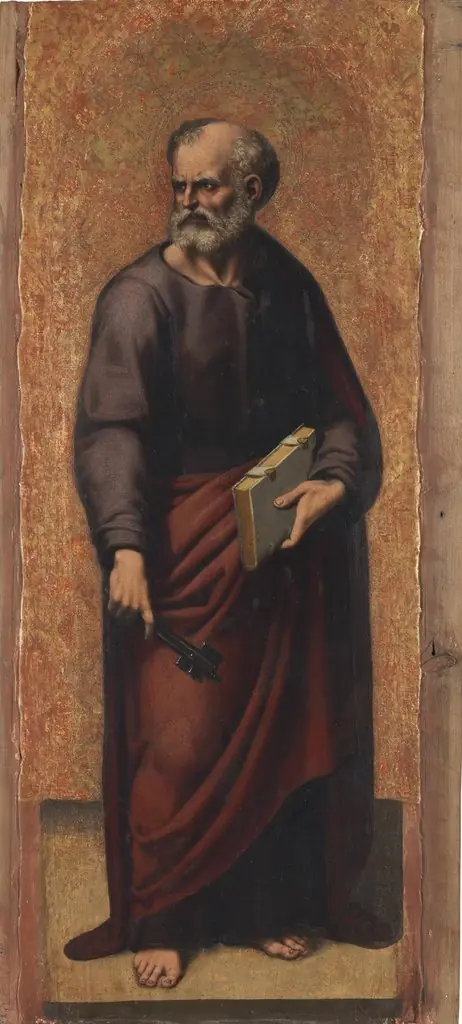
The painting portrays an elderly Saint Peter with distinctive curly gray hair and a white beard. He wears a white robe over a red tunic, topped with a dark cloak. Symbolic attributes include a set of keys (with both conventional and claw-like forms) and a small, ornately decorated red box, underscoring his role as a keyholder of Heaven and possibly alluding to additional sacred responsibilities.
Technique & Style
Executed in tempera, the painting exhibits a flat appearance with slight cracking, typical of the medium's aging process. Crivelli's Late Gothic decorative style is evident, distinct from the contemporaneous Venetian approach, reflecting his adaptation to the March of Ancona's artistic preferences after 1458.
History & Provenance
Created in 1471, the painting is now part of the Detroit Institute of Arts' collection. Specific details about its commission, early ownership, or transfer history are not provided in the available information.
Context
Saint Peter reflects Crivelli's establishment in the March of Ancona post-1458, where he developed a unique style blending Late Gothic elements with early Renaissance sensibilities, catering to local patronage preferences.
Legacy
As a representative of Crivelli's Ancona period, Saint Peter contributes to the understanding of regional variations in early Renaissance art, though its broader impact or influence on subsequent artistic movements is not explicitly highlighted in the provided context.
Artist & collection

Artist
Carlo Crivelli (c. 1430 – c. 1495) was an Italian Renaissance painter of conservative Late Gothic decorative sensibility, who spent his early years in the Veneto, where he absorbed influences from the Vivarini,…