Artwork
Adoration of the Shepherds
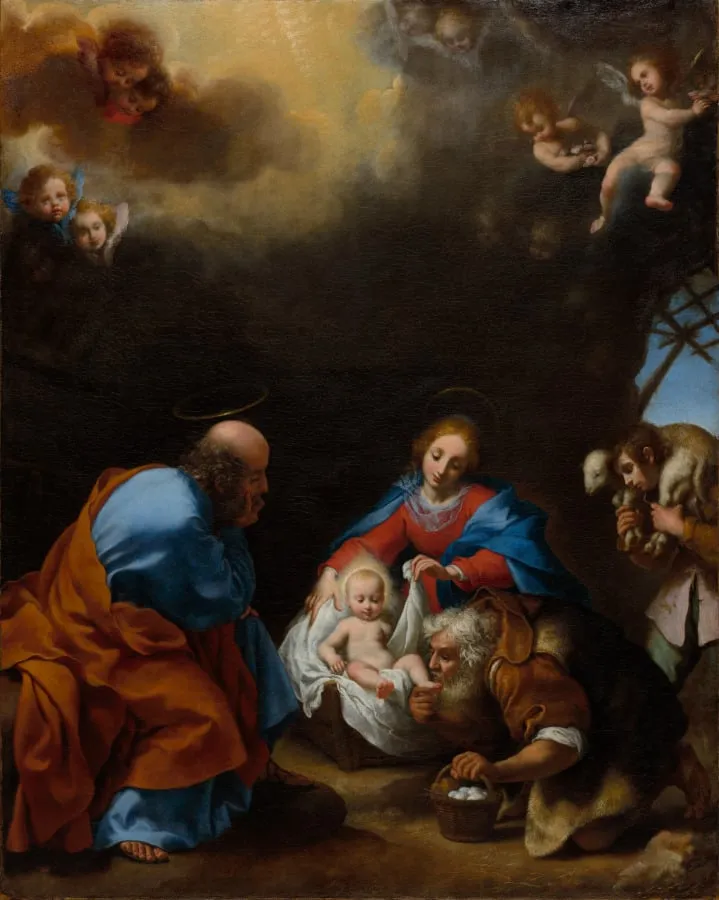
Adoration of the Shepherds is an unspecified painting by the Baroque artist Carlo Dolci. It dates from 1670 and is held in the collection of the Cleveland Museum of Art.
About this work
Overview
Carlo Dolci's 'Adoration of the Shepherds' is a Baroque-era painting depicting a pivotal moment in Christian narrative. Characterized by its restrained style, the work reflects Dolci's adherence to traditional techniques, diverging from prevalent Baroque dramatics.
Subject & Meaning
The painting illustrates the biblical scene where shepherds gather to witness the birth of Christ, conveying a sense of serene devotion. Dolci's strict Christian iconography, influenced by his ties to the St. Benedict brotherhood, emphasizes the sacredness of the event.
Technique & Style
Dolci employs a simple, unobtrusive approach, avoiding dramatic shadows and vibrant colors common in Baroque art. His method aligns more closely with pre-Baroque traditions, with subtle suggestions of sfumato contributing to the calm, introspective atmosphere.
History & Provenance
While specific provenance details for this work are not provided, Dolci's reputation as a skilled portraitist and religious narrative painter among Florentine patrons is well-documented, with his traditionalist stance setting him apart from many contemporaries.
Context
Created amidst the flourishing of Baroque's expressive and dramatic tendencies, Dolci's 'Adoration of the Shepherds' stands as a counterexample, reflecting the artist's preference for restraint and his connection to earlier artistic and religious practices.
Legacy
Despite Dolci's local acclaim and distinctive traditionalist approach, his work, including 'Adoration of the Shepherds', is often overshadowed in broader discussions of Baroque art, which frequently highlight more dramatic and innovative pieces of the era.
Artist & collection
Artist
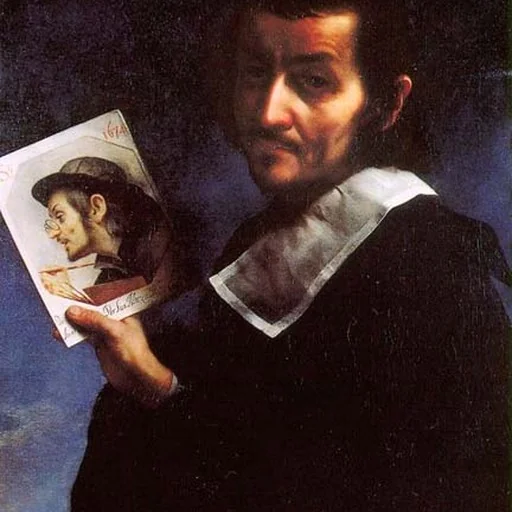
Carlo (or Carlino) Dolci (25 May 1616 – 17 January 1686) was an Italian Baroque painter active mainly in Florence, known for highly finished religious pictures, often repeated in many versions.

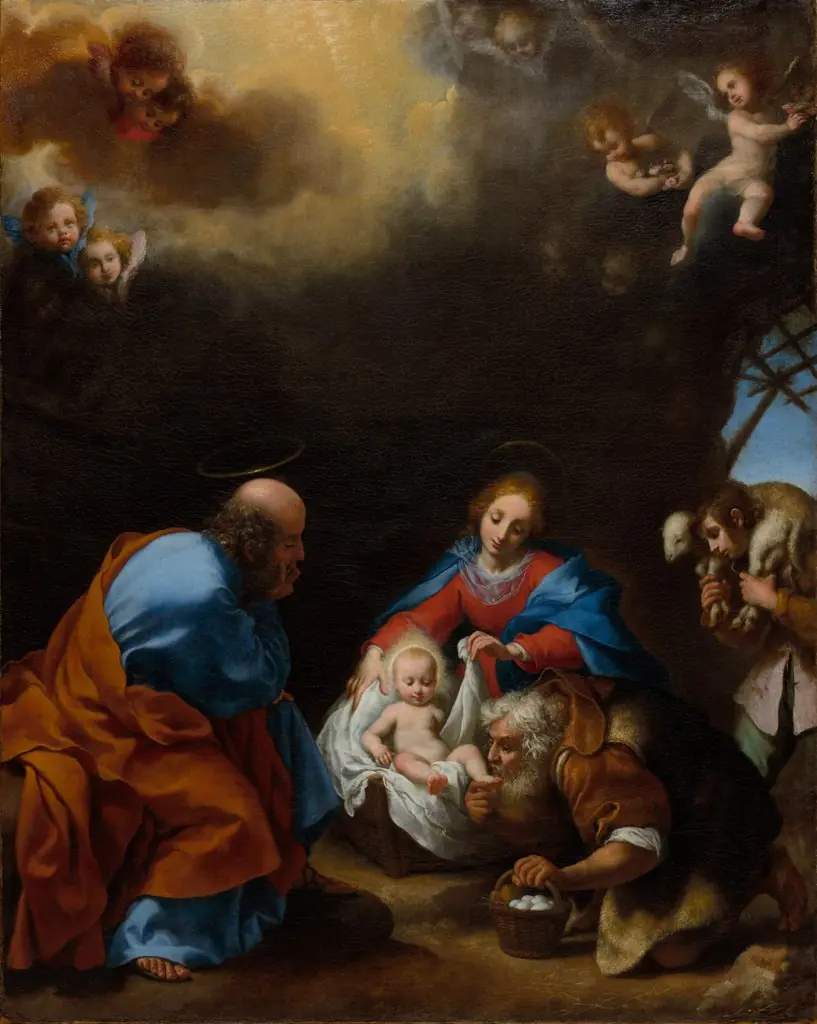
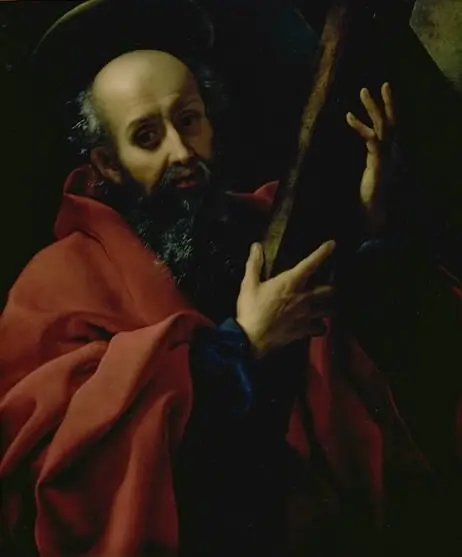
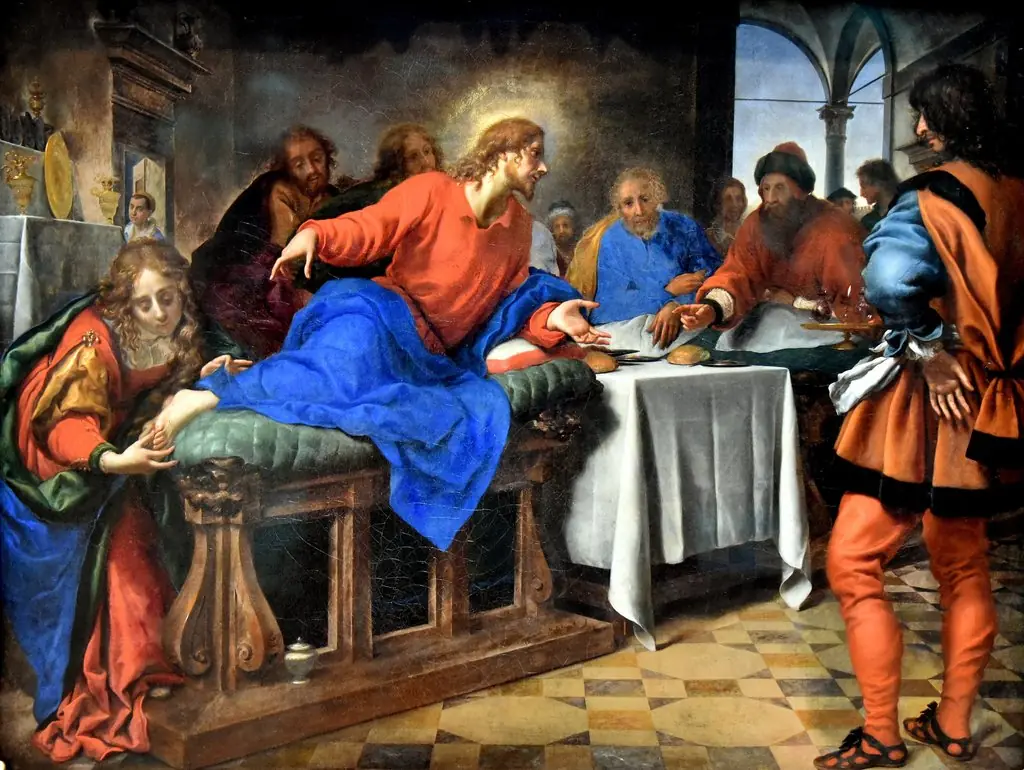
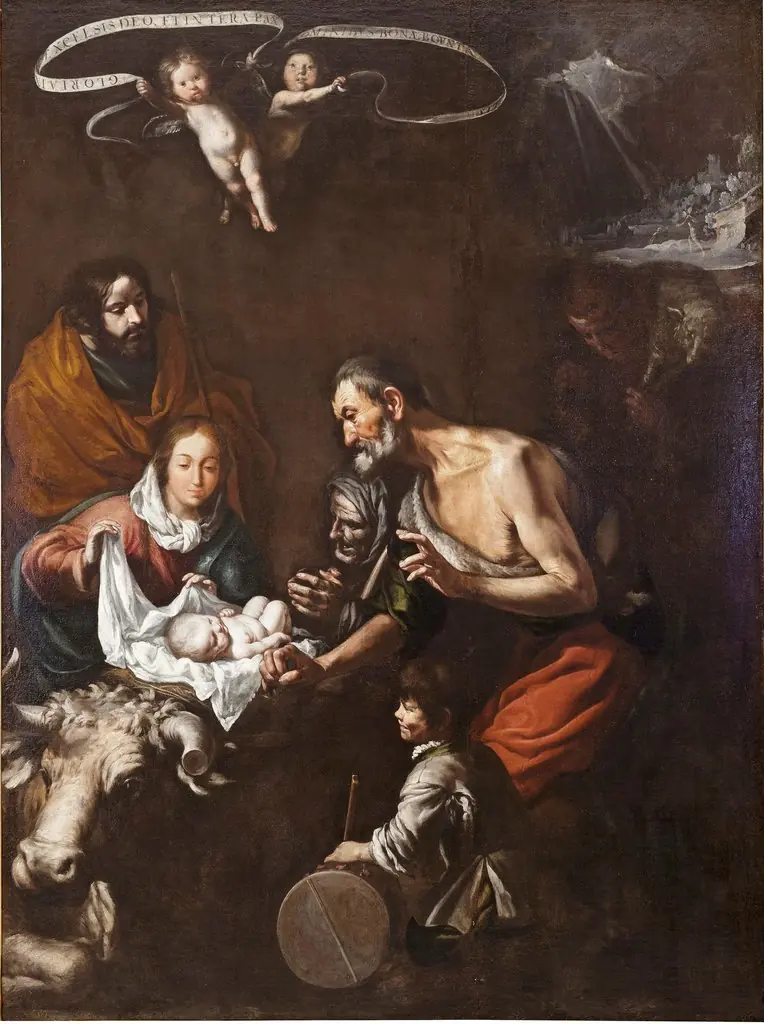 The Adoration of the Shepherds
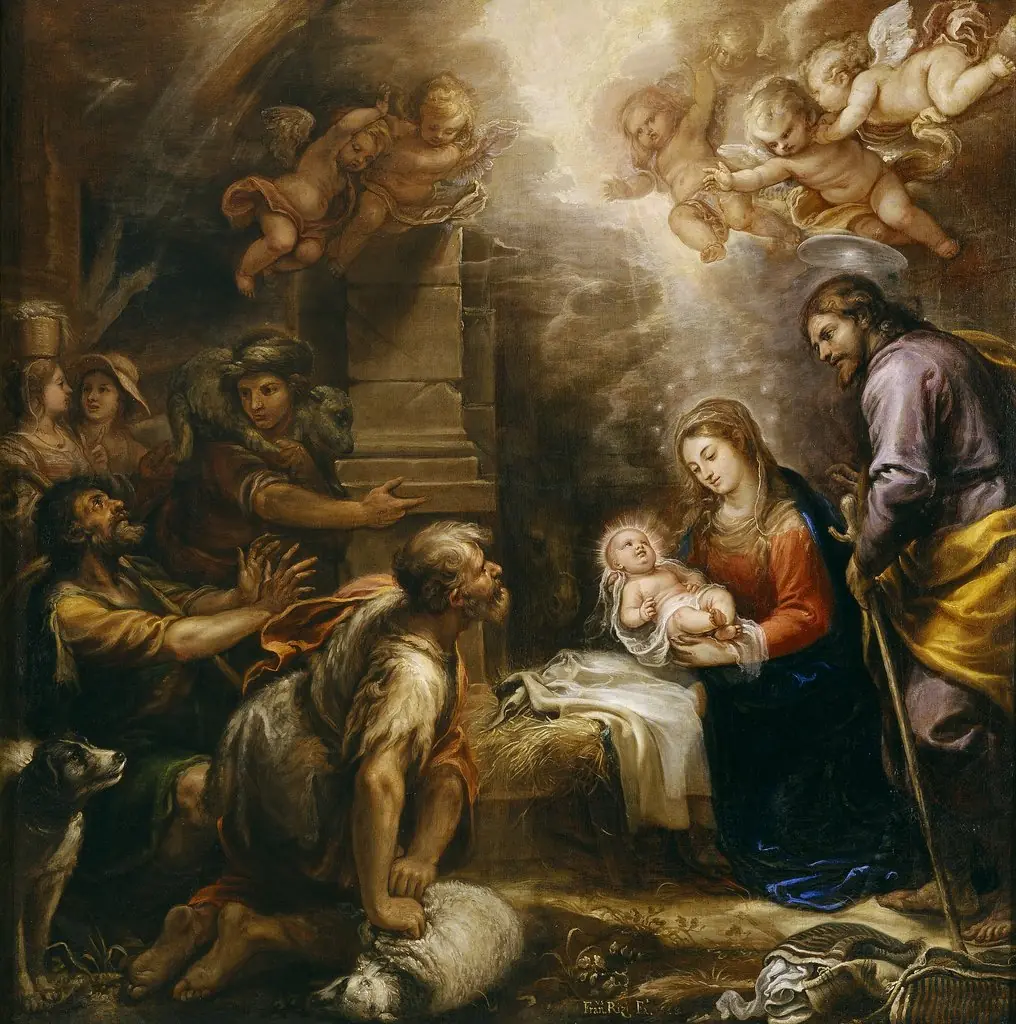 The Adoration of the Shepherds
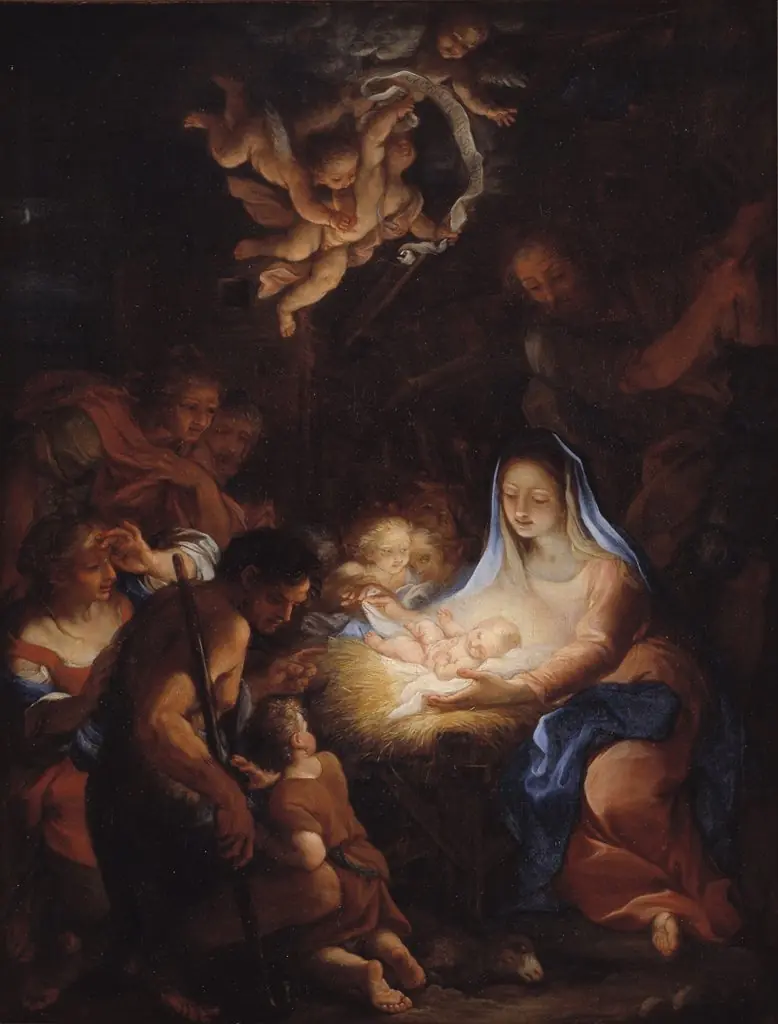 The Adoration of the Shepherds
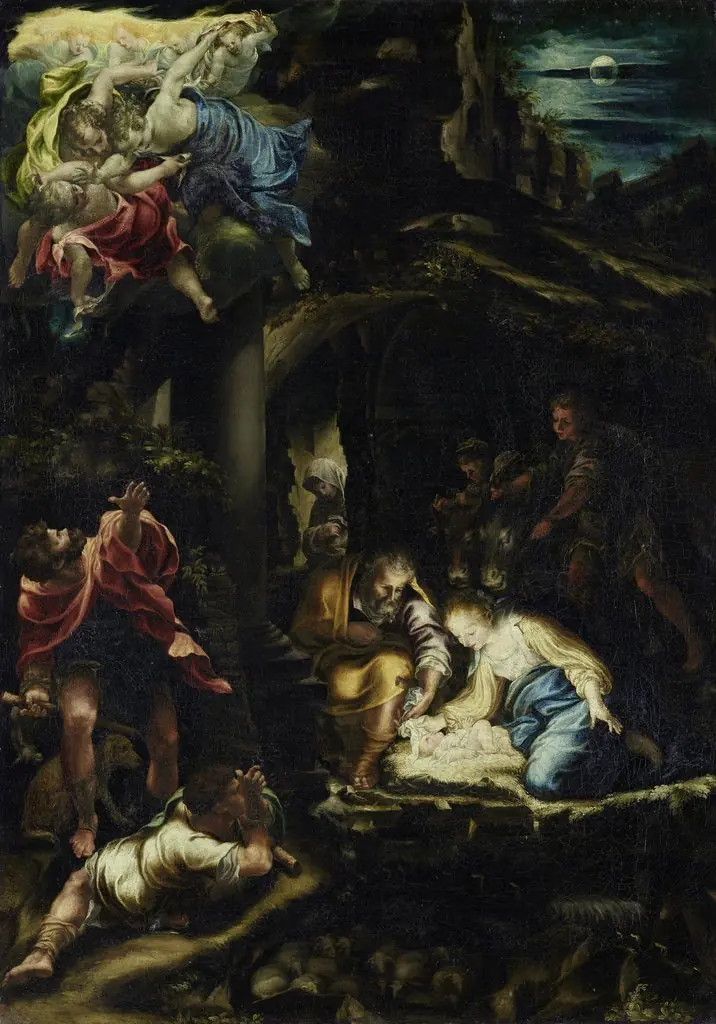 The Adoration of the Shepherds
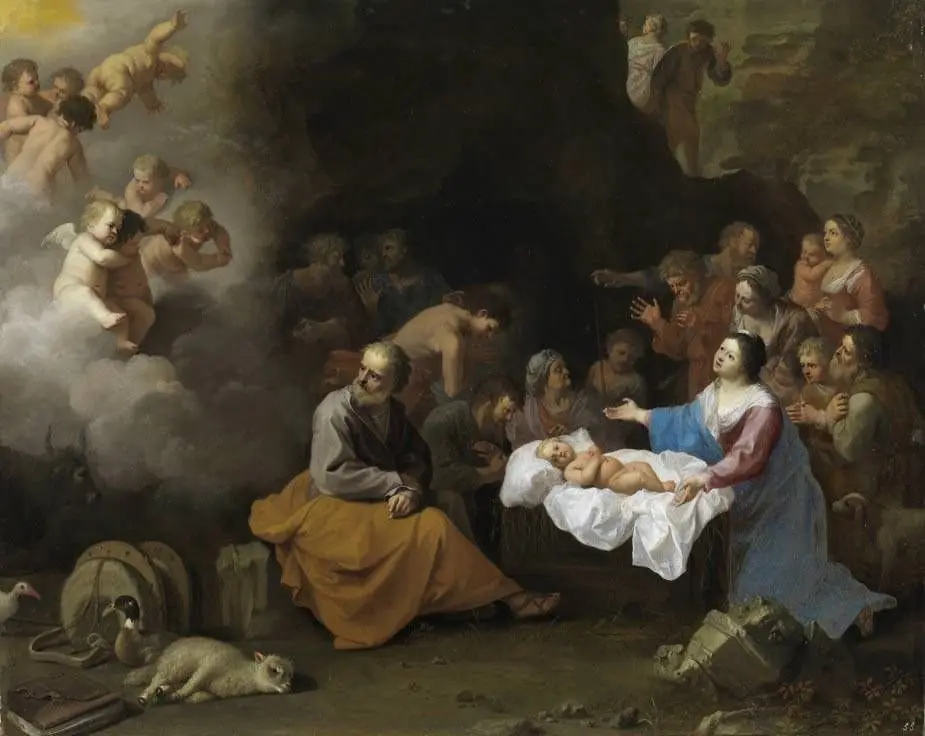 The adoration of the shepherds
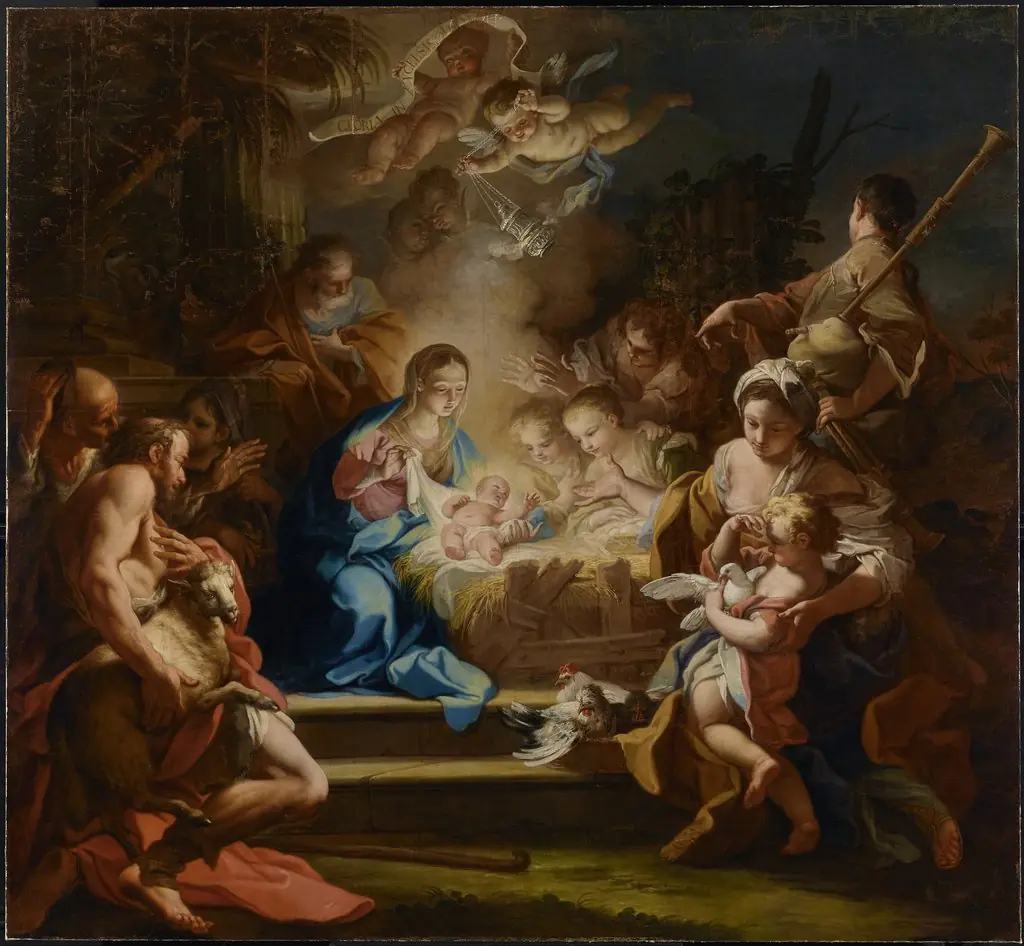 The Adoration of the Shepherds
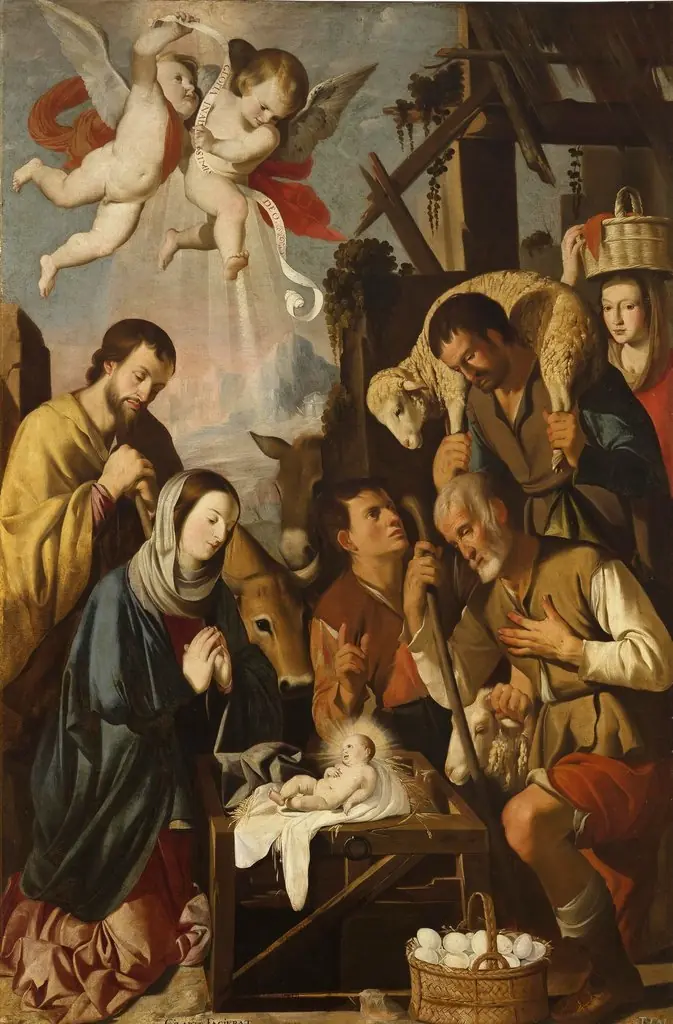 The Adoration of the Shepherds
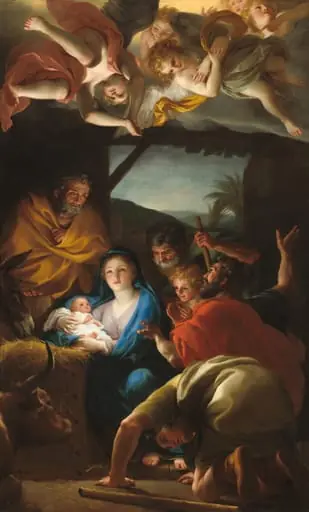 The Adoration of the Shepherds
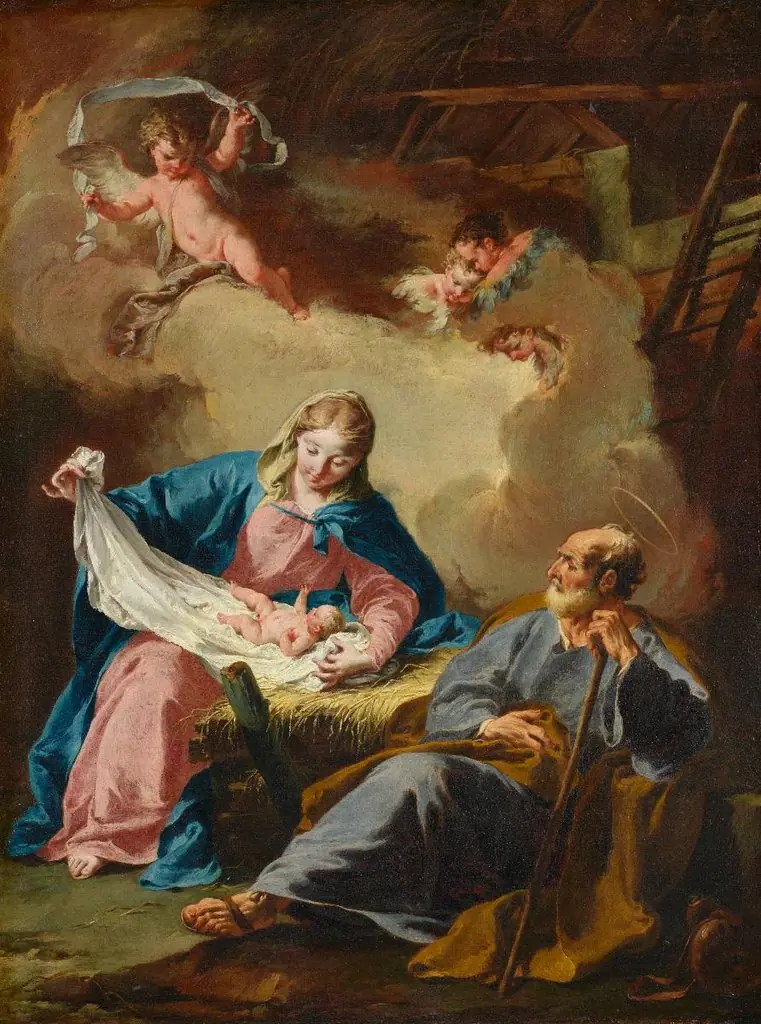 Natività
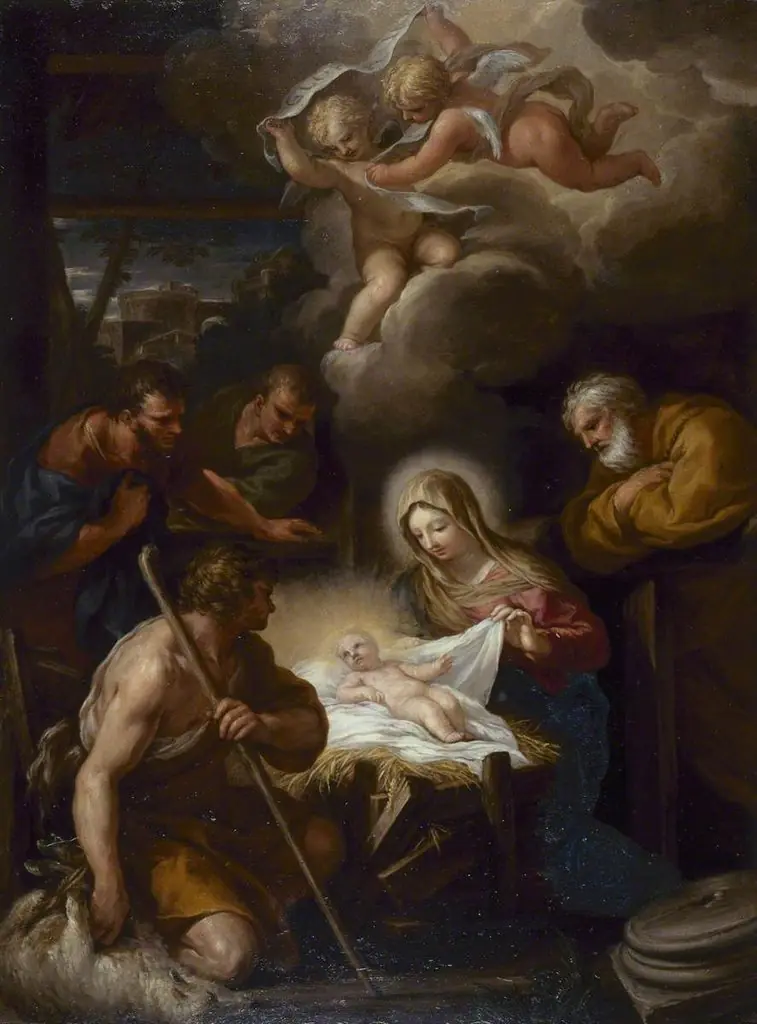 The Adoration of the Shepherds
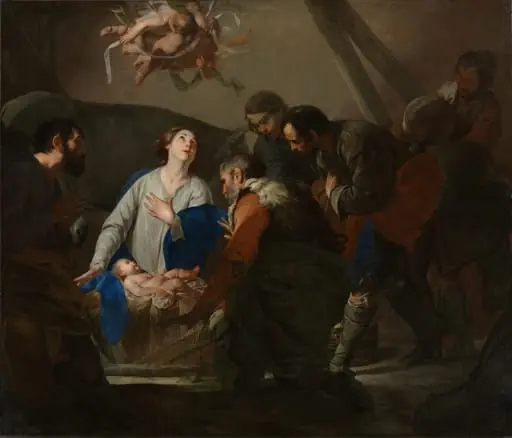 Adoration of the Shepherds