Artwork
Madonna
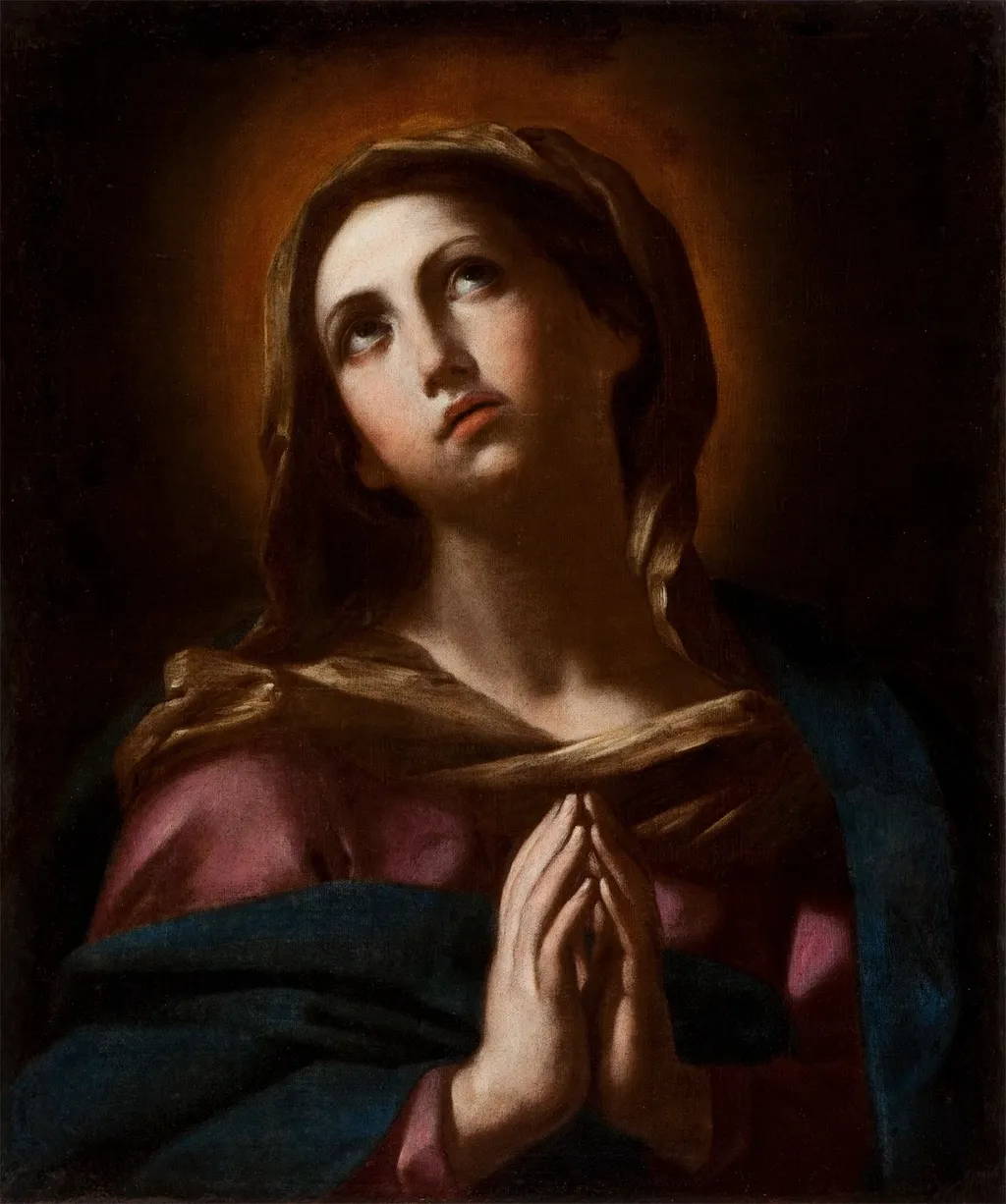
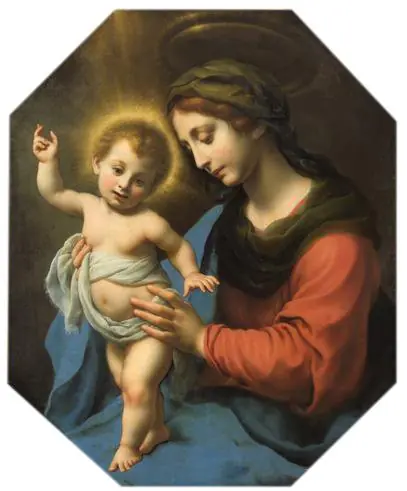
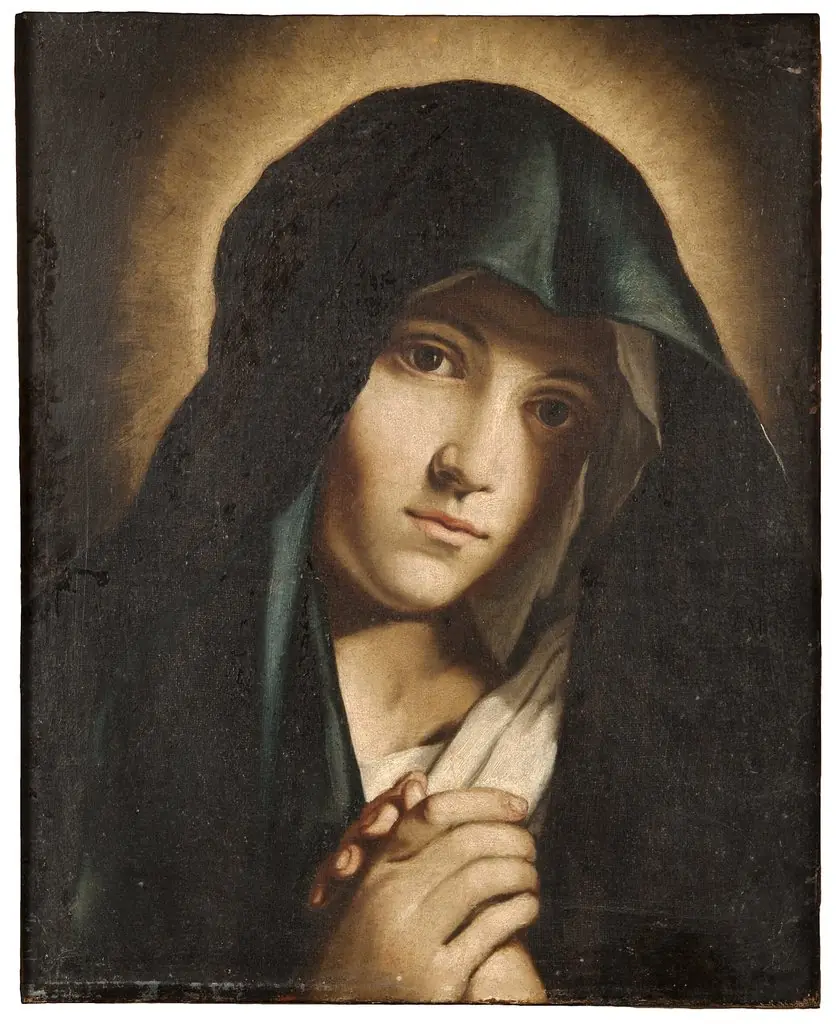
Madonna is an oil painting by the Early Baroque Italian artist Carlo Dolci. It dates from 1650 and is held in the collection of the Pinacoteca de São Paulo.
About this work
Overview
Dolci, a Florentine artist of the Italian Baroque, specialized in religious imagery marked by refined detail and emotional restraint.
Painted around 1650 by Carlo Dolci, this oil-on-canvas work portrays the Virgin Mary in a moment of private devotion. Dolci, a Florentine artist of the Italian Baroque, specialized in religious imagery marked by refined detail and emotional restraint. The painting is part of a series of similar compositions he produced, reflecting his consistent thematic focus. It is now housed in the Pinacoteca do Estado de São Paulo.
Subject & Meaning
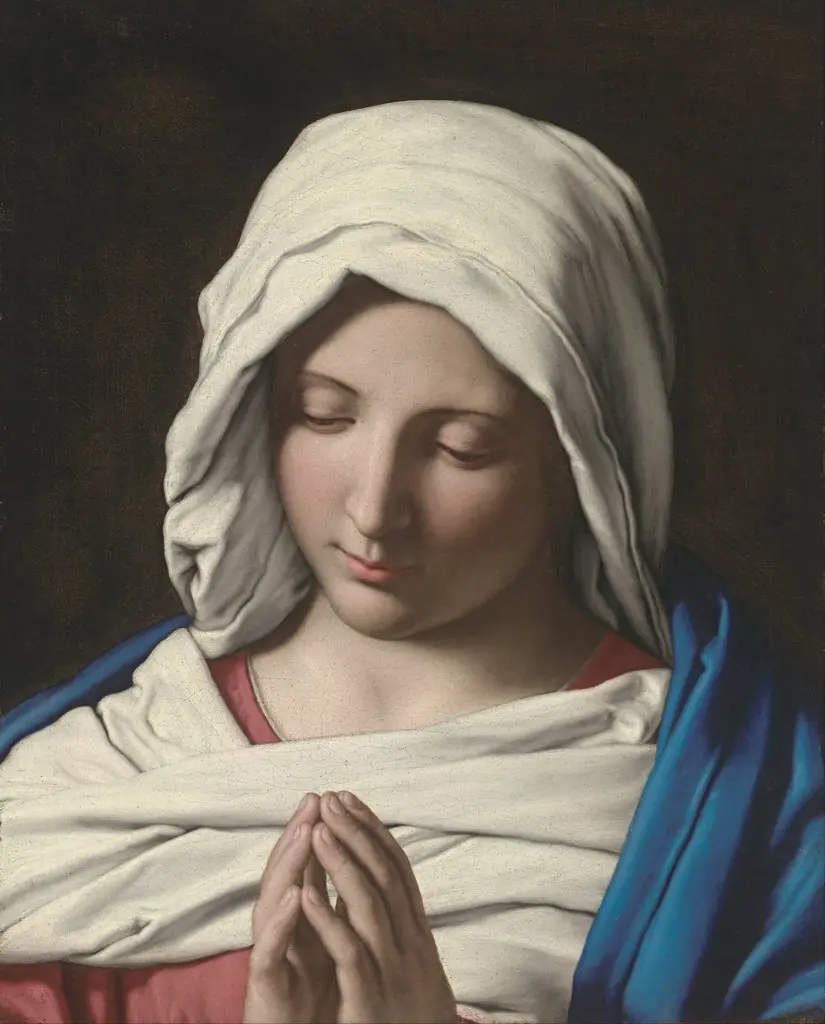
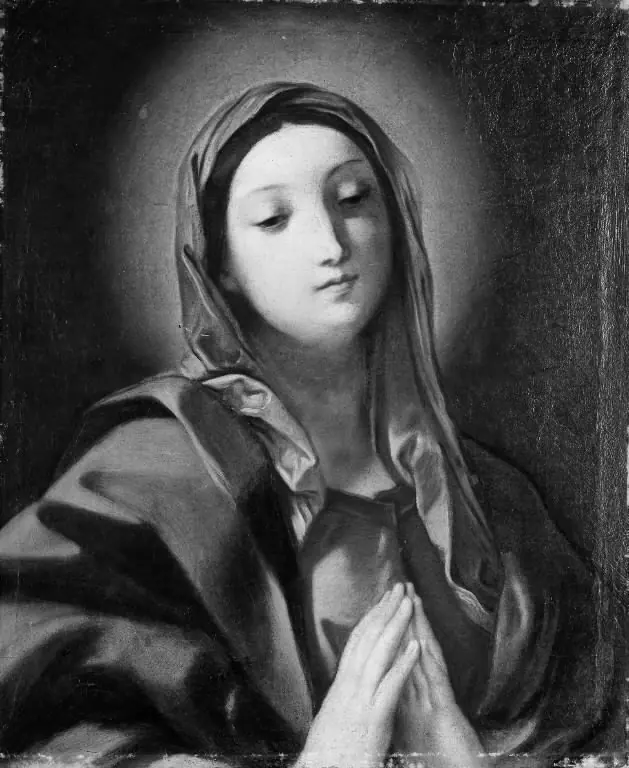
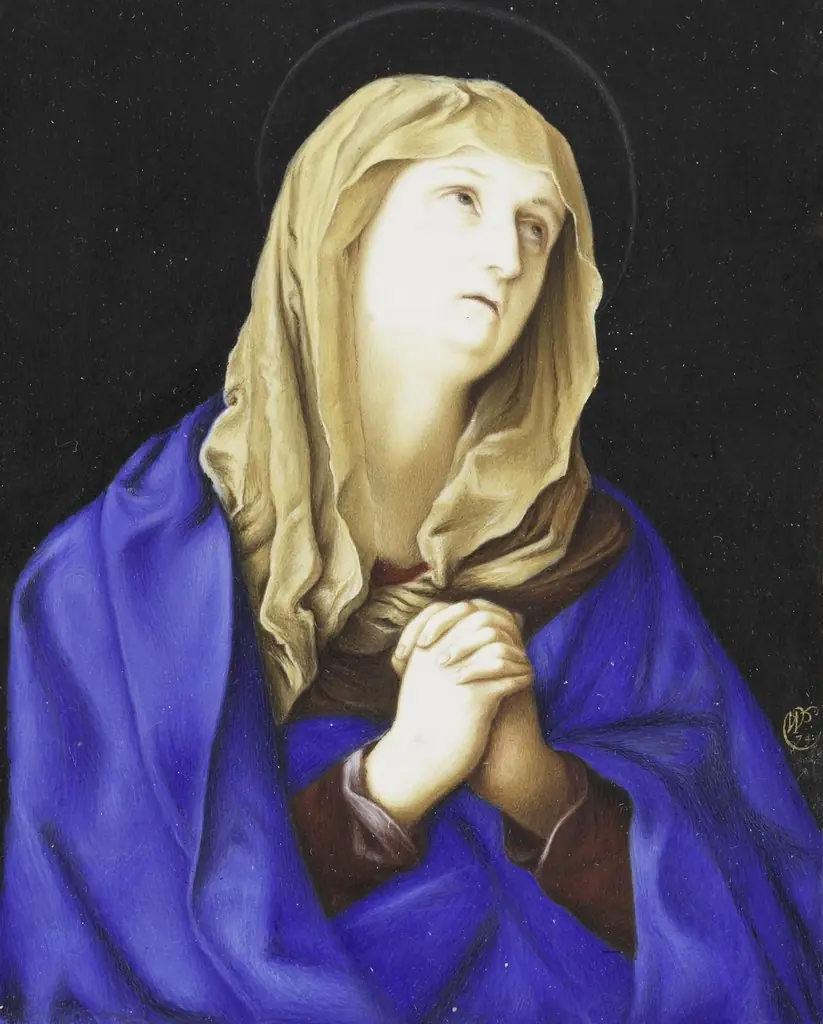
The Virgin Mary is depicted with hands folded in prayer, her gaze lifted as if in silent communion with the divine. Her posture and expression convey inward reflection rather than dramatic revelation, emphasizing personal piety. The absence of narrative elements or accompanying figures isolates her spiritual experience, inviting contemplation. The composition avoids theatricality, aligning with Counter-Reformation ideals of humble devotion.
Technique & Style
Dolci employed fine brushwork and layered glazes to achieve a smooth, enamel-like surface. The face and hands are rendered with delicate precision, highlighting texture and subtle tonal shifts. A dark, undefined background enhances the luminosity of the figure, using contrast to focus attention without employing strong chiaroscuro. The palette is restrained: deep red, rich blue, and gold accents unify the figure in quiet elegance.
History & Provenance
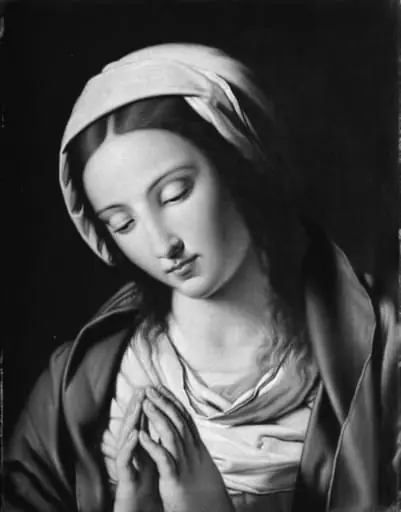
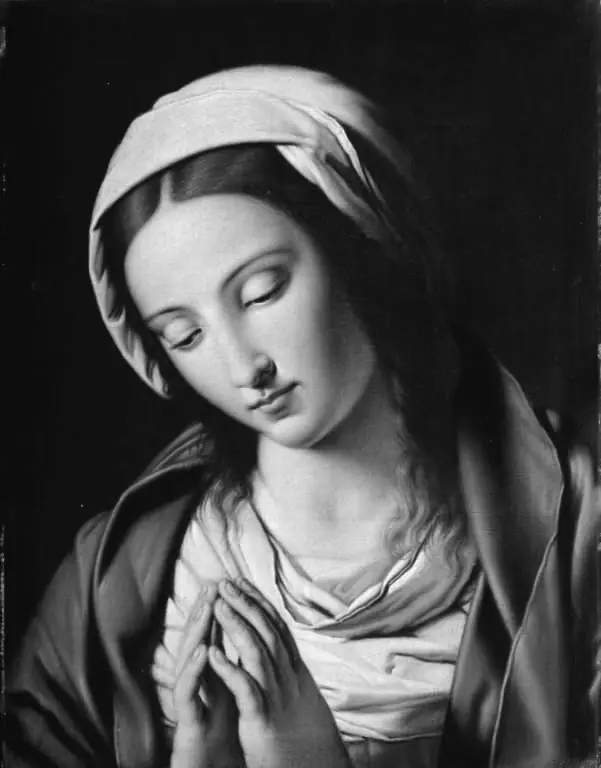
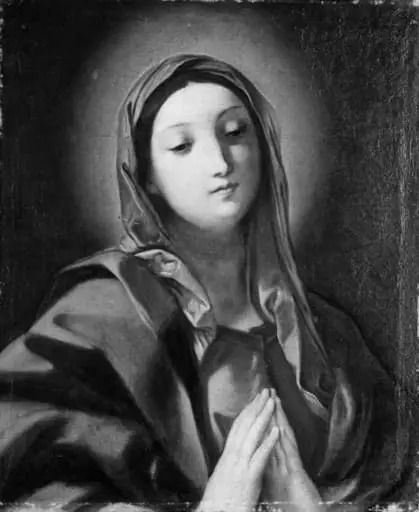
The painting was created during Dolci’s mature period in Florence, where he enjoyed patronage from religious institutions and private collectors. Multiple versions of this subject exist, suggesting demand for his devotional images. It entered the Pinacoteca do Estado de São Paulo’s collection in the 20th century, likely through acquisition from a European source, though its exact provenance prior to that remains undocumented.
Context
In mid-17th-century Tuscany, religious art prioritized emotional accessibility and moral clarity. Dolci’s style responded to the Church’s call for imagery that inspired personal piety, distancing itself from the dynamism of Roman Baroque. His works were valued for their serenity and technical polish, appealing to convents and devout households seeking quiet meditative aids rather than public spectacle.
Legacy
Dolci’s reputation declined after his death as tastes shifted toward more dramatic styles, but his works retained significance among collectors of devotional art. Today, his paintings are studied for their technical discipline and embodiment of Counter-Reformation spirituality. This particular Madonna exemplifies his enduring contribution to intimate religious portraiture in early modern Italy.
Own this work as a print
Artist & collection
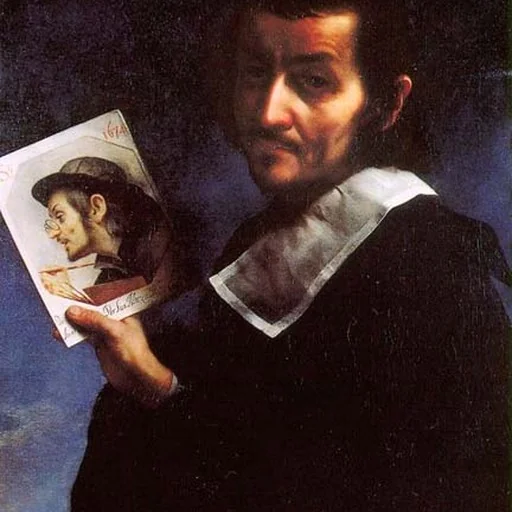
Artist
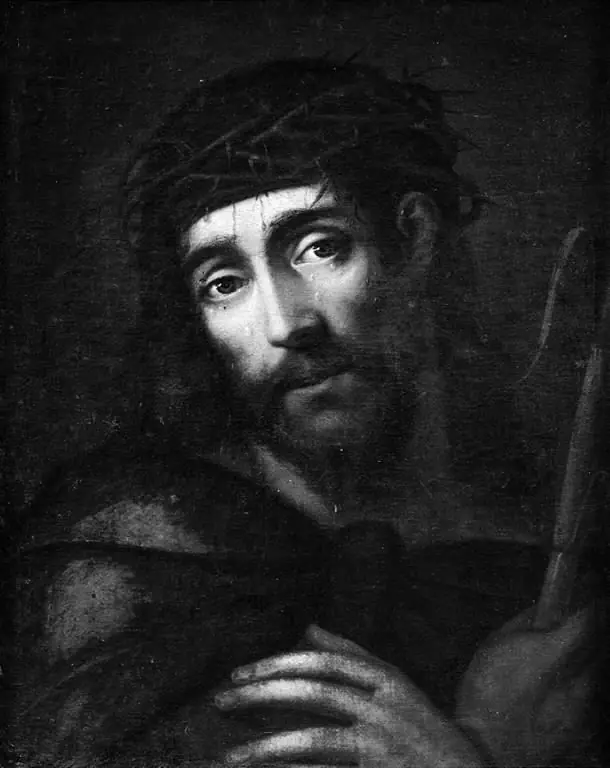
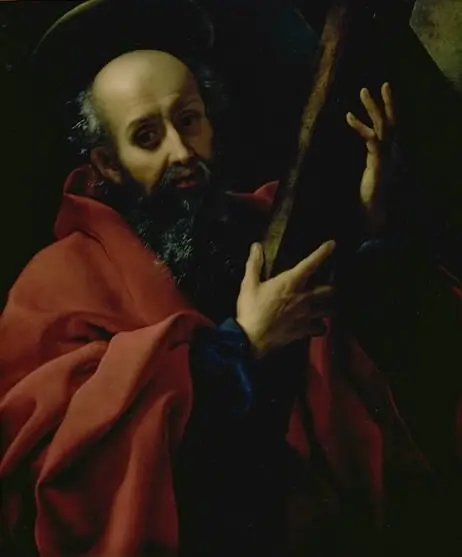
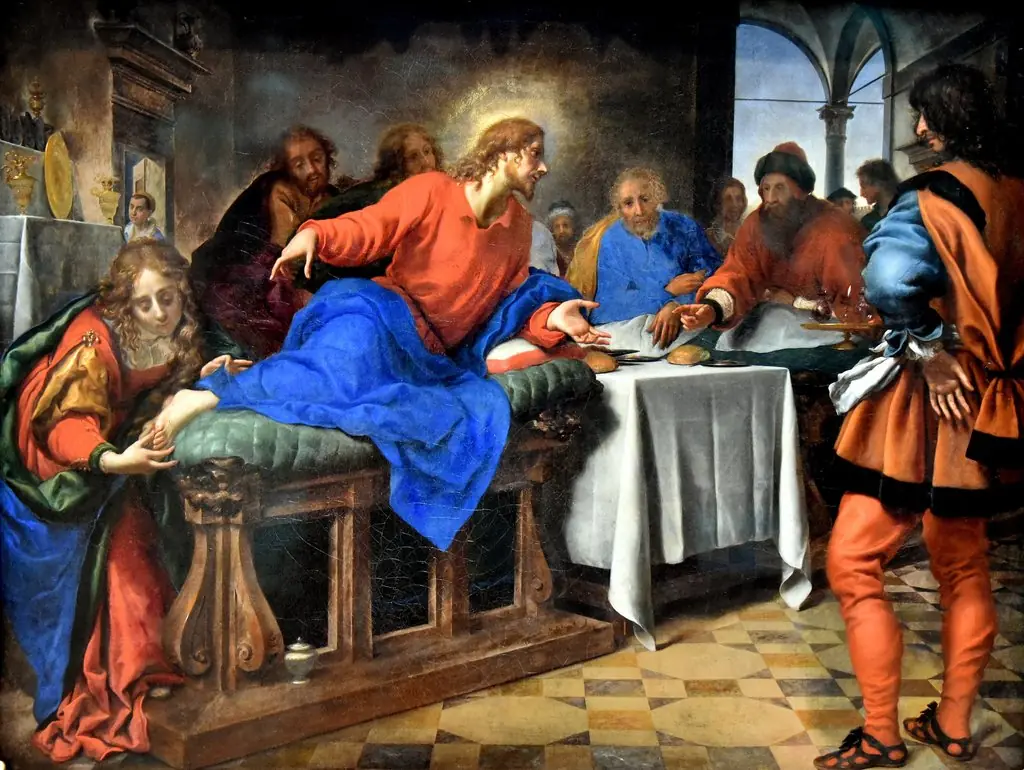
Carlo (or Carlino) Dolci (25 May 1616 – 17 January 1686) was an Italian Baroque painter active mainly in Florence, known for highly finished religious pictures, often repeated in many versions.