Artwork
Nativity
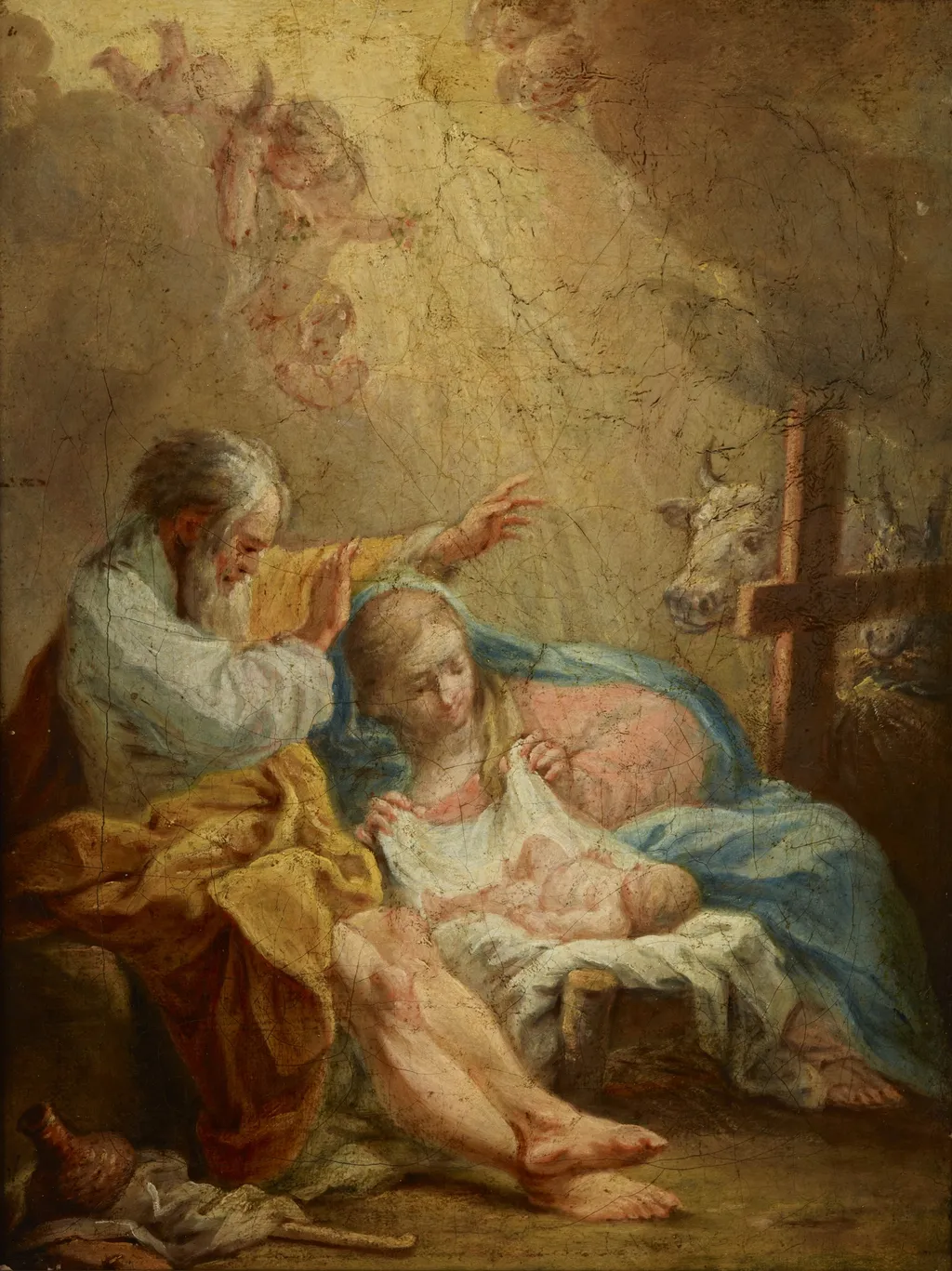
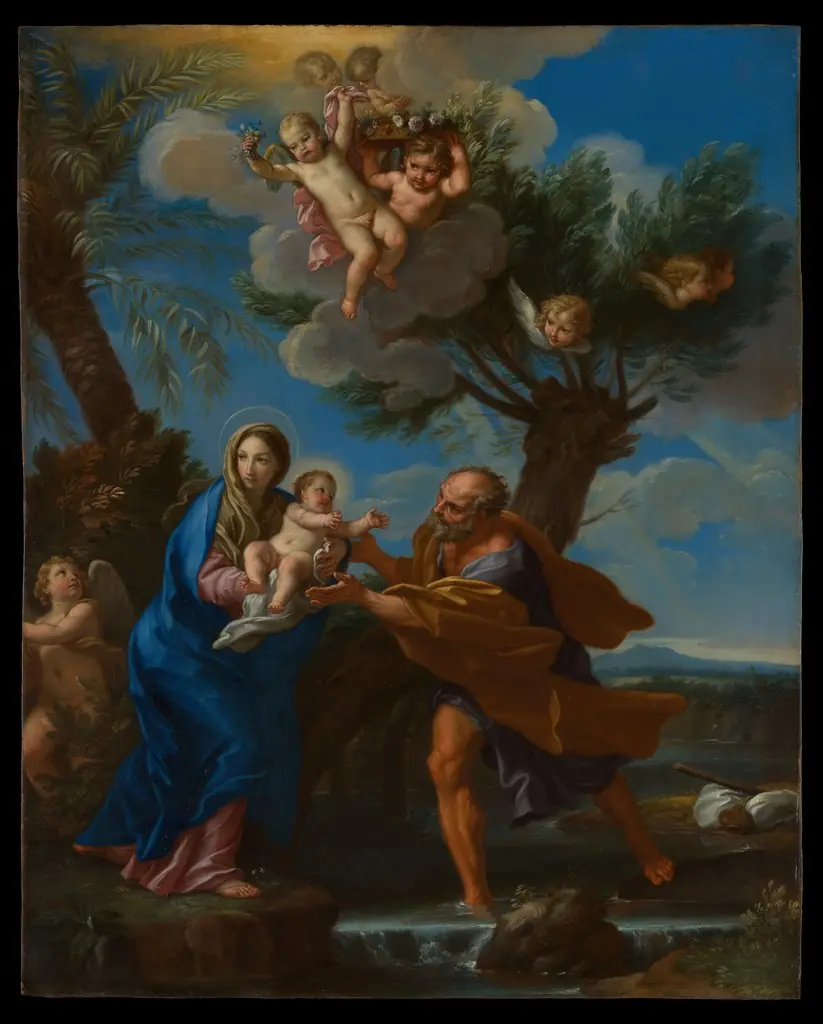
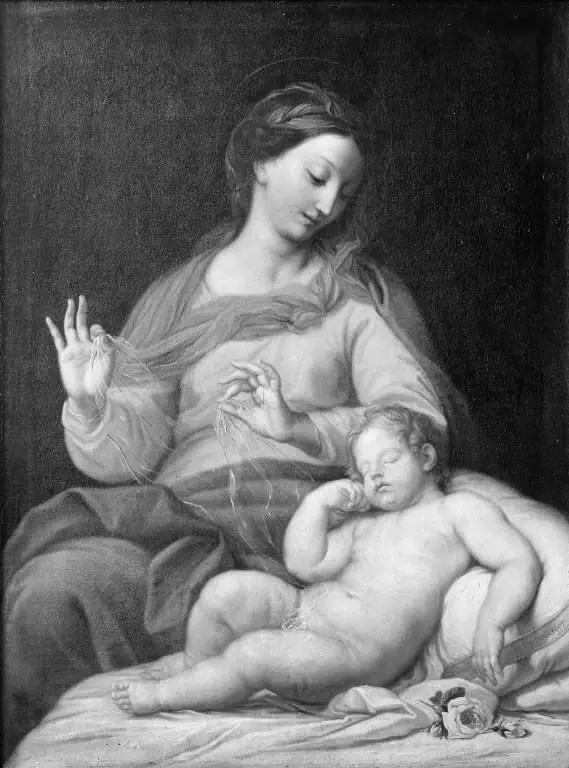
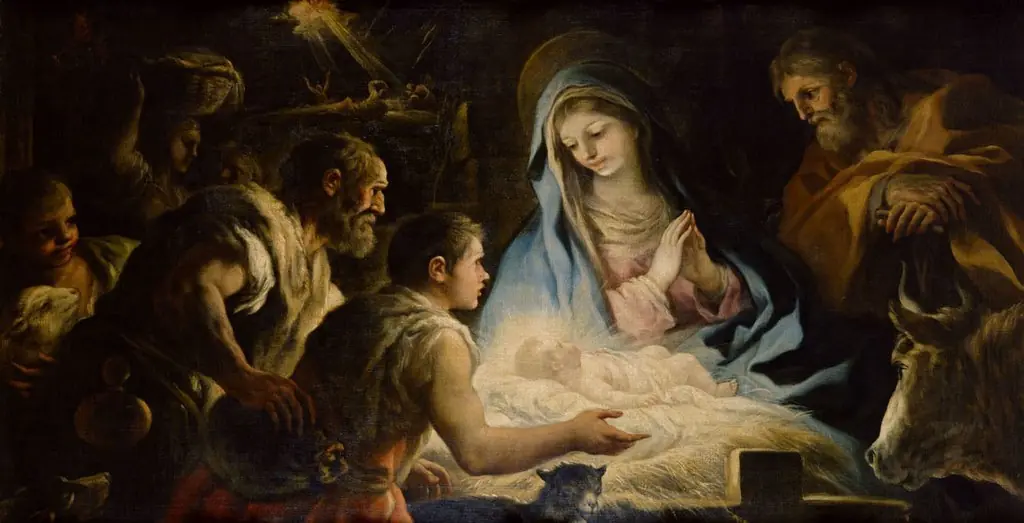
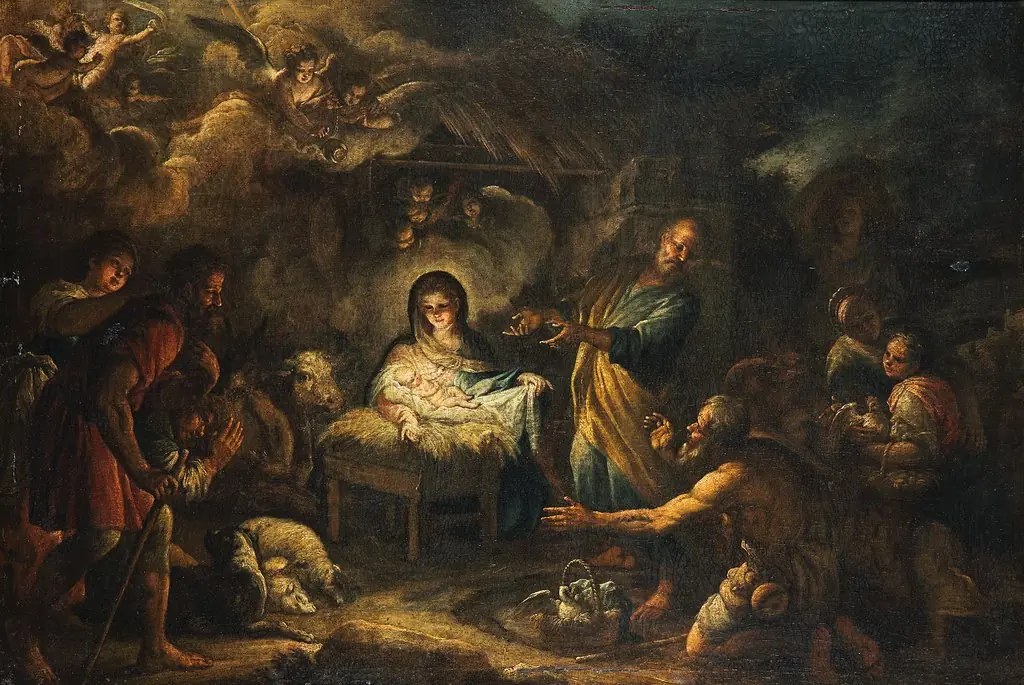
Nativity is an oil painting by the High Renaissance artist Carlo Maratta. It dates from 1675 and is held in the collection of the National Museum in Kraków.
About this work
Overview
Carlo Maratta painted *Nativity* circa 1675 in oil on canvas, during his tenure as a leading figure in Roman art.
Carlo Maratta painted *Nativity* circa 1675 in oil on canvas, during his tenure as a leading figure in Roman art. His style, rooted in classical ideals, aligned with the Late Baroque’s emphasis on harmony and restraint. The work entered the National Museum in Kraków’s collection, where it remains today as a representative example of 17th-century Italian religious painting, distinct for its quiet solemnity rather than dramatic intensity.
Subject & Meaning
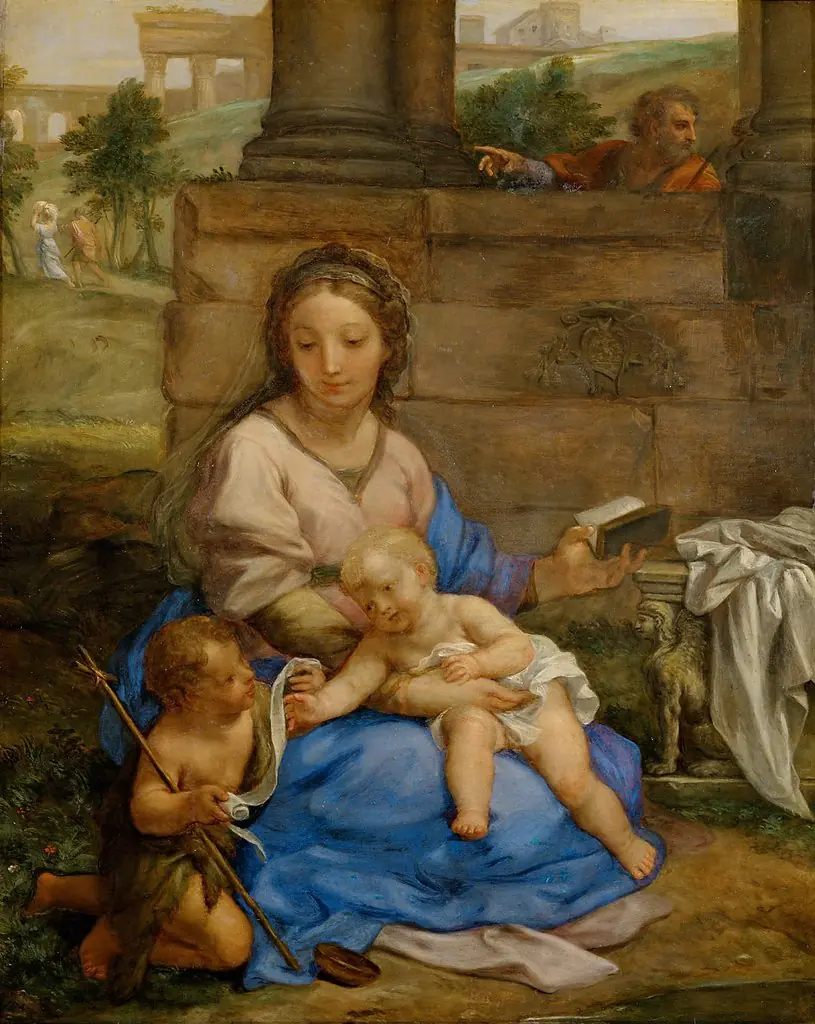
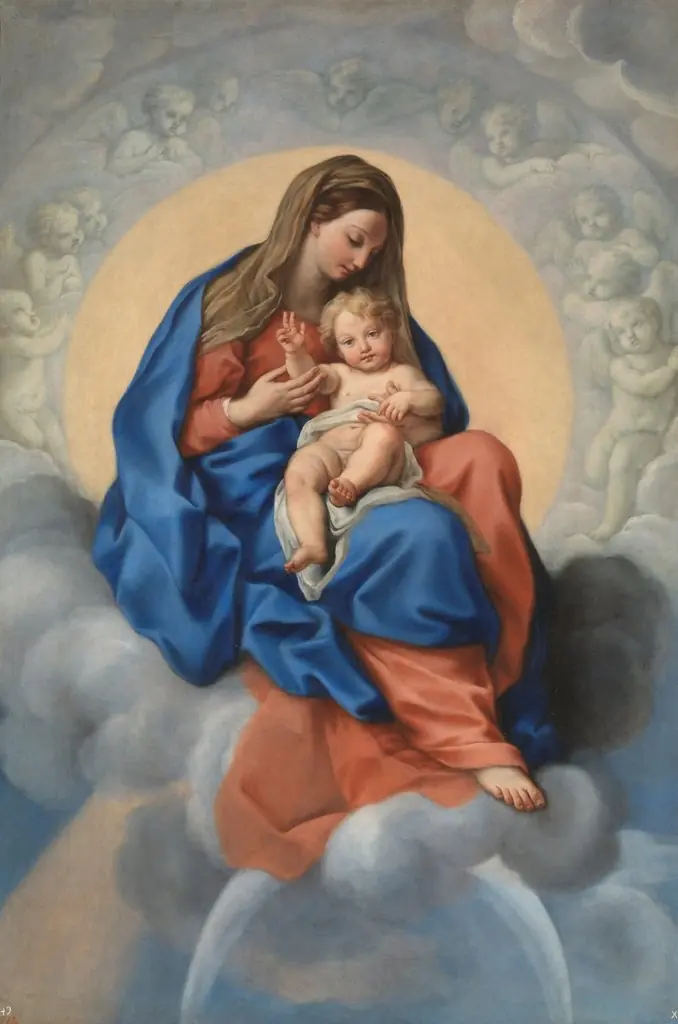
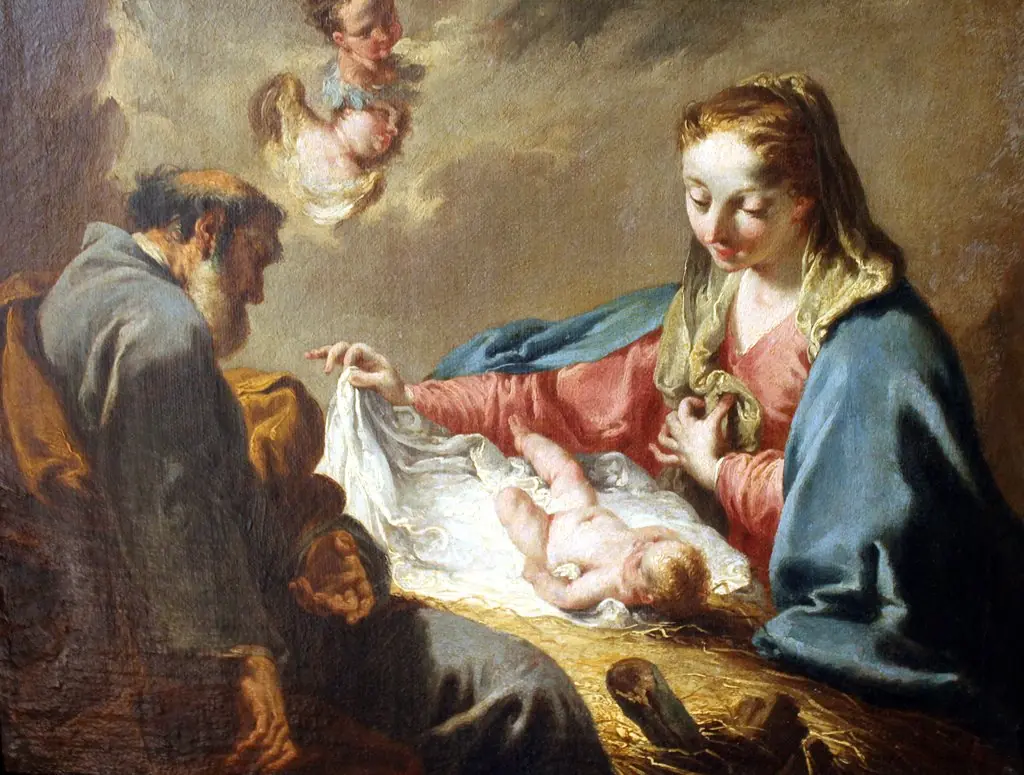
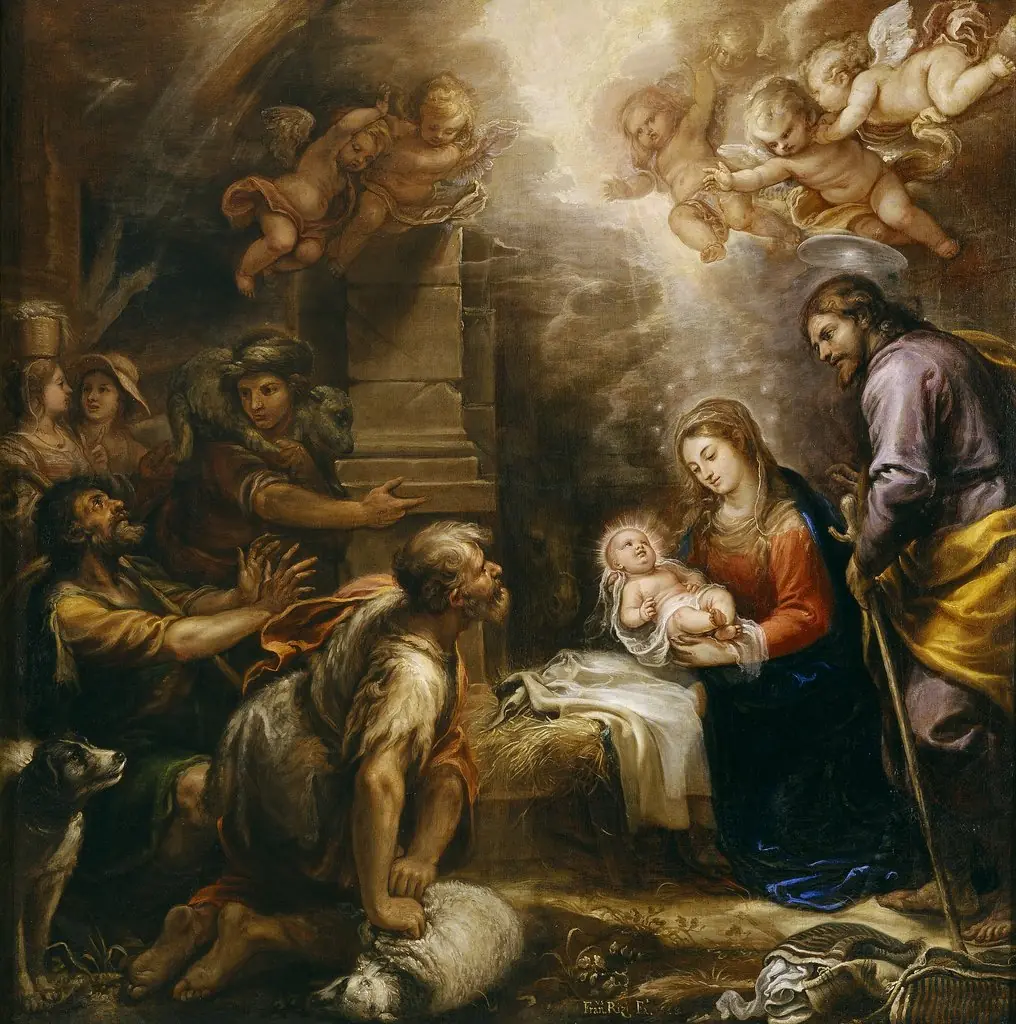
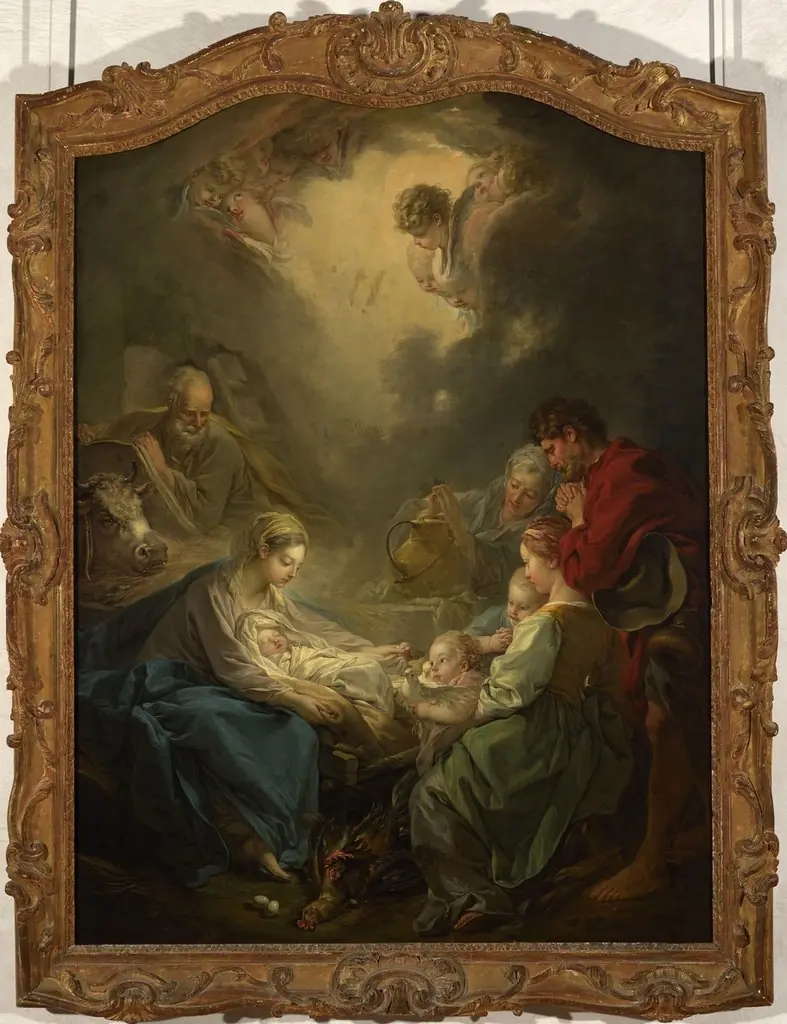
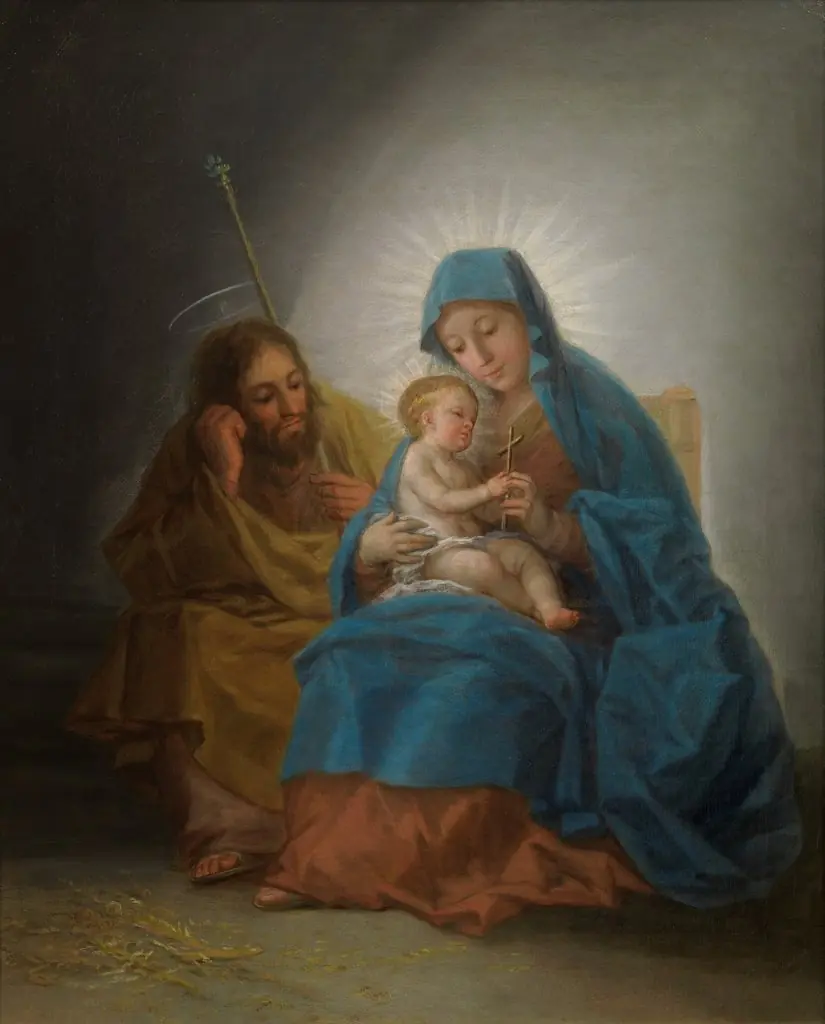
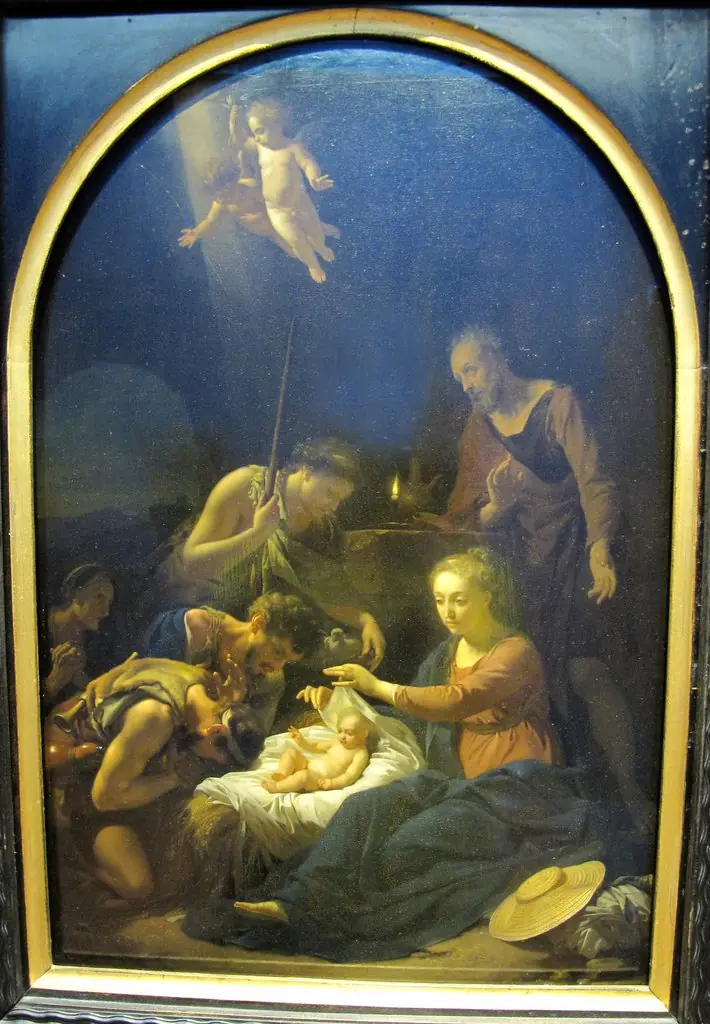
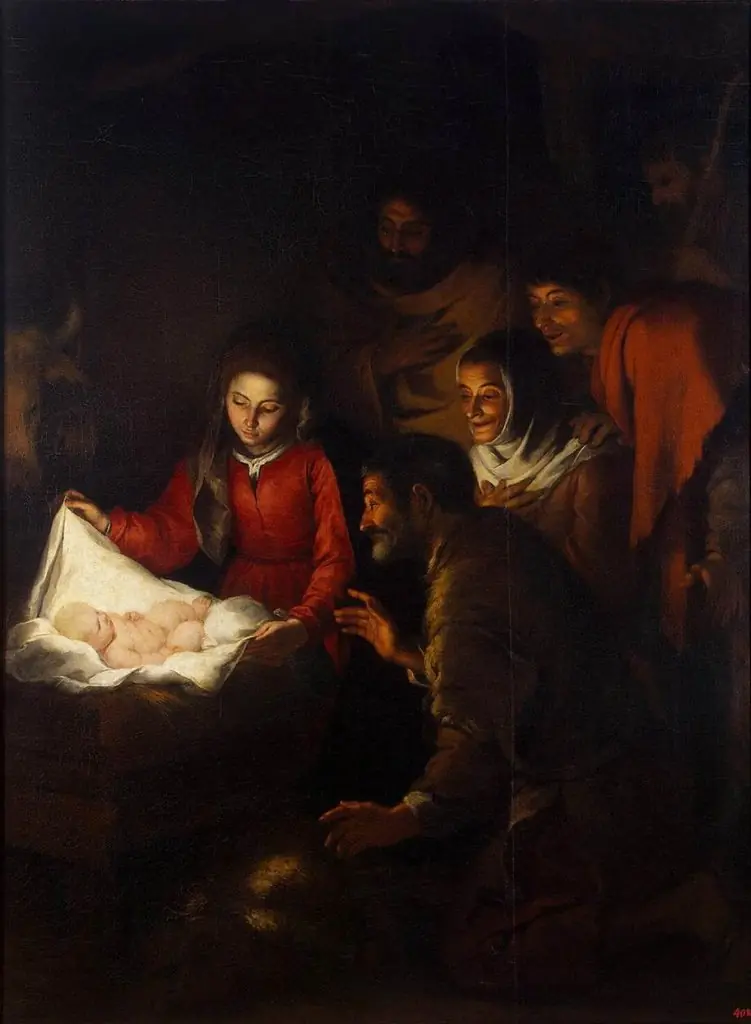
The scene depicts the infant Jesus cradled in the Virgin Mary’s lap, while Saint Joseph stands nearby, gazing down with quiet reverence. The composition avoids theatricality, focusing instead on tender domesticity. The figures’ gentle gestures and subdued expressions convey spiritual intimacy, reflecting a devotional approach common in Counter-Reformation art, where the humanity of sacred figures was emphasized to foster personal connection.
Technique & Style
Maratta employed oil paint with meticulous brushwork to render soft textures in fabric, skin, and hair. The warm golden background, subtly modulated with shadow, creates depth without distraction. Figures are rendered with naturalistic proportions and restrained modeling, echoing High Renaissance ideals. The palette is rich but controlled, avoiding vivid contrasts in favor of harmonious tonal transitions that enhance the scene’s quiet dignity.
History & Provenance
Commissioned during Maratta’s peak influence in Rome, the painting likely originated in a private or ecclesiastical setting before entering Polish collections. Its presence in Kraków suggests acquisition during the 18th or 19th century, possibly through diplomatic or aristocratic channels. No documentation of its early ownership survives, but its preservation indicates continued appreciation for classical religious imagery in Central Europe.
Context
In late 17th-century Rome, Maratta represented a conservative counterpoint to the more dynamic Baroque styles of his contemporaries. His adherence to Raphael-esque clarity resonated with papal patrons seeking stability after the turbulence of the Reformation. *Nativity* reflects this preference for serene, orderly devotion, positioning sacred narratives as accessible, human moments rather than celestial spectacles.
Legacy
Though overshadowed by more flamboyant Baroque artists, Maratta’s influence endured through his students and his role in shaping academic taste. *Nativity* exemplifies a quieter strand of Baroque piety that valued restraint and emotional sincerity. Its preservation in Kraków underscores its role as a transnational artifact, bridging Roman artistic traditions with Central European collections of religious art.
Artist & collection
Artist
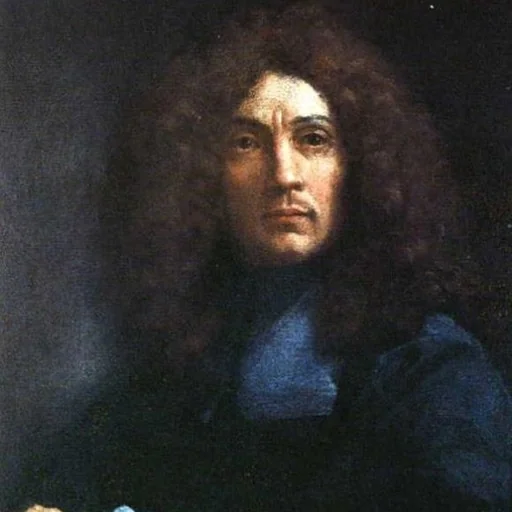
Carlo Maratta or Maratti (18 May 1625 – 15 December 1713) was an Italian Baroque painter and draughtsman, active principally in Rome where he was the leading painter in the second half of the 17th century.