Artwork
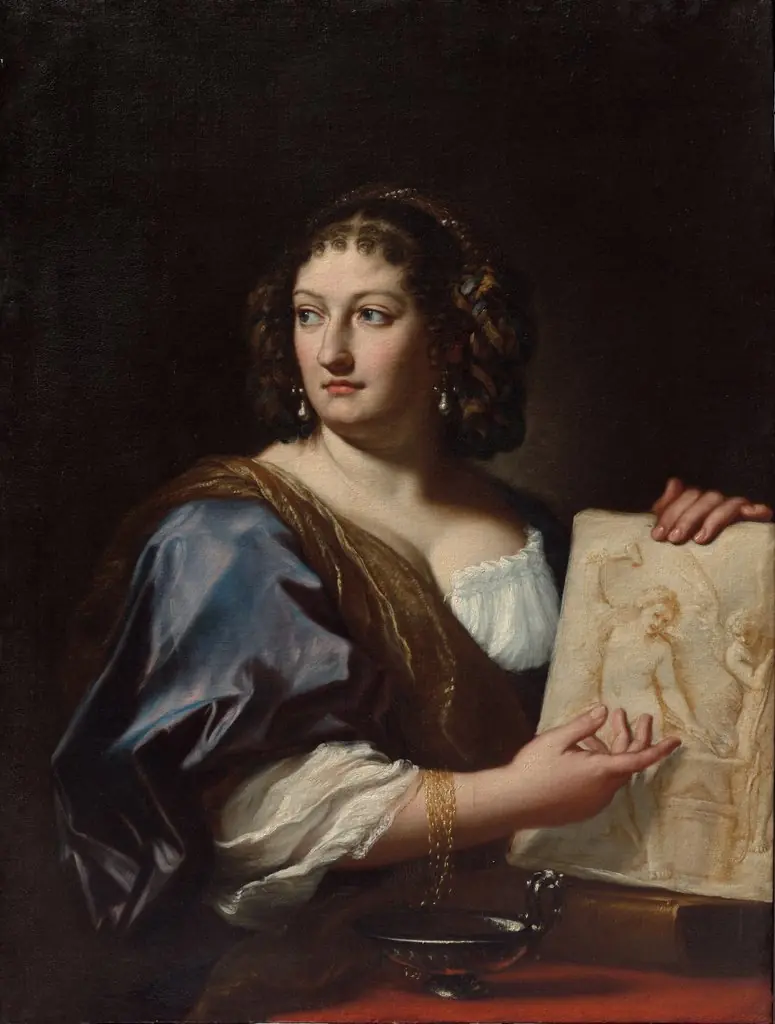
Portrait of Francesca Gommi Maratti
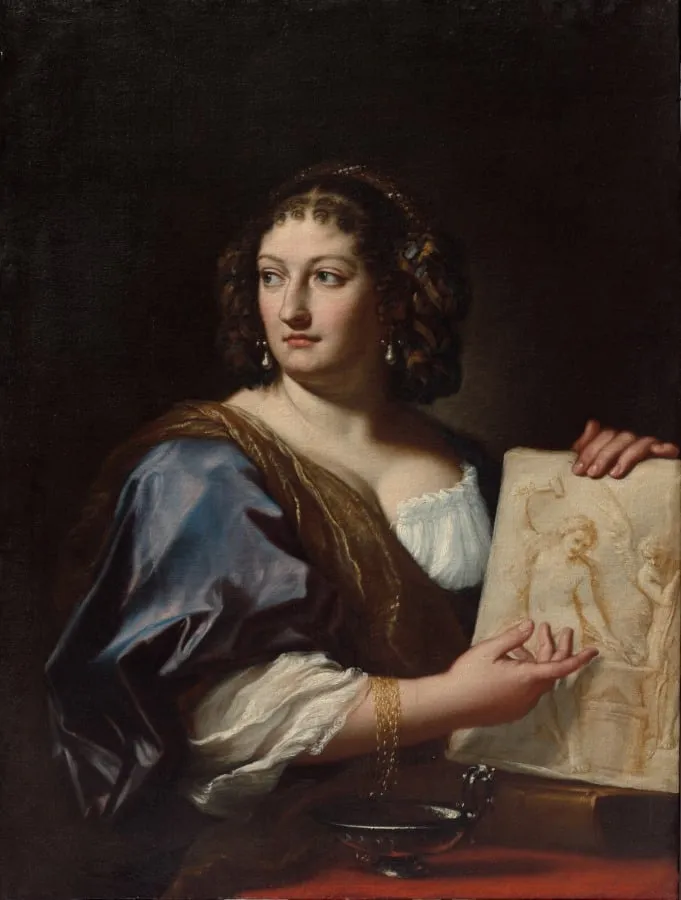
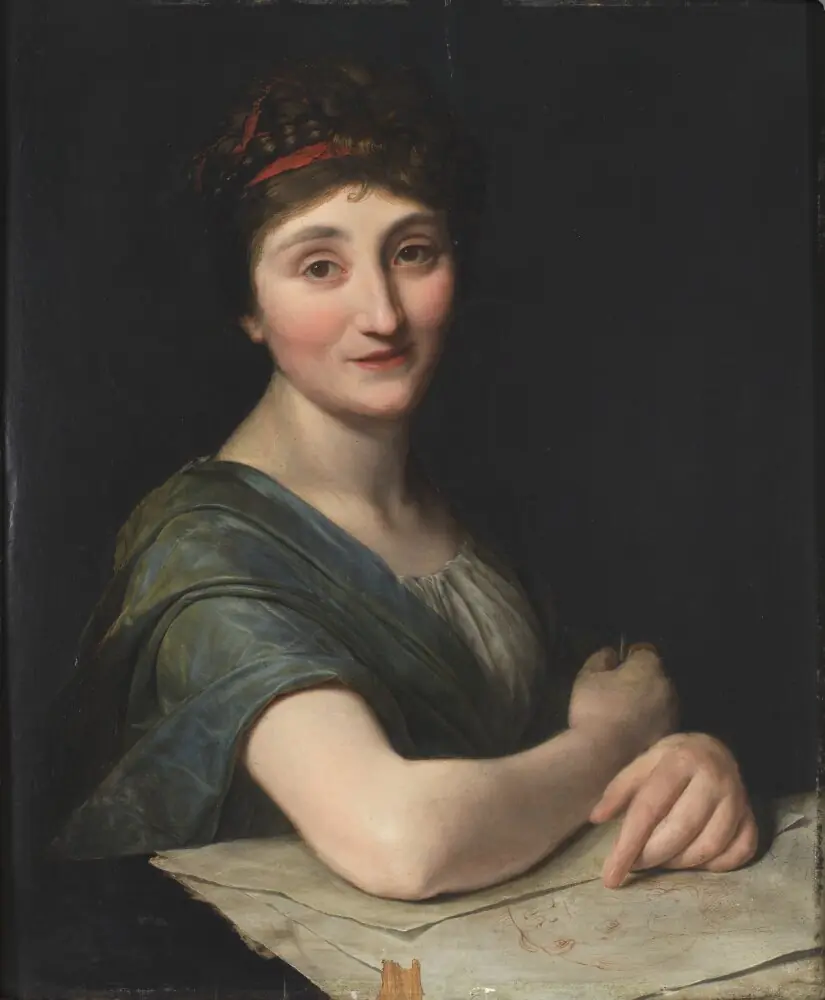
Portrait of Francesca Gommi Maratti is an unspecified painting by the Baroque artist Carlo Maratta. It dates from 1701 and is held in the collection of the Cleveland Museum of Art.
About this work
The drawing she holds isn’t just decoration—it’s a nod to love and family, since Venus and Cupid symbolize romance and children.
This is a portrait of a woman in a dark dress, holding a small drawing of Venus and Cupid. Her face is calm, her hair neatly pulled back.
Carlo Maratti painted his wife, Francesca, after they finally married in 1700. The drawing she holds isn’t just decoration—it’s a nod to love and family, since Venus and Cupid symbolize romance and children. The painting feels personal, like a quiet celebration.
To see more of Maratti’s work, look up The Cleveland Museum of Art.
Overview
Carlo Maratti painted this portrait of Francesca Gommi Maratti shortly after their marriage in 1700, following the death of his first wife. Francesca had been his companion and the mother of his only child since the 1670s. The work captures her in a restrained, intimate setting, holding a small drawing that introduces a symbolic layer to the composition, transforming the portrait into a private meditation on enduring affection.
Subject & Meaning
Francesca Gommi is depicted with composed dignity, her dark attire and neatly gathered hair emphasizing modesty and permanence. The drawing she holds—Venus crafting Cupid’s arrows—serves as a quiet allegory: love’s enduring power and the continuity of family. It reflects not only marital union but also the legitimacy of their shared life and child, subtly affirming their bond beyond social convention.
Technique & Style
Maratti employed a refined, academic style characteristic of late Baroque Rome, with soft modeling and muted tones to convey quiet intimacy. The texture of Francesca’s dress contrasts with the delicate lines of the drawing she holds, drawing attention to its symbolic weight. The composition avoids theatricality, favoring stillness and psychological presence over grandeur.
History & Provenance
The painting was created after Maratti’s marriage to Francesca, marking a personal turning point following decades of their relationship. Its early provenance is tied to the artist’s household, and it remained within his circle before entering public collections. The Cleveland Museum of Art holds one of the few known versions, though its exact path from Rome to Cleveland remains partially undocumented.
Context
In early 18th-century Rome, marriage to a long-term mistress was socially unusual but not unheard of among artists and nobility. Maratti, a leading painter of the papal court, navigated these norms with discretion. The portrait’s restrained symbolism aligns with the era’s preference for allegory as a means of expressing private sentiment within public artistic forms.
Legacy
The portrait stands as a rare personal document in Maratti’s oeuvre, distinguishing him from contemporaries who focused on mythological or religious subjects. It offers insight into the private lives of artists and the quiet ways familial bonds were affirmed through art, beyond official commissions or public displays.
Artist & collection
Artist
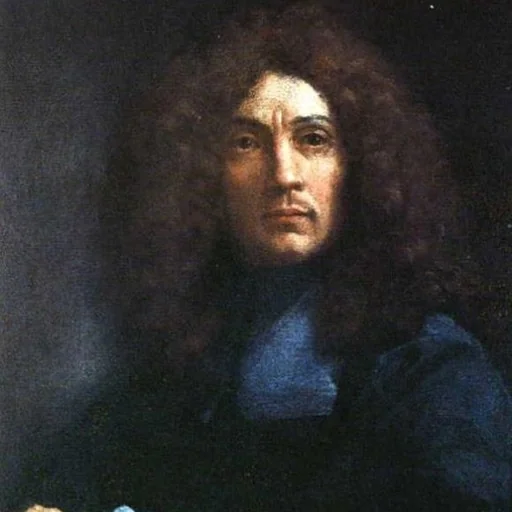
Carlo Maratta or Maratti (18 May 1625 – 15 December 1713) was an Italian Baroque painter and draughtsman, active principally in Rome where he was the leading painter in the second half of the 17th century.