Artwork
Bleuêt
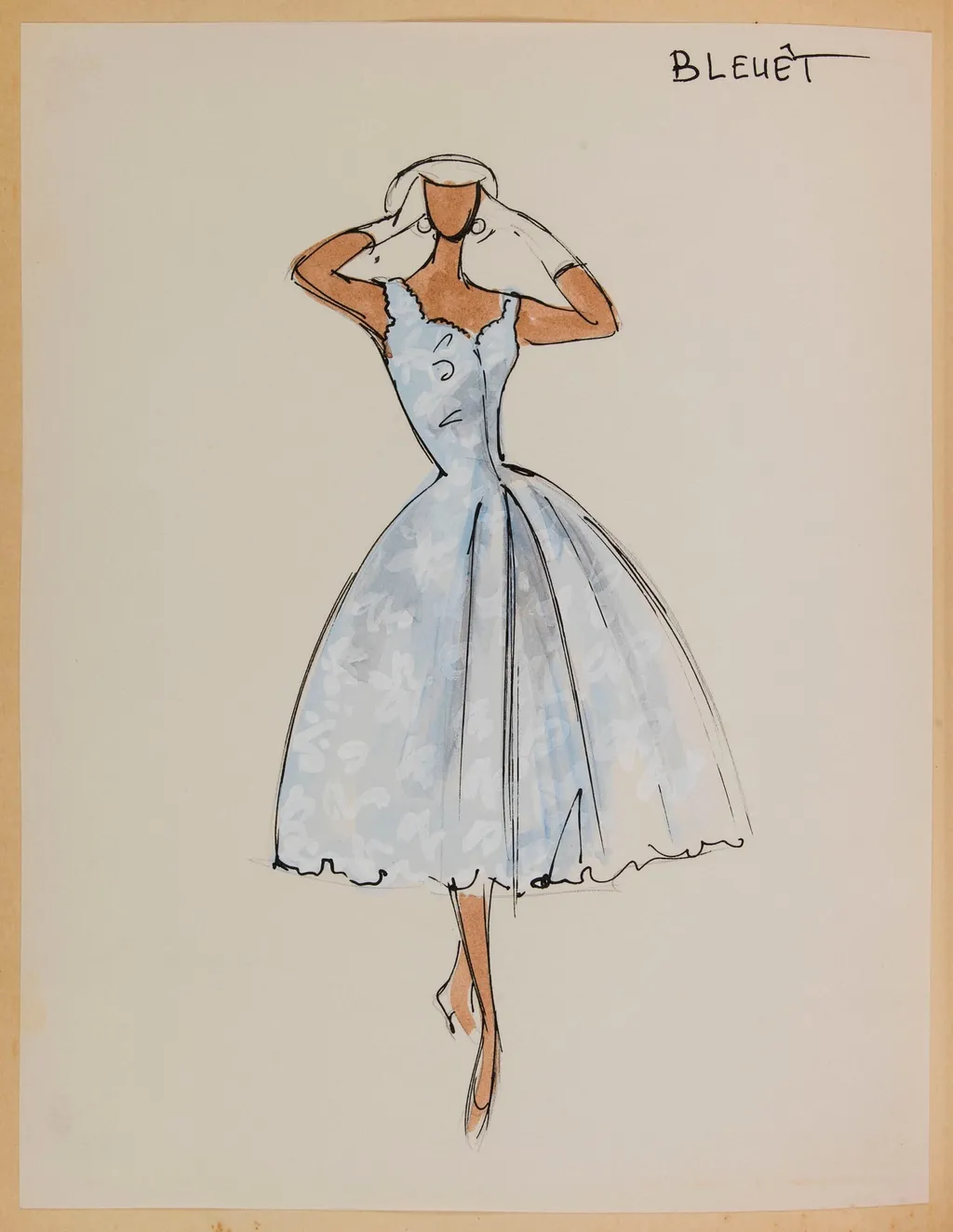
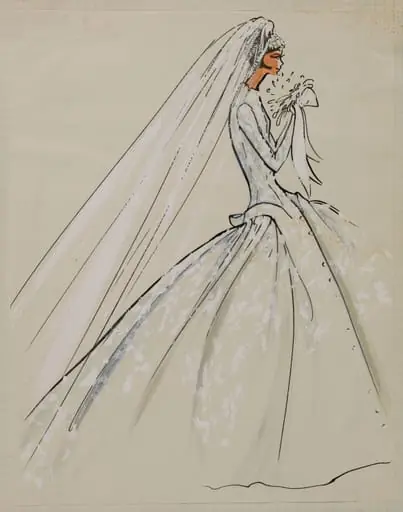
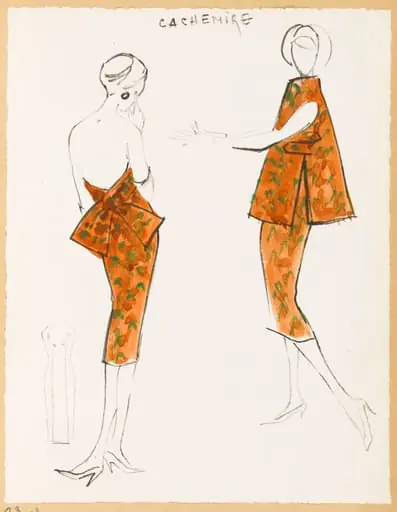
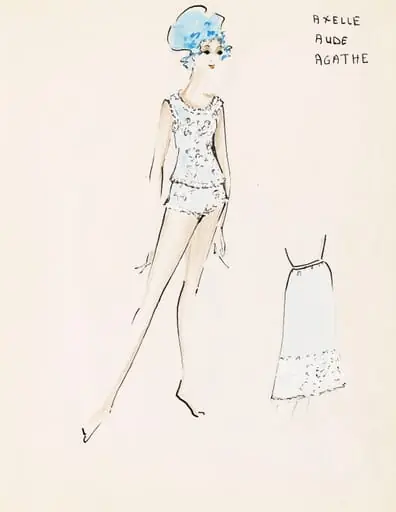
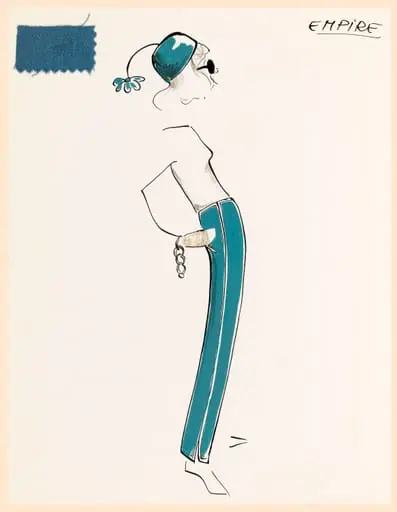
Bleuêt is a drawing by Carven. It dates from 1956 and is held in the collection of the Palais Galliera - Musée de la Mode de la Ville de Paris.
About this work
Overview
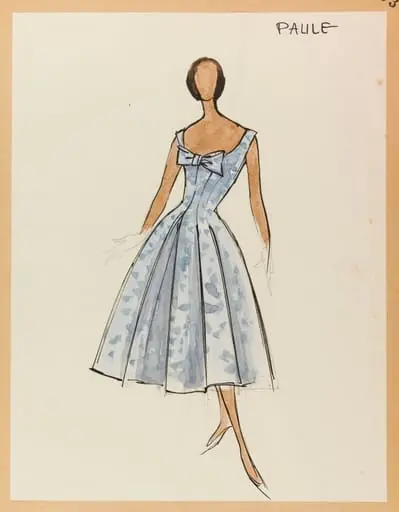
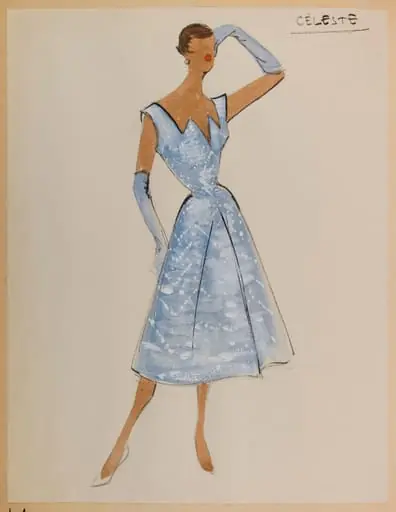
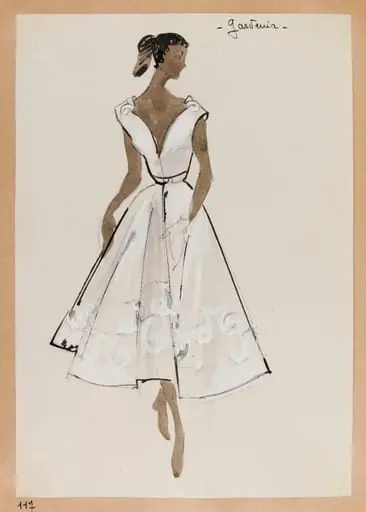
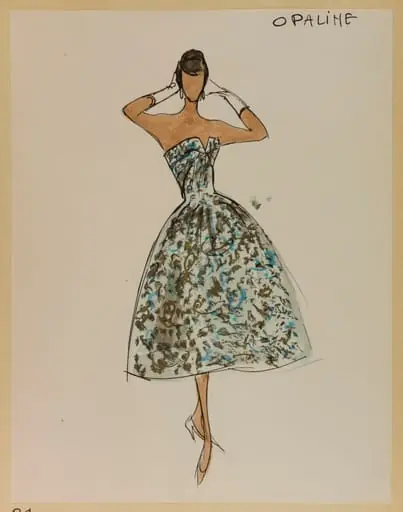
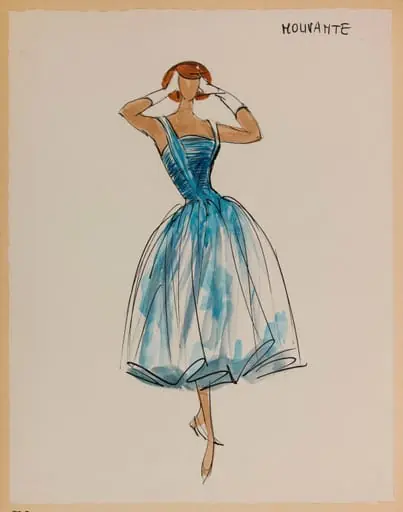
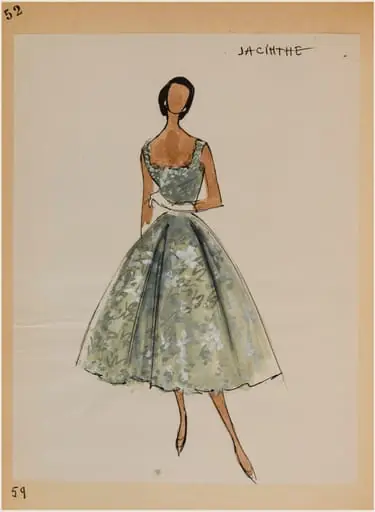
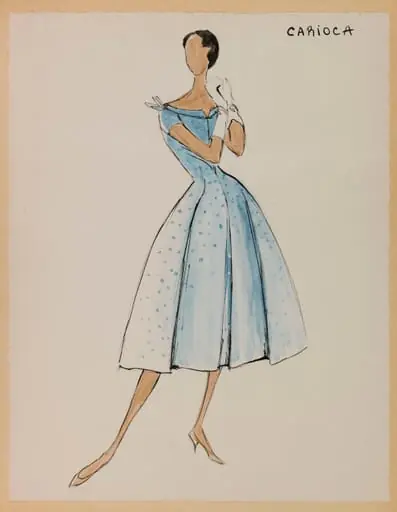
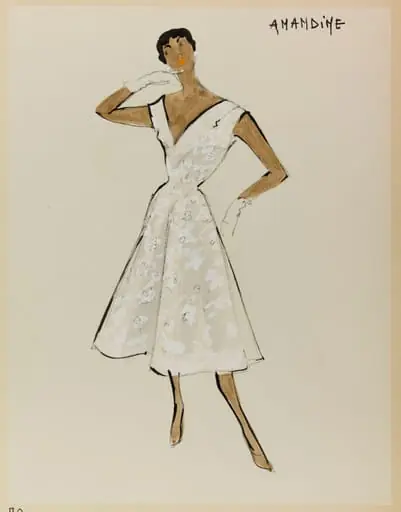
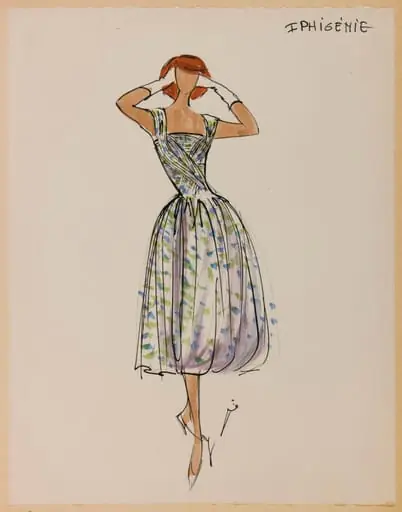
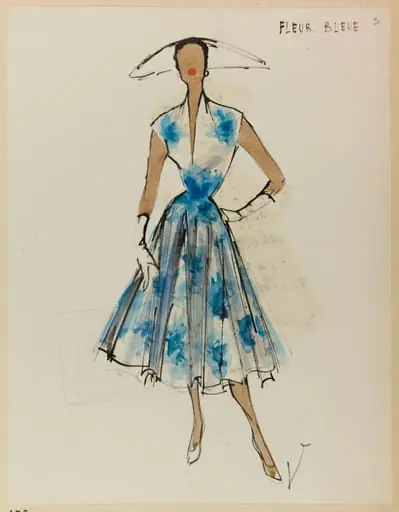
It depicts a solitary woman in a light blue, floral-patterned dress, captured in a moment of quiet self-adjustment.
Bleuêt is a painted portrait created around 1956 by the French fashion designer and artist Carven. It depicts a solitary woman in a light blue, floral-patterned dress, captured in a moment of quiet self-adjustment. The work is held in the collection of the Museum of Ethnography, where it is presented as an example of mid-century visual culture intersecting with fashion design. The composition emphasizes form and texture over narrative detail.
Subject & Meaning
The subject is a woman engaged in a private, everyday gesture—adjusting her hair—suggesting introspection rather than performance. Her poised stance and unadorned expression convey a sense of calm self-possession. The focus on clothing, particularly the dress, implies an interest in personal adornment as an extension of identity. There is no indication of social context or setting, allowing the figure to stand as a symbol of quiet individuality.
Technique & Style
The painting employs a restrained palette and flat, even background to isolate the figure and her attire. Brushwork is smooth and deliberate, emphasizing the fabric’s pattern and the dress’s structured silhouette. The limbs and posture are rendered with clarity but without excessive detail, reinforcing a stylized, almost graphic quality. This approach aligns with mid-century design sensibilities that valued clean lines and minimal distraction.
History & Provenance
Created in the mid-1950s, Bleuêt entered the Museum of Ethnography’s collection as part of a broader effort to document fashion as cultural artifact. While Carven is primarily known for her couture work, this painting reflects her engagement with visual representation beyond garment design. Its provenance remains tied to the museum’s postwar acquisitions focused on everyday aesthetics and personal expression in fashion.
Context
In postwar France, fashion design increasingly intersected with fine art and ethnographic study, as designers sought to elevate clothing as cultural expression. Carven, a prominent figure in Parisian couture, produced works like Bleuêt that blurred boundaries between textile art and portraiture. The painting reflects a period when domestic elegance and feminine poise were celebrated in both high fashion and visual culture.
Legacy
Bleuêt remains a quiet example of how fashion designers extended their creative vision beyond the runway into visual art. It contributes to scholarly discussions on the representation of women in mid-century design and the role of clothing in personal identity. Though not widely exhibited, it endures in institutional collections as a subtle record of aesthetic values from its time.
Artist & collection
Artist
These delicate ink-on-paper drawings capture the quiet poetry of everyday things: pinecones, reeds, apples.
Museum
Palais Galliera - Musée de la Mode de la Ville de Paris
Continue through works from the same source collection.