Artwork
Caravelle
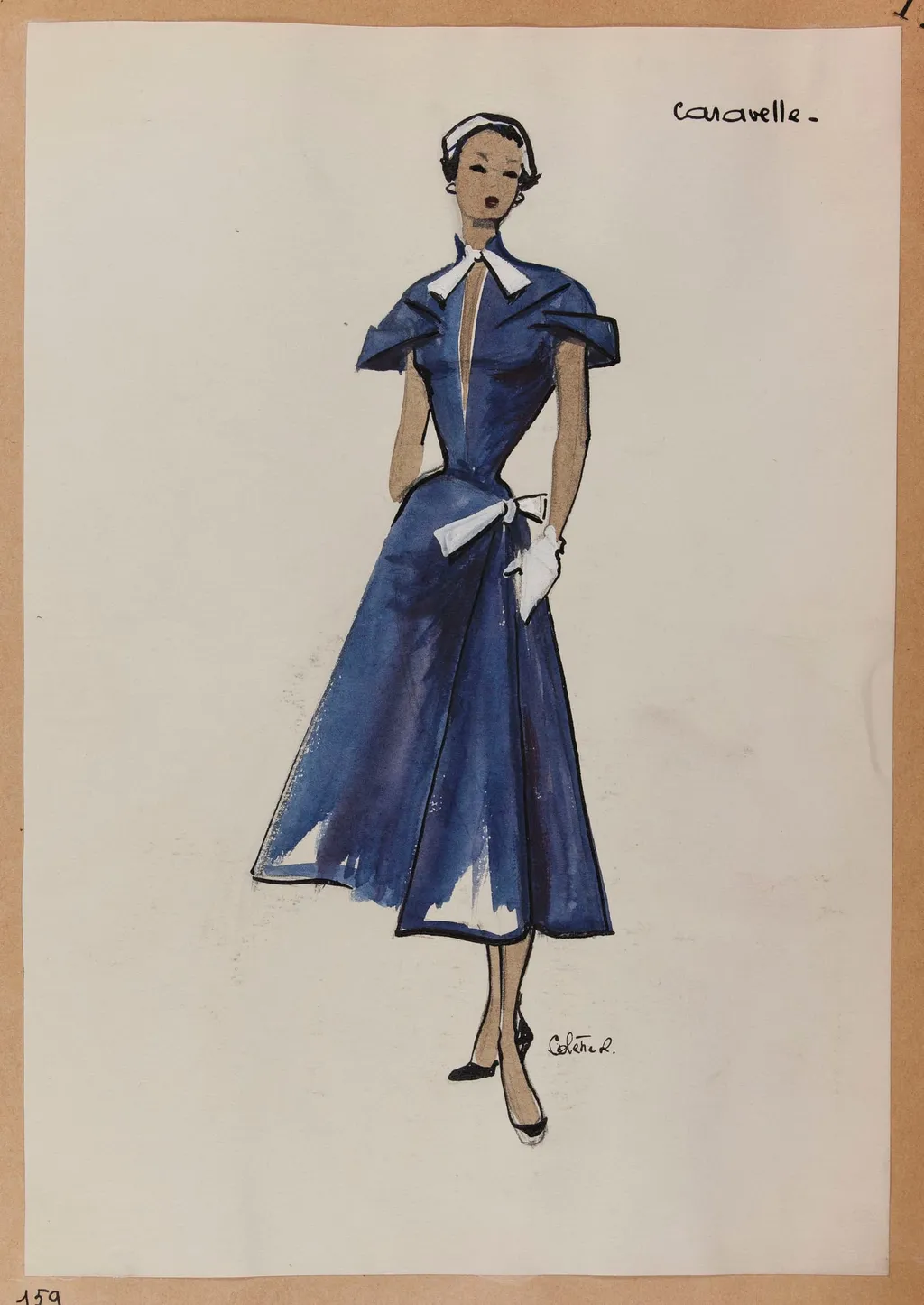
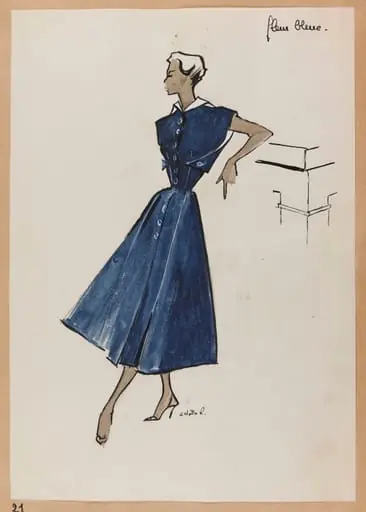
Caravelle is a drawing by Carven. It dates from 1951 and is held in the collection of the Palais Galliera - Musée de la Mode de la Ville de Paris.
About this work
Overview
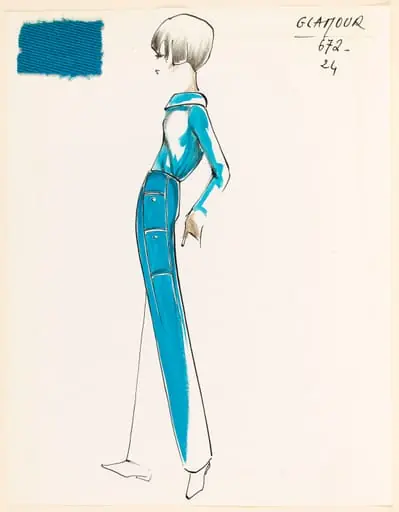
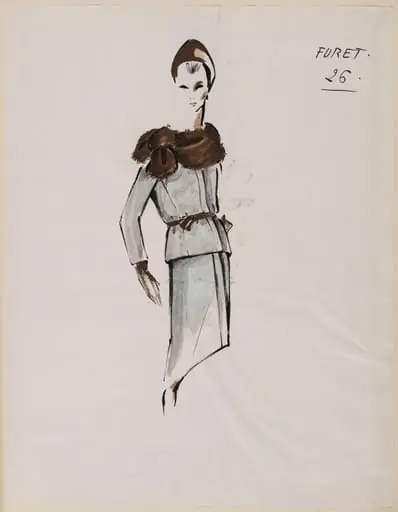
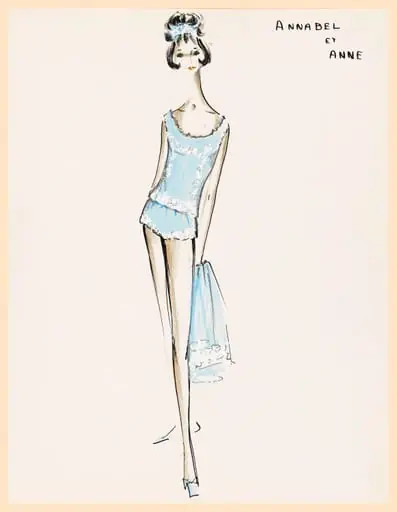
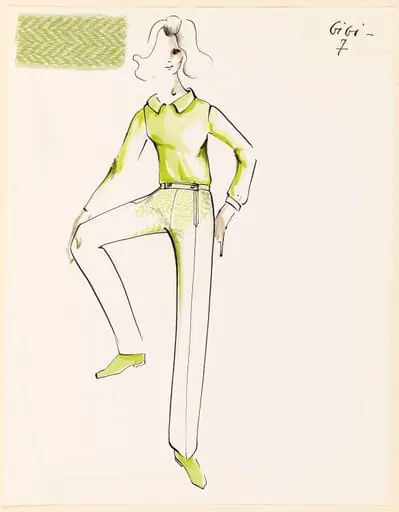
Caravelle is a pencil or ink drawing attributed to the French fashion house Carven, dated around 1951. It is part of the collection at the Museum of Ethnography. The work presents a stylized female figure in contemporary attire, suggesting its origin in commercial fashion design rather than fine art. Its modest scale and focused composition align with industry practices of the period.
Subject & Meaning
The absence of facial detail shifts emphasis to the clothing, reinforcing the illustration’s purpose: to showcase design rather than individual identity.
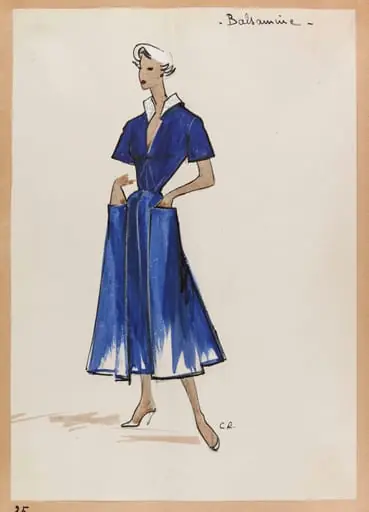
The figure is depicted mid-gesture, mouth slightly open, as if engaged in speech, lending a sense of immediacy to the portrait. The absence of facial detail shifts emphasis to the clothing, reinforcing the illustration’s purpose: to showcase design rather than individual identity. The outfit—blue dress, white collar, waist bow, and black heels—reflects postwar Parisian femininity, where elegance was tied to refined simplicity.
Technique & Style
Rendered in fine linework with minimal shading, the drawing prioritizes clarity over realism. The blurred face and flat background isolate the garment, a common tactic in fashion plates to direct viewer attention. The precision of the dress’s folds and the crispness of the bow suggest skilled draftsmanship, likely executed by a studio illustrator working under Carven’s design direction.
History & Provenance
The drawing entered the Museum of Ethnography’s holdings as part of a broader collection of mid-century fashion materials. Its acquisition reflects the institution’s interest in everyday cultural artifacts, not just ceremonial or historical dress. No record of original publication exists, but its style matches illustrations used in French fashion catalogs of the early 1950s.
Context
In the early 1950s, Paris remained a center of haute couture, with fashion houses producing seasonal lookbooks for clients and retailers. Carven, founded by Madame Carven, was known for youthful, accessible designs. This illustration likely served as a prototype or promotional piece, bridging design and market, and contributing to the visual language of postwar women’s fashion.
Legacy
Caravelle survives as a quiet example of fashion’s ephemeral documentation. Though not signed or widely published, it embodies the collaborative, anonymous labor behind fashion imagery. Today, such works are valued not for celebrity but for their role in preserving the material culture of everyday style during a transformative era in women’s dress.
Artist & collection
Artist
These delicate ink-on-paper drawings capture the quiet poetry of everyday things: pinecones, reeds, apples.
Museum
Palais Galliera - Musée de la Mode de la Ville de Paris
Continue through works from the same source collection.