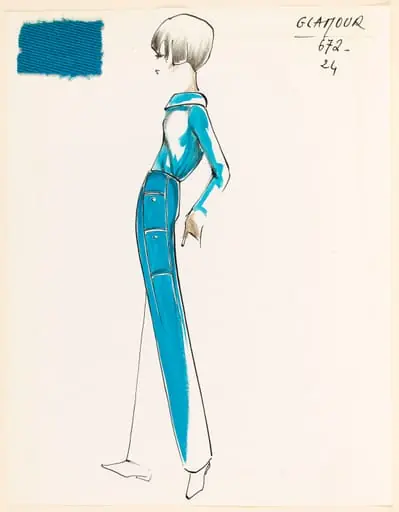
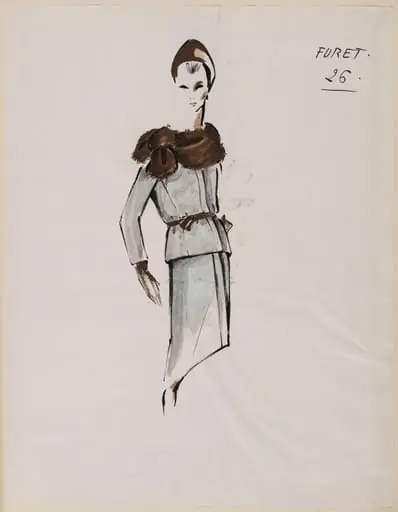
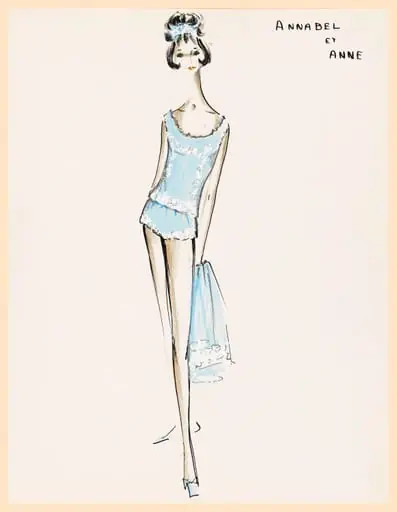
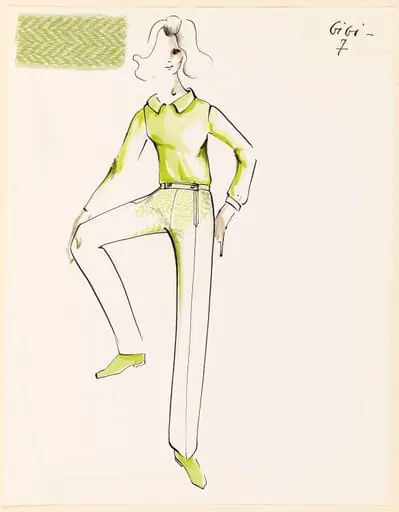
Artwork
'Carlos'
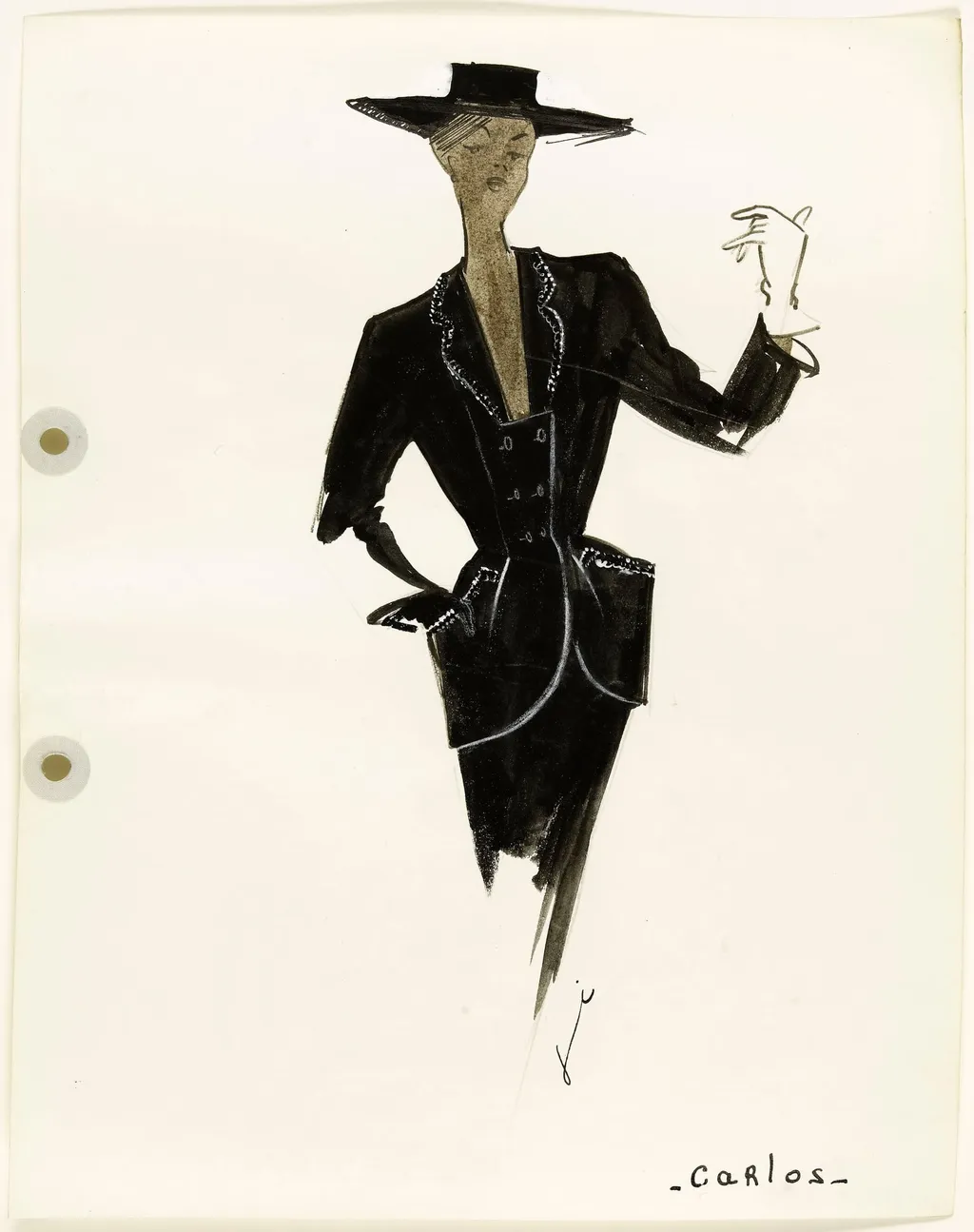
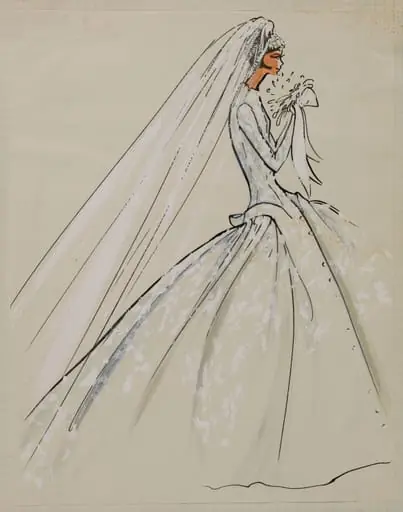
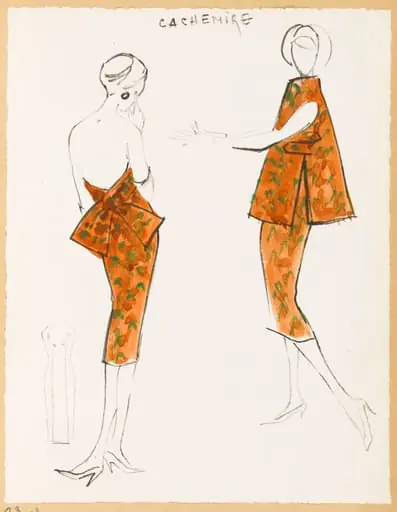
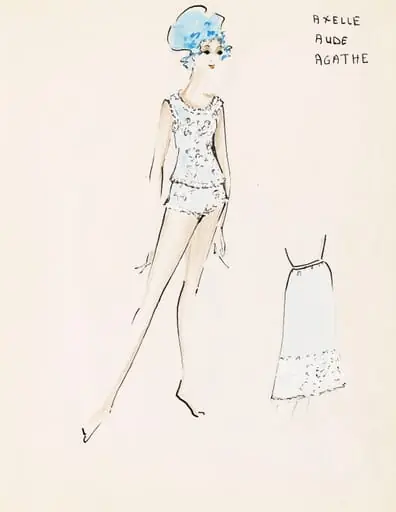
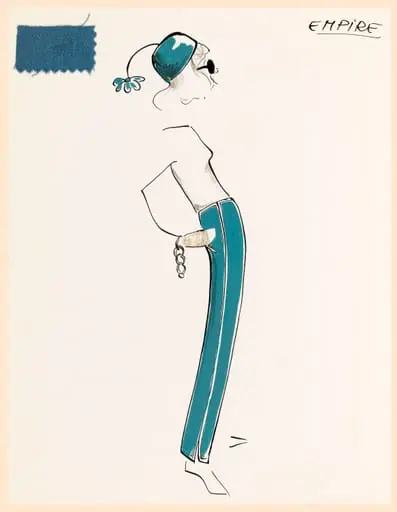
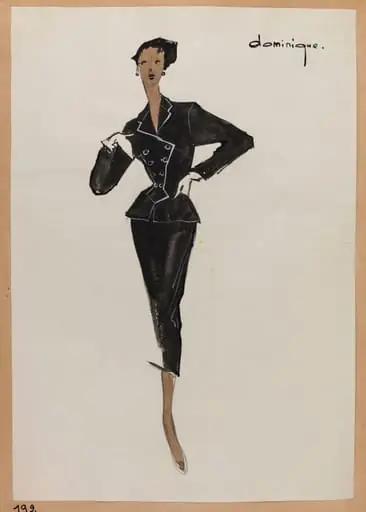
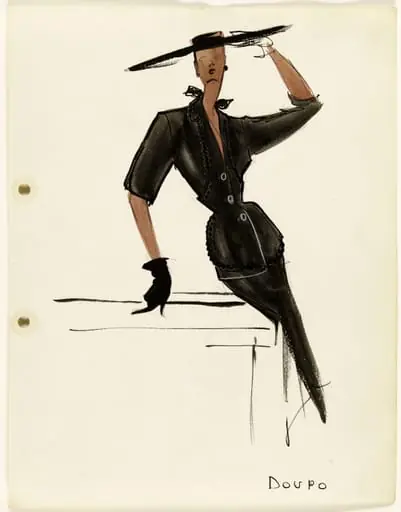
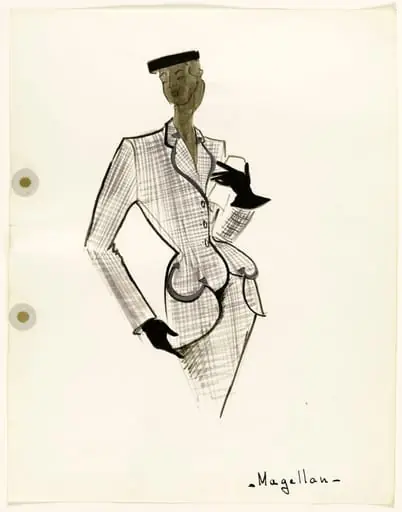
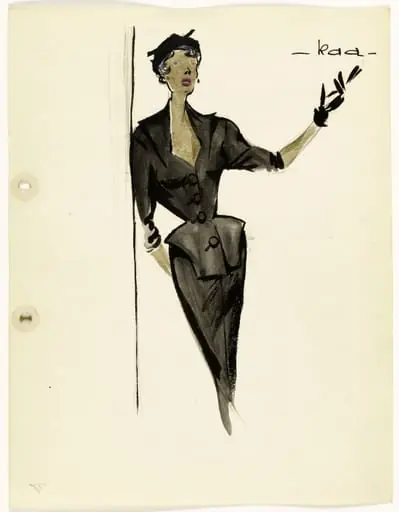
'Carlos' is a drawing by Carven. It dates from 1951 and is held in the collection of the Palais Galliera - Musée de la Mode de la Ville de Paris.
About this work
Overview
The drawing captures a woman in mid-stride, rendered with swift, assured lines that convey motion and poise.
Created in 1951, 'Carlos' is a pencil sketch attributed to the designer Carven. It resides in the collection of the Museum of Ethnography. The drawing captures a woman in mid-stride, rendered with swift, assured lines that convey motion and poise. Though titled 'Carlos,' the figure is female, and the name refers to the designer, not the subject. The work reflects Carven’s interest in fashion as lived experience, not just garment design.
Subject & Meaning
The subject is a woman dressed in a tailored long coat with wide pockets and a broad-brimmed hat, suggesting urban sophistication. Her posture—hand resting in a pocket, the other holding a slender object—implies casual confidence. The absence of facial detail shifts focus to silhouette and gesture, emphasizing demeanor over identity. The drawing evokes postwar femininity: independent, composed, and attuned to style as a form of self-possession.
Technique & Style
Carven employed bold, fluid pencil strokes to define form, using minimal shading to suggest fabric weight and folds. The lines are loose yet deliberate, capturing the rhythm of movement rather than static detail. Cross-hatching appears sparingly, reserved for areas of shadow under the hat brim and coat lapels. The sketch’s energy comes from its spontaneity, reflecting the artist’s familiarity with the human form and textile dynamics.
History & Provenance
The drawing entered the Museum of Ethnography’s collection in the mid-20th century, likely as part of a broader acquisition of fashion-related materials. Its attribution to Carven is consistent with the designer’s known practice of sketching daily life to inform garment design. The signature in the corner, though informal, aligns with Carven’s habit of marking personal studies. No earlier ownership records are documented.
Context
In early 1950s Paris, fashion designers often sketched street figures to study silhouette and movement. Carven, known for practical elegance, used such studies to bridge haute couture and everyday wear. This drawing reflects a broader trend among designers to document real women, not just models, as sources of inspiration. It situates fashion within social observation, not just studio production.
Legacy
Though not widely exhibited, 'Carlos' remains a quiet testament to Carven’s observational approach to design. It illustrates how fashion was conceived not only through fabric and pattern but through the lived gestures of its wearers. The sketch continues to inform curatorial narratives on mid-century fashion as an extension of personal identity and urban culture.
Artist & collection
Artist
These delicate ink-on-paper drawings capture the quiet poetry of everyday things: pinecones, reeds, apples.
Museum
Palais Galliera - Musée de la Mode de la Ville de Paris
Continue through works from the same source collection.