Artwork
Chambord
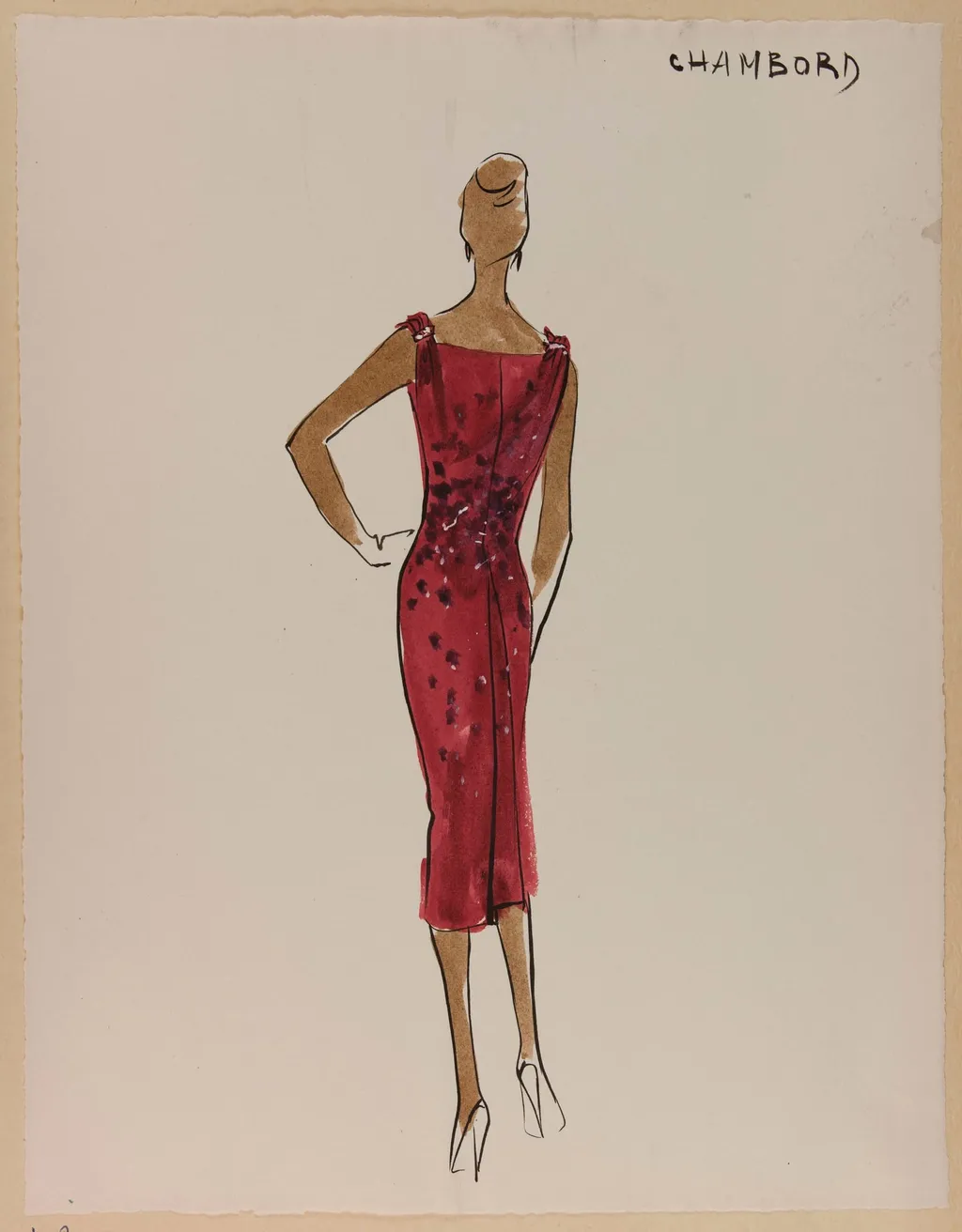
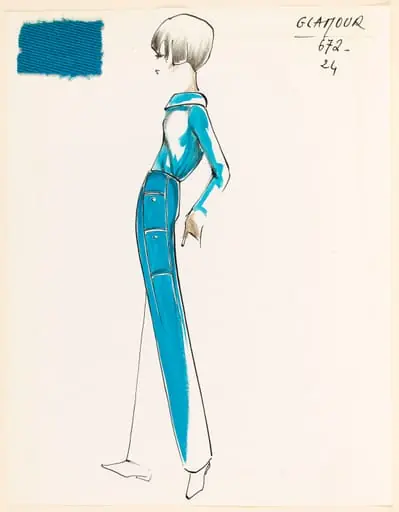
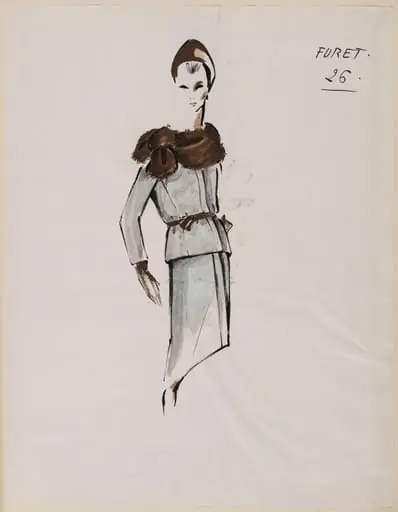
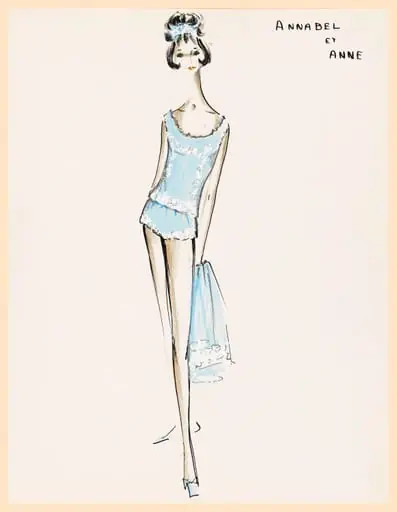
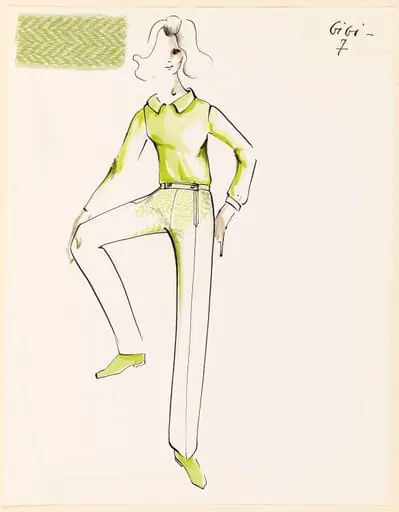
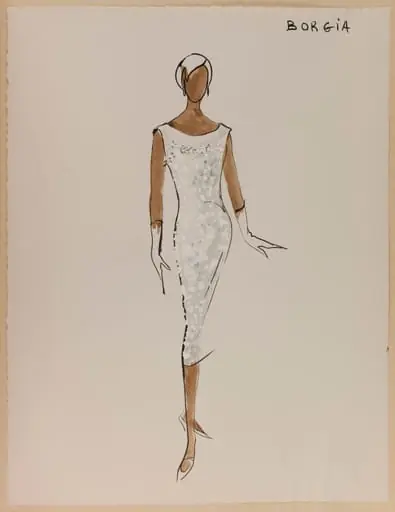
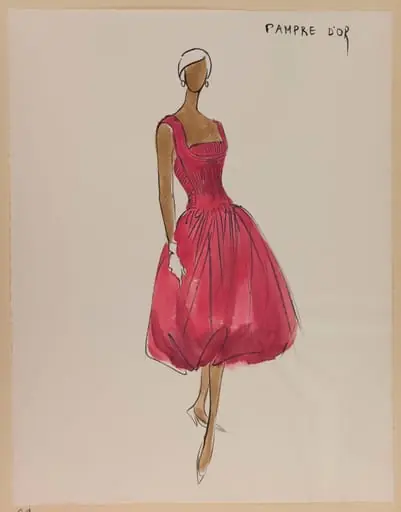
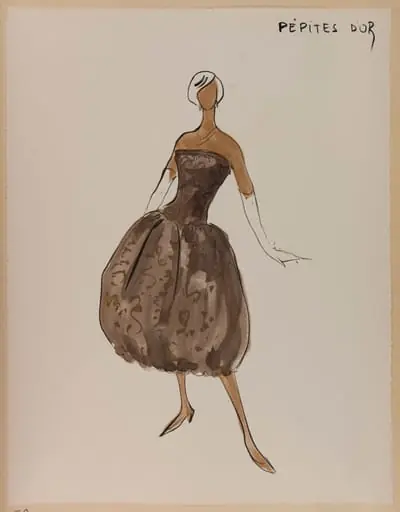
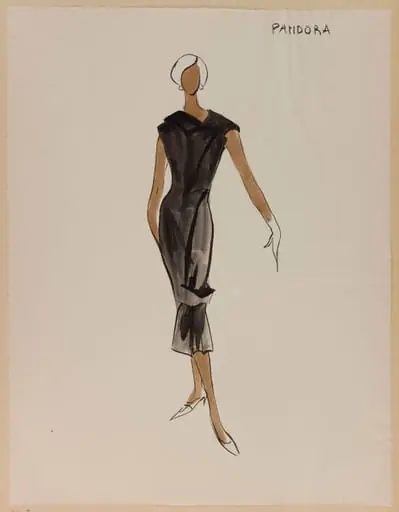
Chambord is a drawing by Carven. It dates from 1956 and is held in the collection of the Palais Galliera - Musée de la Mode de la Ville de Paris.
About this work
Overview
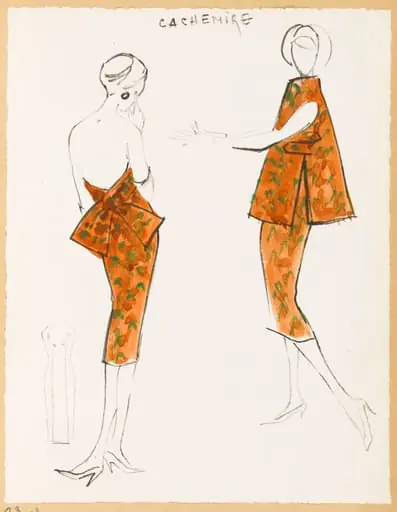
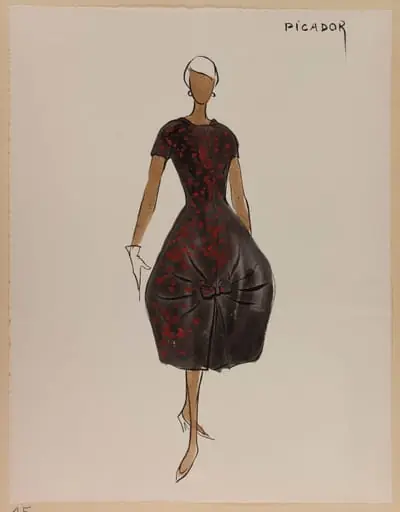
Created around 1956, this watercolor painting by Carven portrays a solitary female figure in a red floral dress, rendered with quiet precision.
Created around 1956, this watercolor painting by Carven portrays a solitary female figure in a red floral dress, rendered with quiet precision. The work is part of the collection at the Museum of Ethnography, where it is presented as a study in form and attire rather than narrative. Its restrained palette and focused composition suggest an interest in everyday elegance, capturing a moment of stillness amid the textures of mid-century fashion.
Subject & Meaning
The figure, turned away from the viewer, exudes a sense of introspection rather than performance. Her posture—hand on hip, arm relaxed—conveys composure without theatricality. The dress, adorned with bows and floral motifs, reflects postwar European domestic style, possibly referencing regional dress traditions or personal adornment. The absence of facial features invites contemplation of identity as expressed through clothing and gesture rather than expression.
Technique & Style
Carven employed transparent watercolor washes to build the dress’s vibrant red, allowing the paper’s texture to subtly show through. The floral pattern is suggested with delicate brushwork, not detailed rendering, while the background’s pale beige creates a soft atmospheric field. The figure’s silhouette is cleanly defined, and the high heels are indicated with minimal strokes, emphasizing form over realism. The technique favors suggestion over description, aligning with a modernist sensibility.
History & Provenance
The painting entered the Museum of Ethnography’s collection in the late 1950s, acquired as part of a broader effort to document contemporary fashion as cultural artifact. Its origins trace to Carven’s personal sketches, likely made during travels in southern France. No exhibition history is documented prior to its institutional acquisition, and its early ownership remains unrecorded beyond the artist’s circle.
Context
In the mid-1950s, European fashion designers increasingly turned to artisanal textiles and traditional silhouettes as a counterpoint to mass production. Carven, known for textile design and costume studies, may have created this work as a visual archive of regional dress elements. The painting’s quiet tone contrasts with the flamboyance of Parisian haute couture, reflecting a quieter, more intimate engagement with clothing as cultural expression.
Legacy
Though Carven is not widely known outside niche circles of textile and fashion studies, this work remains a quiet example of how mid-century artists documented everyday attire as cultural record. It has been referenced in scholarly publications on postwar European dress, particularly in discussions of how women’s fashion carried regional and personal meanings beyond commercial trends. The painting continues to inform curatorial approaches to fashion as material culture.
Artist & collection
Artist
These delicate ink-on-paper drawings capture the quiet poetry of everyday things: pinecones, reeds, apples.

Museum
Palais Galliera - Musée de la Mode de la Ville de Paris
Continue through works from the same source collection.