Artwork
Clairon
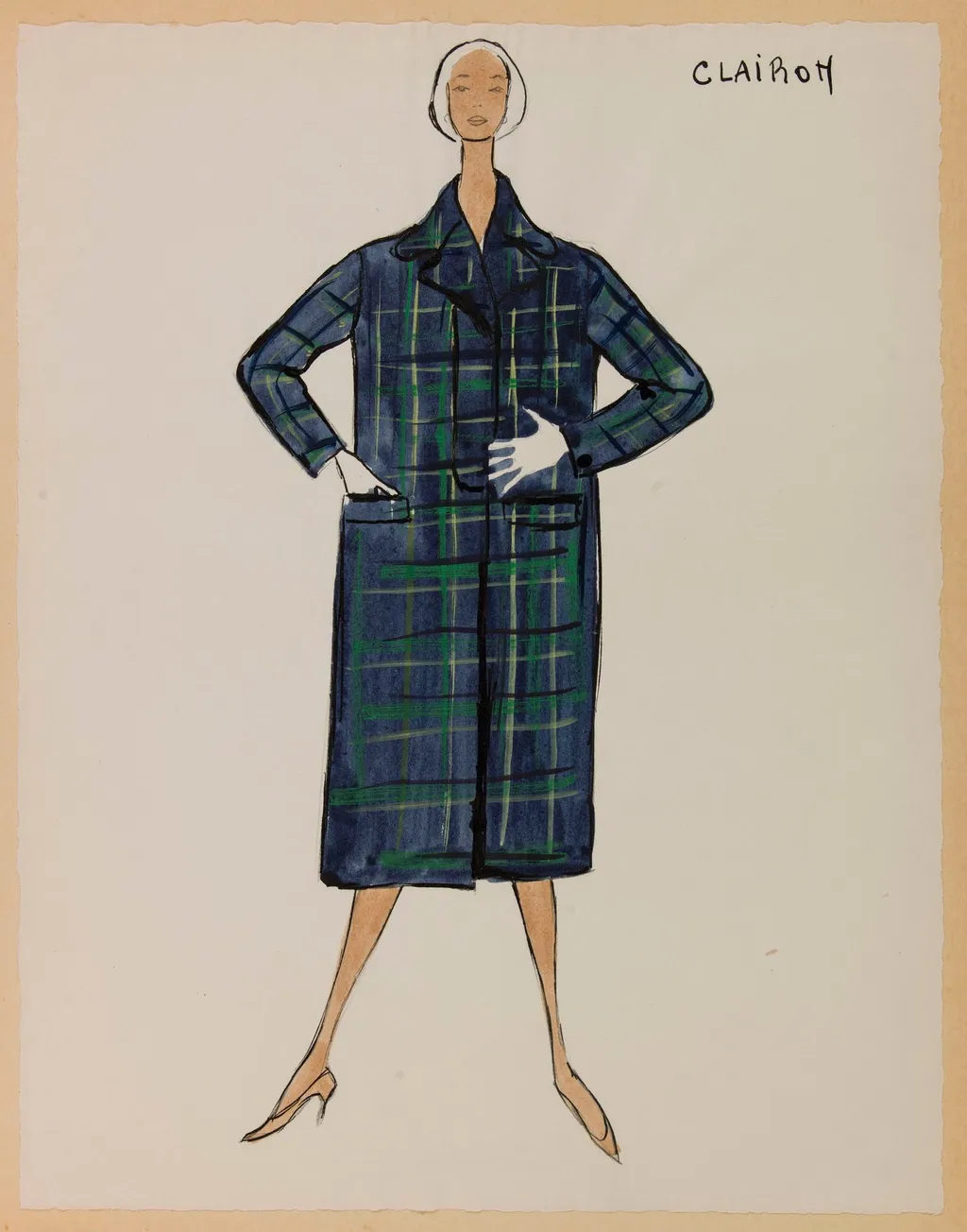
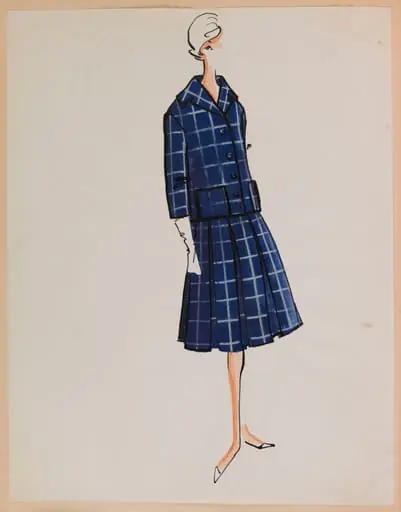
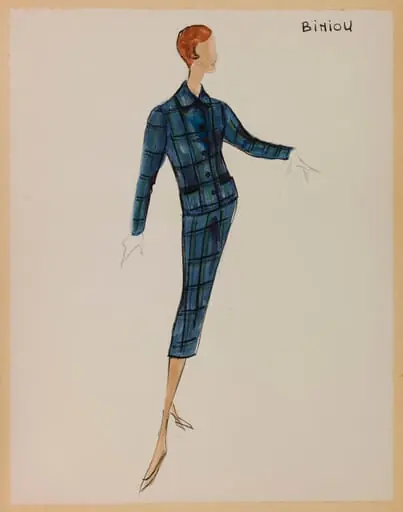
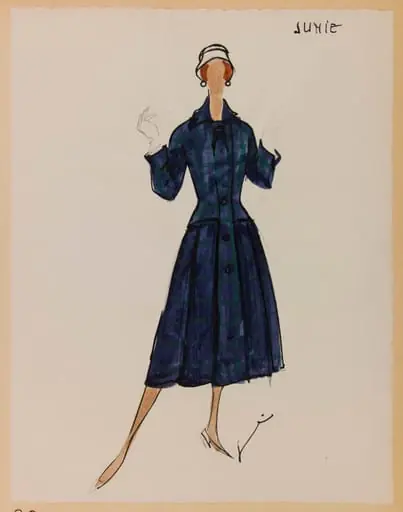
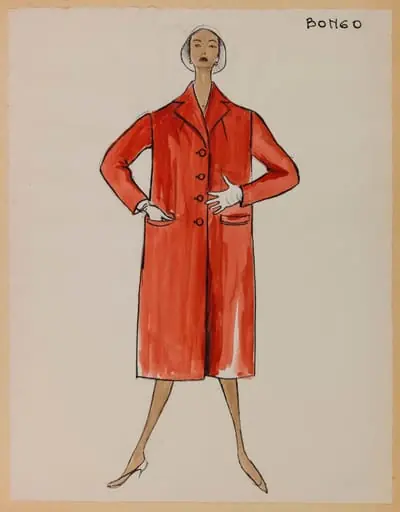
Clairon is a drawing by Carven. It dates from 1956 and is held in the collection of the Palais Galliera - Musée de la Mode de la Ville de Paris.
About this work
Overview
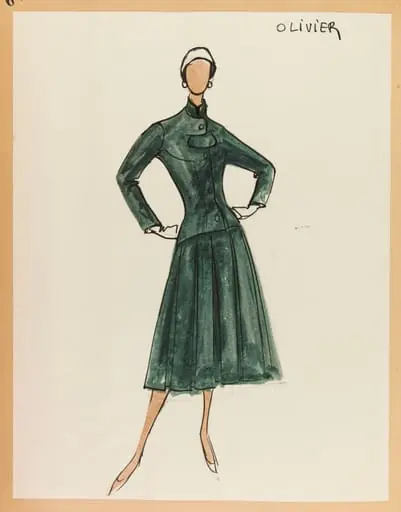
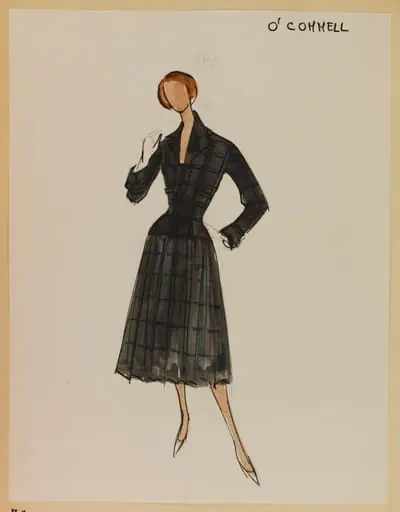
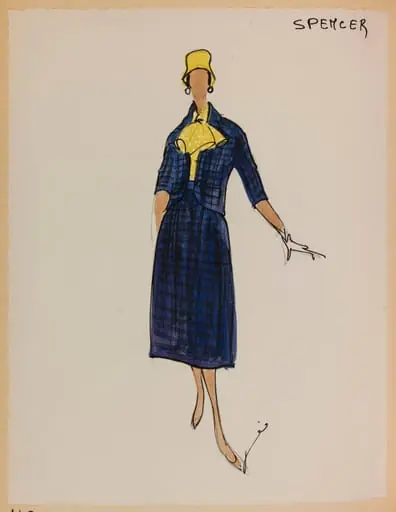
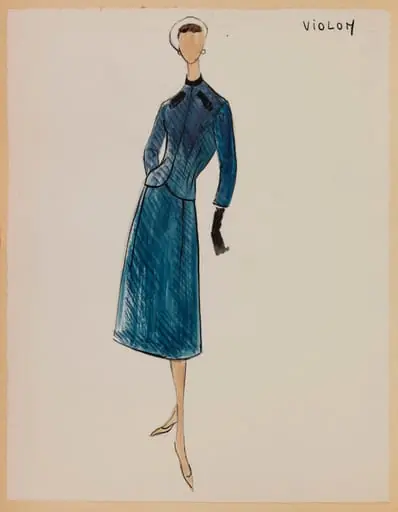
Clairon is a pencil drawing attributed to the French fashion house Carven, dated approximately 1956. Executed in loose, spontaneous lines, it depicts a female figure in a tailored coat, likely intended as a design study rather than a finished illustration. The work is part of the collection at the Museum of Ethnography, where it is preserved as a record of mid-century fashion design processes.
Subject & Meaning
The title, inscribed in the corner, may reference a person, a fabric, or a thematic concept, though its exact significance remains unconfirmed.
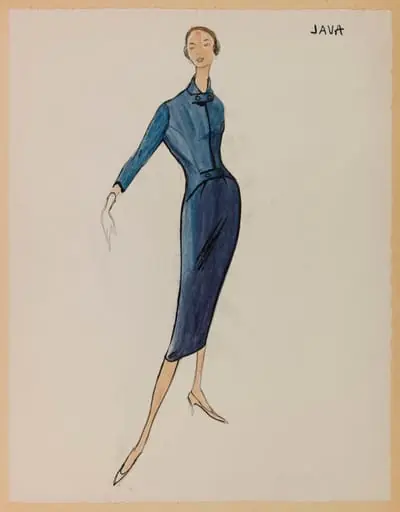
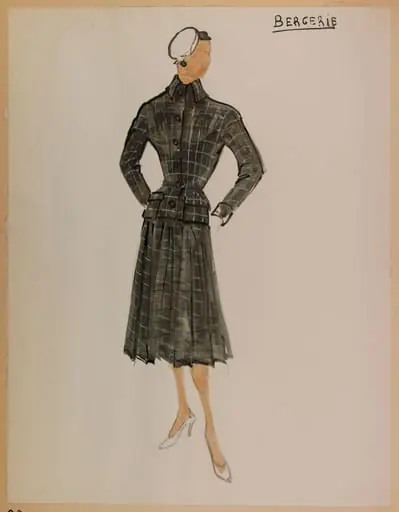
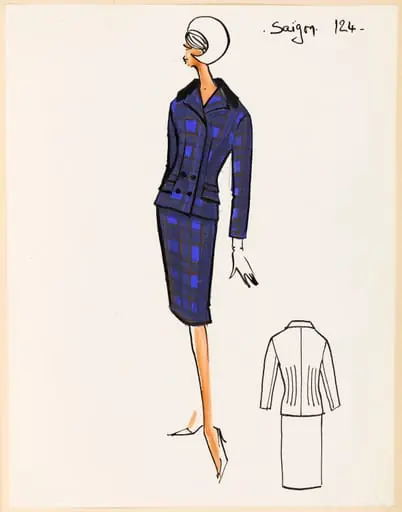
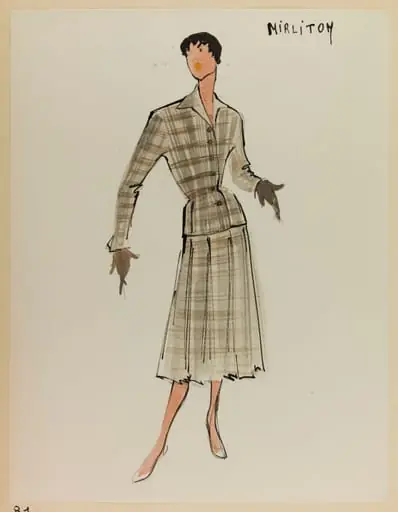
The figure in Clairon wears a long coat with a dark blue-green plaid pattern, a high collar, and two front pockets. Her hands are tucked into the pockets, and she wears a small hat and plain shoes, suggesting a practical, everyday ensemble. The title, inscribed in the corner, may reference a person, a fabric, or a thematic concept, though its exact significance remains unconfirmed. The posture conveys quiet composure, typical of mid-century ideals of understated elegance.
Technique & Style
The drawing employs quick, fluid pencil strokes that emphasize movement and form over detail. Shading is minimal, and contours are suggestive rather than precise, indicating a rapid sketch made to capture an idea. This approach reflects the working methods of fashion designers who prioritized gesture and silhouette in early stages of development. The lack of background or contextual elements focuses attention solely on the garment’s structure.
History & Provenance
Clairon was produced by Carven’s design studio around 1956, during a period when the house was known for its refined, wearable designs. It entered the collection of the Museum of Ethnography at an unspecified date, likely through donation or acquisition from the brand’s archives. Its preservation suggests recognition of its value as a document of design practice rather than as a commercial product.
Context
In the mid-1950s, Parisian fashion houses like Carven emphasized tailored silhouettes and subtle detailing, responding to postwar demands for practical yet elegant clothing. Sketches such as Clairon reveal how designers translated ideas from paper to garment, often working with limited resources and rapid turnaround. This drawing aligns with contemporaneous practices in haute couture ateliers, where preliminary sketches were essential to the creative workflow.
Legacy
Clairon remains a quiet example of fashion’s behind-the-scenes process, offering insight into how design concepts were visualized before production. While not widely exhibited, it contributes to scholarly understanding of mid-century French fashion methodology. Its presence in an ethnographic museum underscores its role as a cultural artifact reflecting the labor and aesthetics of its time.
Artist & collection
Artist
These delicate ink-on-paper drawings capture the quiet poetry of everyday things: pinecones, reeds, apples.
Museum
Palais Galliera - Musée de la Mode de la Ville de Paris
Continue through works from the same source collection.