Artwork
Fraîcheur
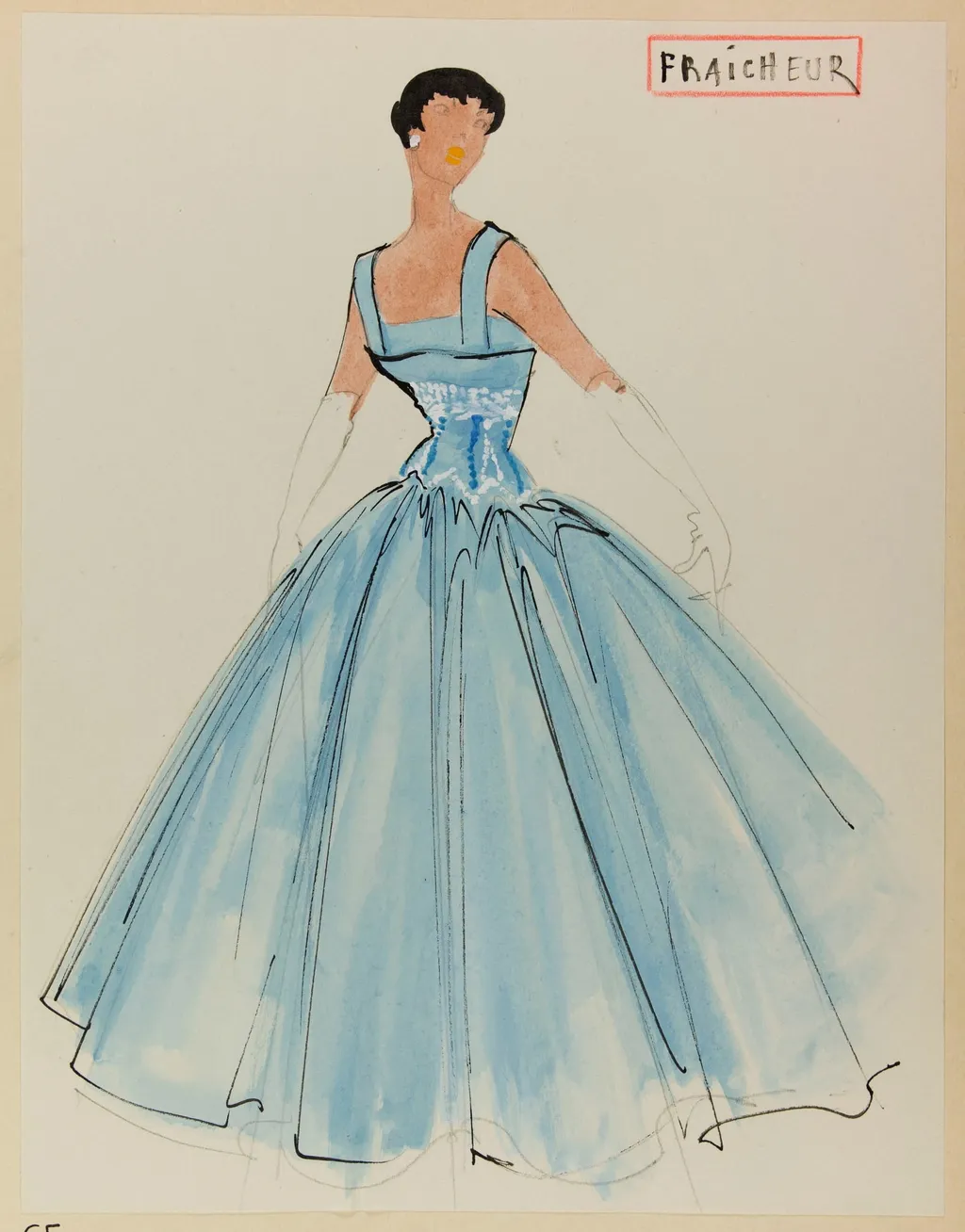
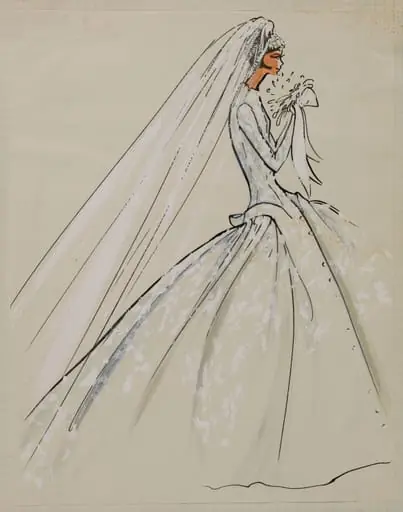
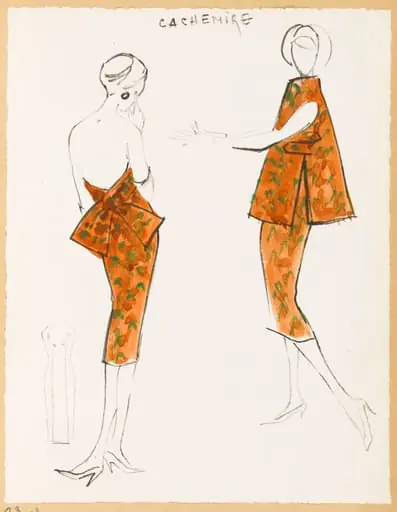
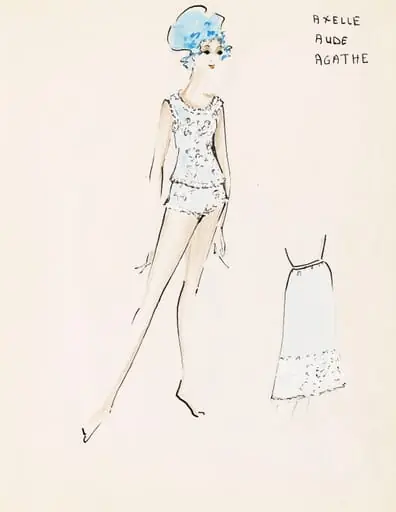
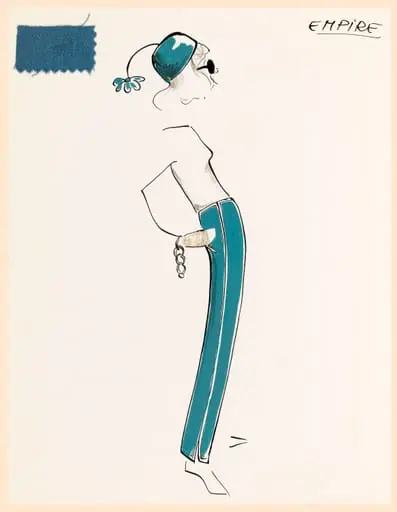
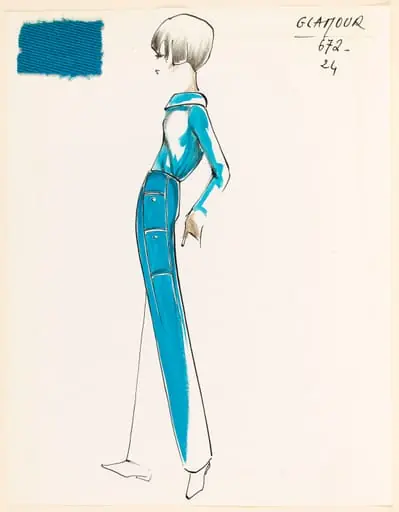
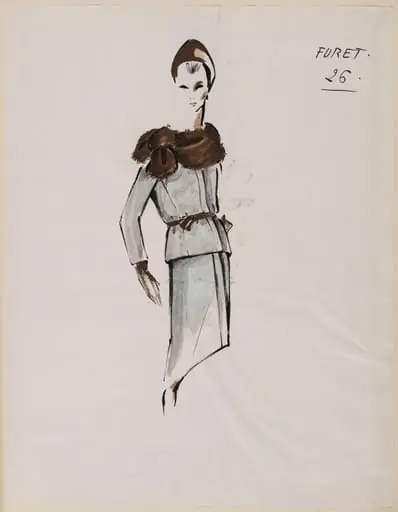
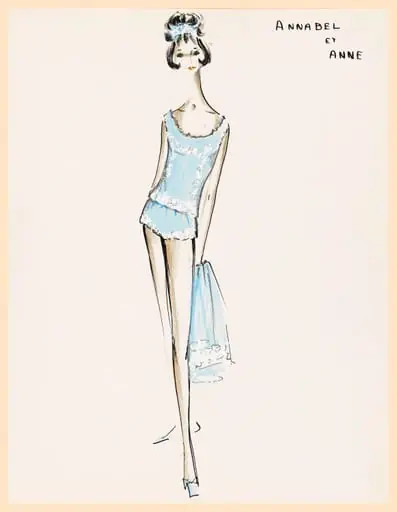
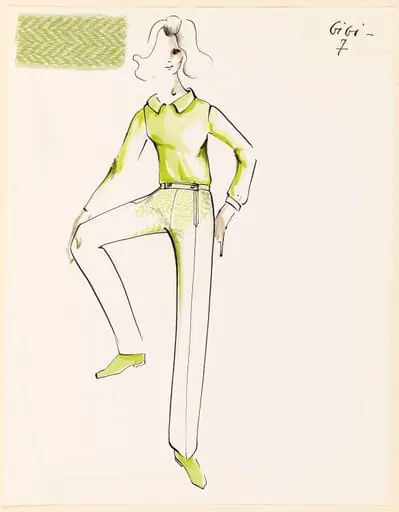
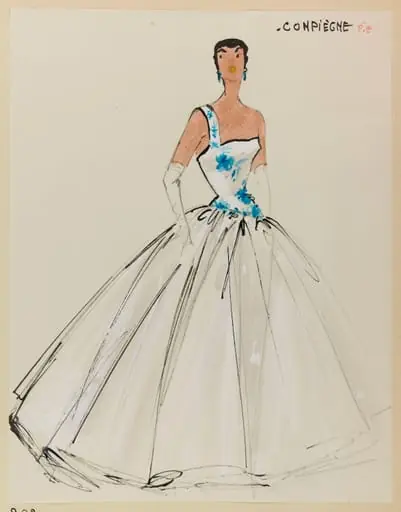
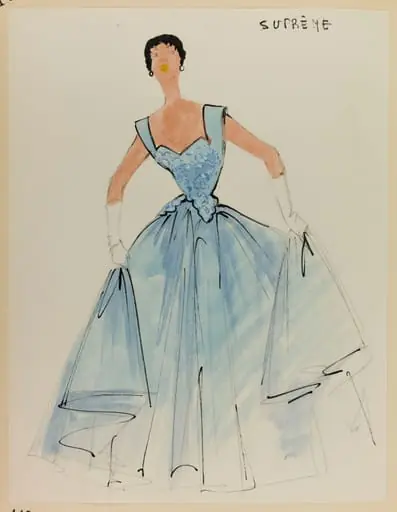
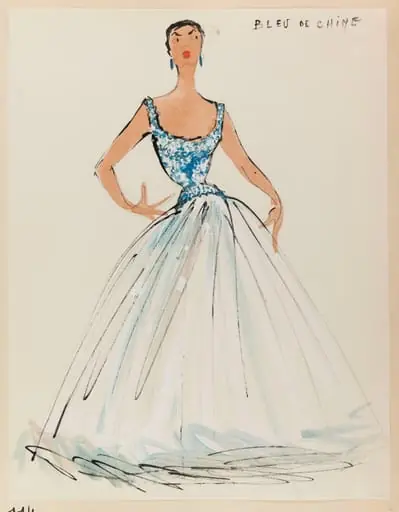
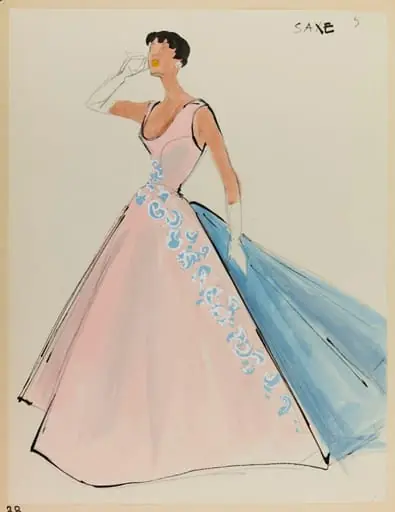
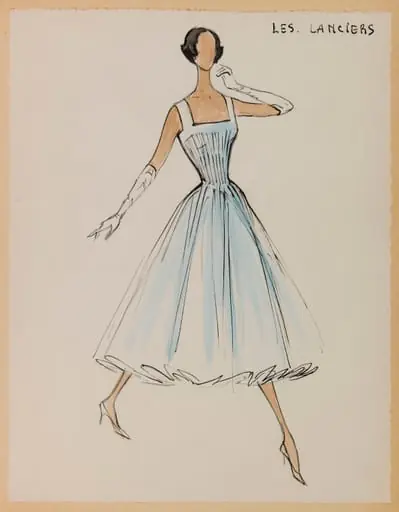
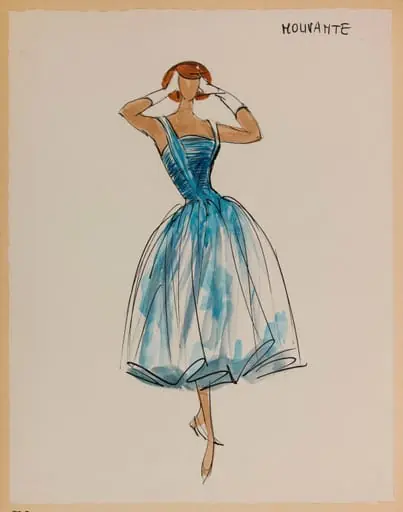
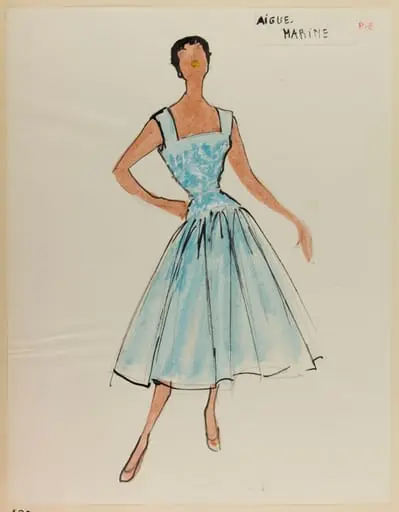
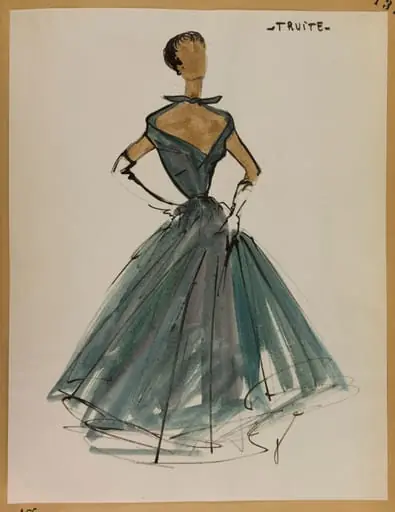
Fraîcheur is a drawing by Carven. It dates from 1953 and is held in the collection of the Palais Galliera - Musée de la Mode de la Ville de Paris.
About this work
Overview
Created around 1953 by the French fashion house Carven, this sketch is part of the Museum of Ethnography’s collection.
Created around 1953 by the French fashion house Carven, this sketch is part of the Museum of Ethnography’s collection. Rendered in loose, fluid lines, it captures a moment of movement rather than a finished design. The work functions as a study in textile flow and posture, emphasizing the garment’s lightness. Its informal quality suggests it was made during the design process, not as a final presentation.
Subject & Meaning
The figure depicts a woman in a light-blue dress, its silhouette defined by a fitted bodice, square neckline, and flared skirt. The pose—one hand on the hip—conveys ease and natural grace. The French title, Fraîcheur, meaning 'freshness,' aligns with the dress’s airy fabric and open silhouette, suggesting an aesthetic of lightness and comfort. The sketch implies a connection between clothing and the feeling of movement in warm weather.
Technique & Style
Executed with rapid, unrefined pencil strokes, the drawing avoids sharp contours in favor of suggestive lines that imply form rather than define it. The fabric’s softness is conveyed through wispy, overlapping marks, while the dress’s volume is suggested by loose, sweeping curves. The sketch’s spontaneity reflects a working method focused on capturing the essence of movement and texture, typical of fashion designers’ preparatory studies.
History & Provenance
The sketch entered the Museum of Ethnography’s holdings as part of a collection documenting mid-20th-century fashion design. Its origin traces to Carven’s atelier in Paris, where it was likely used internally during the development of a seasonal line. Unlike commercial illustrations, this piece was never intended for public display, making its preservation in a museum context unusual and significant for design scholarship.
Context
In postwar France, fashion emphasized renewed elegance and practicality. Carven’s designs often prioritized wearable simplicity and feminine grace, responding to a cultural shift toward less rigid silhouettes. This sketch reflects that ethos, aligning with broader trends in Parisian couture that valued fluidity and ease. The focus on a single garment, rather than a full ensemble, underscores the designer’s attention to individual textile behavior.
Legacy
As a surviving example of Carven’s design process, the sketch offers insight into how couture houses translated abstract ideas into wearable form. Its preservation highlights the value of preparatory work in fashion history, often overlooked in favor of finished garments. It remains a quiet testament to the quiet craftsmanship behind mid-century French design, influencing how institutions now treat fashion sketches as cultural artifacts.
Artist & collection
Artist
These delicate ink-on-paper drawings capture the quiet poetry of everyday things: pinecones, reeds, apples.
Museum
Palais Galliera - Musée de la Mode de la Ville de Paris
Continue through works from the same source collection.