Artwork
Granit
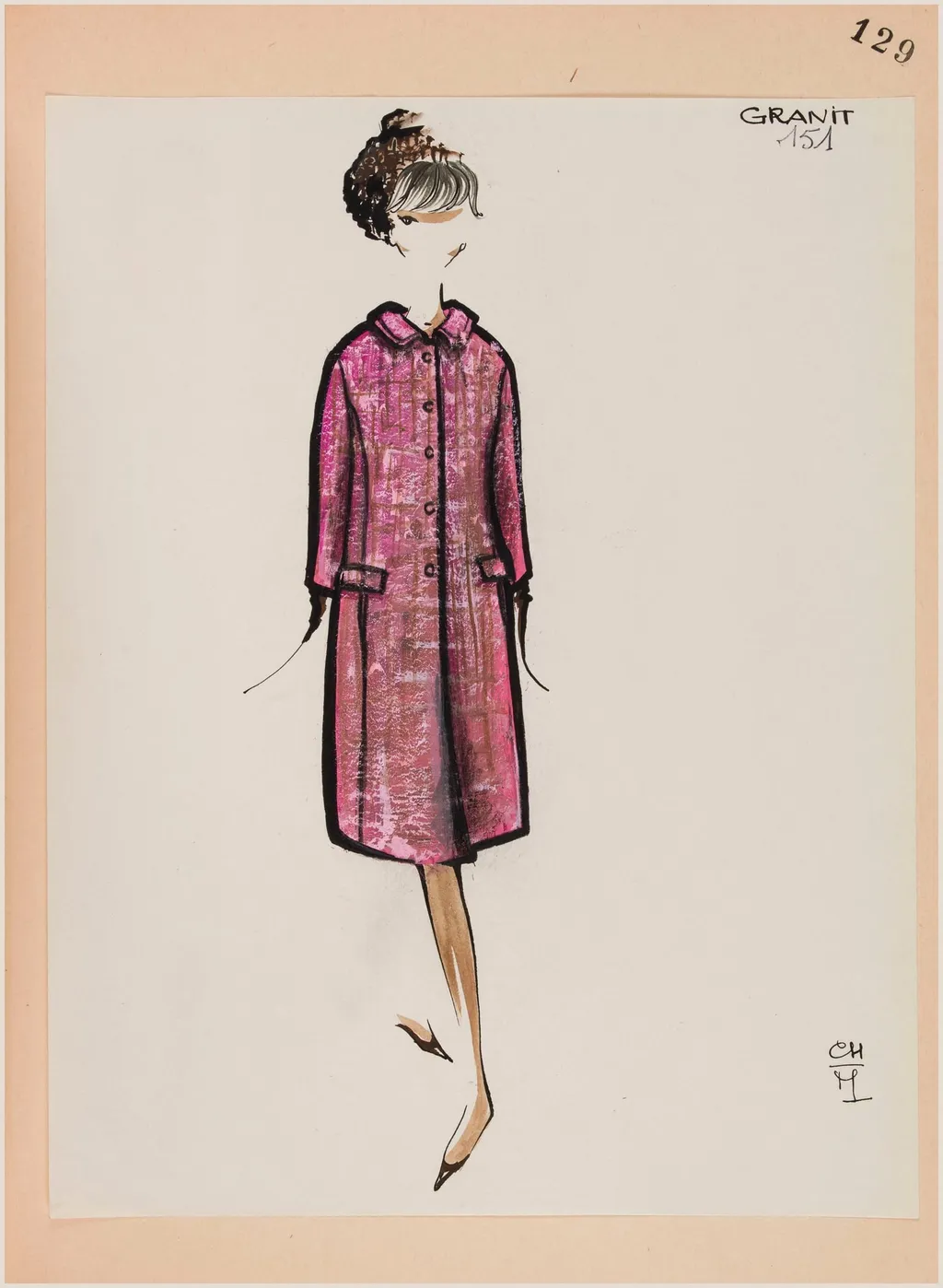
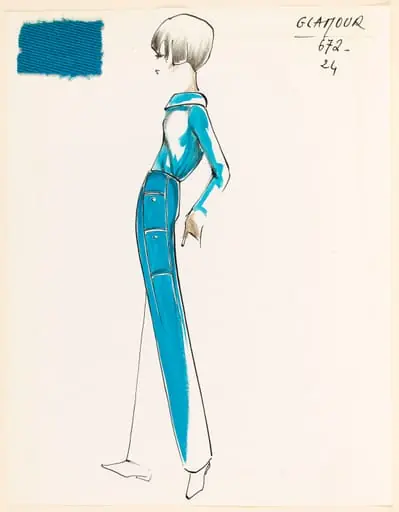
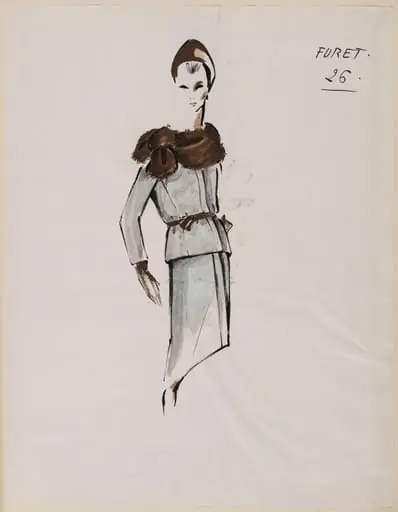
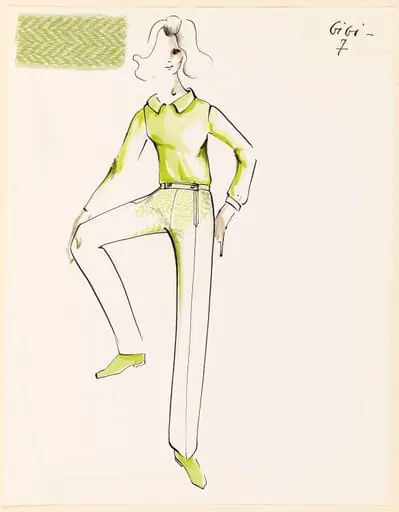
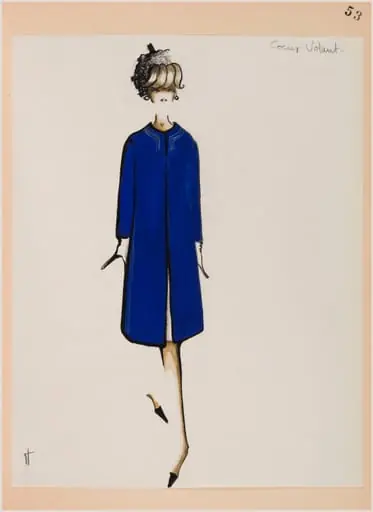
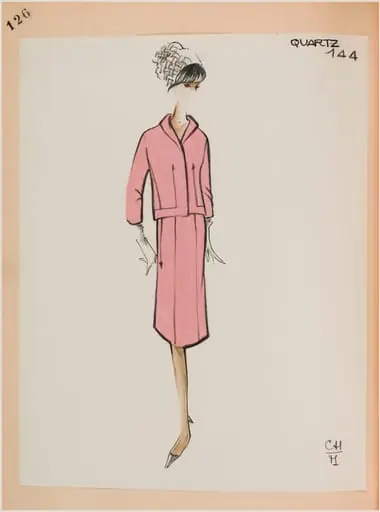
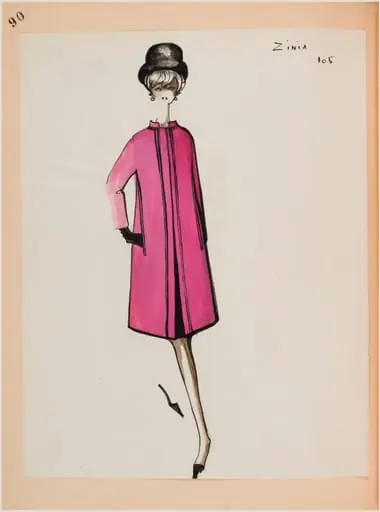
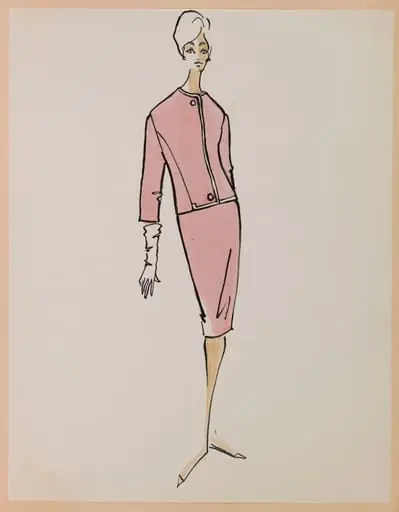
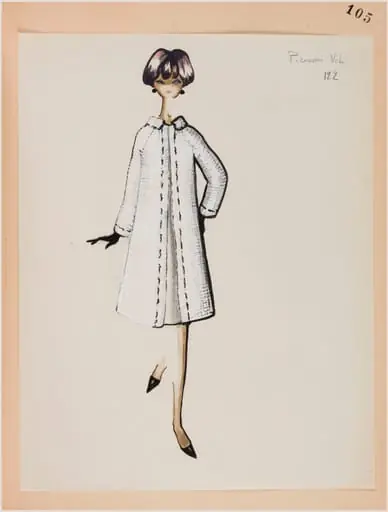
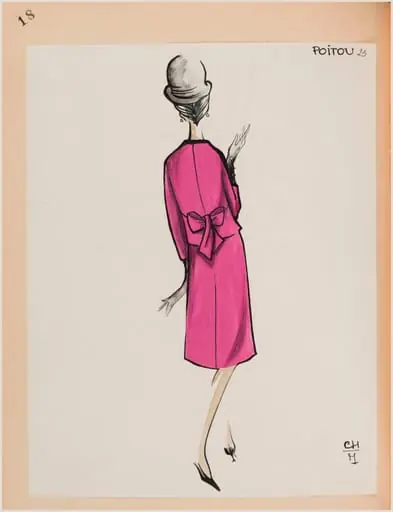
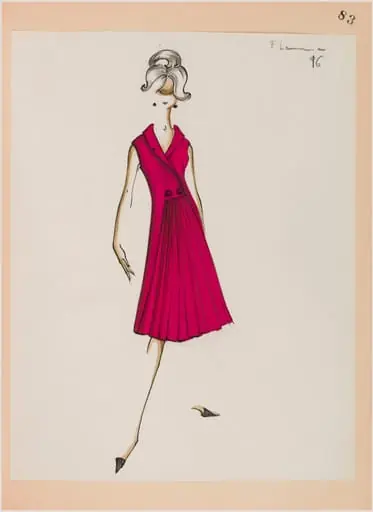
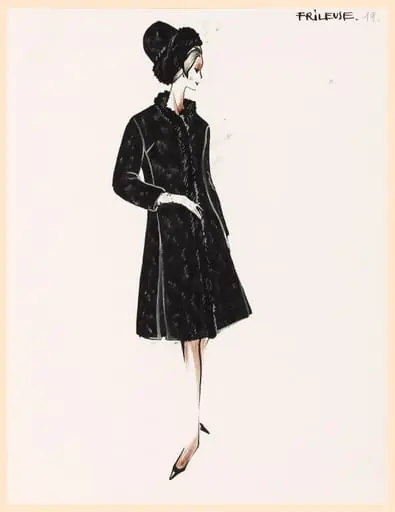
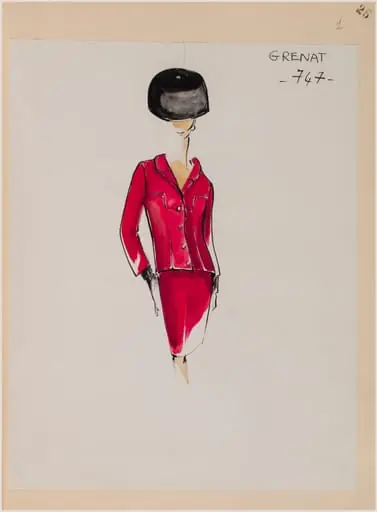
Granit is a drawing by Carven. It dates from 1963 and is held in the collection of the Palais Galliera - Musée de la Mode de la Ville de Paris.
About this work
Overview
Its composition centers on a solitary female figure, rendered with swift, assured lines that suggest movement and presence rather than rigid detail.
Granit, created in 1963 by the artist Carven, is a drawn portrait executed in ink and color on paper. The work is part of the collection at the Museum of Ethnography. Its composition centers on a solitary female figure, rendered with swift, assured lines that suggest movement and presence rather than rigid detail. The palette emphasizes soft pinks and deep shadows, giving the figure a quiet intensity.
Subject & Meaning
The subject is a woman dressed in a long, pinkish coat with a high collar and three front buttons, her hair neatly pulled back and footwear minimal. Her posture is still, yet the energy in the brushwork implies an active moment just before or after a gesture. The clothing suggests practicality, possibly urban or mid-century European, but the absence of context leaves her identity open, inviting reflection on everyday dignity rather than narrative.
Technique & Style
Carven employed loose, confident strokes to define form, particularly in the limbs, where lines flow with economy and rhythm. The coat’s texture is suggested through layered washes and subtle highlights, creating an impression of soft yet structured fabric. Bold pink dominates the figure, contrasted with darker accents that ground the composition. The technique balances spontaneity with deliberate control, avoiding over-rendering while preserving tactile presence.
History & Provenance
Granit entered the collection of the Museum of Ethnography shortly after its creation. There is no public record of prior ownership or exhibition prior to its acquisition. The work’s inclusion in an ethnographic institution, rather than a fine arts context, suggests an interest in documenting ordinary life through artistic representation, aligning with mid-century shifts in how daily attire and personal presence were valued as cultural artifacts.
Context
Created in 1963, Granit emerged during a period when European artists increasingly turned to intimate, unidealized portrayals of individuals as subjects worthy of artistic attention. While Carven is not widely documented, the work reflects broader trends in postwar drawing practices—emphasizing immediacy, personal observation, and the aesthetic potential of mundane dress and gesture over grand narrative or symbolism.
Legacy
Granit remains a quiet example of mid-century observational drawing, valued for its restraint and sensitivity to texture and form. It contributes to the Museum of Ethnography’s broader effort to represent everyday life through visual culture. Though not widely reproduced, the work continues to be referenced in studies of non-monumental portraiture and the artistic treatment of clothing as cultural expression.
Artist & collection
Artist
These delicate ink-on-paper drawings capture the quiet poetry of everyday things: pinecones, reeds, apples.
Museum
Palais Galliera - Musée de la Mode de la Ville de Paris
Continue through works from the same source collection.