Artwork
Igloo
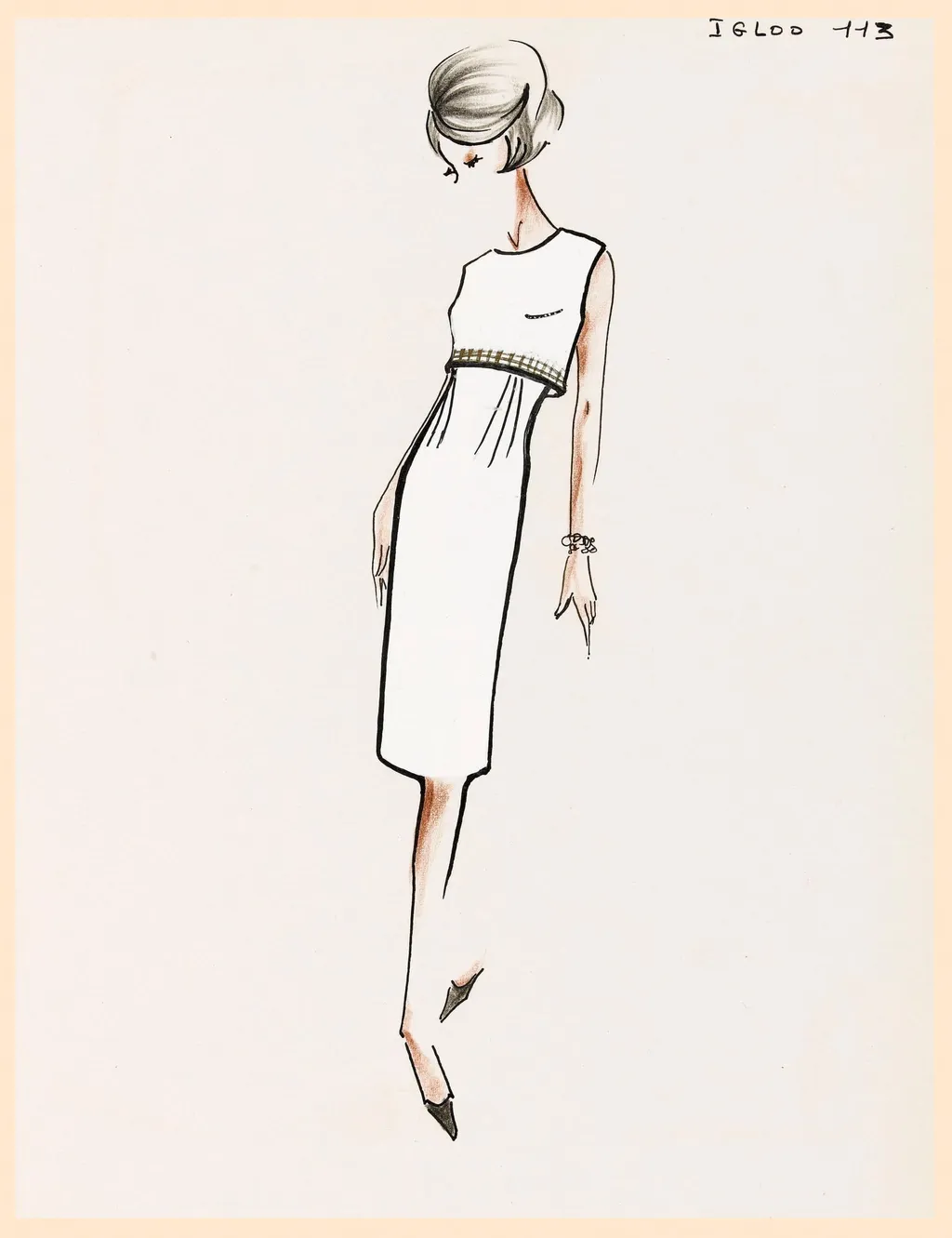
Igloo is a drawing by Carven. It dates from 1962 and is held in the collection of the Palais Galliera - Musée de la Mode de la Ville de Paris.
About this work
Overview
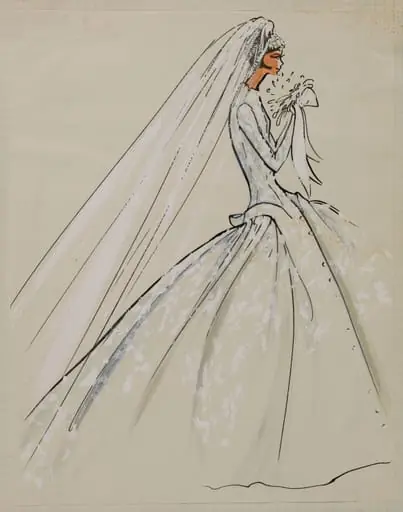
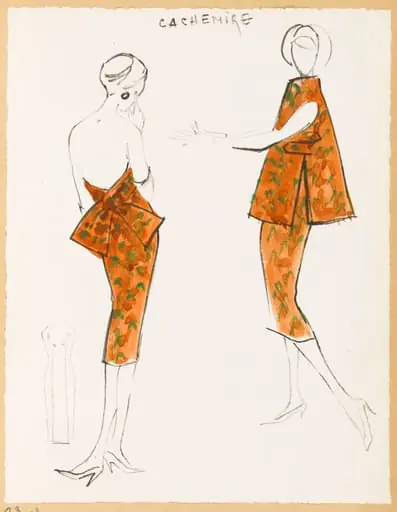
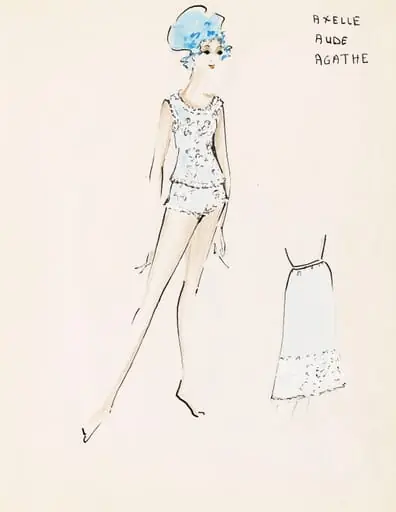
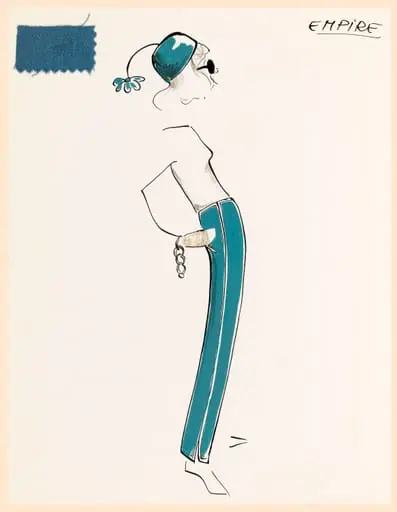
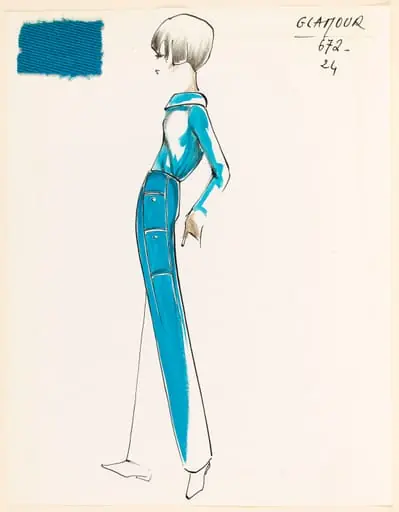
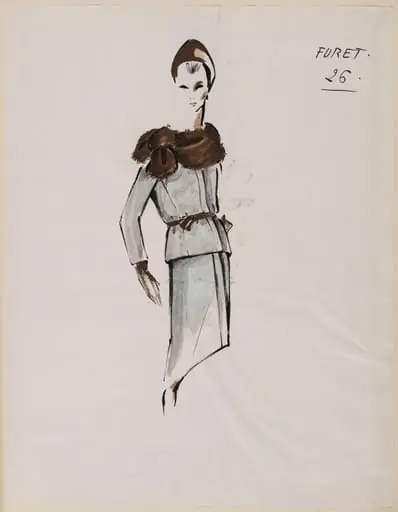
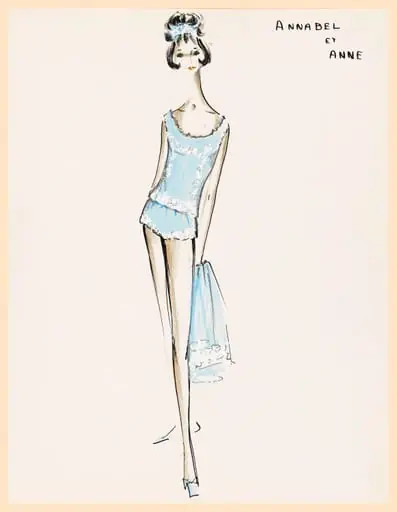
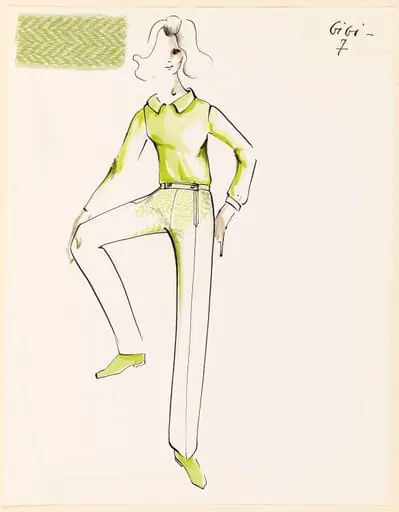
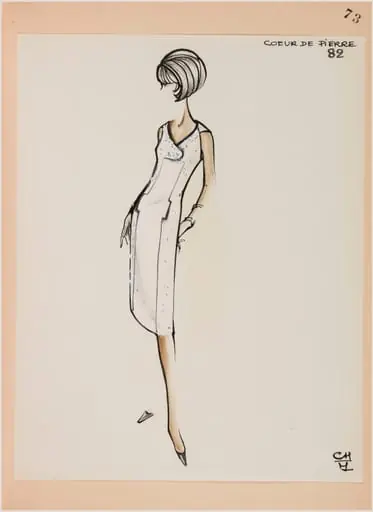
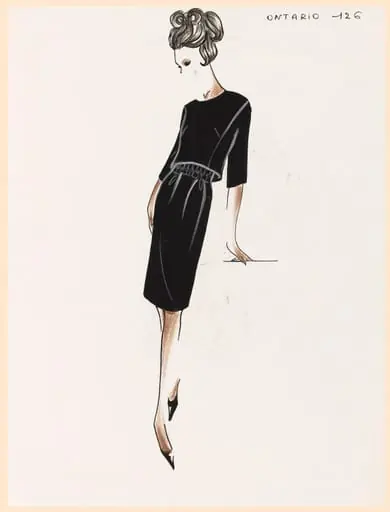
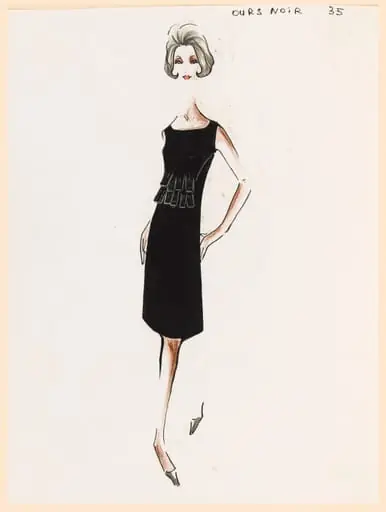
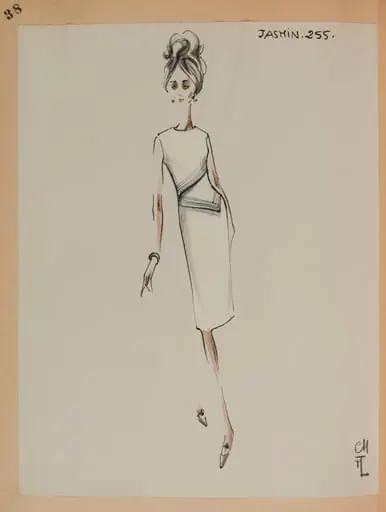
The work captures a single figure in motion, rendered with minimal yet deliberate strokes.
Created around 1962, Igloo is a pencil sketch attributed to the designer Carven. It resides in the collection of the Museum of Ethnography. The work captures a single figure in motion, rendered with minimal yet deliberate strokes. Though labeled as an image, its function appears to be that of a fashion study—neither a finished illustration nor a preliminary draft, but something in between, suggesting rapid observation and refined instinct.
Subject & Meaning
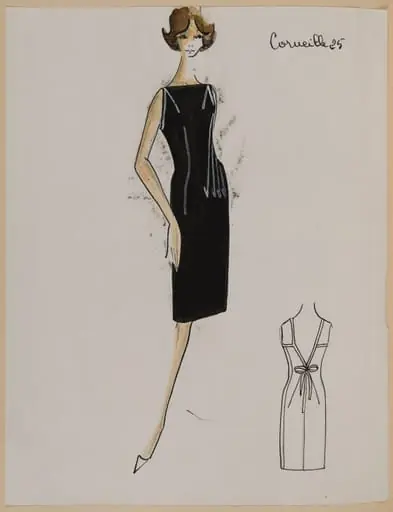
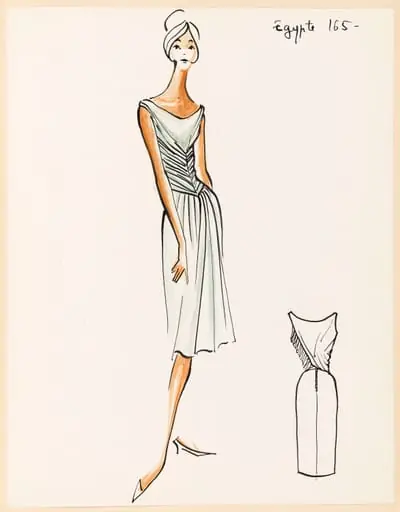
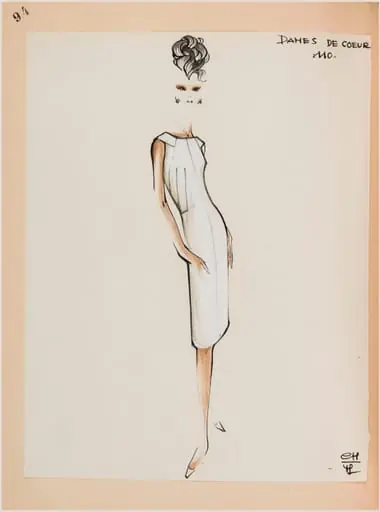
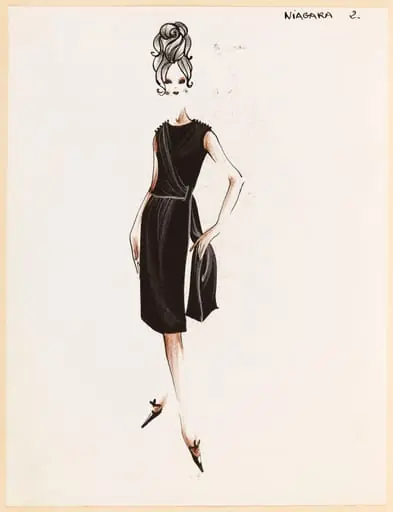
The figure is a woman dressed in a streamlined outfit: a short-sleeved dress, a fitted waistband, and pointed footwear. A small hat sits atop her head, adding a touch of formality. The pose is upright and still, suggesting a moment of pause rather than action. The simplicity of the attire and the absence of background or context imply a focus on silhouette and proportion, reflecting mid-century ideals of modern femininity and understated elegance.
Technique & Style
Carven employs loose, confident linework to define form, avoiding heavy shading. Subtle cross-hatching appears only on the belt, where tiny square patterns emerge through layered strokes. The legs are rendered with elongated, unbroken lines that emphasize verticality. The drawing’s immediacy suggests it was made quickly, yet every mark feels intentional. The restraint in detail invites the viewer to complete the image mentally, aligning with modernist principles of suggestion over saturation.
History & Provenance
The sketch entered the Museum of Ethnography’s collection without clear documentation of its original purpose or commission. Its dating to circa 1962 coincides with Carven’s active years in fashion design, though no direct link to a specific collection or runway has been established. Its preservation as a standalone work, rather than as part of a portfolio, indicates later recognition of its aesthetic value beyond its utilitarian origins.
Context
In the early 1960s, fashion illustration was shifting from elaborate renderings to more economical, expressive sketches. Carven’s work reflects this trend, aligning with designers who valued movement and minimalism. The drawing’s focus on clean lines and geometric details mirrors broader postwar design sensibilities, where functionality and clarity were prioritized over ornamentation. It stands as a quiet artifact of a moment when fashion began to embrace speed and simplicity in its visual language.
Legacy
Igloo remains a representative example of mid-century fashion drawing that values economy over elaboration. While not widely published or exhibited, its presence in an ethnographic museum signals an interest in everyday design practices as cultural artifacts. It contributes to a growing understanding of fashion sketches not merely as preparatory tools, but as autonomous works that capture the spirit of their time through gesture and restraint.
Artist & collection
Artist
These delicate ink-on-paper drawings capture the quiet poetry of everyday things: pinecones, reeds, apples.
Museum
Palais Galliera - Musée de la Mode de la Ville de Paris
Continue through works from the same source collection.