Artwork
Obscur
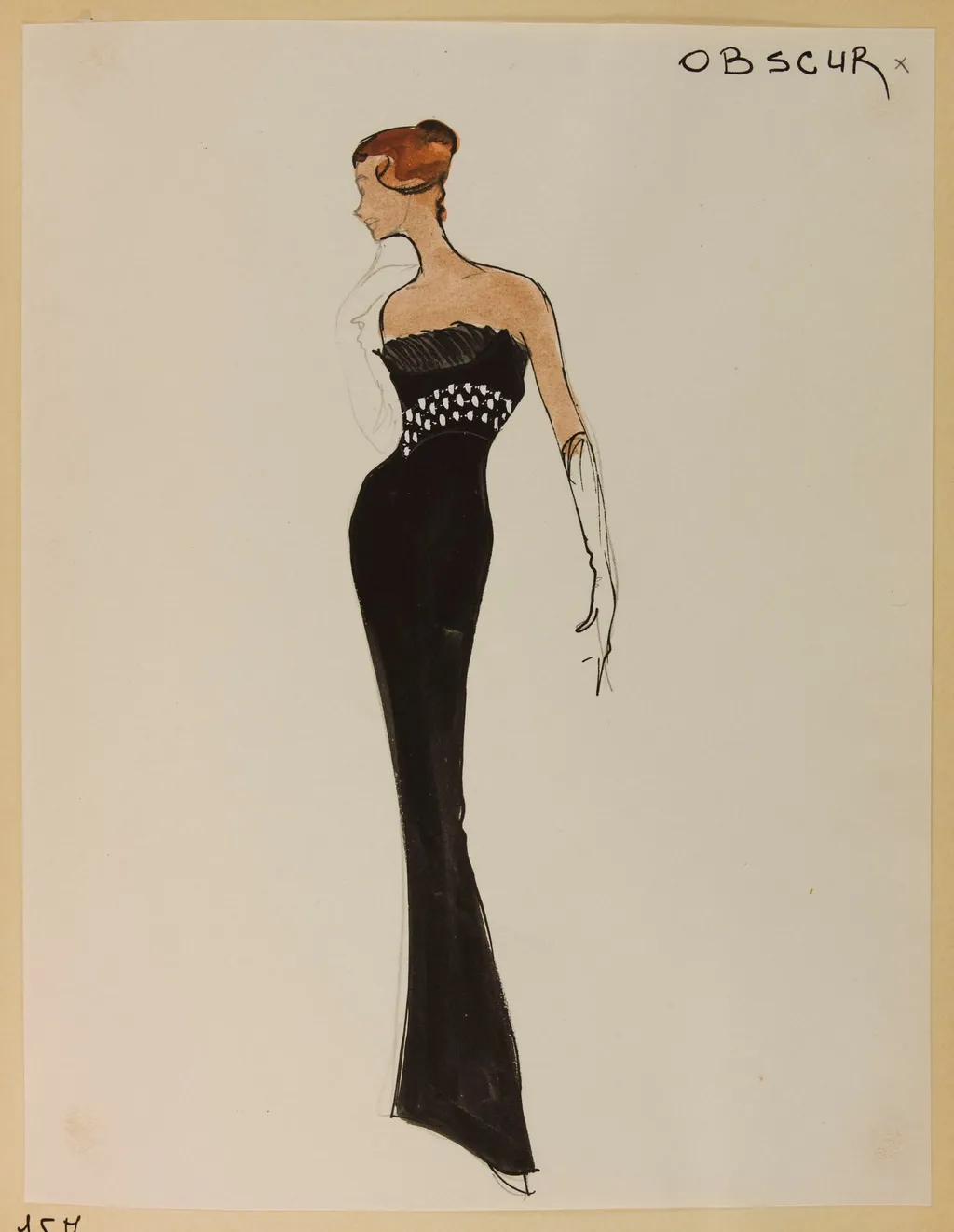
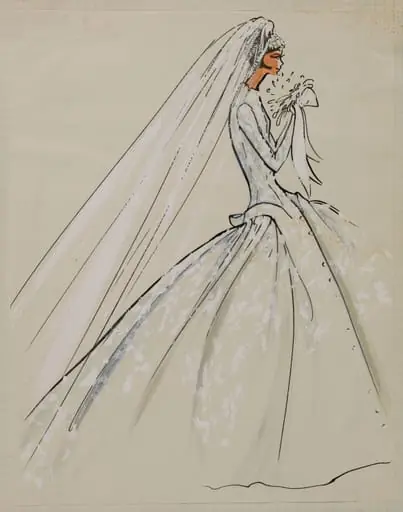
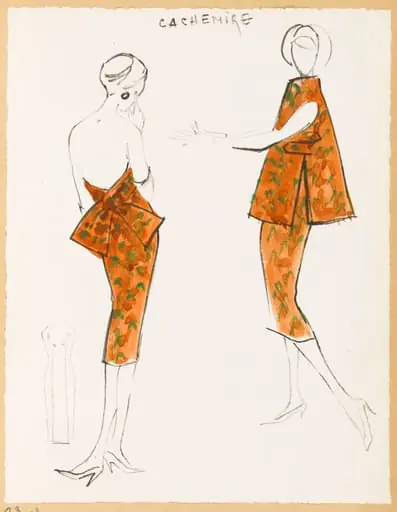
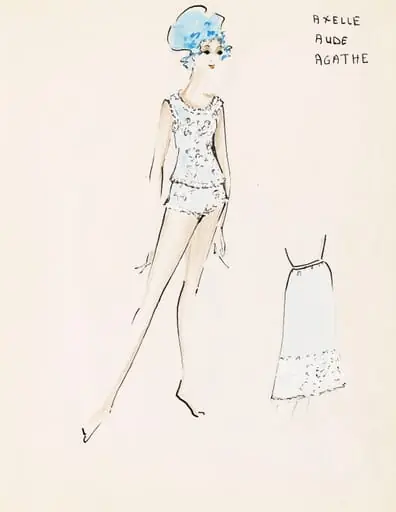
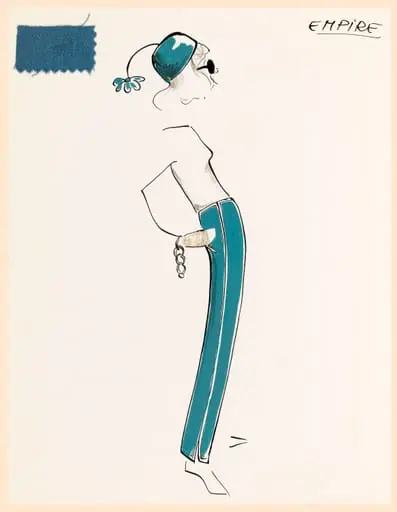
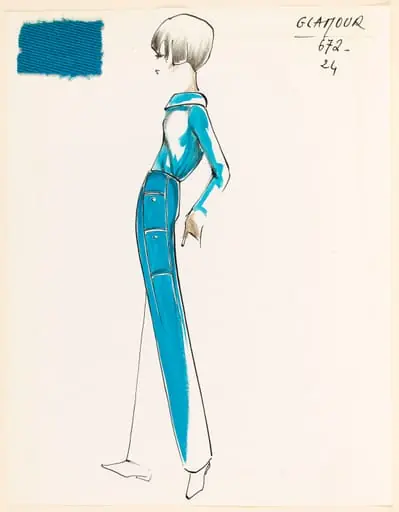
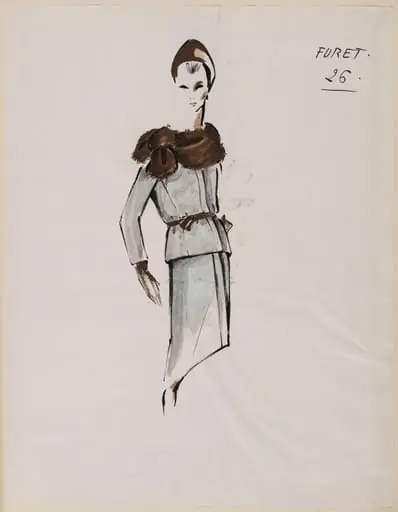
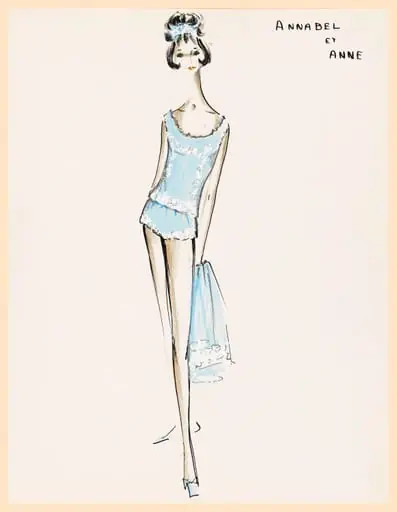
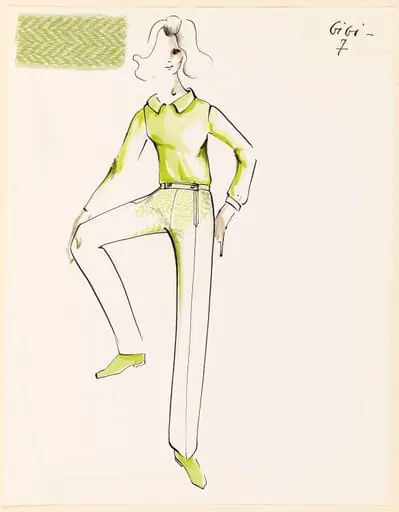
Obscur is a drawing by Carven. It dates from 1955 and is held in the collection of the Palais Galliera - Musée de la Mode de la Ville de Paris.
About this work
Overview
Its simplicity contrasts with the precision of its composition, inviting attention to gesture over detail.
Obscur, dated around 1955, is a pencil sketch by the artist Carven. It resides in the collection of the Museum of Ethnography. The work captures a single figure in motion, rendered with minimal yet deliberate strokes. The medium emphasizes spontaneity, with areas of untouched paper suggesting light and air. Its simplicity contrasts with the precision of its composition, inviting attention to gesture over detail.
Subject & Meaning
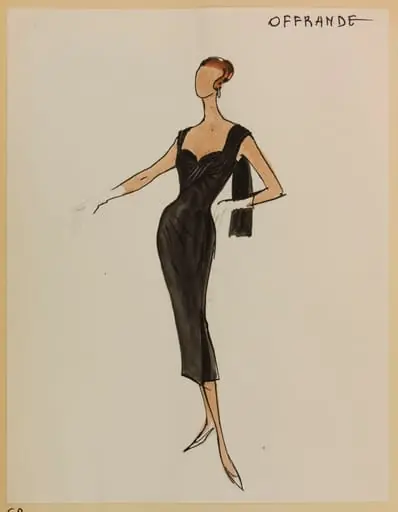
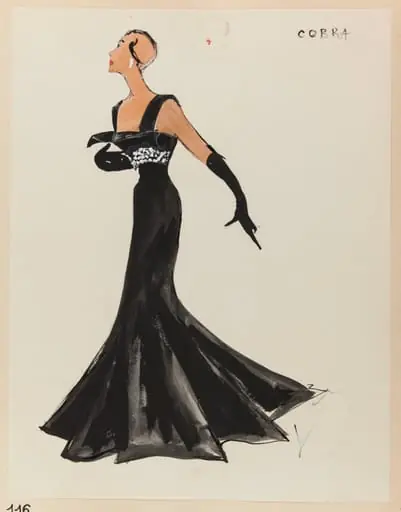
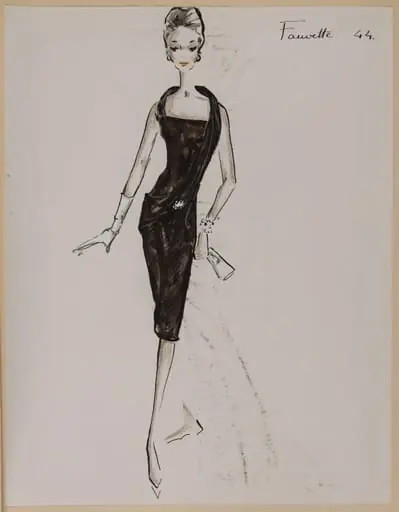
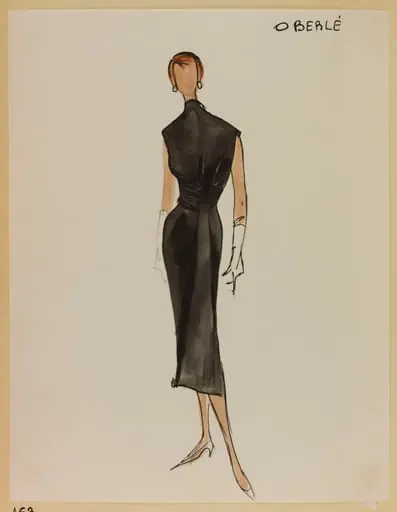
The subject is a woman dressed in a tailored black gown, her posture poised yet relaxed. She holds a small clutch, suggesting a moment of transition—perhaps between social spaces. The absence of facial features and contextual details shifts focus to form and movement. The figure evokes anonymity, allowing the viewer to interpret her presence as emblematic rather than personal.
Technique & Style
Carven employed light, fluid pencil lines to convey texture and motion. The dress’s silhouette is defined by clean contours, while subtle cross-hatching near the waist suggests the texture of fabric or decorative stitching. Blank spaces are not empty but active, implying light falling across the figure. The sketch’s economy of line reflects an interest in capturing essence over realism.
History & Provenance
The work entered the Museum of Ethnography’s collection in the late 20th century, though its earlier ownership remains undocumented. It was likely part of a larger series of figure studies produced by Carven during the 1950s. No exhibition history or public record of its creation has been preserved, leaving its original intent open to scholarly interpretation.
Context
Created in the mid-1950s, Obscur aligns with postwar artistic trends favoring expressive line and abstraction over detailed representation. While Carven is not widely known, this piece reflects broader interests among European illustrators and designers in capturing fashion and movement with immediacy. The sketch may have originated as a preparatory study or independent work of quiet observation.
Legacy
Obscur endures as a quiet example of mid-century figure drawing, valued for its restraint and sensitivity to form. It contributes to the Museum of Ethnography’s collection of works that document everyday aesthetics and personal expression. Though not widely reproduced, it remains a reference for studies on the intersection of fashion, line, and ephemeral gesture in 20th-century art.
Artist & collection
Artist
These delicate ink-on-paper drawings capture the quiet poetry of everyday things: pinecones, reeds, apples.
Museum
Palais Galliera - Musée de la Mode de la Ville de Paris
Continue through works from the same source collection.