Artwork
Vélasquez
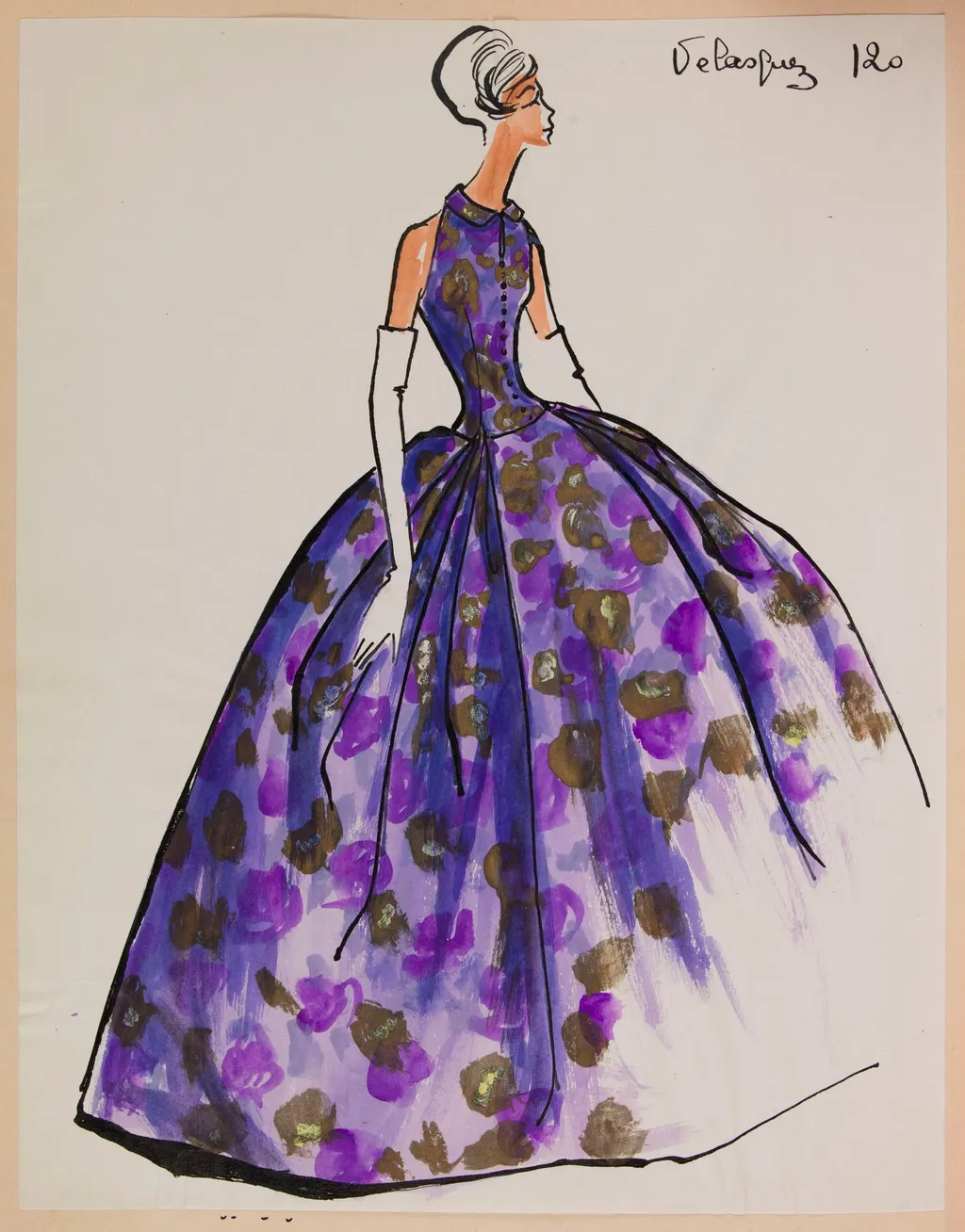
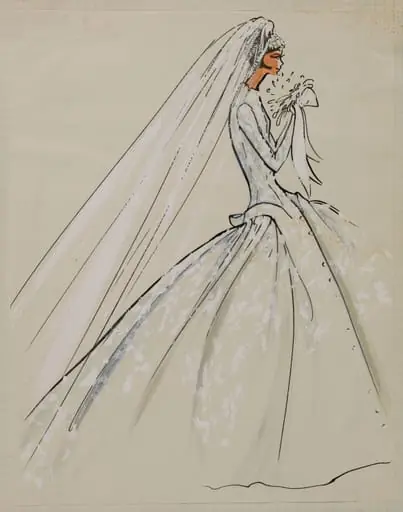
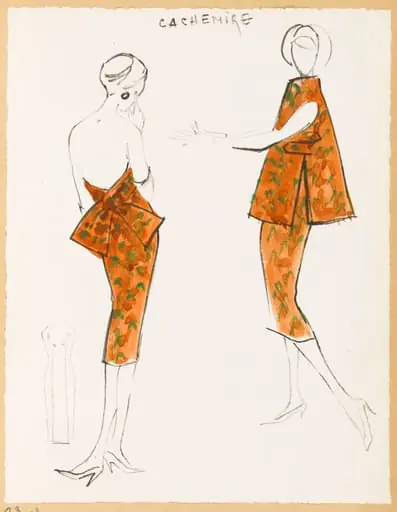
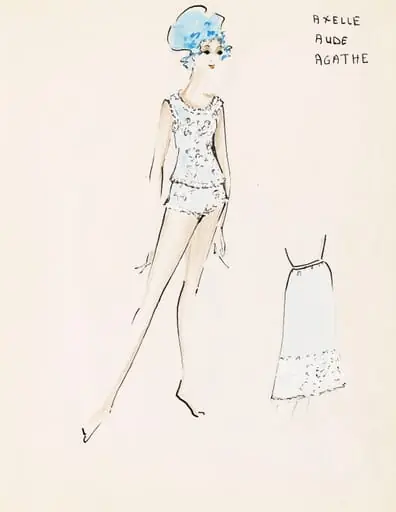
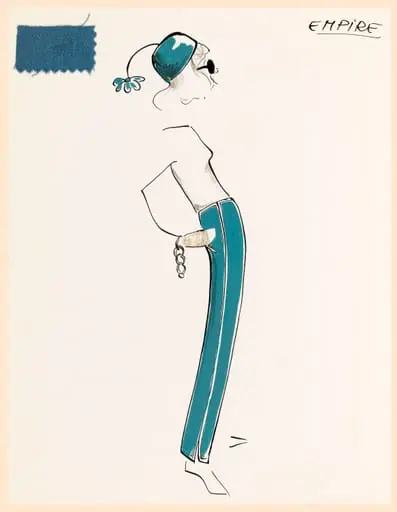
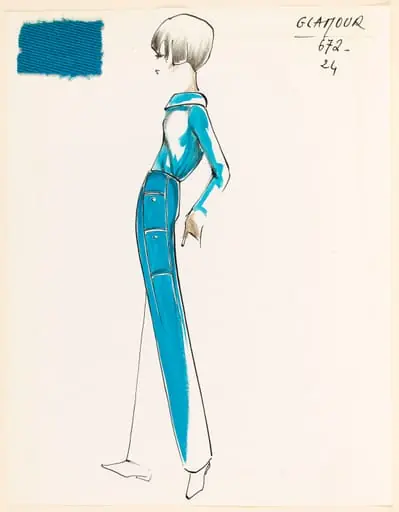
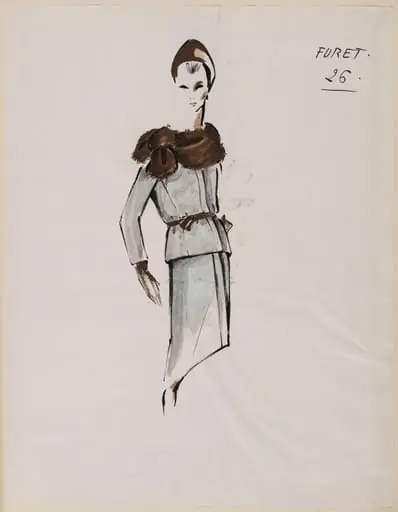
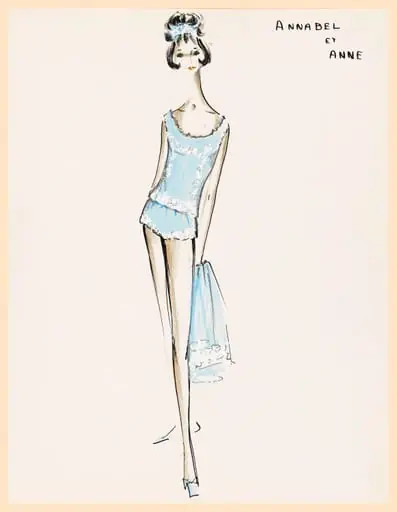
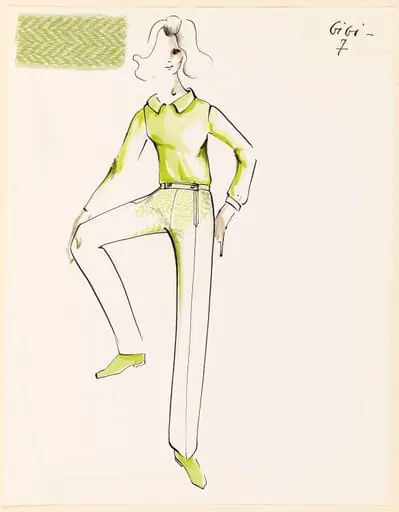
Vélasquez is a drawing by Carven. It dates from 1958 and is held in the collection of the Palais Galliera - Musée de la Mode de la Ville de Paris.
About this work
Overview
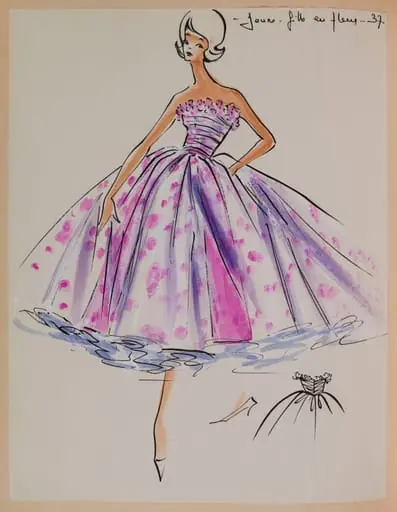
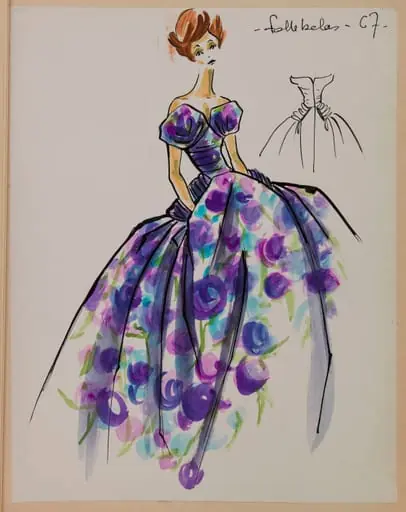
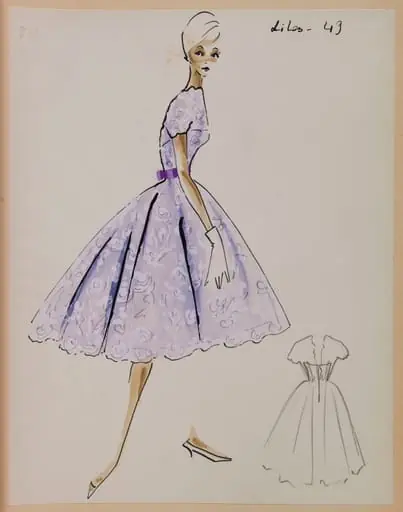
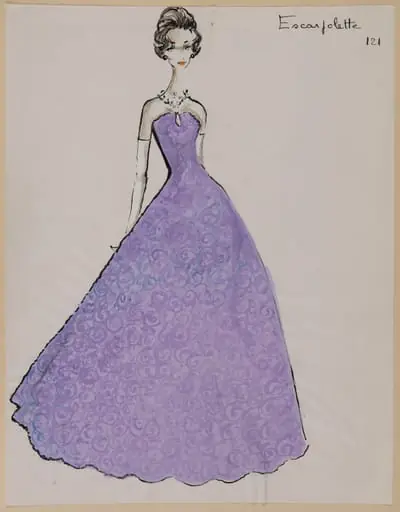
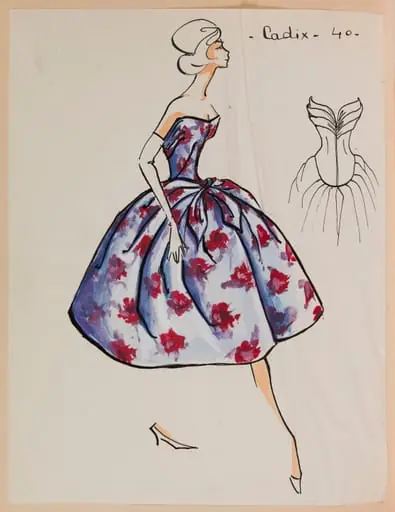
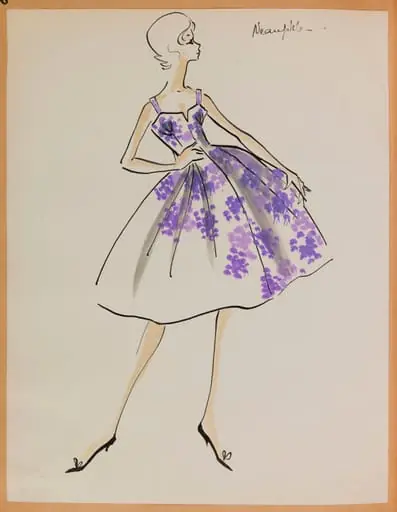
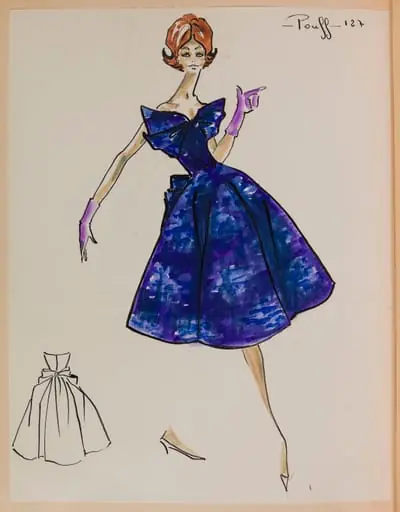
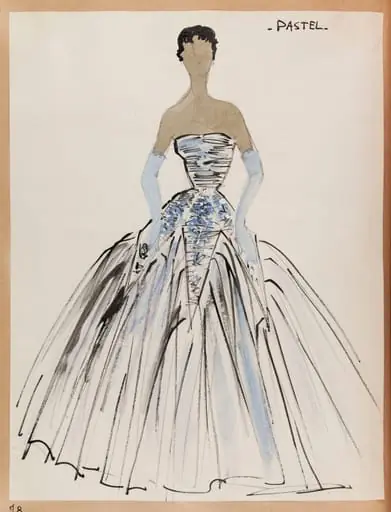
This drawing, attributed to the fashion designer Carven and dated around 1958, is a loose, gestural sketch of a woman in an elaborate dress. Executed in ink or watercolor, it captures the movement and volume of fabric with minimal detail. The work resides in the collection of the Museum of Ethnography, where it is preserved as an example of mid-century fashion illustration rather than fine art.
Subject & Meaning
The neat hairstyle and poised posture convey dignity, though the sketch’s spontaneity resists idealization, emphasizing process over finished presentation.
The figure is depicted in a full-length gown with a voluminous skirt, suggesting formal or ceremonial wear. The floral motifs and rich coloration imply a connection to decorative textile traditions, possibly drawing from folk or regional dress. The neat hairstyle and poised posture convey dignity, though the sketch’s spontaneity resists idealization, emphasizing process over finished presentation.
Technique & Style
The artist employed swift, broad strokes to define the dress’s form, using washes of purple and blue to suggest depth and pattern. Dark, irregular blotches imply floral embroidery without detailed rendering. The lines are economical, focusing on silhouette and texture rather than anatomical precision. This approach aligns with fashion sketching traditions that prioritize impression over finish.
History & Provenance
The work entered the Museum of Ethnography’s collection in the late 20th century, likely as part of a broader acquisition of fashion-related materials. Its origin as a design study by Carven is documented in internal archives, though no exhibition history or prior ownership is publicly recorded. It remains a rare surviving example of the designer’s preparatory drawings.
Context
In the 1950s, fashion houses often commissioned illustrators to capture garment designs before production. Carven, known for elegant, feminine silhouettes, used such sketches to communicate ideas to tailors. This drawing reflects a moment when haute couture relied on hand-drawn visualization, bridging artistic expression and industrial design in postwar Europe.
Legacy
The sketch endures as a quiet testament to the role of drawing in fashion’s creative process. Though not widely exhibited, it contributes to scholarly understanding of how designers translated textile and form into visual language. Its preservation in an ethnographic context underscores its value as cultural artifact beyond mere commercial illustration.
Artist & collection
Artist
These delicate ink-on-paper drawings capture the quiet poetry of everyday things: pinecones, reeds, apples.
Museum
Palais Galliera - Musée de la Mode de la Ville de Paris
Continue through works from the same source collection.