Artwork
Boy Playing the Flute by Lamplight
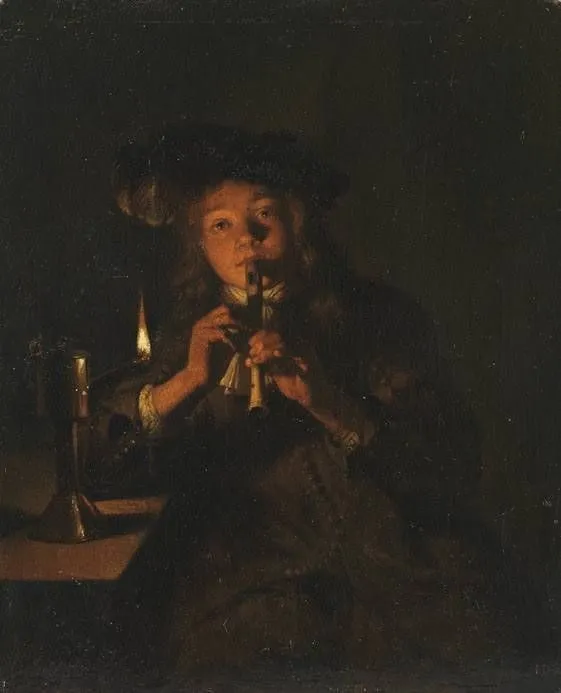
Boy Playing the Flute by Lamplight is an oil painting by the Dutch Golden Age artist Caspar Netscher. It dates from 1664 and is held in the collection of the Bavarian State Painting Collections.
About this work
Overview
The composition centers on a solitary youth seated in a darkened interior, illuminated solely by the warm glow of a small oil lamp positioned to his right.
Caspar Netscher's 'Boy Playing the Flute by Lamplight,' executed in 1664 on copper, is a refined example of Dutch Golden Age genre painting. The composition centers on a solitary youth seated in a darkened interior, illuminated solely by the warm glow of a small oil lamp positioned to his right. This focused lighting, characteristic of the tenebrist influence in 17th-century Dutch art, creates a dramatic contrast between the brightly lit figure and the surrounding shadows. The boy, dressed in a dark hat and simple collar, is captured in the act of playing a wooden flute, his fingers carefully positioned on the instrument. Netscher's technique on the copper support allows for exceptional detail and a smooth, polished surface, enhancing the luminosity of the skin tones and the texture of the clothing. Created during the artist's mature period in The Hague, the work reflects his reputation for intimate, meticulously rendered scenes of everyday life. The painting demonstrates Netscher's skill in manipulating light to evoke a quiet, contemplative atmosphere, elevating a mundane domestic moment into a study of focus and stillness. It stands as a testament to the Dutch interest in genre subjects that combined technical precision with subtle emotional resonance.
Subject & Meaning
The scene captures an intimate, everyday moment: a child absorbed in music, his face softly lit by the lamp’s flame. The juxtaposition of the quiet activity with the subdued lighting suggests a contemplative atmosphere, inviting viewers to consider the quiet pleasures of domestic life in the 17th‑century Dutch context.
Technique & Style
Netscher employed the chiaroscuro technique, using the strong contrast between the lamp’s warm light and the surrounding darkness to model forms and create depth. The copper support allows for fine detail, evident in the boy’s delicate fingers on the flute and the subtle texture of his dark hat and simple collar.
History & Provenance
Created in 1664, the painting entered the holdings of the Alte Pinakothek, where it remains on display. Its attribution to Netscher, a noted Dutch painter of genre scenes, has been consistently affirmed by museum records and scholarly catalogues.
Artist & collection

Artist
Caspar Netscher was a Dutch painter. He was a master in depicting oriental rugs, silk and brocade and introduced an international style to the Northern Netherlands.

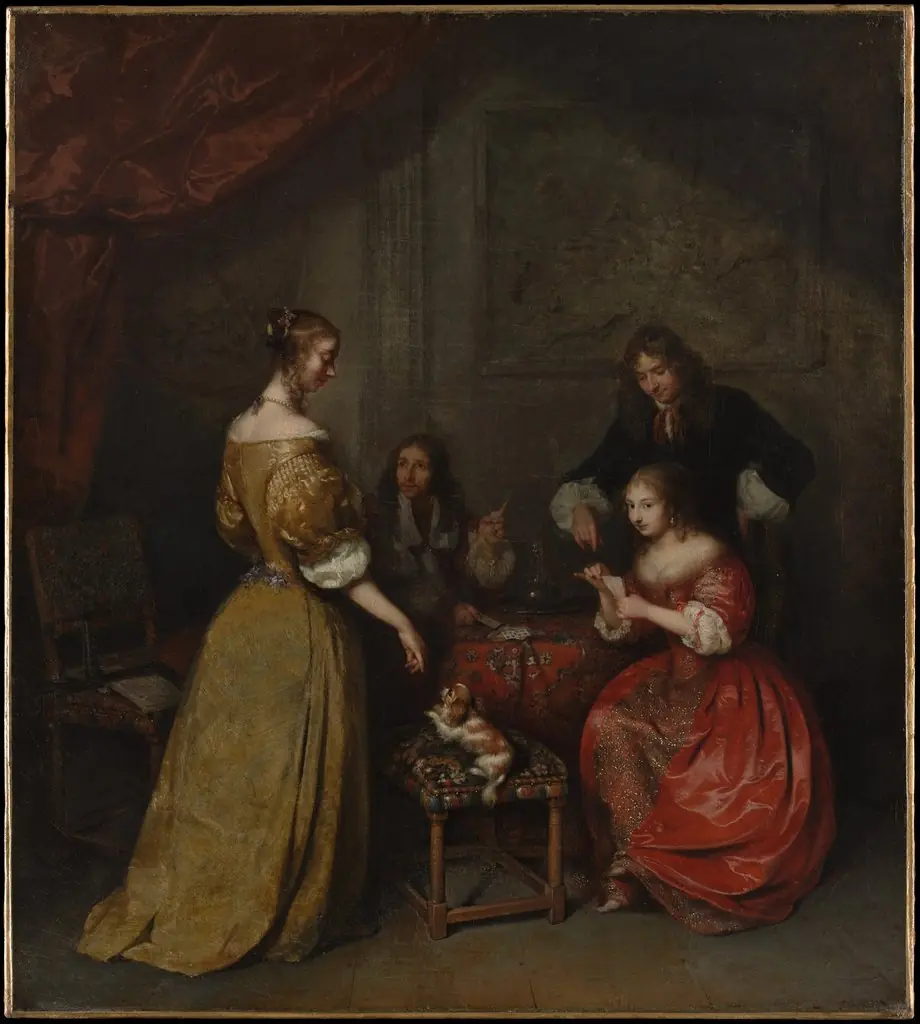 The Card Party
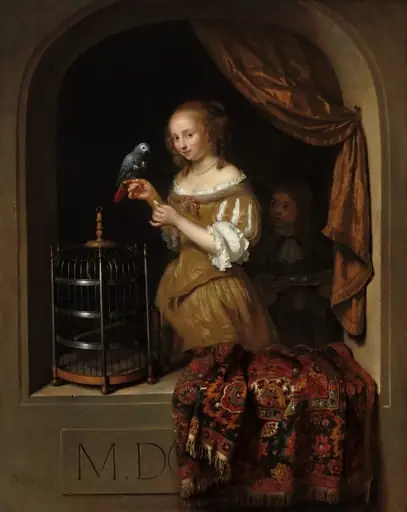 A Woman Feeding a Parrot, with a Page
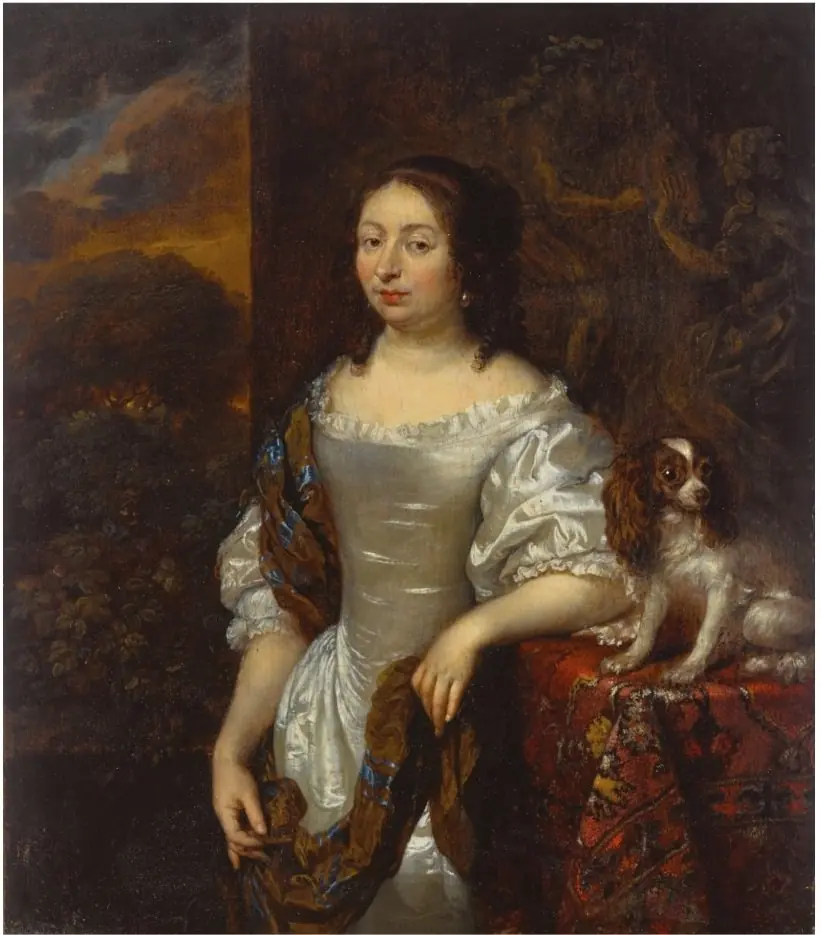 Portrait of a Lady with a Dog on a Table
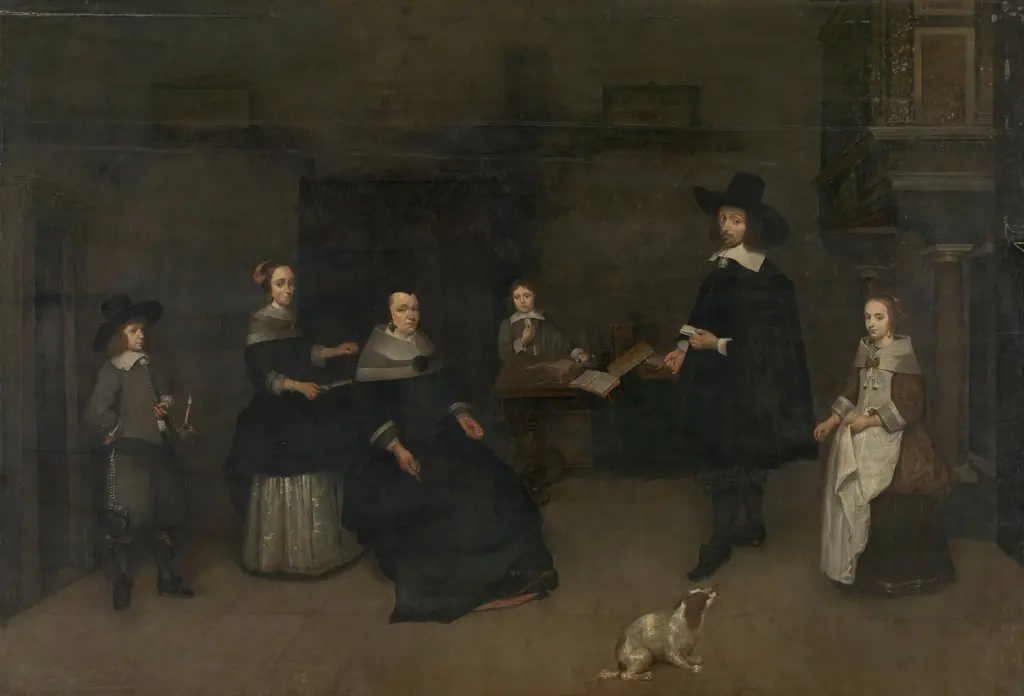 Family scene
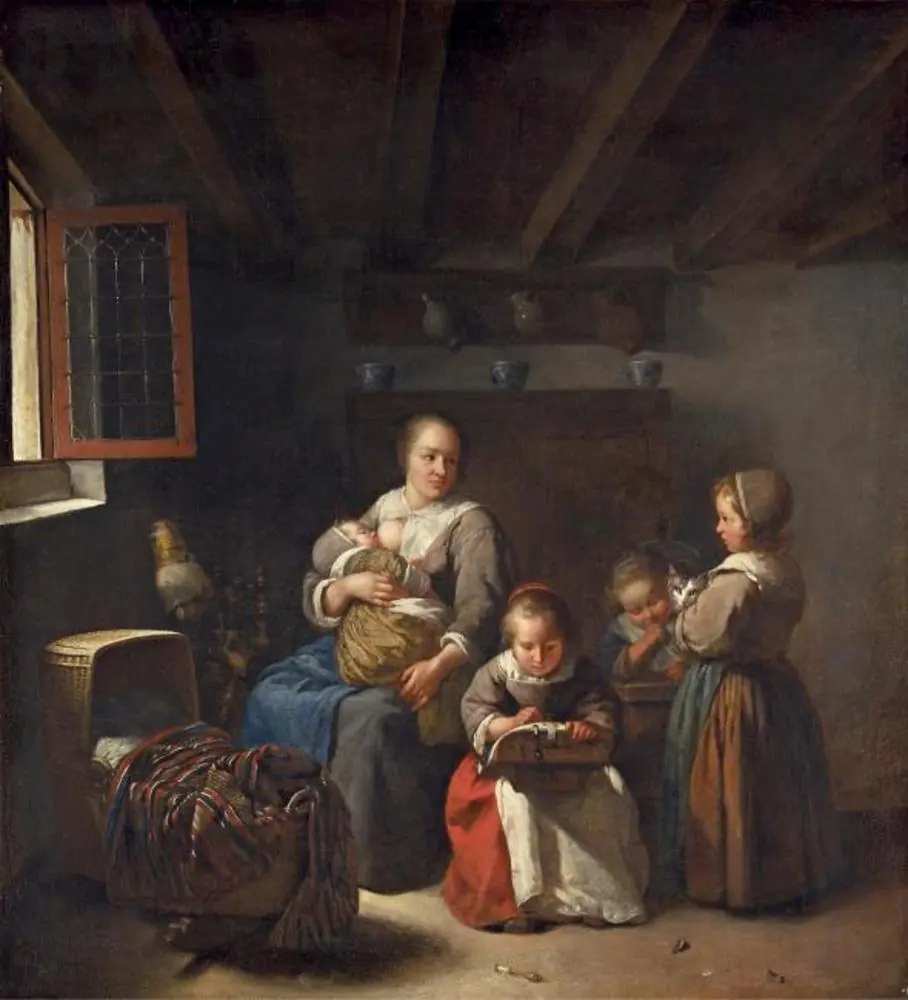 Nursing mother with three girls
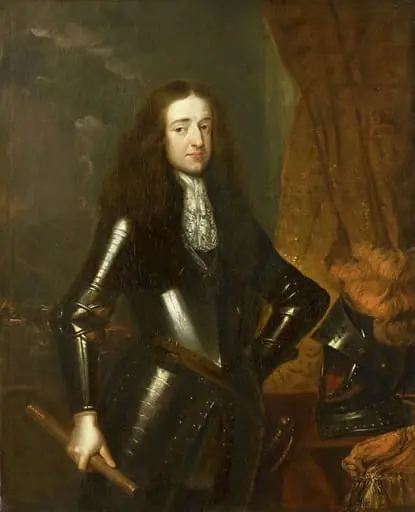 Portrait of Willem III (1650-1702), Prince of Orange and since 1689, King of England
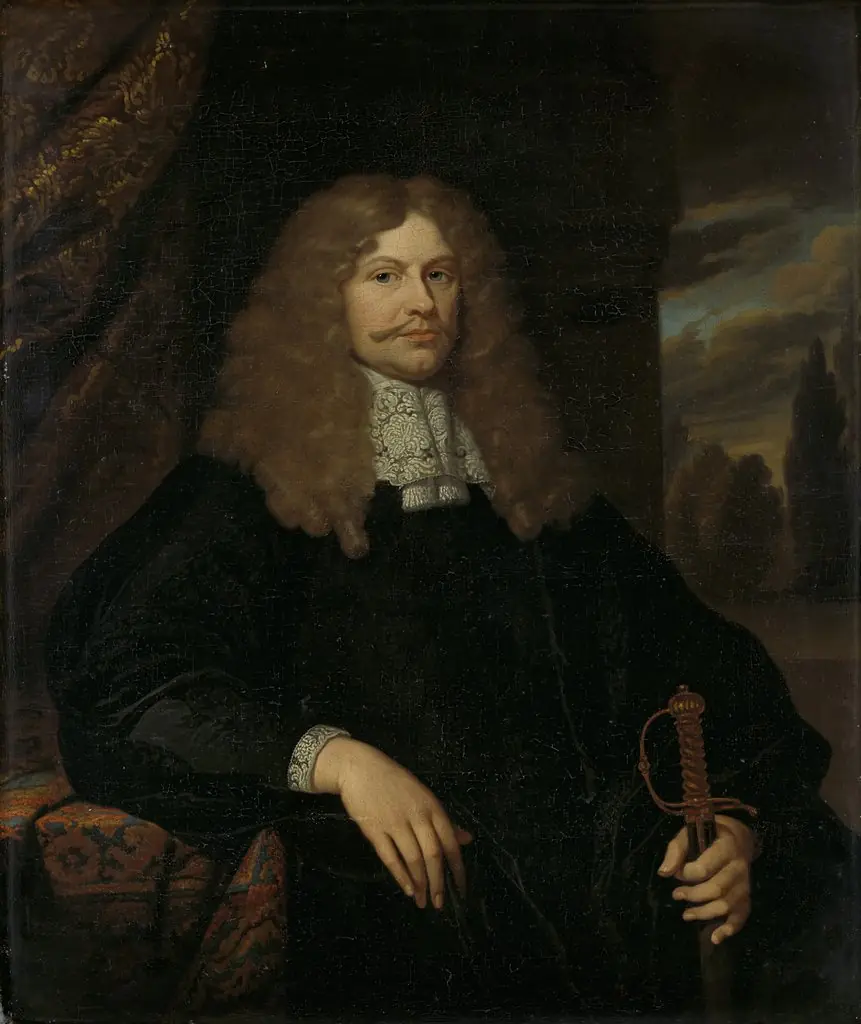 Portrait of Cornelis Backer (1633-81), councillor, alderman, and colonel of the Amsterdam militia
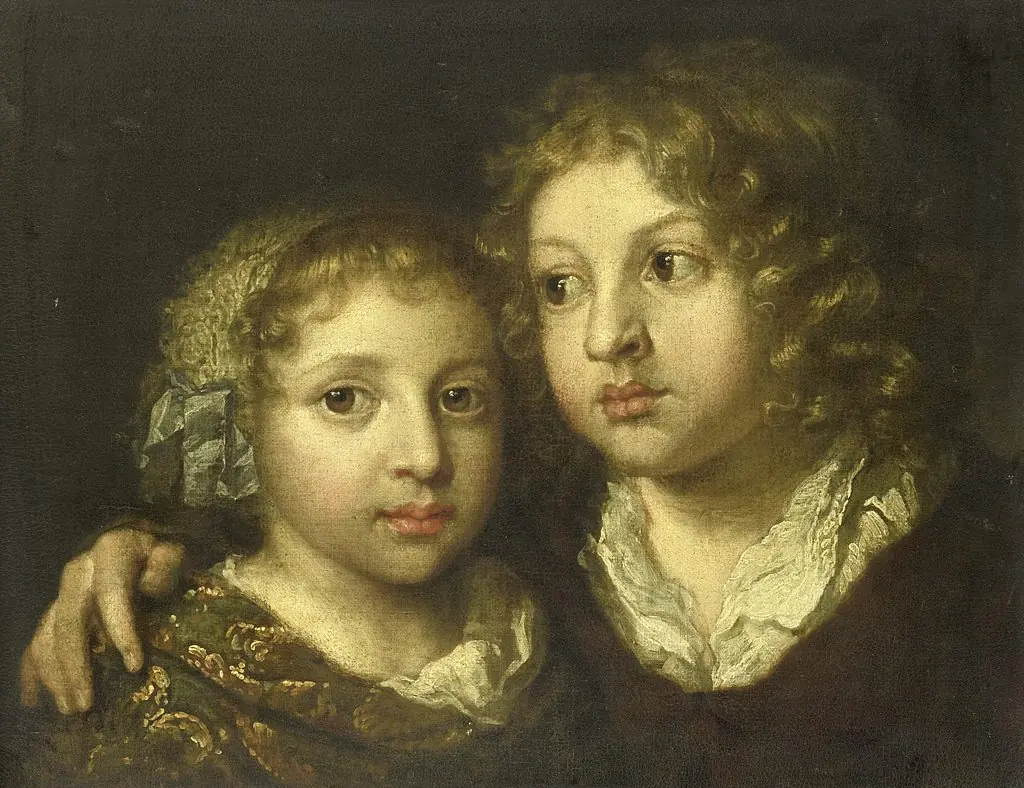 A daughter and a son (Constantijn?) of the artist