Artwork
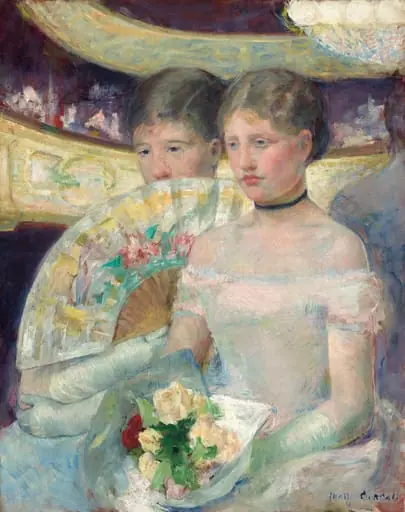
In the Opera Box (No. 3)
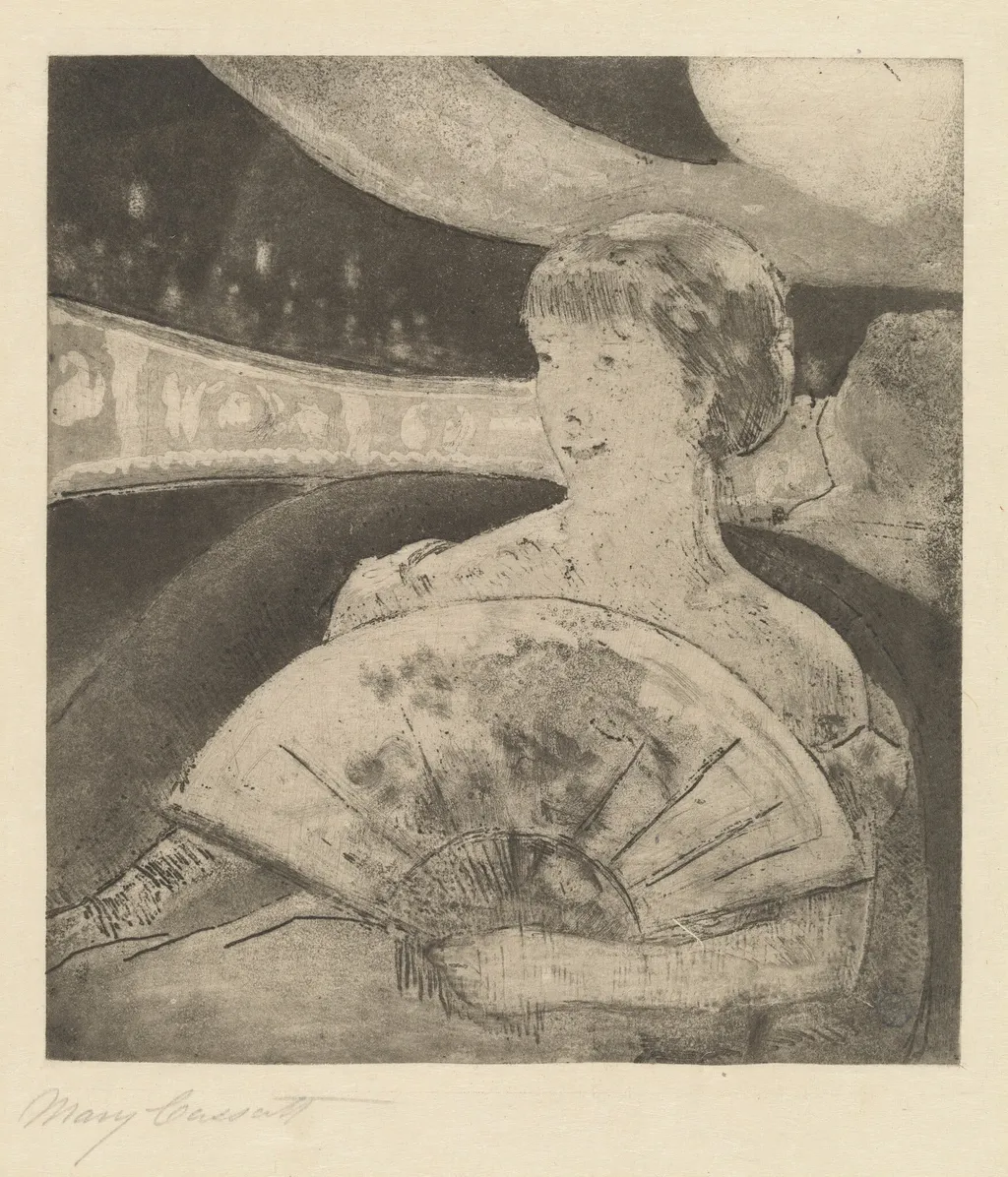
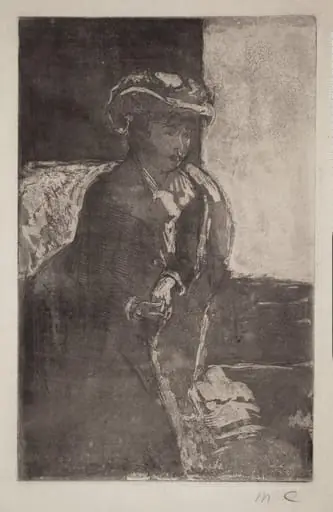
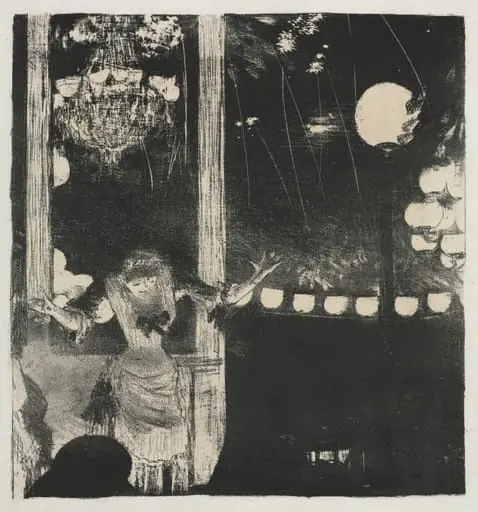
In the Opera Box (No. 3) is an ink print by the Impressionist artist Mary Cassatt. It dates from 1880 and is held in the collection of the National Gallery of Art. In the Opera Box (No.
About this work
Overview
In the Opera Box (No. 3), created circa 1880, is a print by Mary Cassatt, executed in softground etching and aquatint on Japanese paper. This work exemplifies Cassatt's exploration of women's lives in both public and private spheres.
Subject & Meaning
The print depicts a woman in a formal opera box setting, her face partially illuminated by stage lights. The scene conveys a sense of quiet, introspective luxury, highlighting the social and personal experiences of women in late 19th-century France.
Technique & Style
Characterized by rough, sketchy lines and textured, smudged dark areas, the print showcases Cassatt's use of etching techniques to capture the interplay of light and shadow. The Japanese paper's texture is notably pronounced, adding to the piece's expressive, almost spontaneous quality.
History & Provenance
As an American expatriate in France, Cassatt was closely tied to the Impressionist movement, befriending Edgar Degas and regularly exhibiting with the group. This print reflects her association with prominent female Impressionists, including Marie Bracquemond and Berthe Morisot.
Context
Created during Cassatt's active participation in the Impressionist circle, *In the Opera Box (No. 3)* situates itself within the movement's emphasis on modern life and everyday observations, particularly focusing on the often-overlooked narratives of women.
Legacy
This work contributes to Cassatt's legacy as a leading female figure in Impressionism, celebrated for her nuanced portrayals of women's experiences. The print's technique and subject matter have influenced subsequent generations of artists exploring similar themes.
Artist & collection
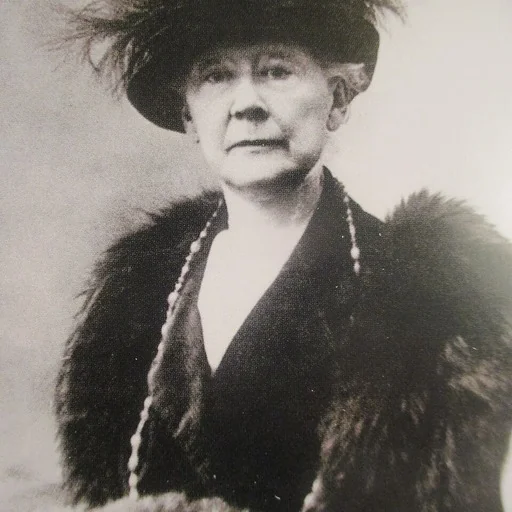
Artist
Mary Stevenson Cassatt (; May 22, 1844 – June 14, 1926) was an American painter and printmaker.