Artwork
Kobberstikkeren J.F. Clemens
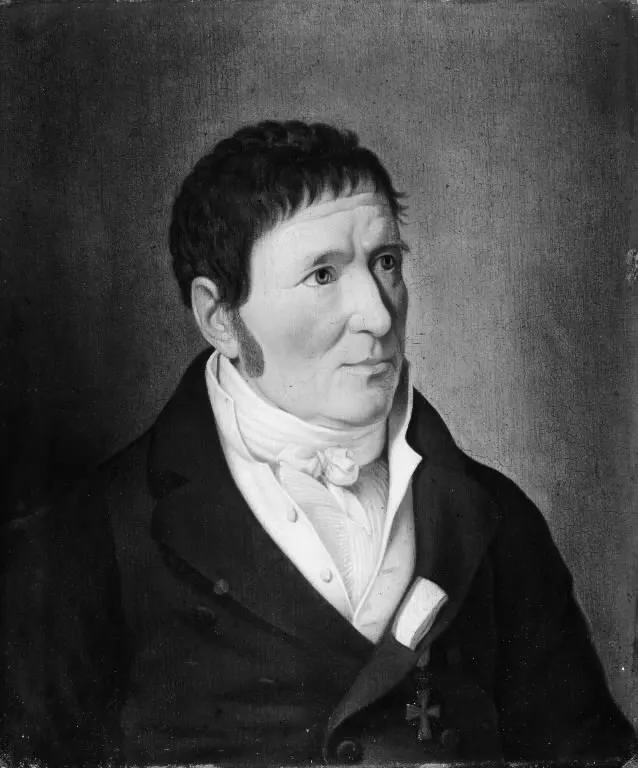
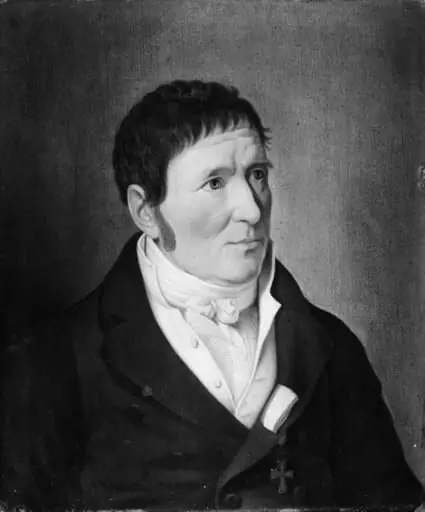
Kobberstikkeren J.F. Clemens is an oil painting by the Biedermeier artist Catherine Hedvig Fabritius de Tengnagel. It dates from 1822 and is held in the collection of the Statens Museum for Kunst. Painted in 1822, this oil portrait captures Johan Frederik Clemens, a Danish engraver known for his work in copperplate printing.
About this work
Overview
Painted in 1822, this oil portrait captures Johan Frederik Clemens, a Danish engraver known for his work in copperplate printing.
Painted in 1822, this oil portrait captures Johan Frederik Clemens, a Danish engraver known for his work in copperplate printing. The artist, Catherine Hedvig Fabritius de Tengnagel, was a Danish painter active in the early 19th century. The work is part of the collection at Statens Museum for Kunst in Copenhagen, where it remains a quiet example of portraiture from Denmark’s artistic circles during the post-Napoleonic era.
Subject & Meaning
The subject, Johan Frederik Clemens, was a respected engraver whose technical skill contributed to Denmark’s printmaking tradition. The portrait presents him with a composed, introspective demeanor, reflecting the dignity associated with his craft. His attire—dark coat, white collar, and cravat—signals professional respectability rather than aristocratic status, aligning the image with the values of the educated middle class in early 19th-century Denmark.
Technique & Style
Fabritius de Tengnagel employs subtle tonal gradations to model Clemens’s face, emphasizing texture in skin and fabric without overt theatricality. The background is deliberately subdued, allowing the figure to emerge with quiet clarity. Brushwork is precise but unobtrusive, favoring naturalism over embellishment. The composition follows classical portraiture conventions, with the subject centered and lightly illuminated, directing focus to his expression and posture.
History & Provenance
The painting entered the collection of Statens Museum for Kunst shortly after its creation, likely through direct acquisition or donation from the artist’s circle. Its continuous presence in the museum’s holdings suggests early recognition of its documentary value. No significant alterations or reattributions are recorded, and it has remained in stable condition since the 19th century, preserving its original intent and appearance.
Context
Created during a period when Danish art was transitioning from courtly patronage to civic cultural institutions, this portrait reflects a growing interest in depicting professionals and intellectuals. Fabritius de Tengnagel, one of the few documented female painters of her time in Denmark, contributed to a modest but meaningful tradition of domestic portraiture that valued character over grandeur.
Legacy
Though not widely exhibited beyond Denmark, the portrait endures as a representative example of early 19th-century Danish portraiture. It offers insight into the visual culture of artisans and the role of women in art production during a time when such roles were often overlooked. Its preservation underscores the museum’s commitment to documenting the nation’s artistic and social history beyond elite narratives.
Artist & collection
Artist
Catherine Hedvig Fabritius de Tengnagel
Catherine Hedvig Fabritius de Tengnagel (1768–1850) was an artist.

 Majordomo Albrecht
 Retrato del famoso ''barba'' del Teatro del Príncipe don Joaquín Caprara estudiando el papel de Diego Láynez en la tragedia de ''El Cid''
 Lensgreve Adam Wilhelm Moltke til Bregentved
 Gervais, Jr.
 Lensgreve Adam Wilhelm Moltke til Bregentved
 Self-Portrait
 Charles Pinckney
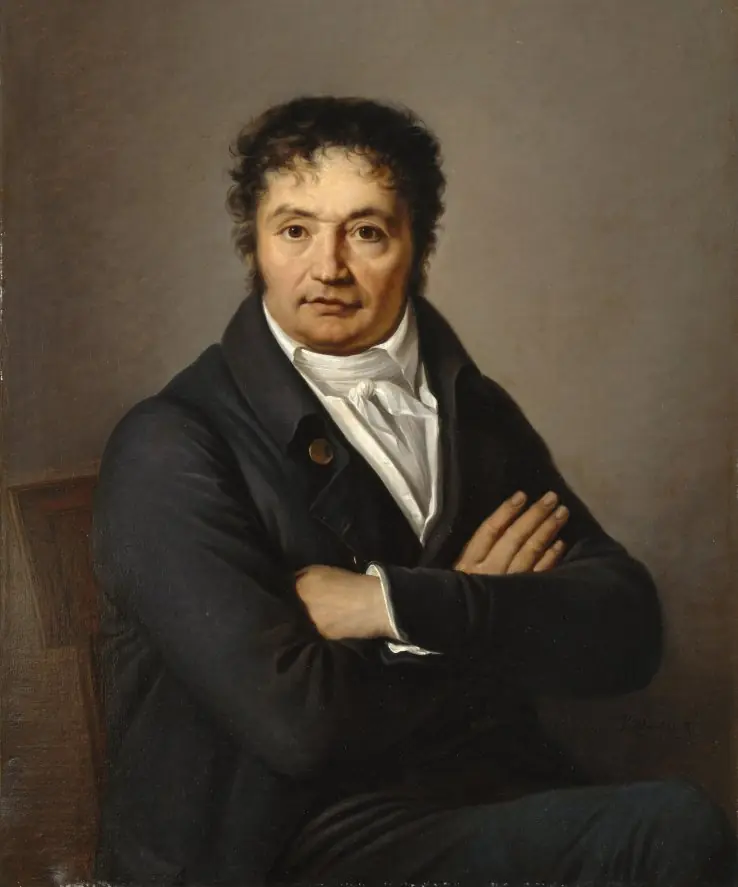 Portrait of Guillaume-Jean Constantin
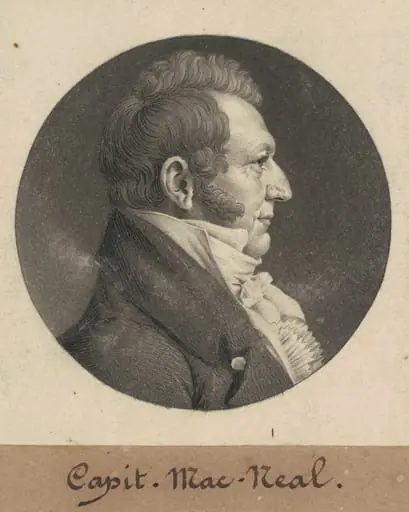 Neil McNeill
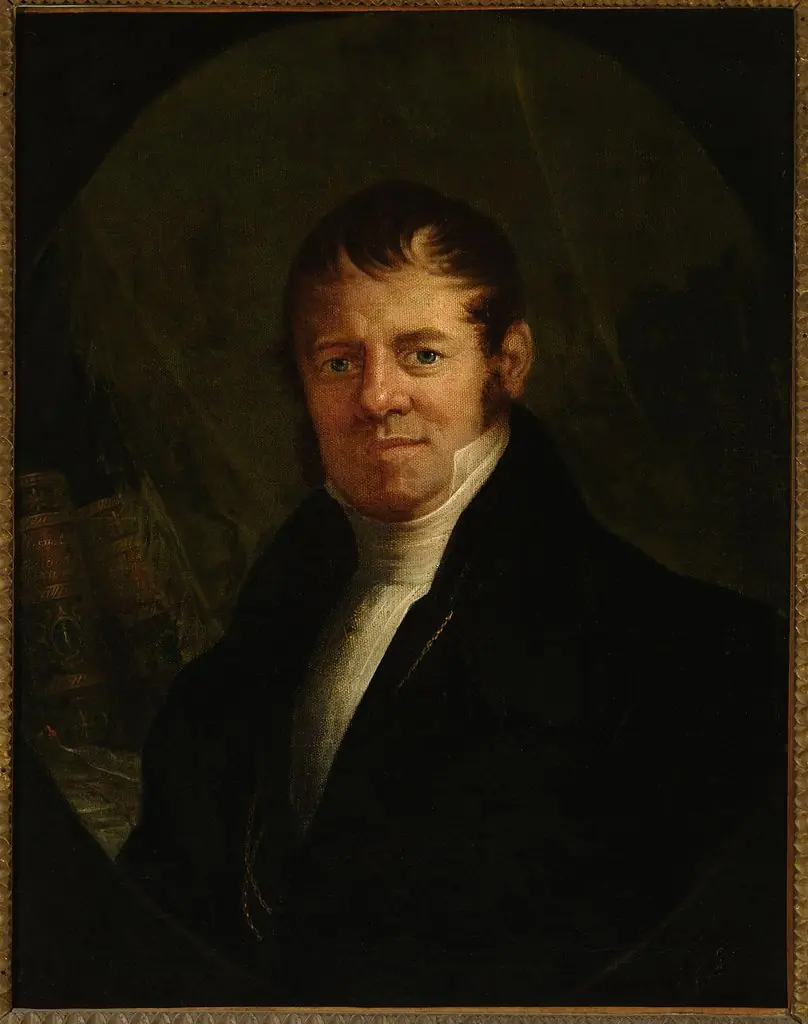 Portrait of Mikołaj Tyrchowski, professor at St. Anne's Secondary School
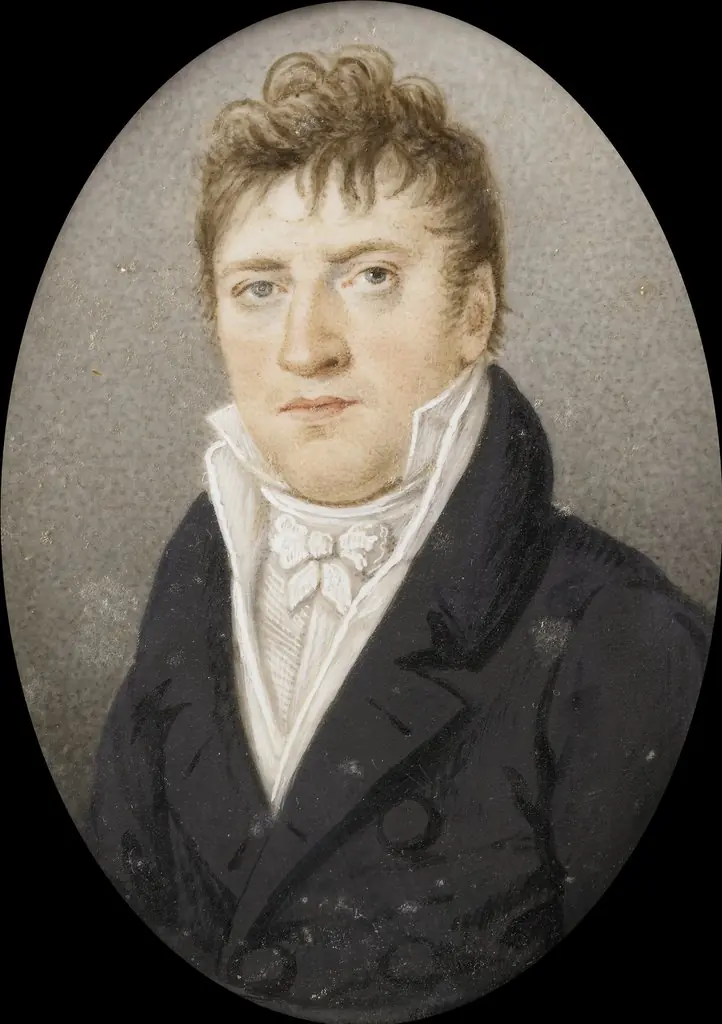 Portrait of Georg Albrecht Diederichs (1751-1816)
 Kobberstikkeren J.F. Clemens