Artwork
Bivouac of a Sioux War Party
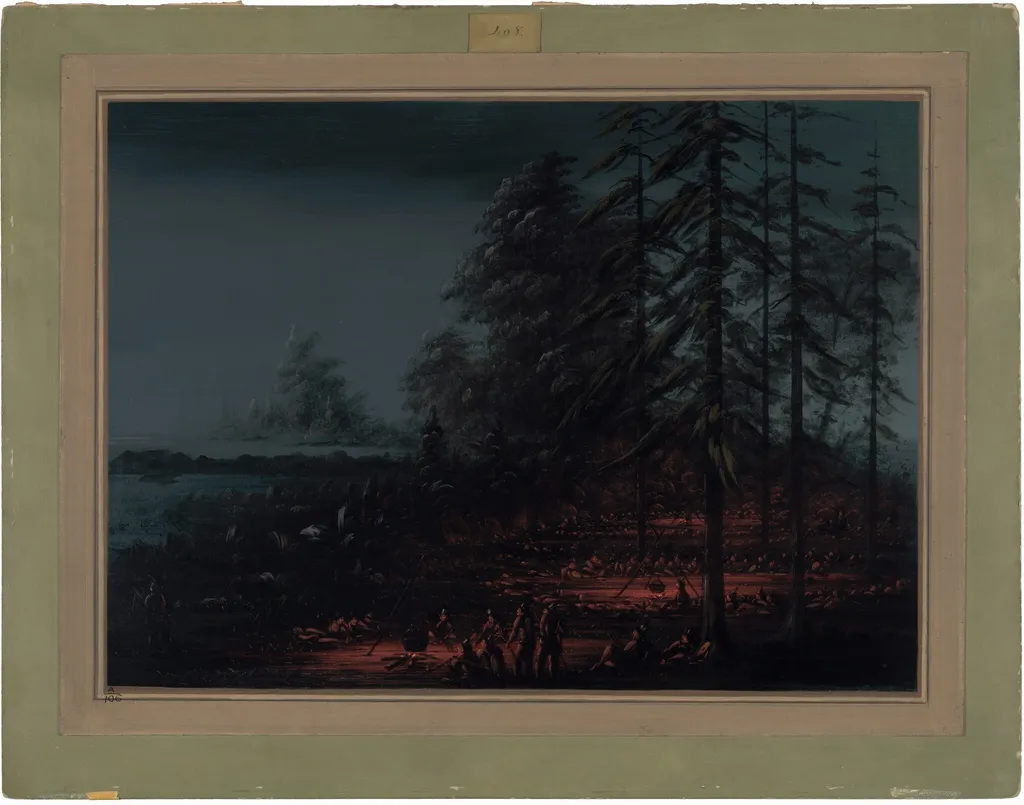
Bivouac of a Sioux War Party is an oil painting by the Impressionist artist George Catlin. It dates from 1865 and is held in the collection of the National Gallery of Art.
About this work
Overview
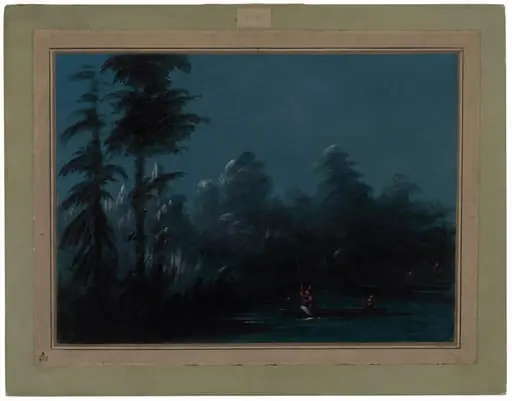
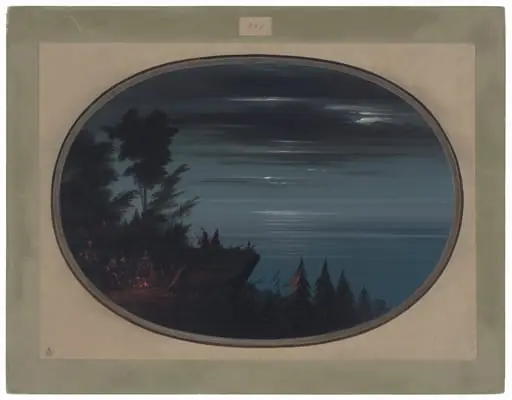
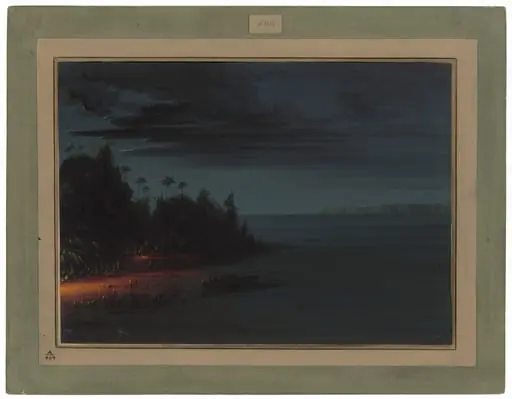
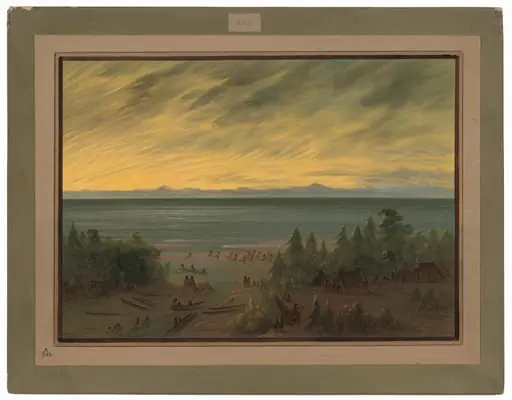
Created in 1865, *Bivouac of a Sioux War Party* is an oil painting executed on card that has been mounted on a paperboard support. The work presents a small group of Sioux warriors gathered beside a solitary tree, suggesting a temporary camp in the open landscape.
Subject & Meaning
The composition captures a moment of rest for a war party, emphasizing the relationship between the warriors and their natural surroundings. By focusing on a bivouac rather than battle, the image conveys a quieter aspect of Sioux life on the plains, highlighting endurance and communal pause.
Technique & Style
Catlin employed oil on a rigid card surface, a medium that allowed fine detail while retaining a portable format. The brushwork is modest, with muted earth tones that render the tree and figures against a subdued horizon, reflecting the artist’s documentary approach to genre scenes of the frontier.
History & Provenance
George Catlin, a lawyer‑turned‑artist, traveled across the American West during the 1830s, producing numerous portraits and scenes of Plains peoples. Although this painting dates from the later stage of his career, it continues his long‑standing commitment to recording Indigenous cultures.
Context
The work belongs to a broader 19th‑century American interest in portraying Native American societies amid westward expansion. Catlin’s oeuvre, including this piece, served both as ethnographic record and as visual commentary on a rapidly changing frontier.
Artist & collection

Artist
George Catlin ( KAT-lin; July 26, 1796 – December 23, 1872) was an American lawyer, painter, author, and traveler, who specialized in portraits of Native Americans in the American frontier.

 Bulls Fighting
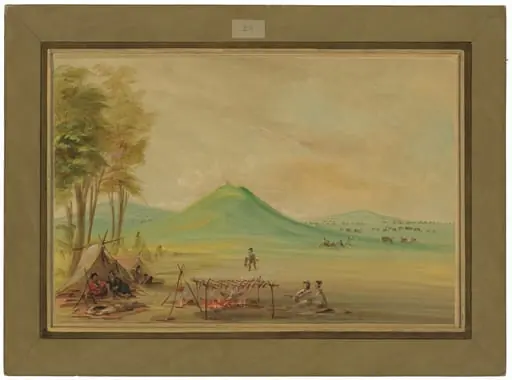 Expedition Encamped on a Texas Prairie. April 1686
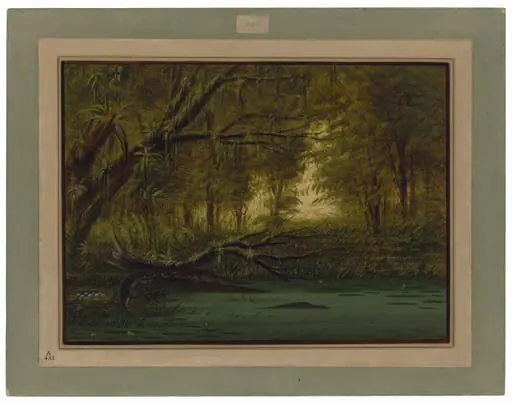 An Alligator's Nest
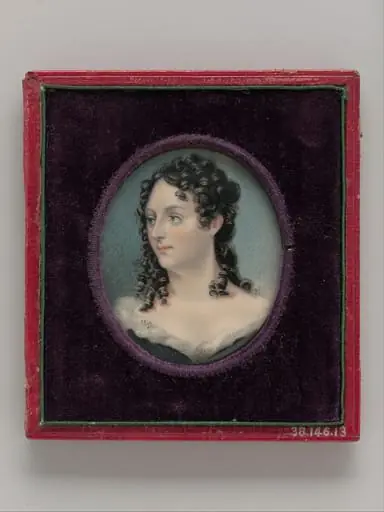 Mrs. George Catlin (Clara Bartlet Gregory)
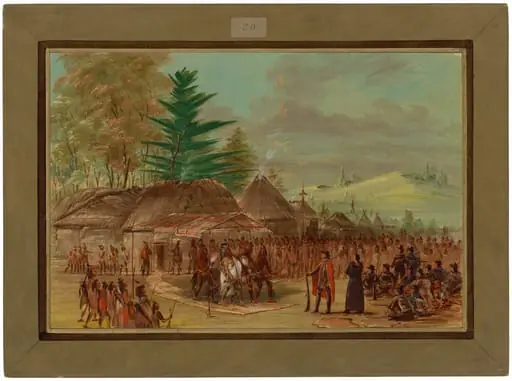 Chief of the Taensa Indians Receiving La Salle. March 20, 1682
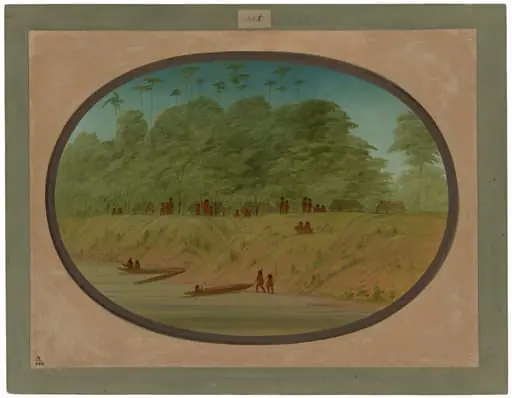 A Small Village - Payaguas Indians
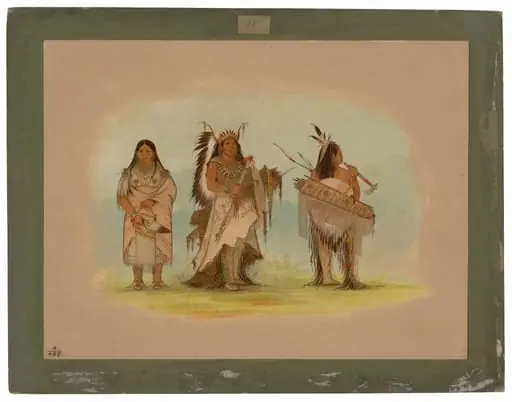 Omaha Chief, His Wife, and a Warrior
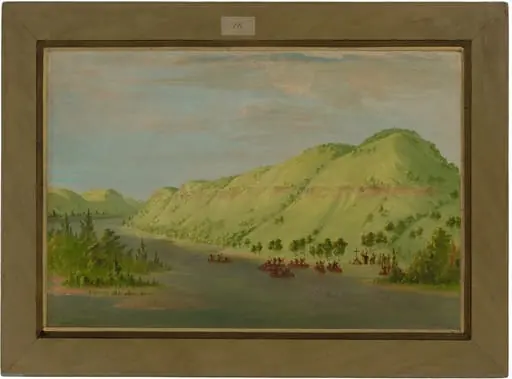 Father Hennepin Leaving the Mississippi to Join La Salle. May 8, 1680