Artwork
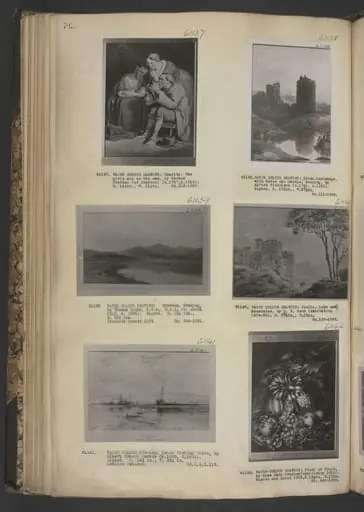
Dame Quickly, Nym and Bardolph
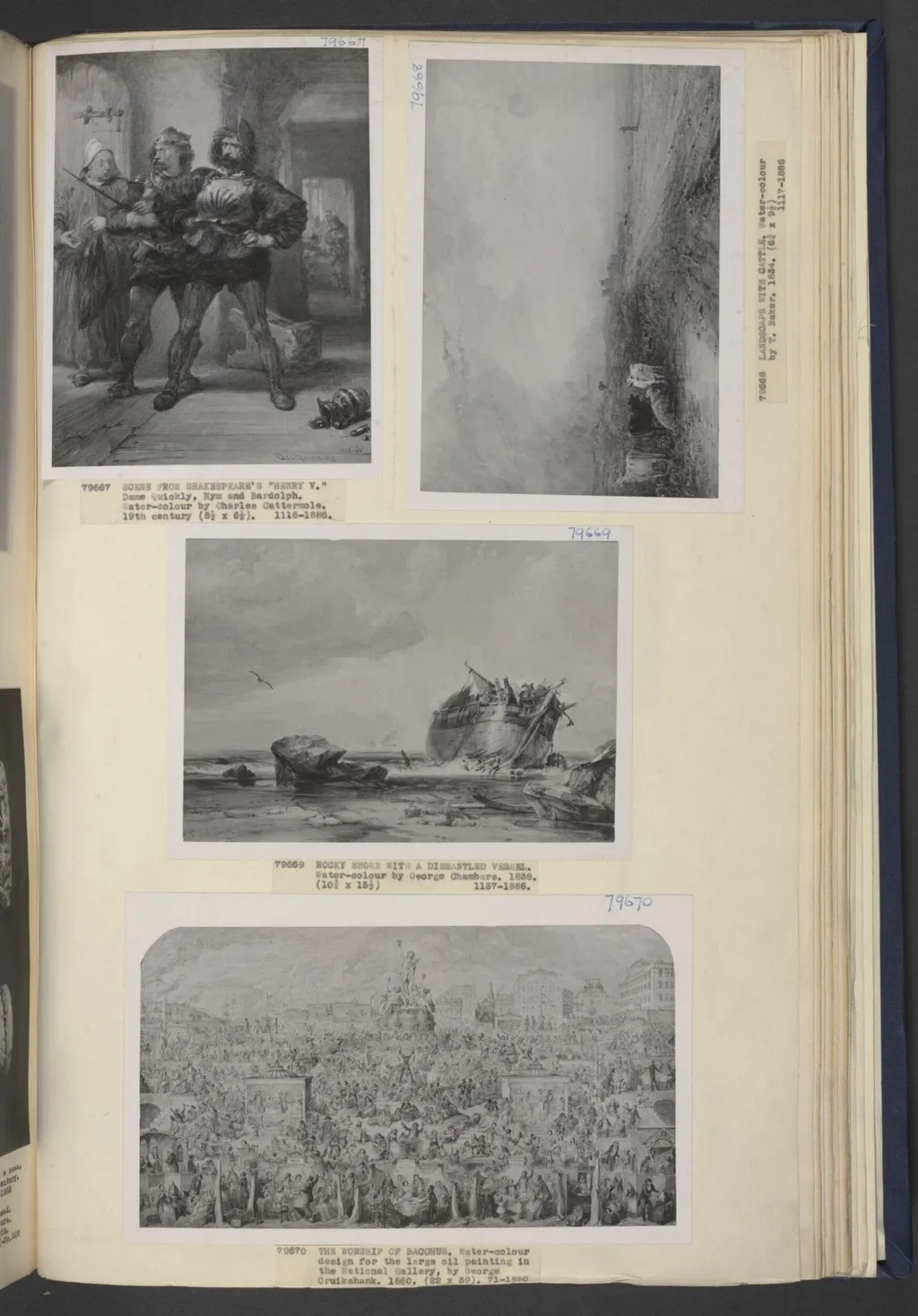
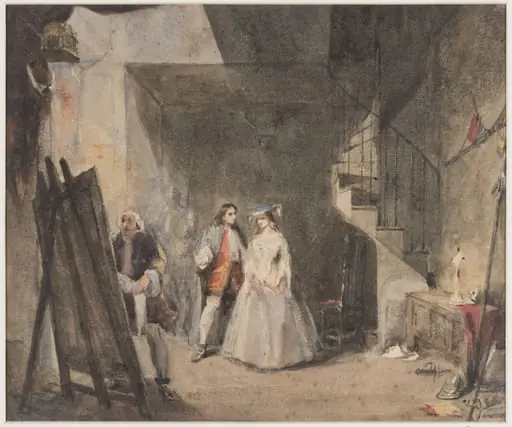
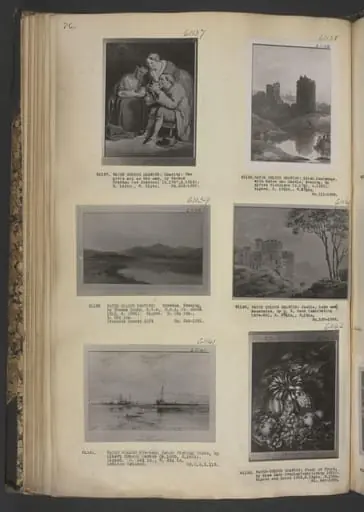
Dame Quickly, Nym and Bardolph is a watercolor work on paper by Cattermole. It dates from 1850 and is held in the collection of the Victoria and Albert Museum.
About this work
Overview
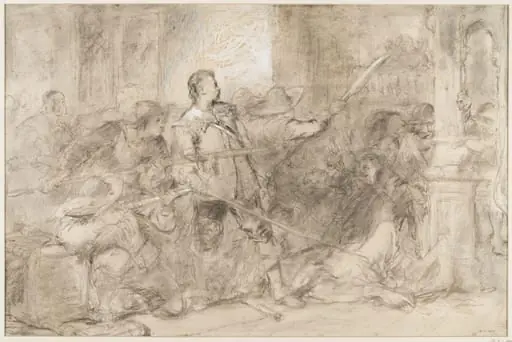
Painted in 1850 by George Cattermole, this watercolour depicts three figures from Shakespeare’s *Henry V*: Dame Quickly, Nym, and Bardolph.
Painted in 1850 by George Cattermole, this watercolour depicts three figures from Shakespeare’s *Henry V*: Dame Quickly, Nym, and Bardolph. Rendered in delicate washes, the scene captures a quiet, intimate moment among the characters, likely drawn from the play’s tavern scenes. The work is signed by the artist and reflects his interest in literary subjects, executed with a restrained palette and atmospheric detail typical of mid-nineteenth-century British watercolour practice.
Subject & Meaning
The figures represent lower-status characters from Shakespeare’s history plays—Dame Quickly, a hostess, and two soldiers, Nym and Bardolph, known for their drunken camaraderie. The composition suggests a moment of stillness amid their usual chaos: one man grips a sword, another rests wearily, and the third gazes downward. The scene evokes themes of decline and moral ambiguity, aligning with Shakespeare’s portrayal of these figures as both comic and tragic.
Technique & Style
Cattermole employed transparent watercolour washes to build subtle tonal gradations, emphasizing the dim interior and textured fabrics. Loose, suggestive brushwork defines the figures’ rumpled clothing and the sparse floor objects, avoiding sharp detail in favor of mood. The lighting is muted, enhancing the sense of confinement and quiet tension. The style reflects the influence of Romantic narrative painting, prioritizing emotional resonance over theatrical spectacle.
History & Provenance
Created in 1850, the watercolour entered the collection of the Victoria and Albert Museum, where it remains part of its holdings in British art. It was likely acquired during the museum’s early efforts to document literary illustration and watercolour traditions. No record of prior ownership or exhibition prior to its museum accession is widely documented, suggesting it may have been a private commission or personal study.
Context
Cattermole was known for illustrating Shakespearean and historical scenes during a period when literary themes dominated British visual culture. His work responded to growing public interest in staged drama and illustrated editions of classic texts. This piece aligns with contemporaneous efforts by artists to translate theatrical moments into intimate, non-theatrical compositions, bridging the gap between stage and gallery.
Legacy
Though not widely reproduced, the watercolour exemplifies Cattermole’s contribution to Victorian literary illustration. It preserves a visual interpretation of Shakespeare’s minor characters that diverges from grand historical depictions, offering instead a grounded, humanized view. Its presence in the V&A underscores its role in documenting how 19th-century artists engaged with Shakespeare beyond the stage.
Artist & collection
Artist
Cattermole is a surname. Notable people with the surname include:Eva Cattermole (1849–1896), Italian writer and poet George Cattermole (1800–1868), British painter and illustrator Lee Cattermole, English footballer Paul…