Artwork
Mad Woman
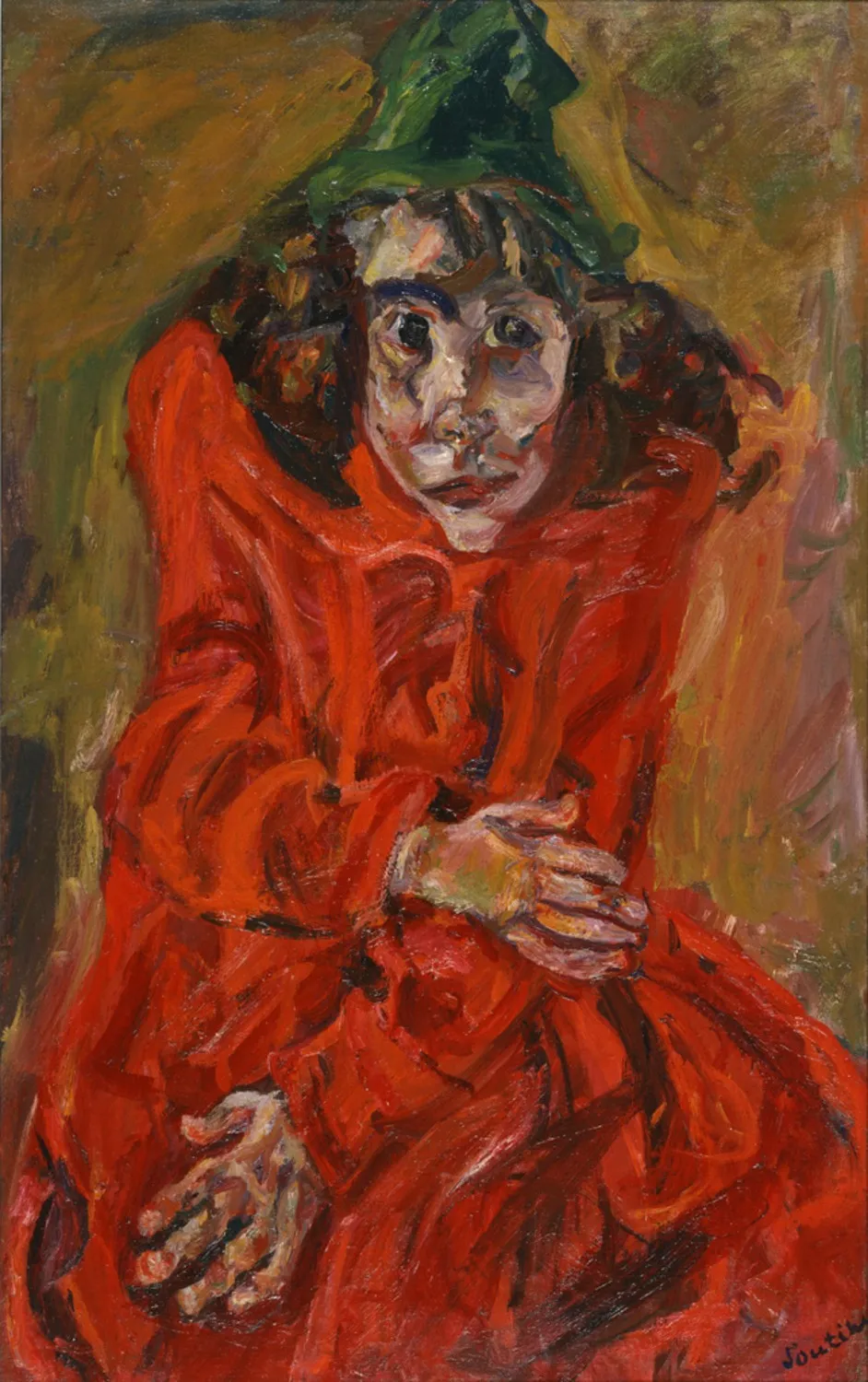
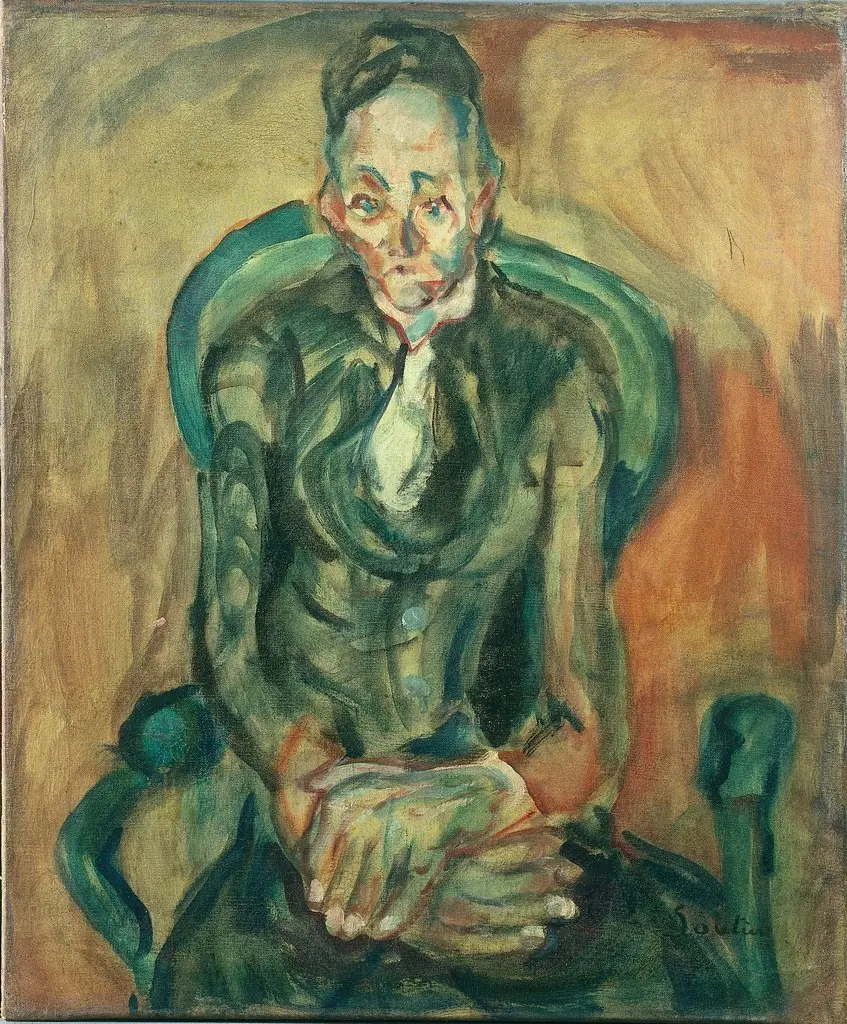
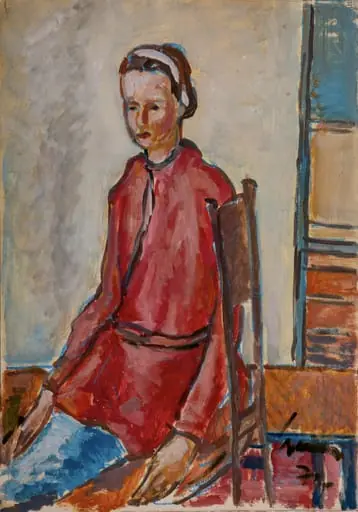
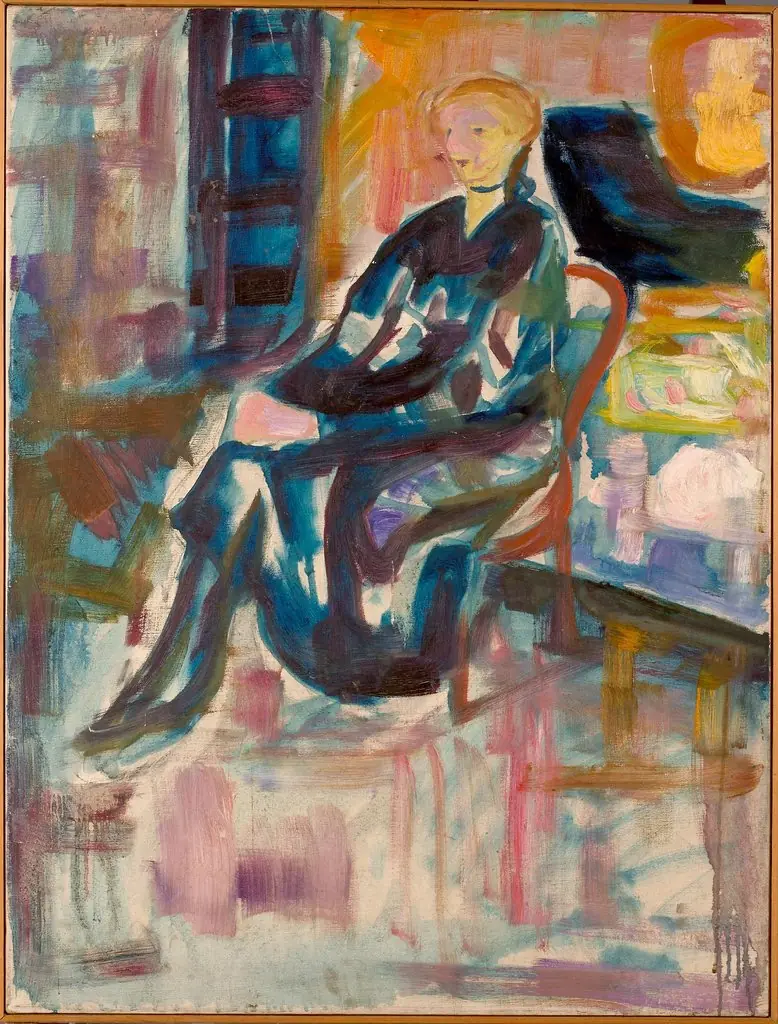
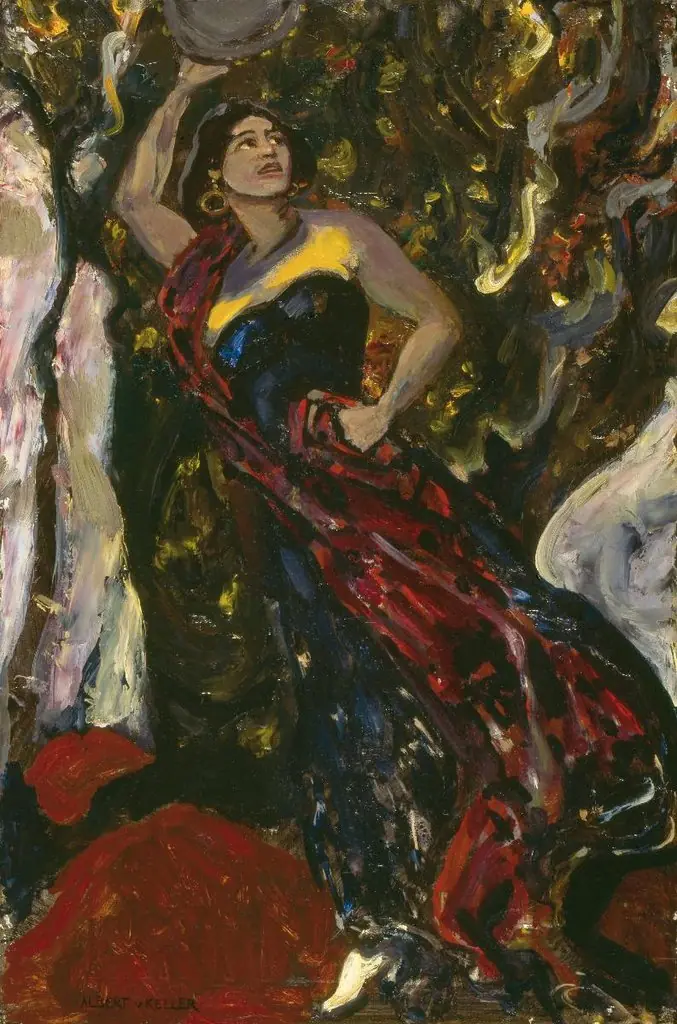
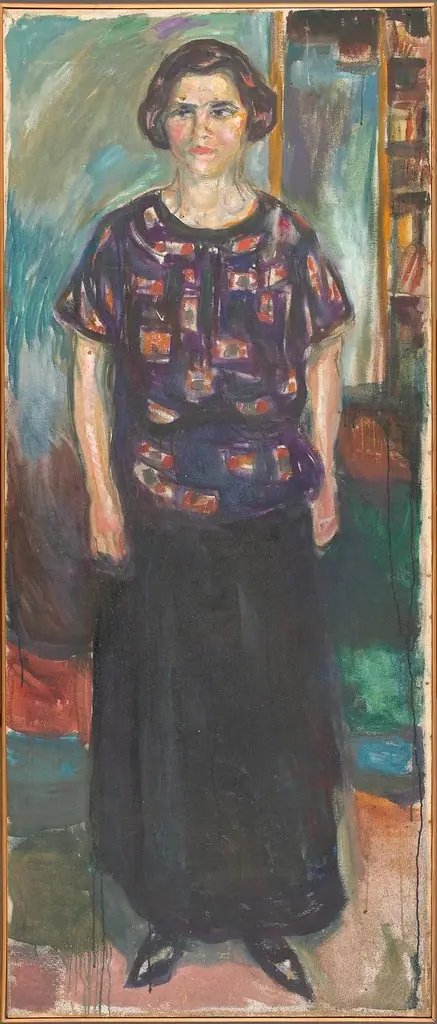
Mad Woman is an oil painting by Chaïm Soutine. It dates from 1920 and is held in the collection of the National Museum of Western Art.
About this work
Overview
Though born in Belarus and later active in Paris, Soutine distanced himself from academic norms, favoring emotional intensity over literal depiction.
Chaim Soutine painted *Mad Woman* in 1920 using oil on canvas, a work that reflects his engagement with Expressionist principles. Though born in Belarus and later active in Paris, Soutine distanced himself from academic norms, favoring emotional intensity over literal depiction. The painting is part of the National Museum of Western Art’s collection, where it stands as a key example of his early mature style.
Subject & Meaning
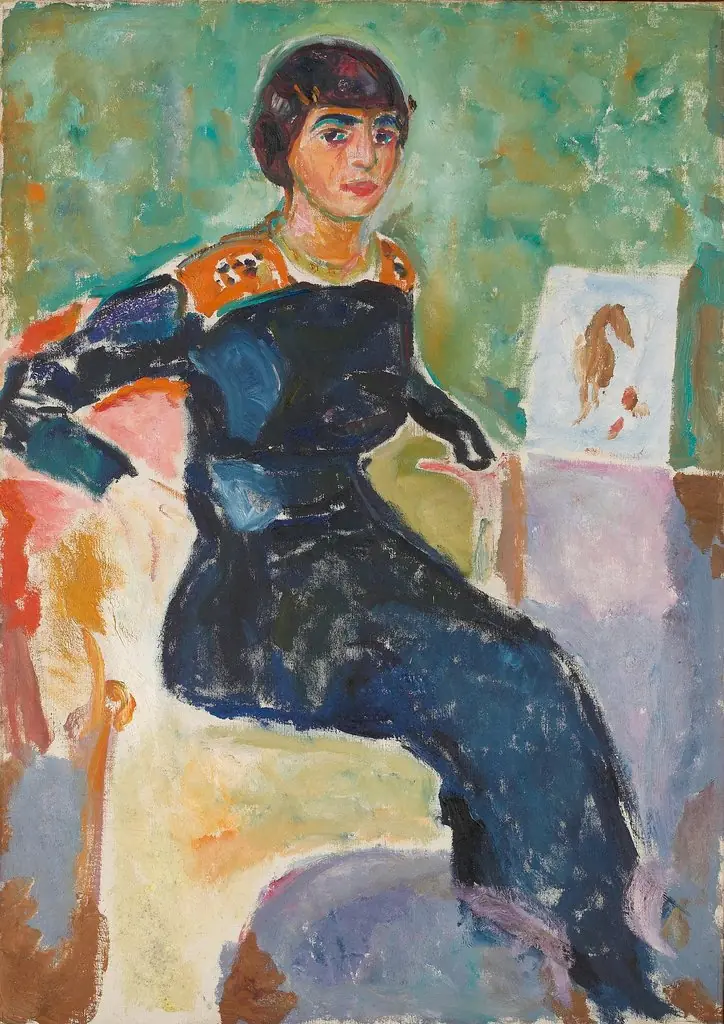
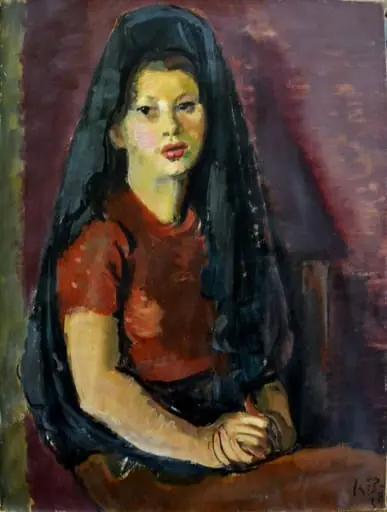
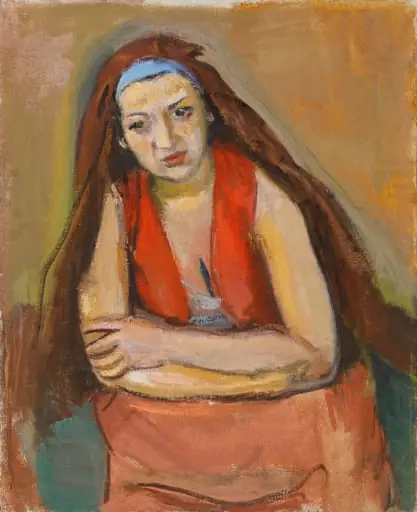
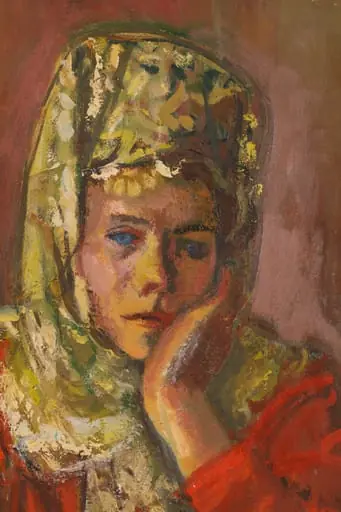
The figure is a woman seated with hands clasped, her posture rigid yet vulnerable. Her downward gaze and furrowed brows suggest inner turmoil, though no specific narrative is given. Soutine avoids literal interpretation, instead conveying psychological weight through posture and expression. The title, possibly assigned later, invites speculation about mental state without prescribing a diagnosis.
Technique & Style
Soutine applied thick, agitated brushstrokes to build form and emotion, employing impasto to give the surface a tactile urgency. Colors—deep reds, muted greens, and earthy browns—are saturated but not naturalistic, serving emotional resonance over realism. The background’s chaotic hues contrast with the figure’s stillness, amplifying her isolation through visual tension.
History & Provenance
Created during Soutine’s early years in Paris, the painting emerged from a period of intense personal and artistic exploration. It was acquired by the National Museum of Western Art in Tokyo in the mid-20th century, following the dispersal of European collections after World War II. Its presence in Japan reflects broader postwar efforts to preserve and display modern European art outside its origin.
Context
Soutine worked among other émigré artists in Montparnasse, influenced by Rembrandt and Cézanne but rejecting their formalism. His approach aligned with Expressionism’s broader shift toward inner experience, paralleling contemporaries like Kirchner and Schiele. The painting’s emotional rawness resonated with a postwar climate grappling with trauma, displacement, and identity.
Legacy
Though not widely exhibited during his lifetime, *Mad Woman* has come to represent Soutine’s ability to fuse psychological depth with painterly vigor. It continues to inform discussions on how emotion can be rendered through texture and color, influencing later generations of figurative painters who prioritize inner life over external accuracy.
Artist & collection
Artist
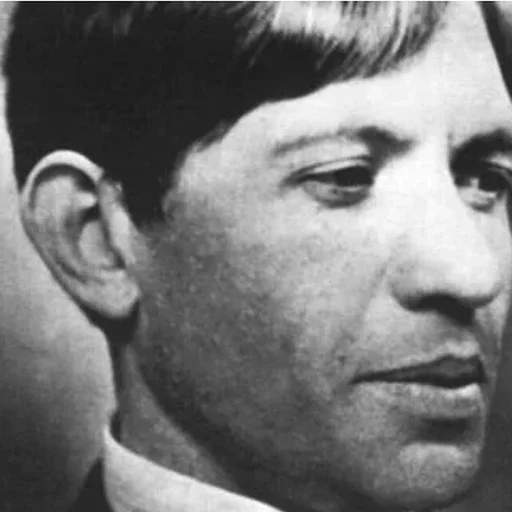
Chaïm Soutine (French: ; Russian: Хаим Соломонович Сутин, romanized: Khaim Solomonovich Sutin; Yiddish: חײם סוטין, romanized: Chaim Sutin; 13 January 1893 – 9 August 1943) was a French painter of Belarusian-Jewish…