Artwork
Pope's Villa, Twickenham
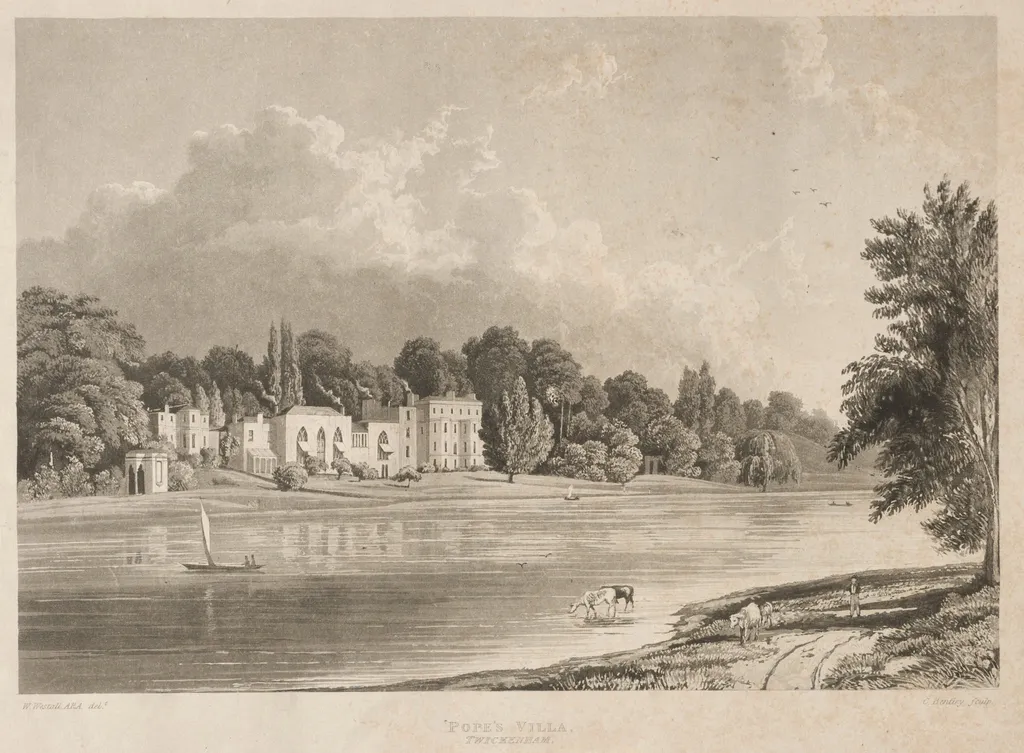
Pope's Villa, Twickenham is a print by the Romanticist artist Charles Bentley. It dates from 1828 and is held in the collection of the Cleveland Museum of Art.
About this work
Overview
Charles Bentley created this 1828 print depicting Pope’s Villa in Twickenham, a riverside estate once owned by the poet Alexander Pope.
Charles Bentley created this 1828 print depicting Pope’s Villa in Twickenham, a riverside estate once owned by the poet Alexander Pope. The work is a topographical landscape rendered in soft tones, capturing the quiet atmosphere of the Thames bank. It resides in the collection of The Cleveland Museum of Art, where it is valued for its restrained composition and attention to natural detail rather than dramatic effect.
Subject & Meaning
The scene portrays the villa nestled among trees along the river, with a solitary figure on the bank and grazing sheep in the foreground. A small boat drifts near the center, suggesting quiet leisure. The absence of human activity beyond the lone figure emphasizes solitude and contemplation, aligning with Romantic ideals that found emotional resonance in undisturbed natural settings and historic domestic landscapes.
Technique & Style
Bentley employed delicate line work and subtle gradations of tone to evoke a tranquil mood. The soft shading avoids harsh contrasts, allowing the landscape to feel gently illuminated by diffused daylight. The composition is balanced and uncluttered, with trees framing the view and the river leading the eye toward the villa. This approach reflects a preference for naturalism over idealization, characteristic of early 19th-century British printmaking.
History & Provenance
The print was produced in 1828, during a period of growing interest in documenting historic English residences. Pope’s Villa, built in the early 1700s, had become a site of cultural pilgrimage by the 19th century. Bentley’s depiction likely served as a record of the estate’s appearance before later alterations. It entered The Cleveland Museum of Art’s collection through established acquisition channels in the 20th century.
Context
This print emerged during the height of Romanticism in British art, when artists and writers turned to nature and historic sites for emotional and intellectual reflection. Twickenham, associated with Alexander Pope’s literary legacy, attracted artists seeking to capture the harmony between human habitation and the natural world. Bentley’s work fits within a broader tradition of topographical prints that blended documentary precision with poetic sensibility.
Legacy
Though not widely reproduced, Bentley’s print contributes to the visual record of 19th-century English landscapes and the cultural memory of Pope’s residence. It exemplifies how printmakers translated literary and historical associations into serene, observational imagery. Today, it remains a quiet testament to the enduring appeal of place, memory, and the calm rhythms of the natural world.
Artist & collection

 Redgrave Hall
 Sandbeck Park, Yorkshire
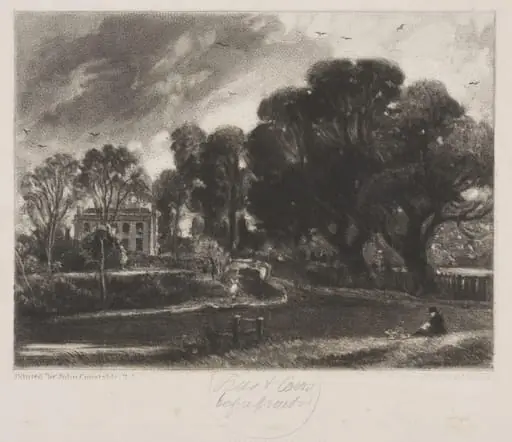 East Bergholt
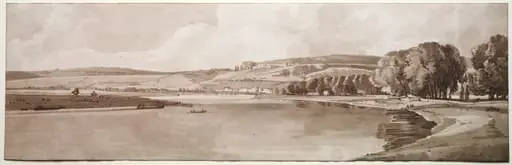 A Selection of Twenty of the Most Picturesque Views in Paris: View of Belle Vue & Pont de Sêve
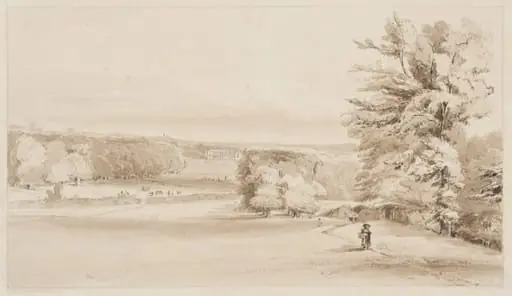 Untitled
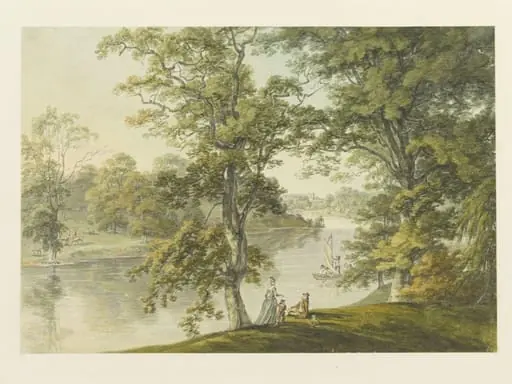 Wynnstay Park, Derbyshire
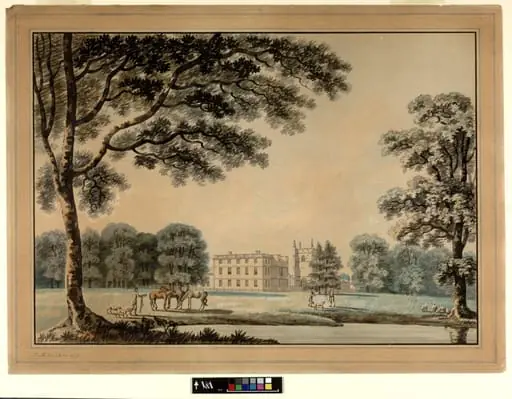 A Country House and Park, probably Norton Hall, near Sheffield
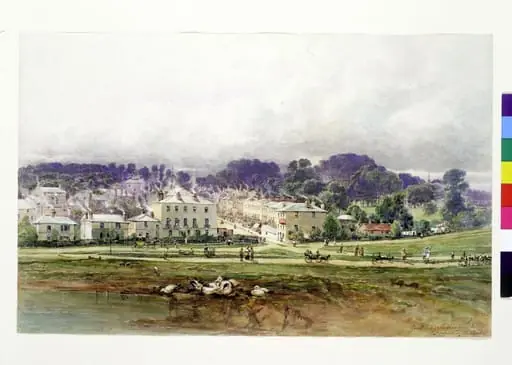 View on Hampstead Heath
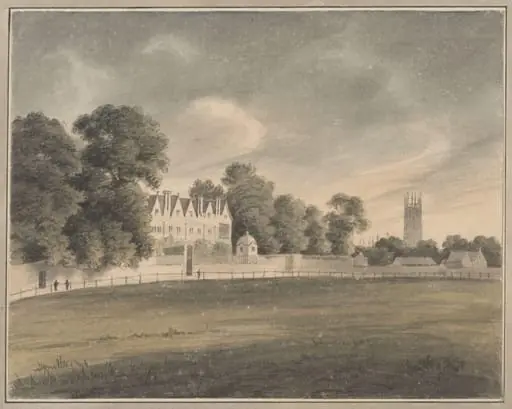 Merton College, Oxford
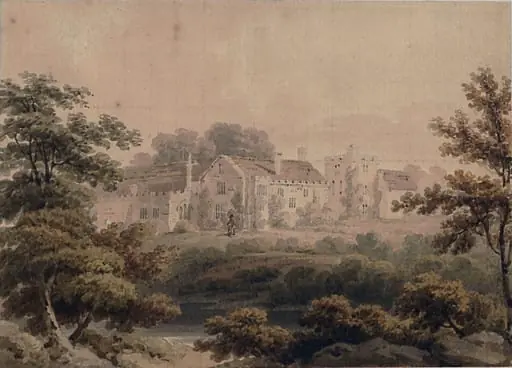 Pooley Hall, Warwickshire
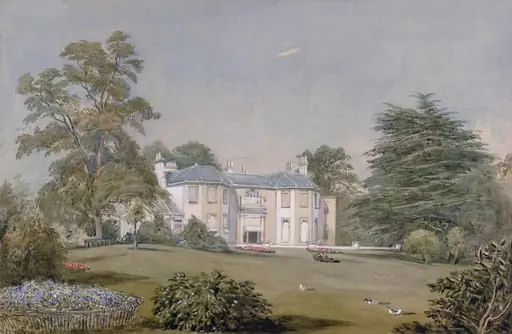 Bohun Lodge, New Barnet
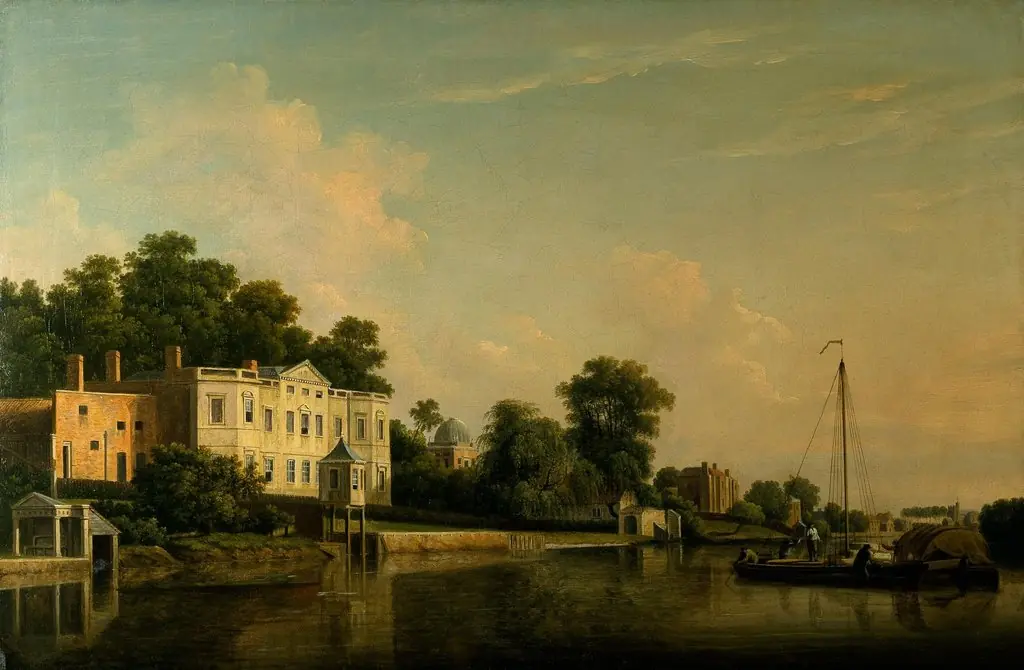 A View of Alexander Pope's Villa, Twickenham, on the Banks of the Thames.