Artwork
Sherwood Forest, Nottinghamshire
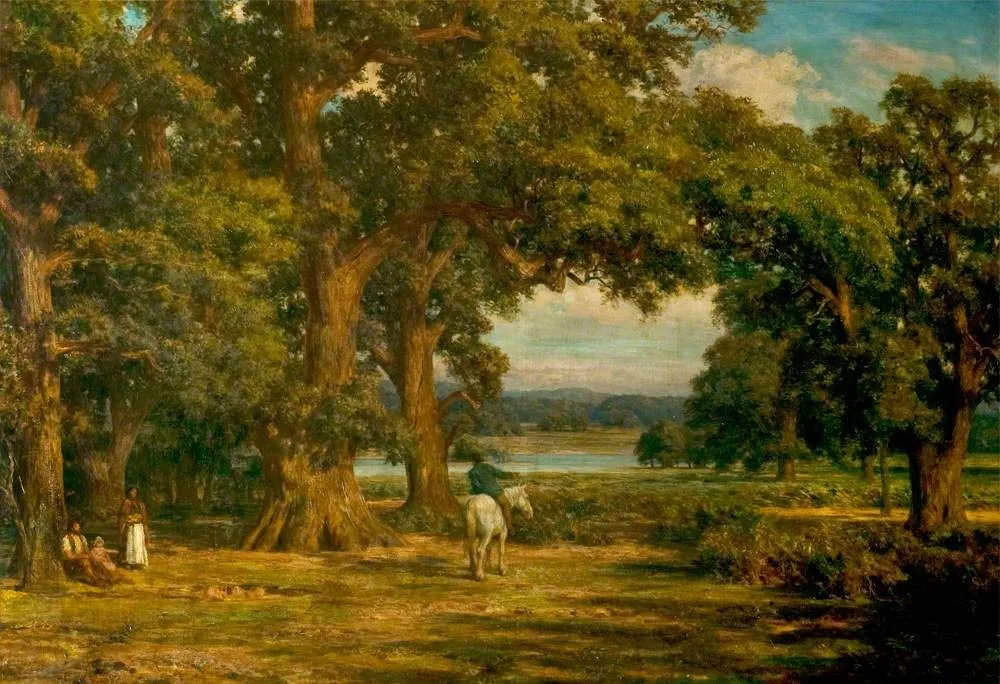
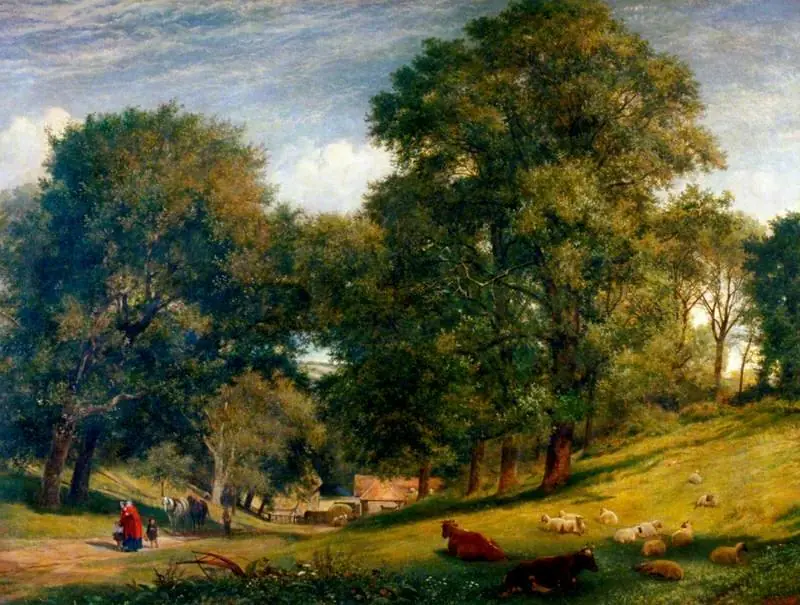
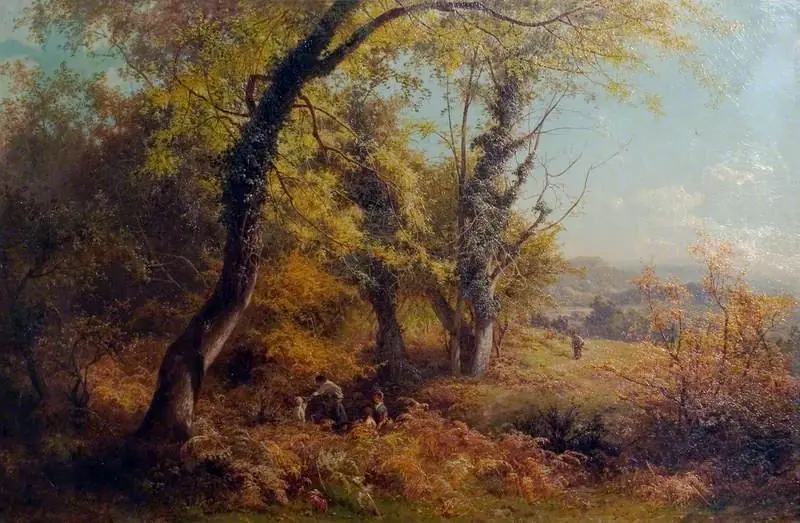
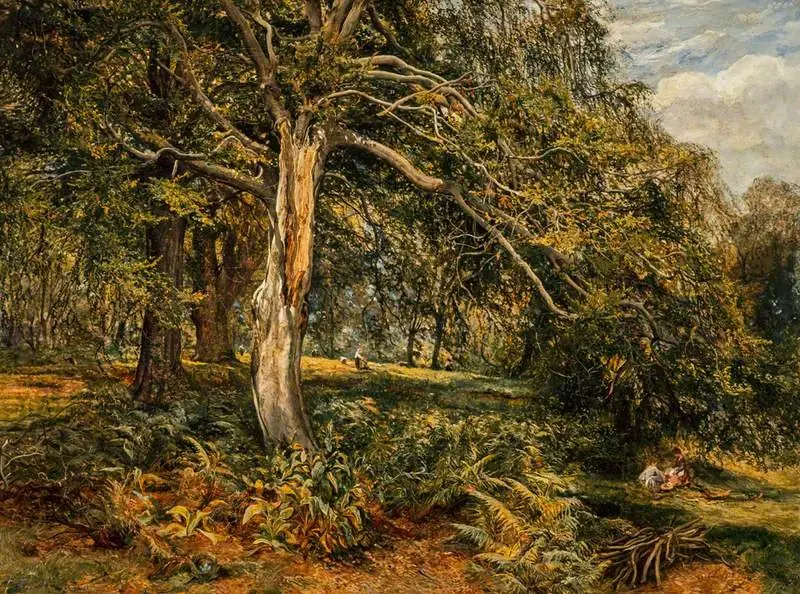
Sherwood Forest, Nottinghamshire is an oil painting by the Impressionist artist Charles Edward Johnson. It dates from 1900 and is held in the collection of the Derby Museum and Art Gallery.
About this work
Overview
The work resides in the collection of Derby Museum and Art Gallery, where it is presented as a representative example of early 20th-century British naturalism.
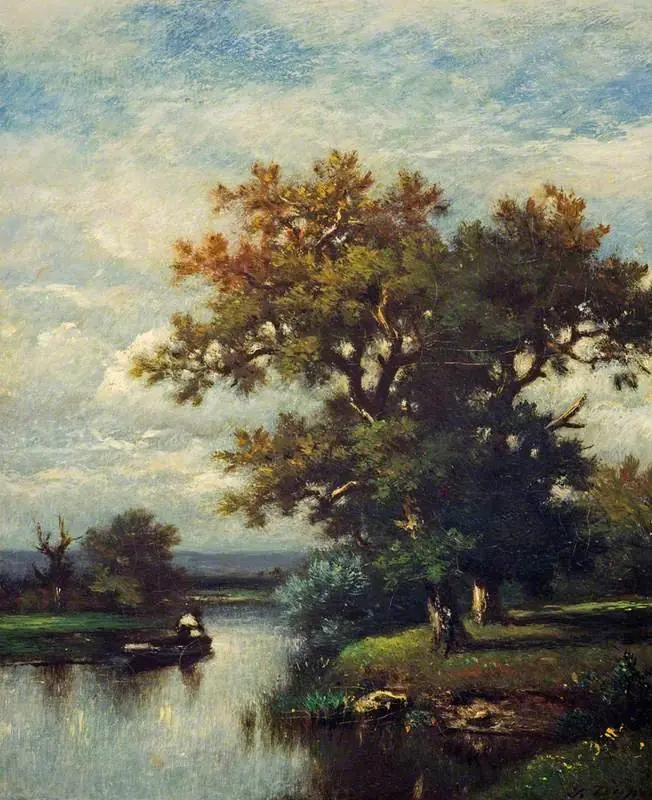
Painted in 1900 by Charles Edward Johnson, Sherwood Forest, Nottinghamshire is an oil on canvas landscape capturing a quiet corner of the famed woodland. The work resides in the collection of Derby Museum and Art Gallery, where it is presented as a representative example of early 20th-century British naturalism. Its composition centers on a massive, ancient tree, anchoring the viewer’s gaze within a broader, softly rendered forest environment.
Subject & Meaning
The painting portrays a tranquil, undisturbed stretch of Sherwood Forest, emphasizing the enduring presence of its oldest trees. A solitary rider on horseback appears in the middle distance, not as a narrative figure but as a subtle indicator of human presence within nature. The scene avoids romanticized legend, instead offering a contemplative view of the forest as a living, breathing space shaped by time and weather.
Technique & Style
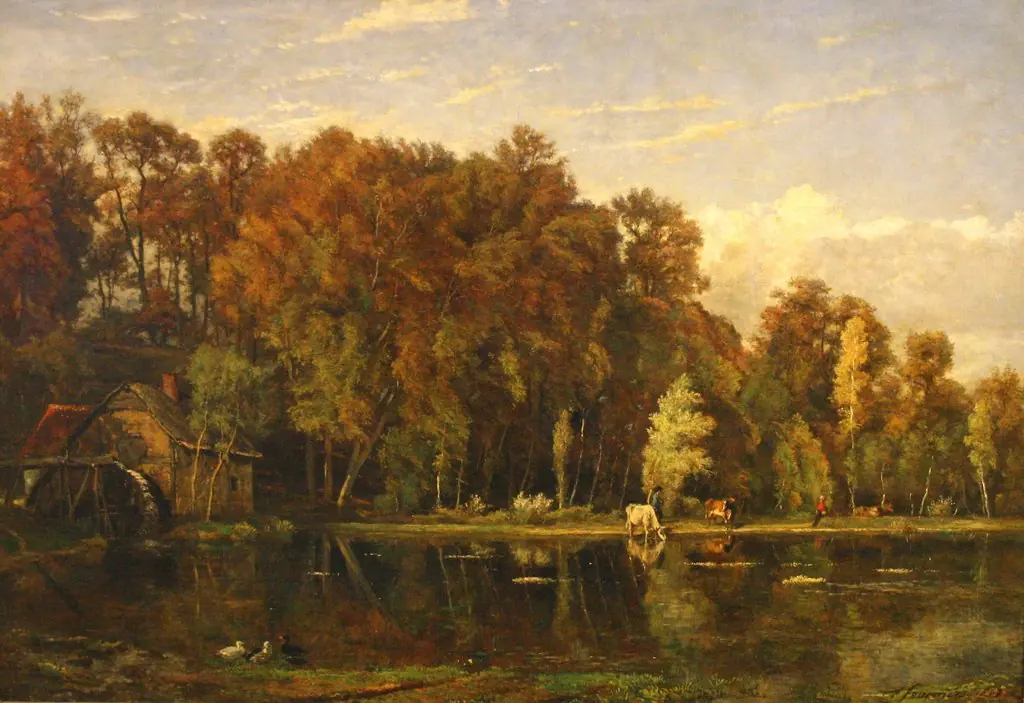
Johnson employed bold, textured brushwork to convey the roughness of bark and the rustle of leaves, avoiding smooth academic finish. Light filters through the canopy in warm, golden tones, creating pockets of glow against shadowed undergrowth. The reflection of foliage in a distant pond adds spatial depth, while the brushstrokes retain a tactile energy, suggesting movement in the wind without overt drama.
History & Provenance
The painting was completed in 1900 and entered the Derby Museum and Art Gallery’s collection shortly thereafter. There is no record of public exhibition prior to its acquisition, nor of private ownership beyond the artist. Its preservation in a regional institution reflects its status as a local subject treated with quiet sincerity rather than national prominence.
Context
Created during a period when British artists increasingly turned to native landscapes as subjects of personal observation, the work aligns with a broader movement away from idealized pastoralism. Sherwood Forest, though steeped in myth, is rendered here without Robin Hood allusions — a deliberate choice to focus on ecological presence rather than folklore.
Legacy
Though not widely reproduced or critically celebrated in its time, the painting remains a quiet testament to Johnson’s sensitivity to natural form. It contributes to the regional art historical record of Nottinghamshire’s landscapes, offering a grounded, unembellished vision of a forest that continues to shape local identity.
Artist & collection