Artwork
Riverbank in Spring
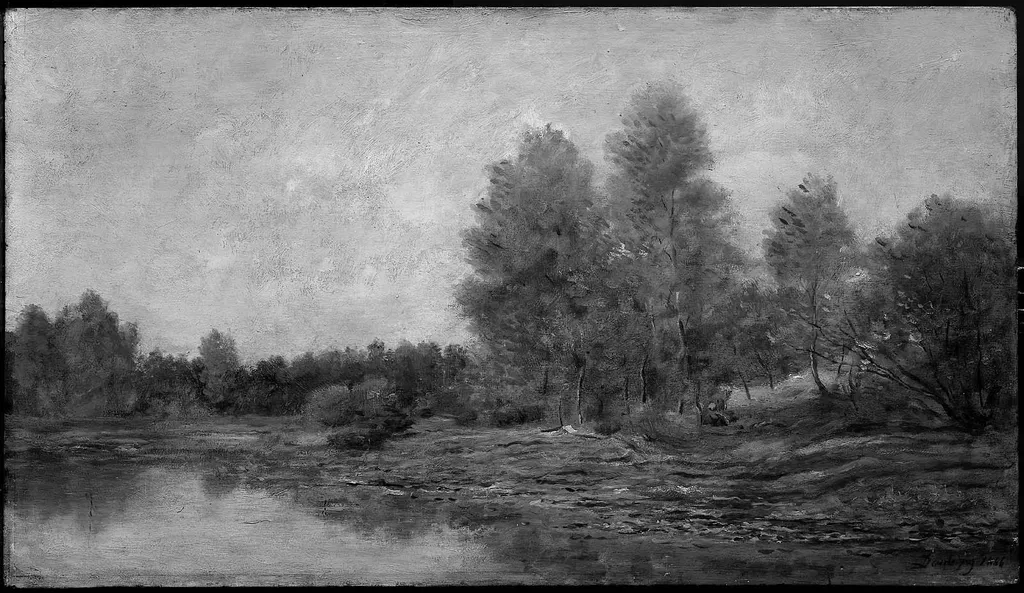
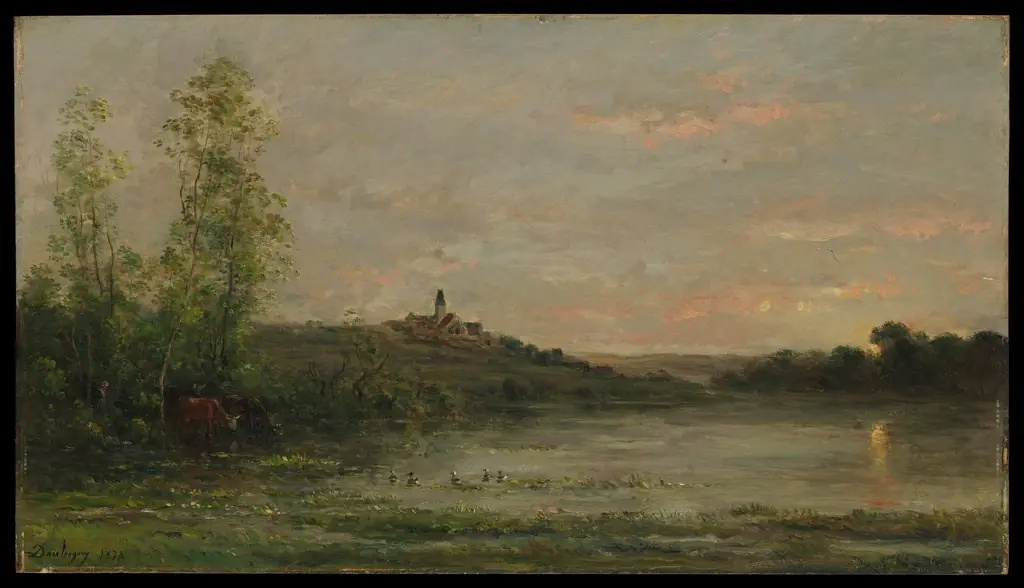
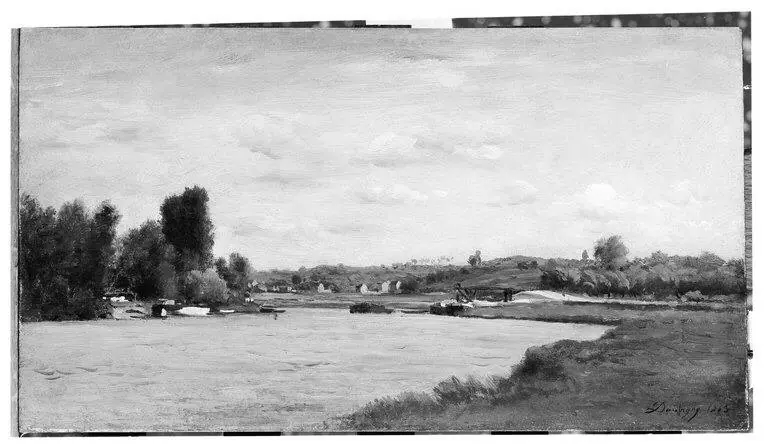
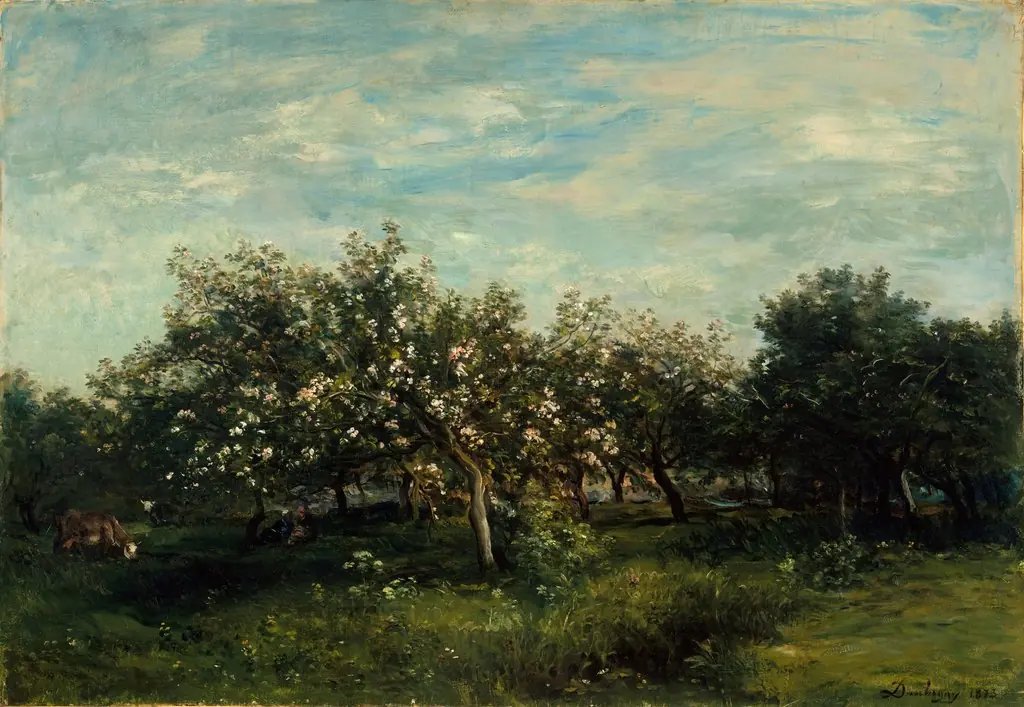
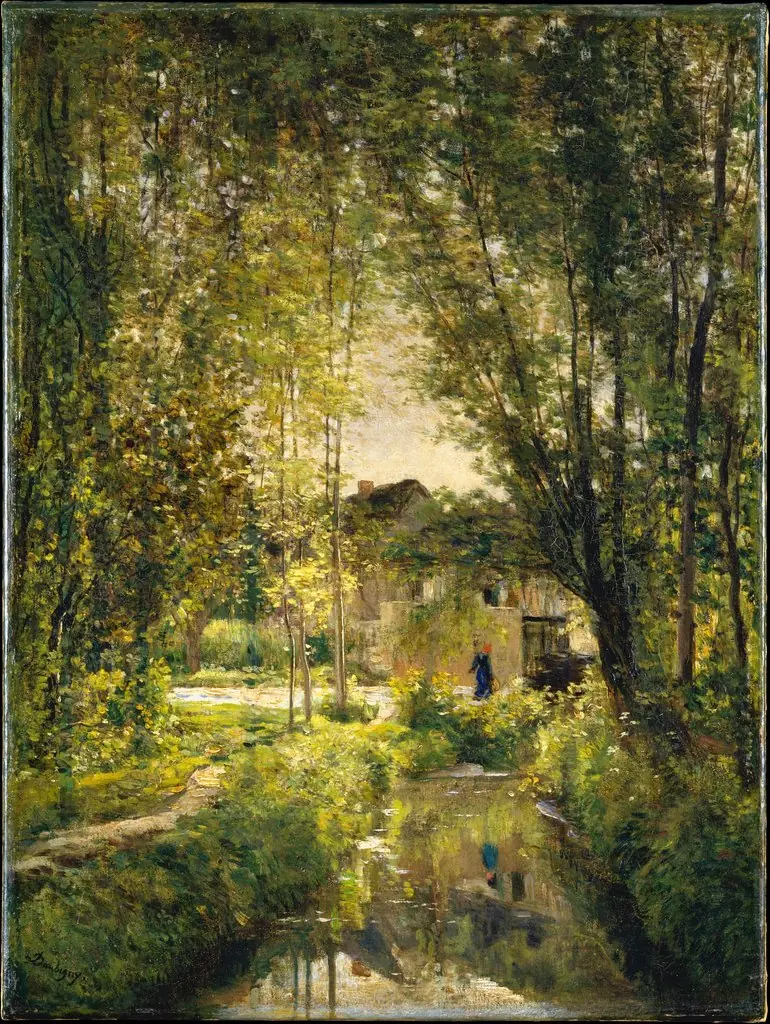
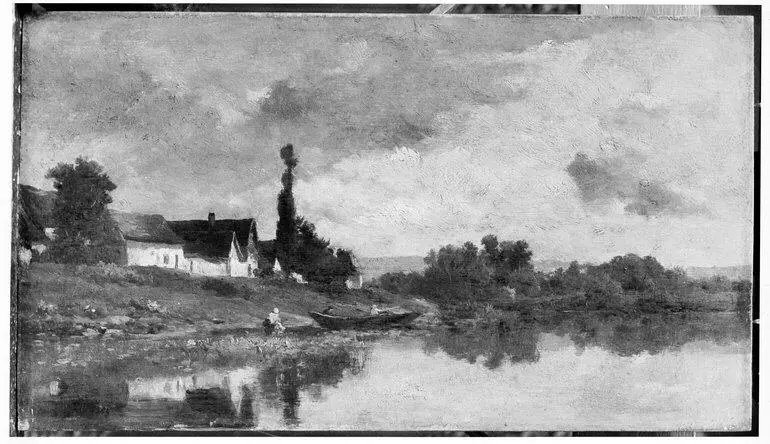
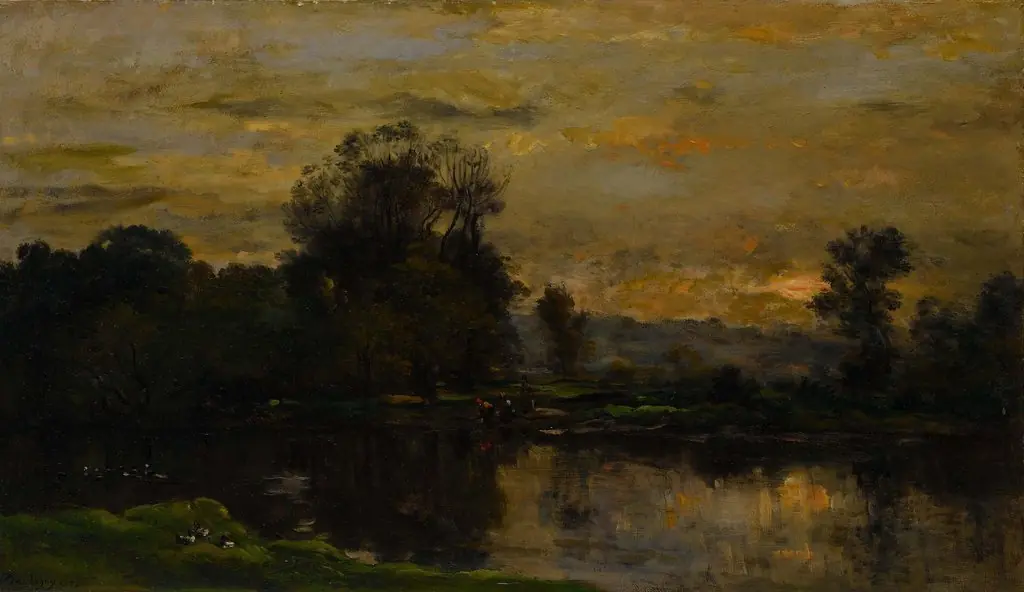
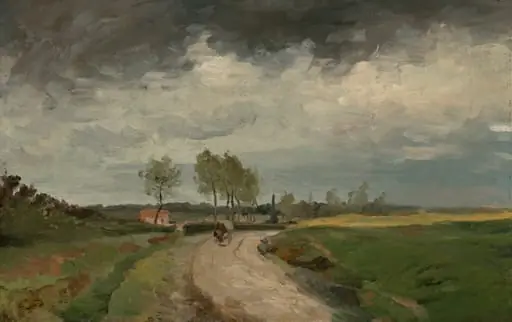
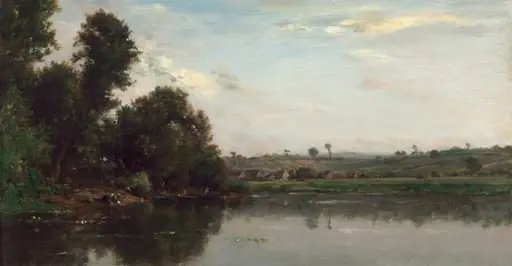
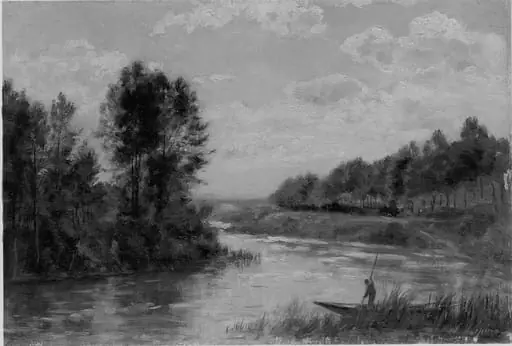
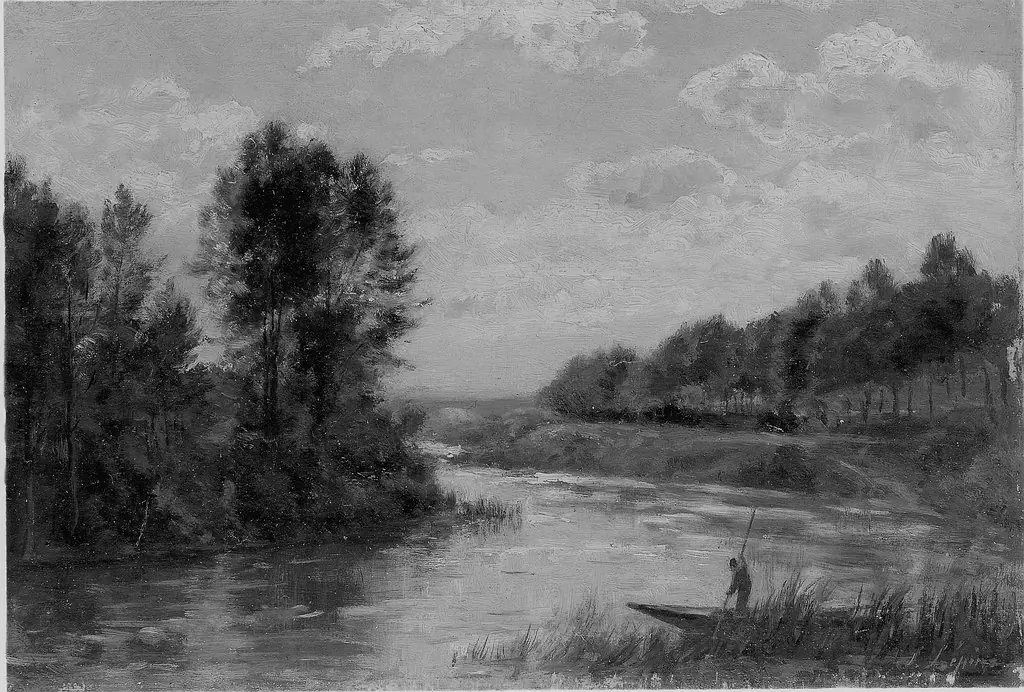
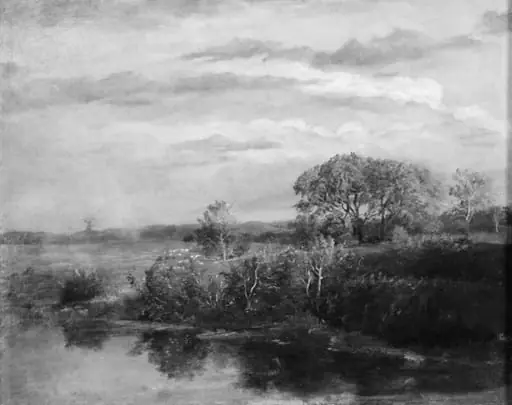
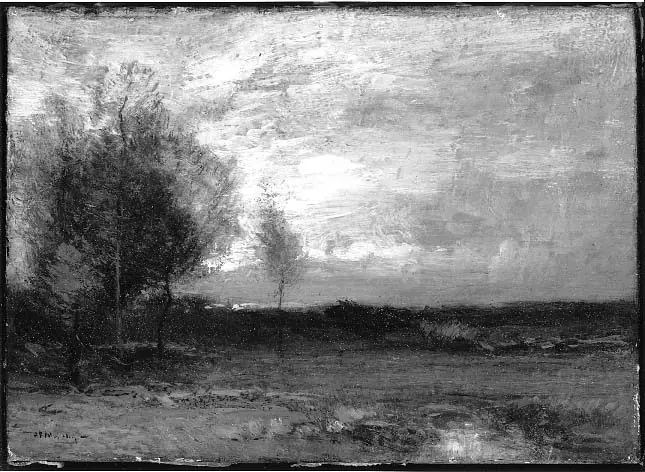
Riverbank in Spring is an unspecified painting by the Barbizon school artist Charles François Daubigny. It dates from 1857 and is held in the collection of the Museum of Fine Arts Boston.
About this work
Overview
Painted around 1857, *Riverbank in Spring* is a landscape by Charles François Daubigny, a central figure in the Barbizon school.
Painted around 1857, *Riverbank in Spring* is a landscape by Charles François Daubigny, a central figure in the Barbizon school. The work captures a quiet riverside in early spring, emphasizing natural light and atmospheric detail. Daubigny’s approach to outdoor observation and direct brushwork positioned him as a bridge between traditional landscape painting and the emerging Impressionist movement.
Subject & Meaning
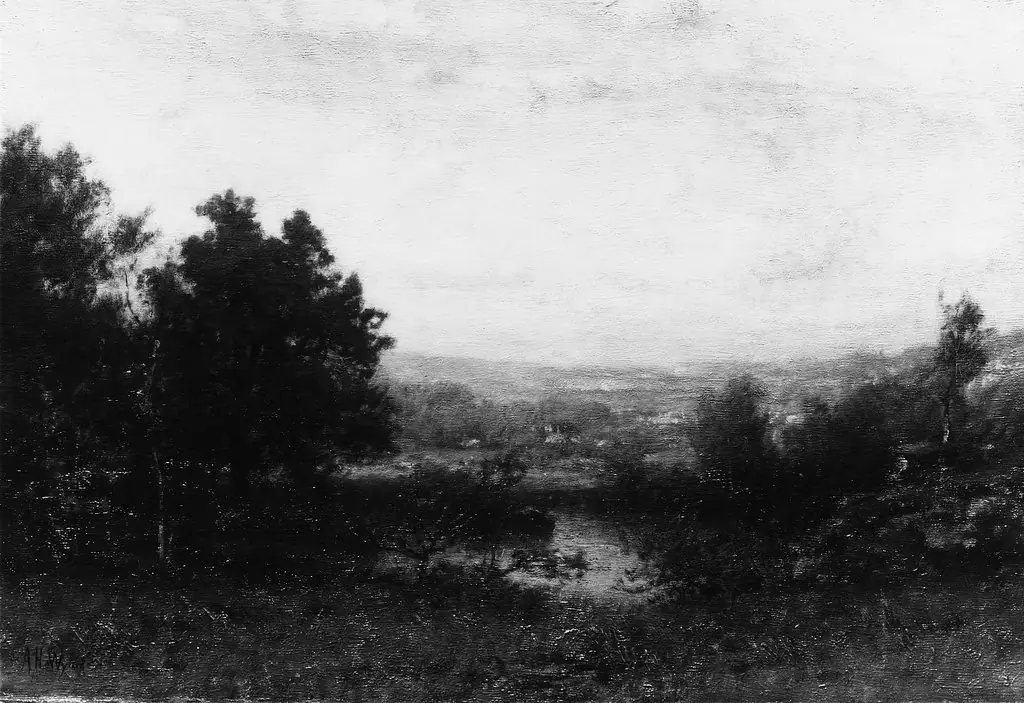
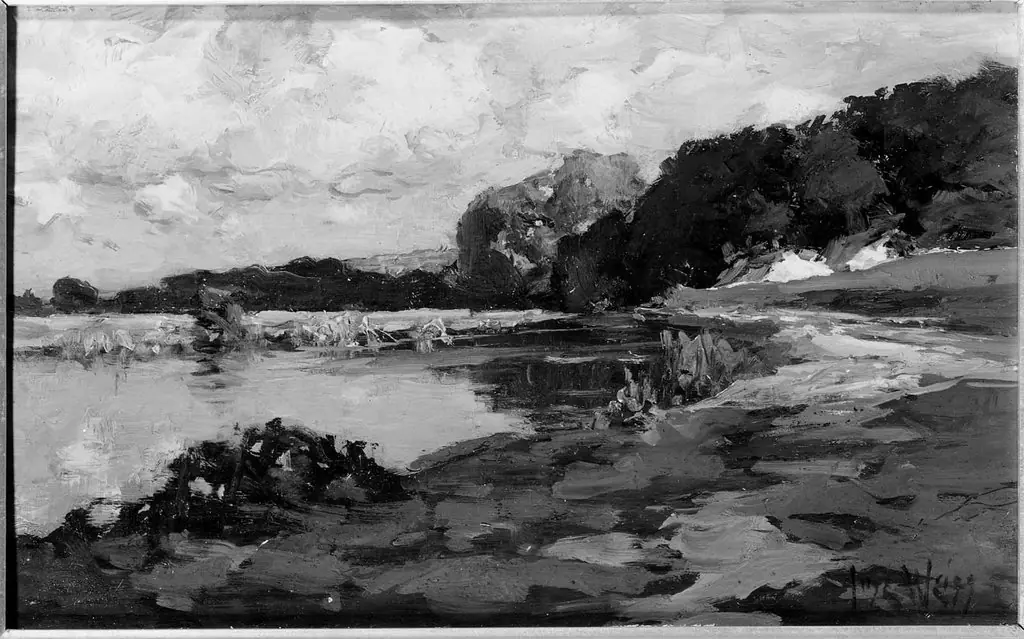
The painting presents an unidealized stretch of riverbank, alive with seasonal growth and subtle shifts in light. There is no human presence, reinforcing the Barbizon emphasis on nature as a subject worthy of quiet contemplation. The gentle flow of water and soft canopy of trees evoke a sense of tranquil continuity, reflecting a reverence for the everyday rhythms of the natural world.
Technique & Style
Daubigny employed loose, responsive brushwork to convey texture in foliage and the shimmer of water. His palette favors muted greens and earth tones, enlivened by delicate highlights from the sun filtering through clouds. The handling of light suggests a sensitivity to transient effects, anticipating Impressionist concerns, while maintaining a structured composition rooted in observation rather than sentiment.
History & Provenance
The painting entered the collection of the Museum of Fine Arts, Boston, where it remains today. While its early ownership history is not fully documented, its inclusion in a major American institution reflects its recognition within 19th-century landscape traditions. Daubigny’s reputation as a painter of rural France and his influence on younger artists contributed to its preservation and scholarly attention.
Context
In the 1850s, French artists increasingly turned away from historical and mythological themes to depict the countryside near Fontainebleau. Daubigny, working outdoors with his easel, helped shift landscape painting toward immediacy and authenticity. His practice of painting en plein air and his focus on ordinary scenes aligned with broader cultural interests in nature and rural life during this period.
Legacy
Daubigny’s emphasis on direct observation and atmospheric nuance influenced a generation of painters, including Monet and Pissarro. Though less celebrated than his successors, his work laid foundational techniques for capturing light and movement in nature. *Riverbank in Spring* exemplifies his role in transforming landscape painting from idealized composition to intimate, sensory experience.
Artist & collection
Artist
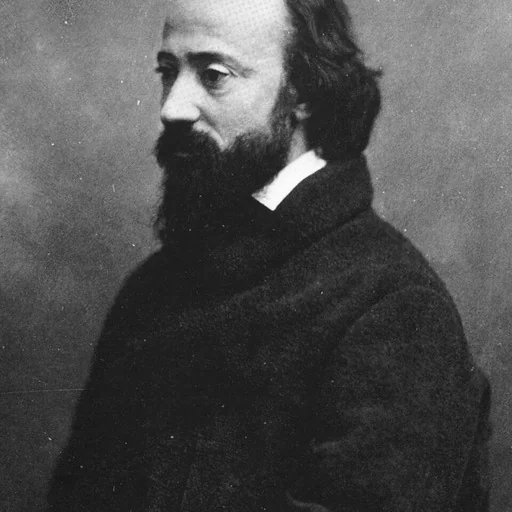
Charles-François Daubigny ( DOH-bin-yee, US: DOH-been-YEE, doh-BEEN-yee, French: ; 15 February 1817 – 19 February 1878) was a French painter, one of the members of the Barbizon school, and is considered an important precursor of…