Artwork
Tompkins Matteson
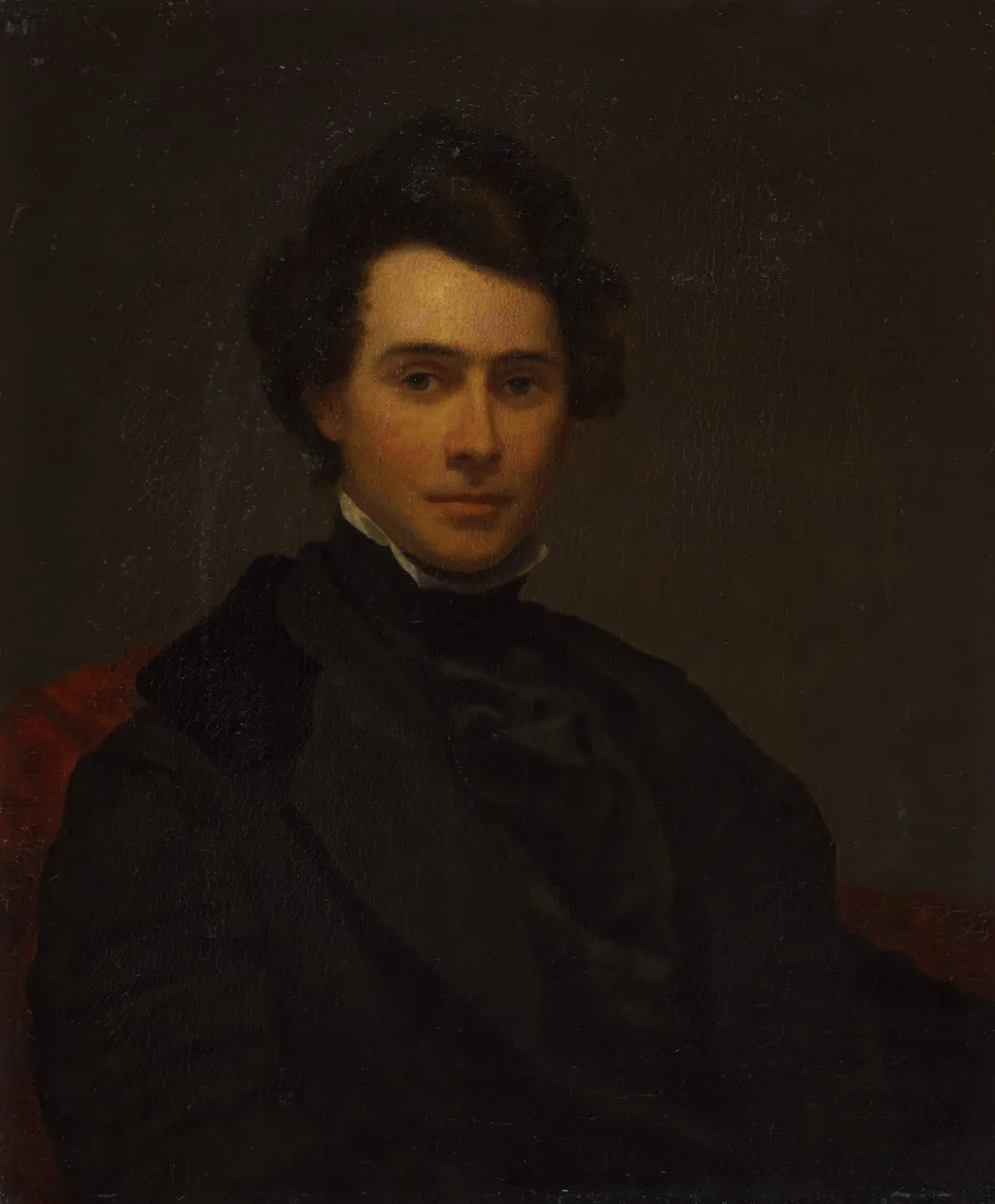
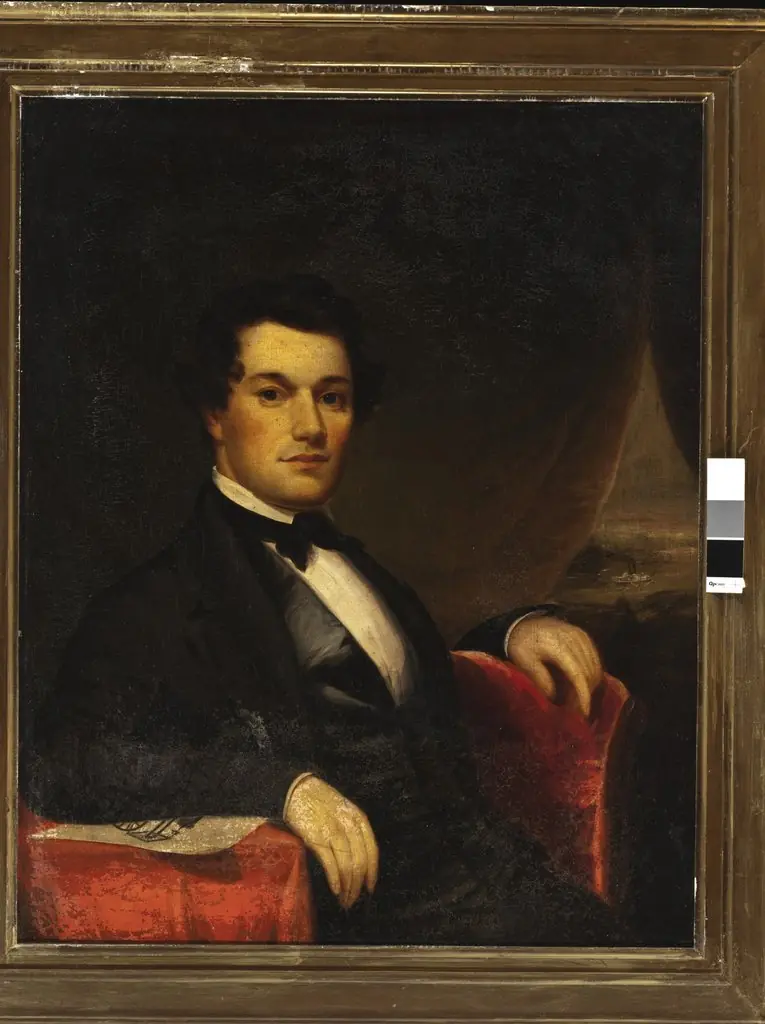
Tompkins Matteson is an unspecified painting by the American Folk Art artist Charles Loring Elliott. It dates from 1840 and is held in the collection of the Cleveland Museum of Art.
About this work
Overview
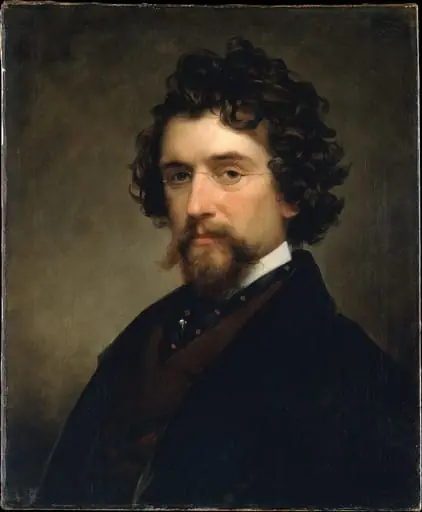
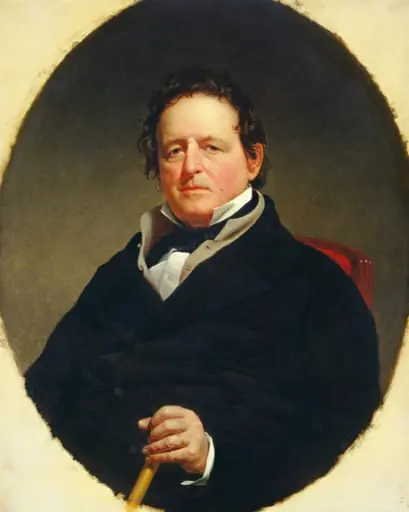
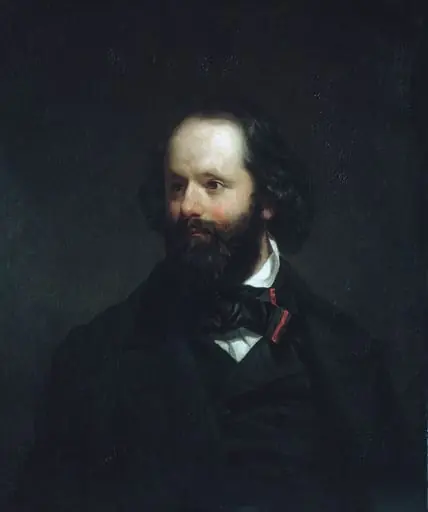
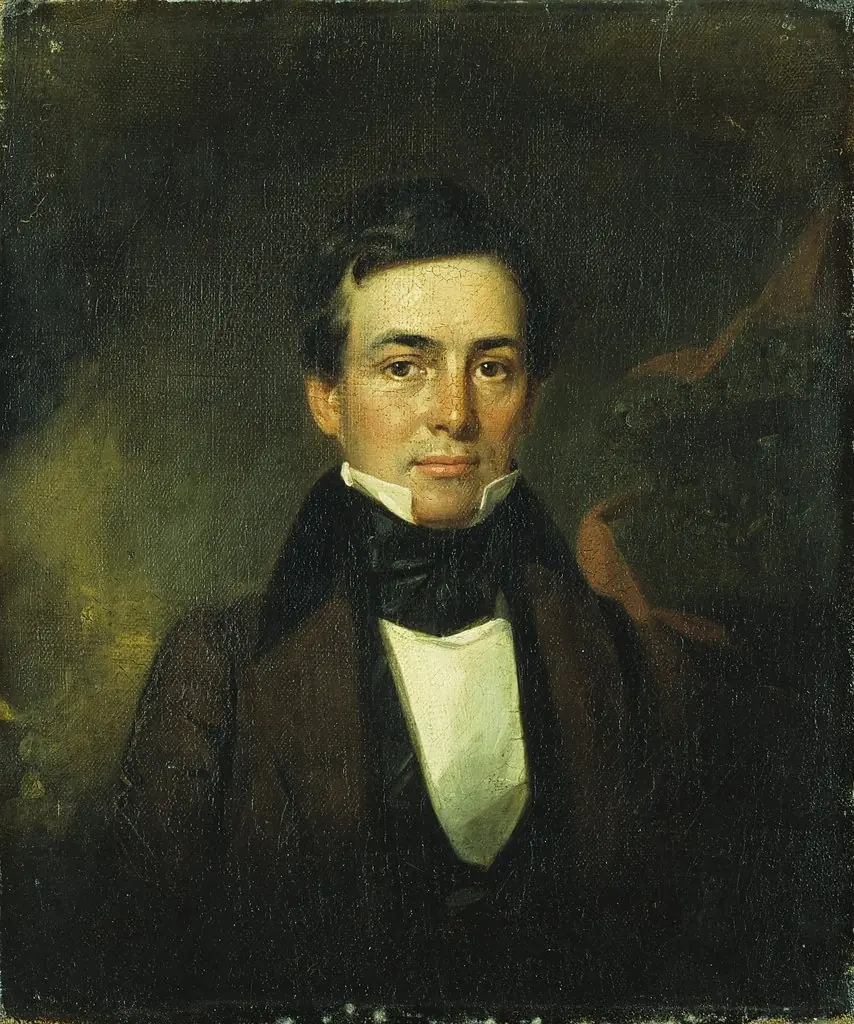
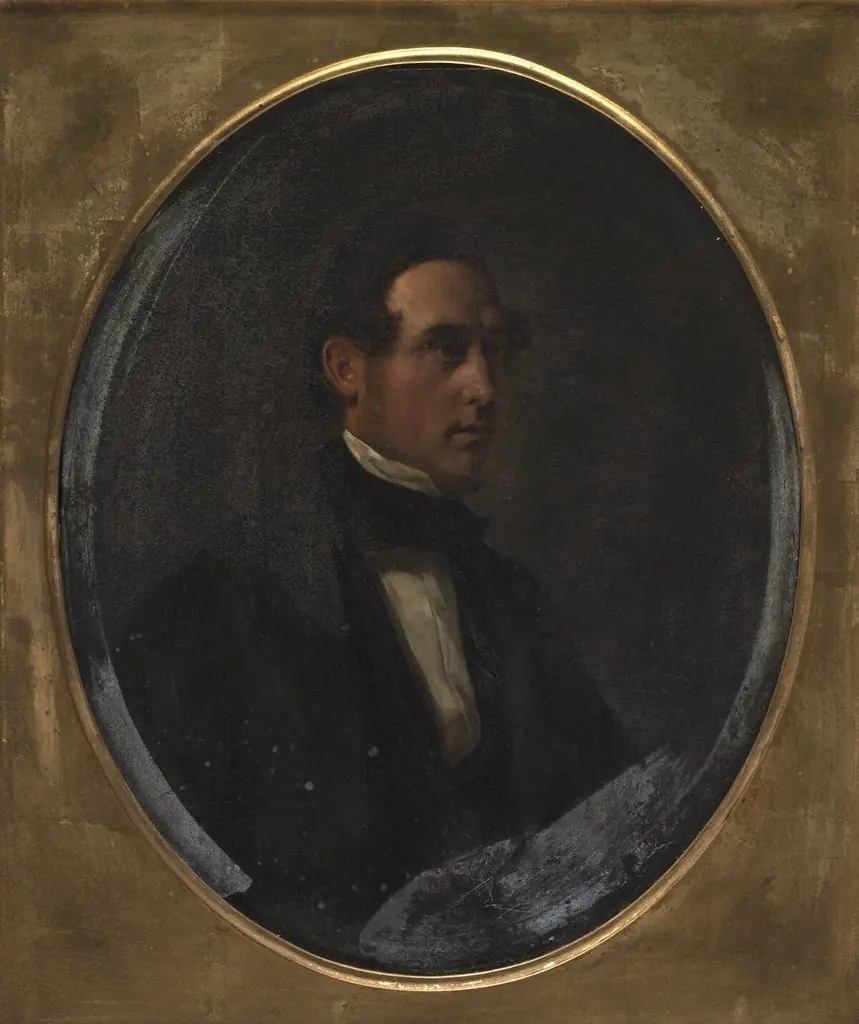
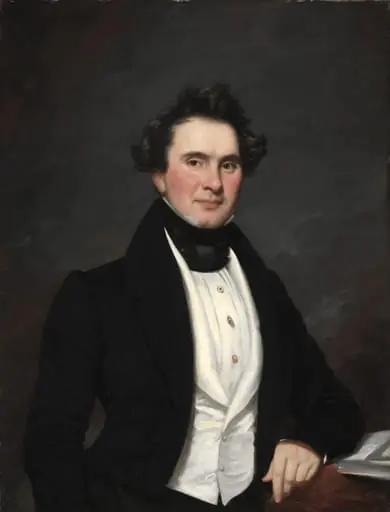
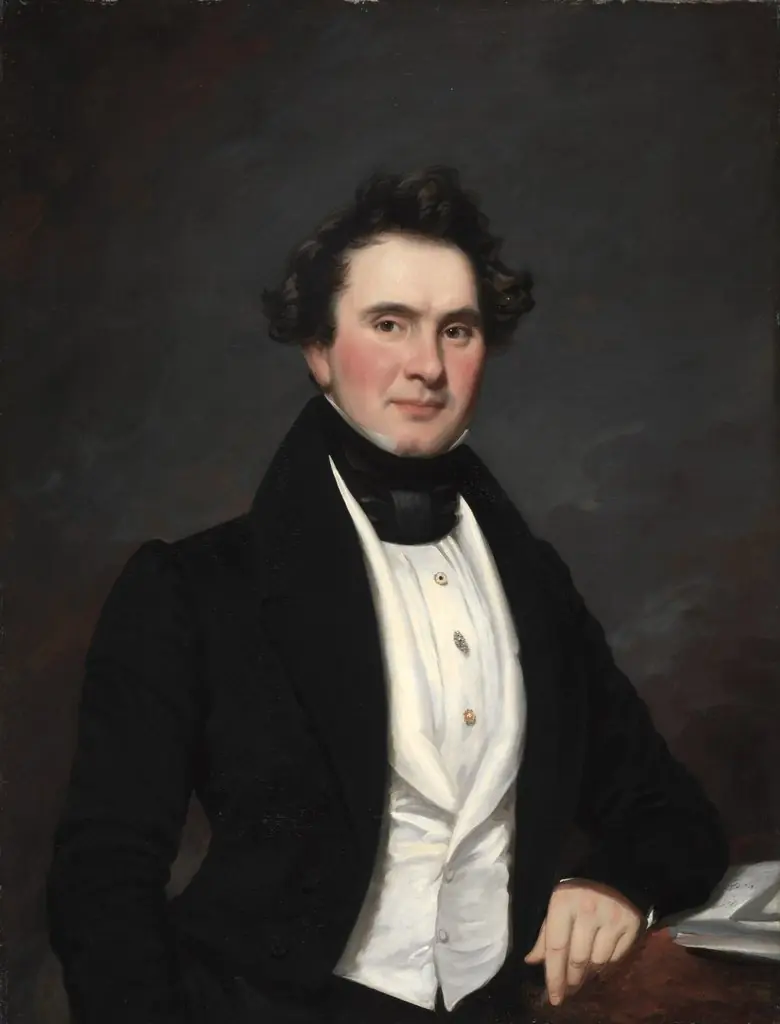
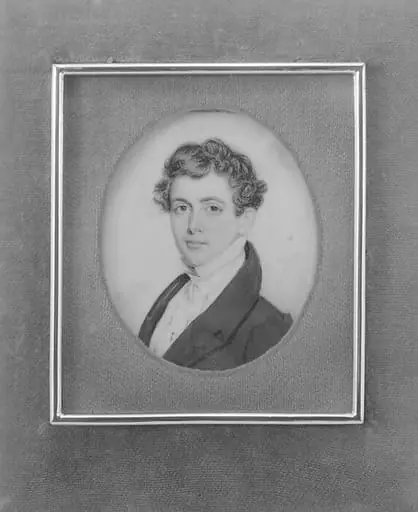
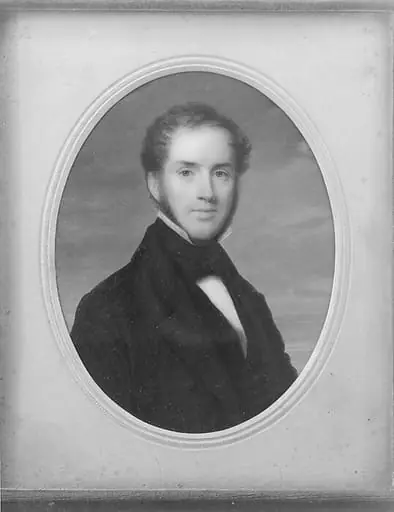
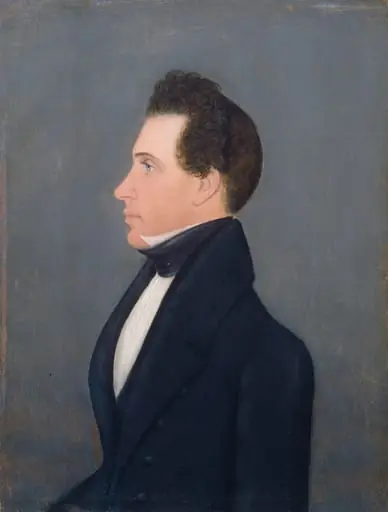
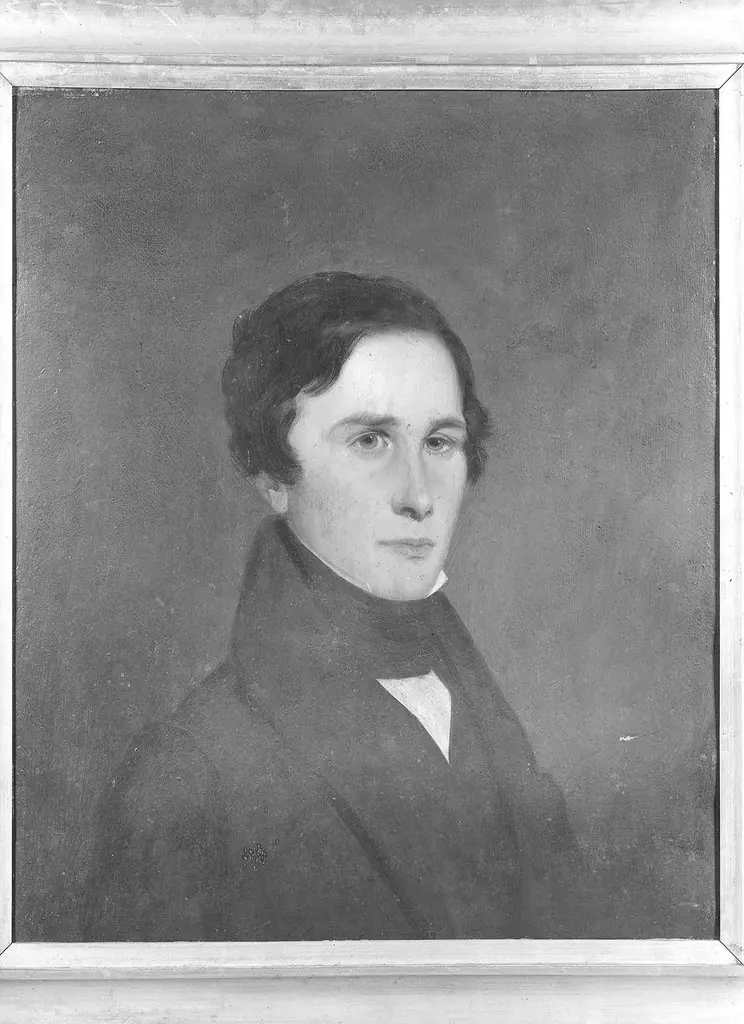
Created circa 1840, this portrait depicts a middle‑aged man named Tompkins Matteson. Rendered in oil on canvas, the work presents the sitter in a plain black coat against a dark, receding background, his face illuminated by a soft frontal light that draws immediate attention to his serious expression.
Subject & Meaning
Matteson is portrayed with dark, tightly curled hair and a sober demeanor, suggesting a figure of modest standing or professional respectability. The restrained composition, lacking ornamental props, focuses on his personal character, inviting viewers to consider the individual’s inner life rather than external status.
Technique & Style
Elliott employs a pronounced chiaroscuro, using stark light‑and‑shadow contrasts to model the face and give it a three‑dimensional presence. The skin tones are rendered with smooth, warm brushwork, a subtle reddish edge near the canvas margin adding vitality, while the background fades into deep shadow, a common approach in early‑mid‑19th‑century American portraiture.
History & Provenance
The portrait was executed by Charles Loring Elliott, an artist who began his practice in central New York before moving to New York City in 1845 to expand his clientele. Elliott’s growing reputation led to his election to the National Academy of Design in 1846, situating this work within the formative period of his career.
Artist & collection

Artist
Charles Loring Elliott (1812 – 1868) was an American painter known for his portraits.