Artwork
Interior of a Spanish 'Posada'
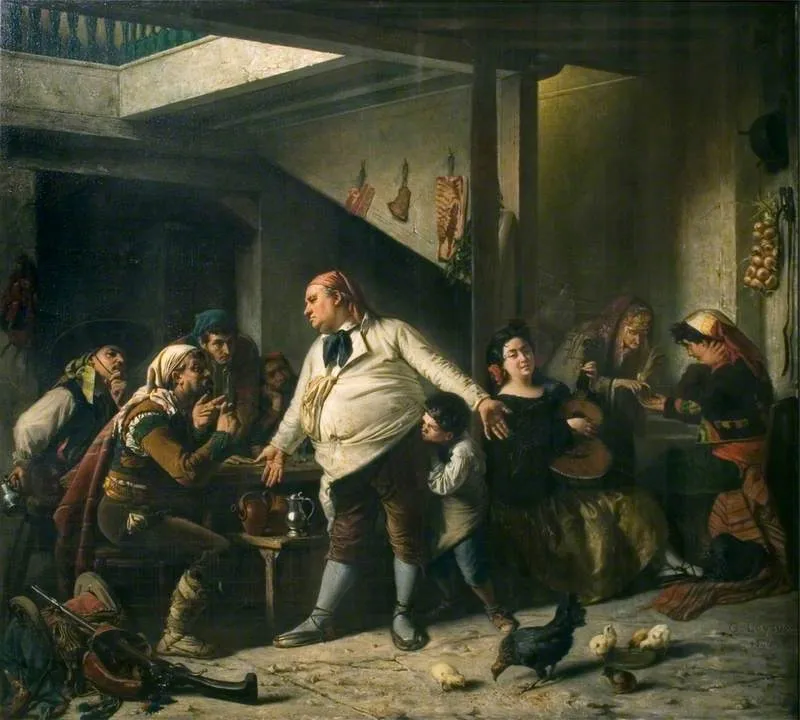
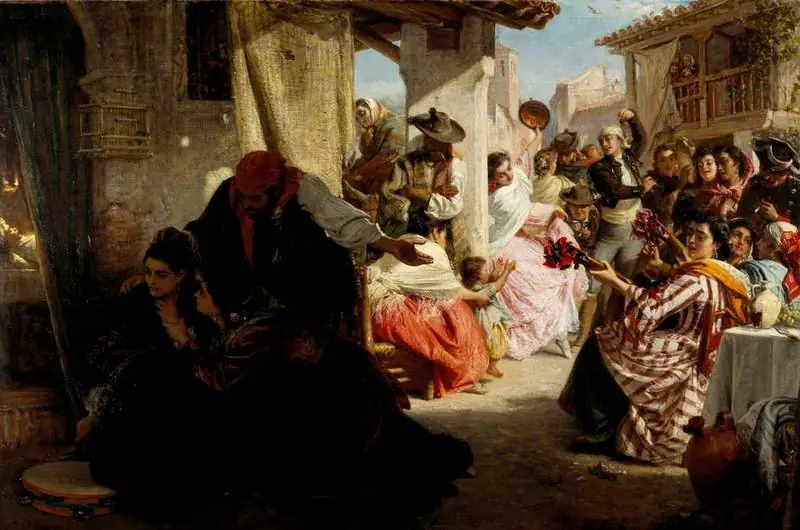
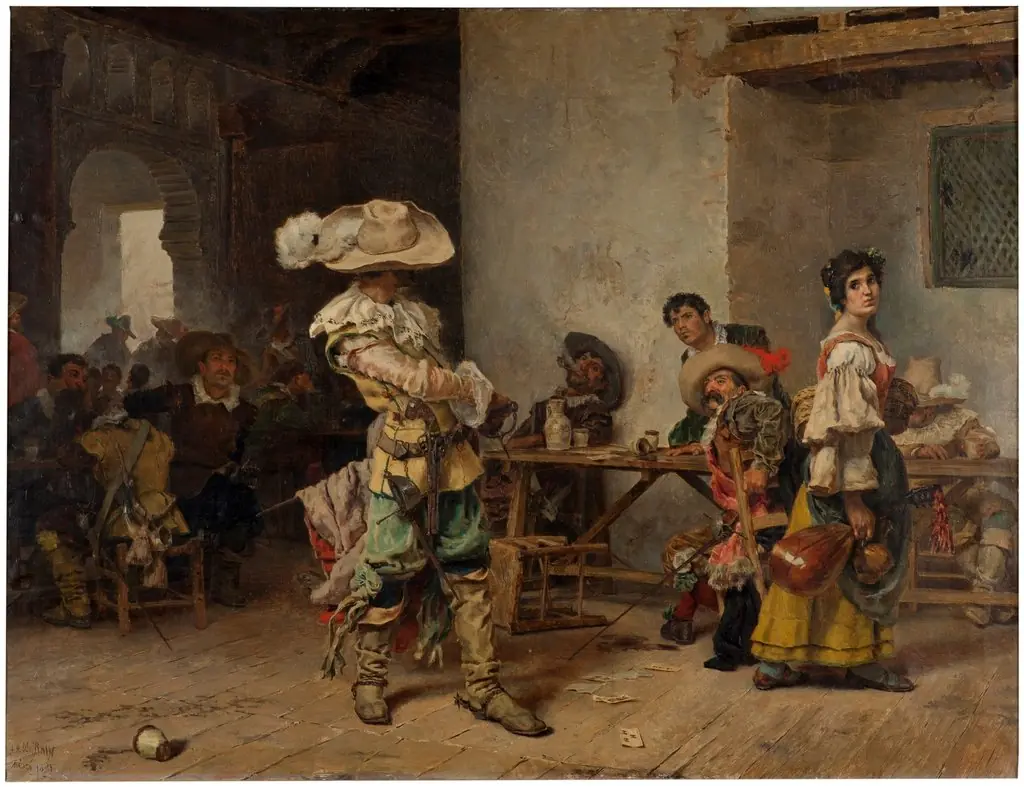
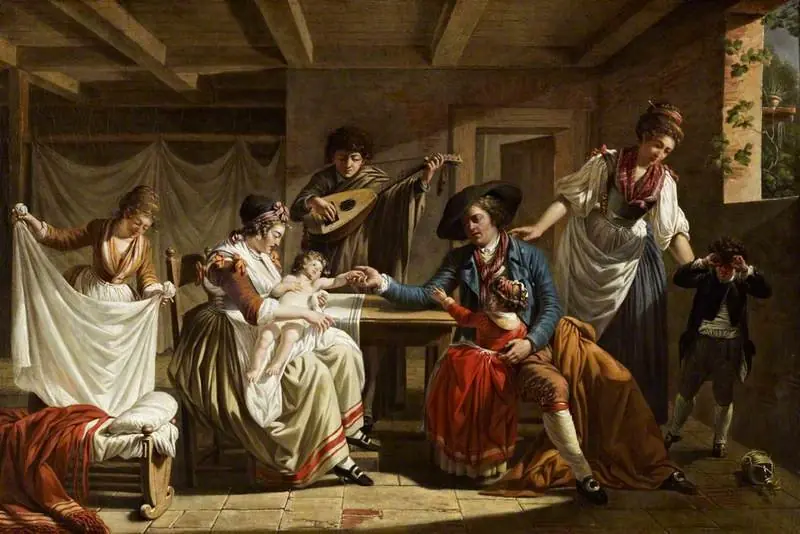
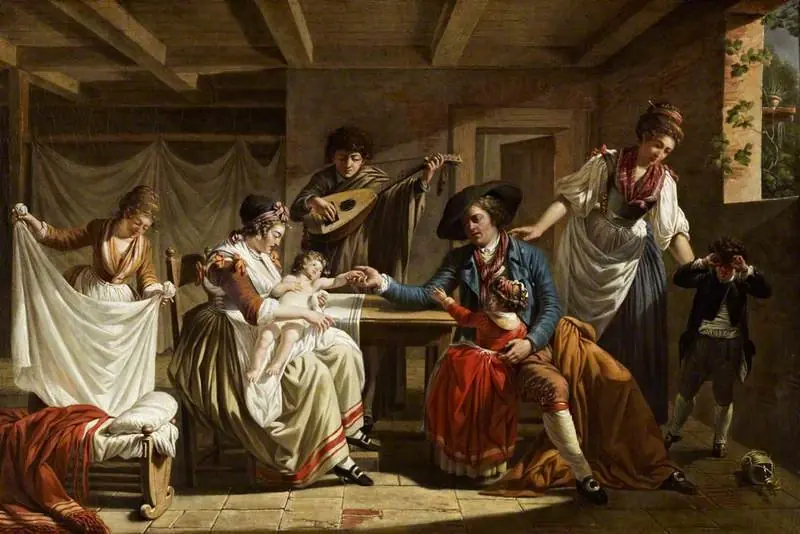
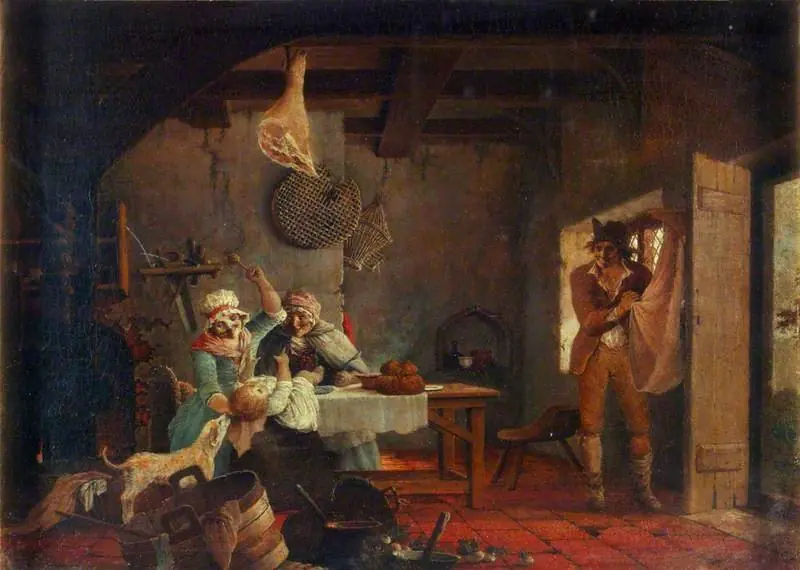
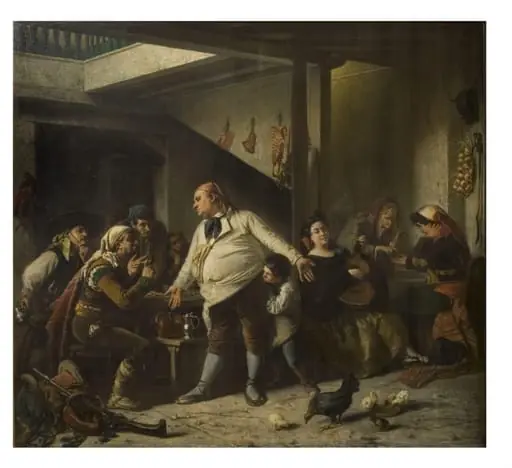
Interior of a Spanish 'Posada' is an oil painting by the Realist artist Charles Loyeux. It dates from 1864 and is held in the collection of the Victoria and Albert Museum.
About this work
Overview
Painted in 1864 by Charles Loyeux, this oil on canvas depicts an interior of a Spanish posada—a traditional roadside inn. The scene captures a moment of everyday social life, rendered with attention to the interactions of its patrons. The work is part of the Victoria and Albert Museum’s collection, where it reflects 19th-century European interest in Spanish vernacular culture.
Subject & Meaning
The composition suggests camaraderie and shared experience, emphasizing the posada as a hub of community rather than merely a place of rest.
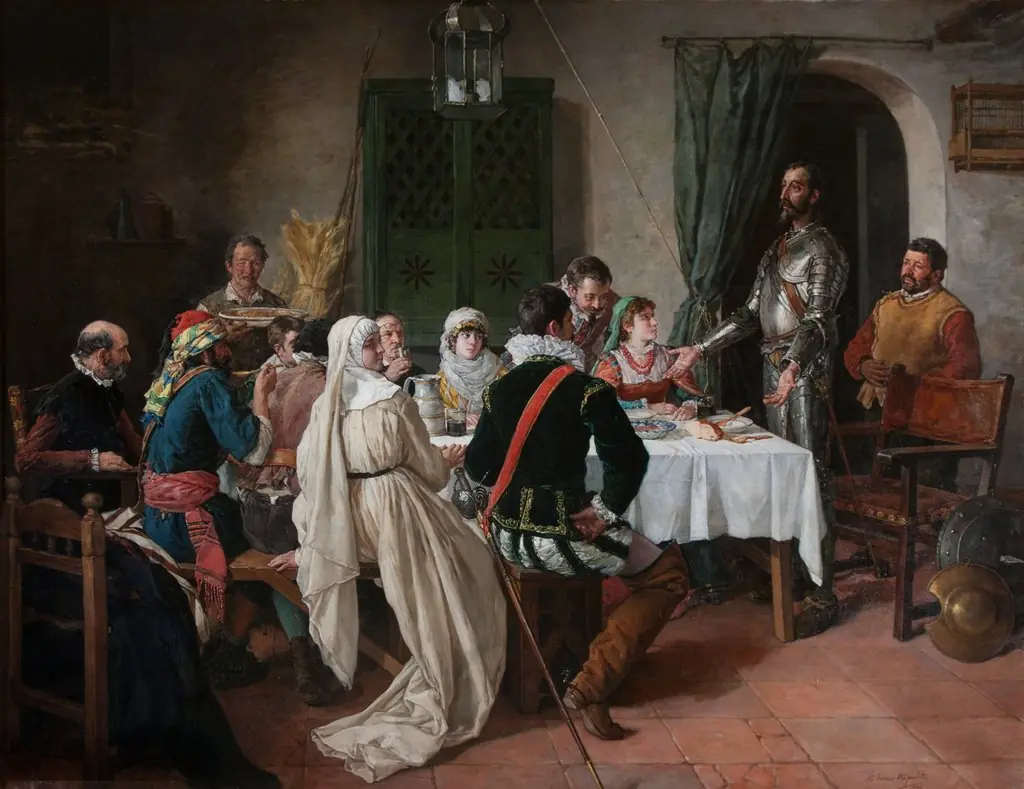
The painting portrays a group of individuals gathered in a modest interior, engaged in conversation, eating, and drinking. A central figure, distinguished by a red headscarf and light clothing, appears to be the focus of attention, possibly recounting a tale. The composition suggests camaraderie and shared experience, emphasizing the posada as a hub of community rather than merely a place of rest.
Technique & Style
Loyeux employs soft, warm lighting to unify the space, casting gentle shadows that enhance the intimacy of the scene. Brushwork is loose yet deliberate, capturing texture in clothing and surfaces without excessive detail. The palette favors earth tones with accents of red and ochre, reinforcing the rustic setting. The perspective draws the viewer into the room, creating a sense of immersion.
History & Provenance
The painting was completed in 1864 and entered the Victoria and Albert Museum’s collection shortly thereafter. Little is documented about its early ownership, but its acquisition aligns with the museum’s broader 19th-century efforts to collect genre scenes from across Europe. It has remained in the museum’s holdings since, with no known public exhibitions beyond its inclusion in permanent displays.
Context
During the mid-1800s, European artists increasingly turned to Spanish life as a subject, drawn by its perceived authenticity and vivid customs. Loyeux’s work fits within this trend, reflecting Romantic-era fascination with regional identity. Unlike grand historical narratives, this scene values quiet human interaction, offering a quiet counterpoint to more dramatic contemporary styles.
Legacy
Though Charles Loyeux is not widely known today, this painting endures as a modest example of 19th-century genre painting focused on Spanish daily life. It contributes to the historical record of how foreign artists interpreted Iberian culture, preserving a visual record of social spaces that have since changed or disappeared. Its quiet realism continues to offer insight into ordinary moments of the past.
Artist & collection