Artwork
The Right Honourable John Bright (1811–1889), MP
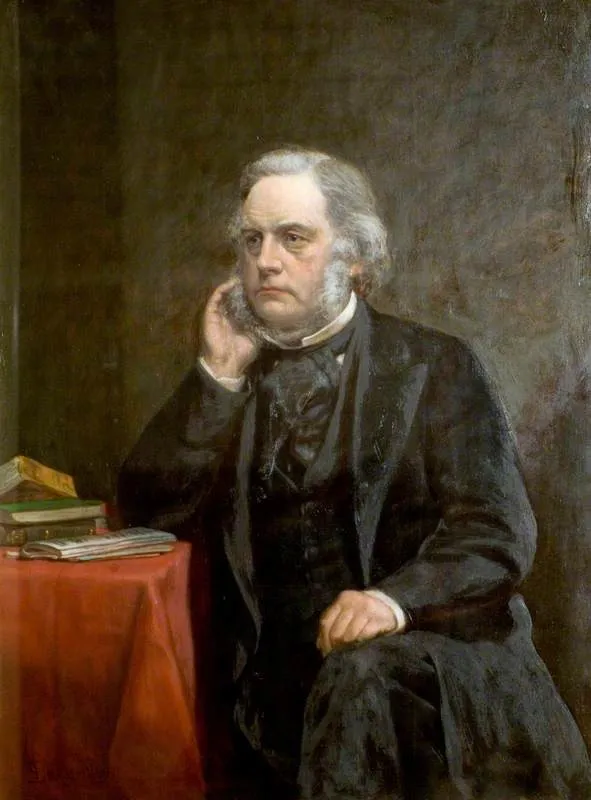
The Right Honourable John Bright (1811–1889), MP is an oil painting by the Realist artist Charles Lucy. It dates from 1869 and is held in the collection of the Victoria and Albert Museum.
About this work
If you're interested in learning more about the artist behind this work, you might want to look up Charles Lucy.
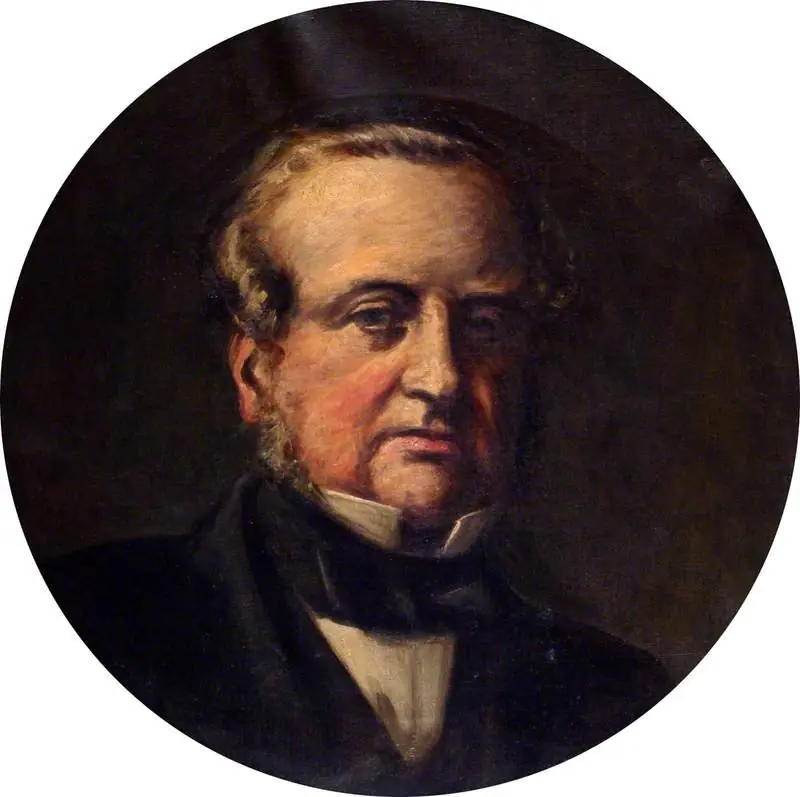
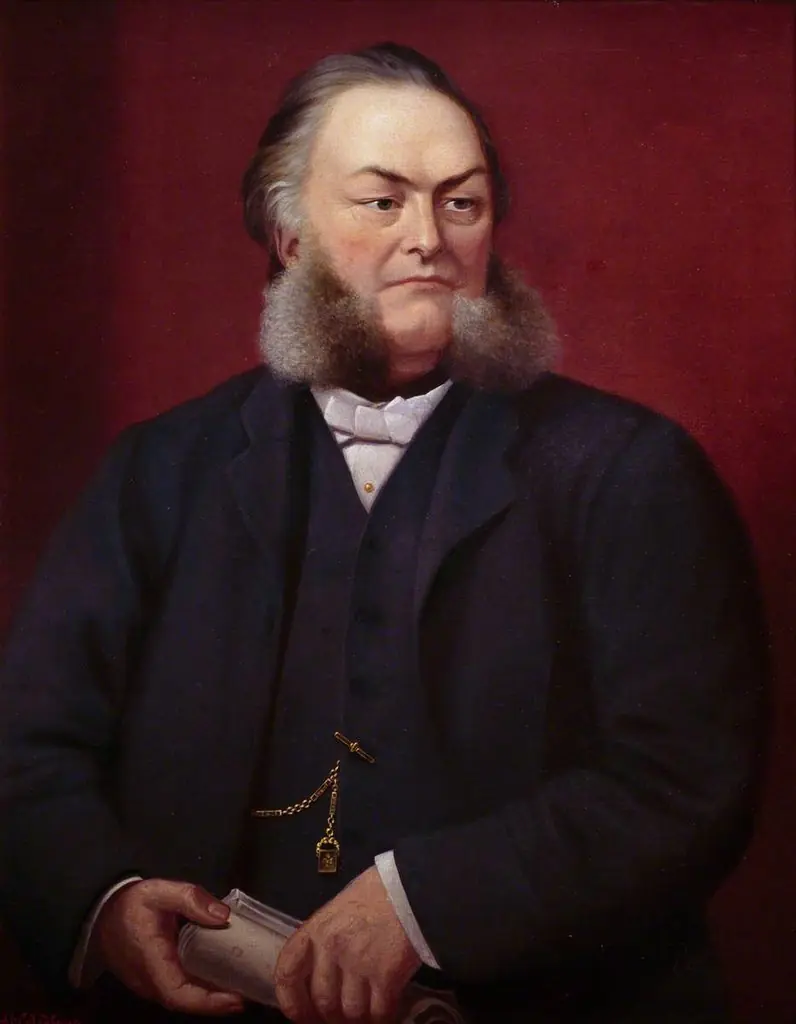
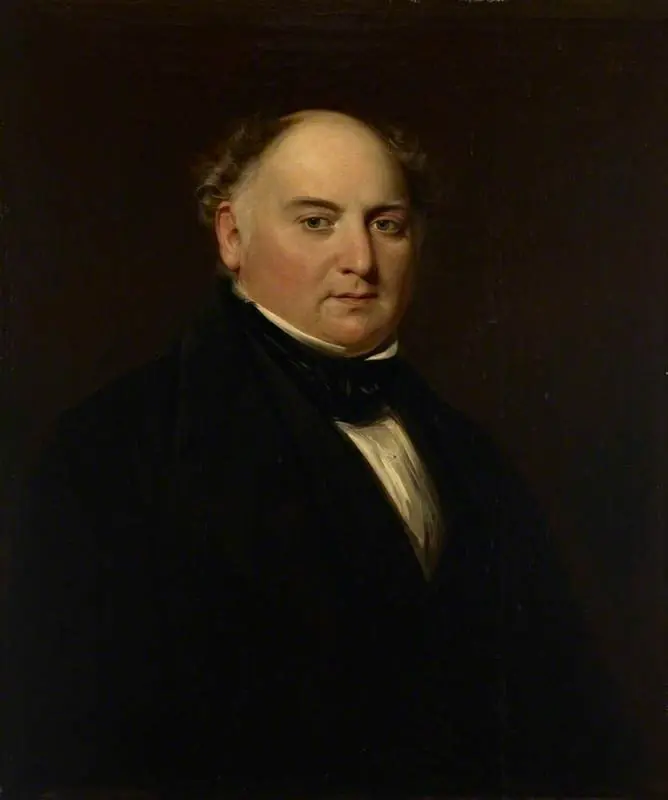
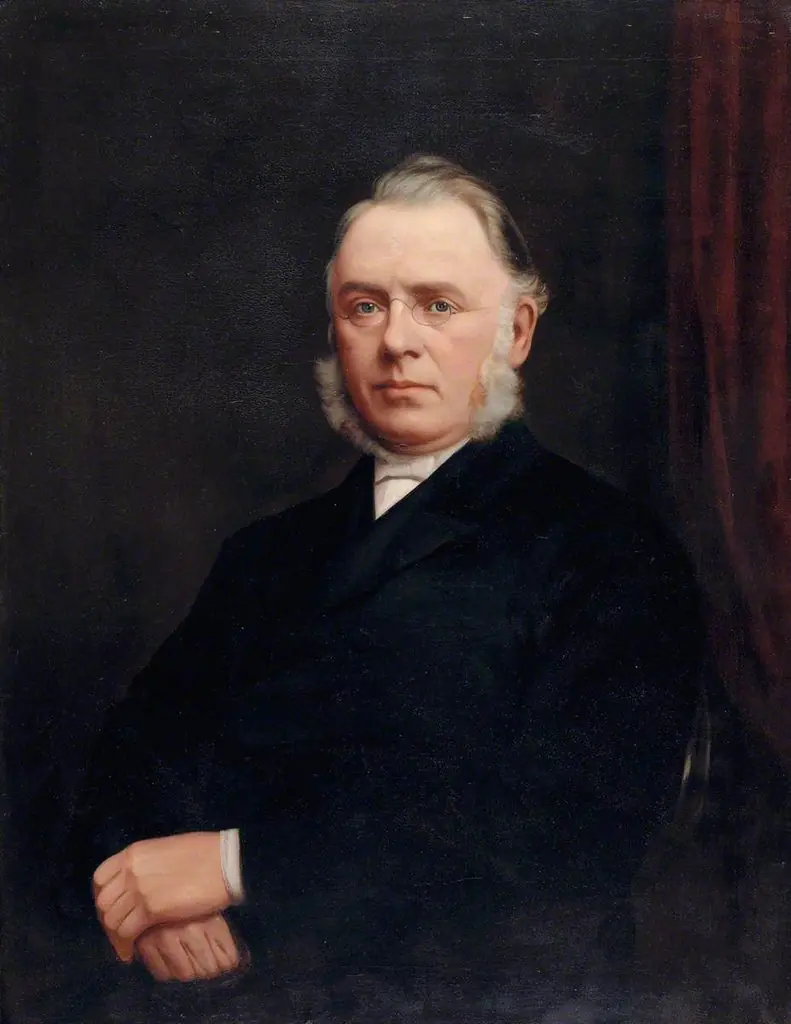
The painting depicts a man sitting by a table, dressed in a black suit with a dark vest and a white shirt. He has white hair and is resting his right hand on his chin. The table beside him is covered with a red cloth and holds a stack of books and papers. The background of the painting is a dark, muted color.
The man's attire and the style of the painting suggest that it may be a portrait from the 19th century. The artist's use of dark colors and the subject's formal pose give the painting a sense of solemnity.
If you're interested in learning more about the artist behind this work, you might want to look up Charles Lucy.
Overview
Painted in 1869 by Charles Lucy, this oil-on-canvas portrait captures John Bright, a leading Liberal politician of the Victorian era. Lucy, trained at both the École des Beaux-Arts and the Royal Academy, rendered Bright in a formal seated pose, emphasizing his public stature. The work is part of the Victoria and Albert Museum’s collection, reflecting its significance as a document of 19th-century British political life.
Subject & Meaning
John Bright was a vocal advocate for free trade, parliamentary reform, and peace, often opposing imperial military ventures. The portrait presents him in quiet contemplation, hand resting on his chin, suggesting intellectual engagement rather than performative authority. The books and papers on the table allude to his scholarly approach to politics, reinforcing his identity as a thinker and reformer rather than a conventional statesman.
Technique & Style
Lucy employed a restrained Realist approach, focusing on precise rendering of texture and form. The dark, muted background isolates Bright’s figure, while the crisp details of his black suit, white shirt, and silver hair convey dignity through restraint. The red cloth on the table introduces subtle contrast without distraction, and the lighting is even, avoiding theatricality to maintain a sense of quiet gravitas.
History & Provenance
Commissioned during Bright’s active years in Parliament, the portrait was completed in 1869, near the height of his influence. It entered the Victoria and Albert Museum’s collection in the late 19th or early 20th century, likely through official or familial donation. Its preservation reflects institutional recognition of Bright’s role in shaping public discourse during a transformative period in British politics.
Context
In the mid-19th century, portraiture served as both personal commemoration and political statement. Bright’s image, devoid of symbols of power like medals or grand interiors, aligns with the Liberal ideal of civic virtue grounded in intellect and moral conviction. Lucy’s style reflects a broader trend among British artists to portray public figures with psychological depth rather than ceremonial grandeur.
Legacy
The portrait endures as a visual record of a key figure in 19th-century British liberalism. Its understated composition contrasts with more ornate contemporary portraits, underscoring Bright’s reputation for sincerity and principle. Today, it remains a reference point for understanding how political identity was visually constructed during an era of democratic expansion and social reform.
Artist & collection
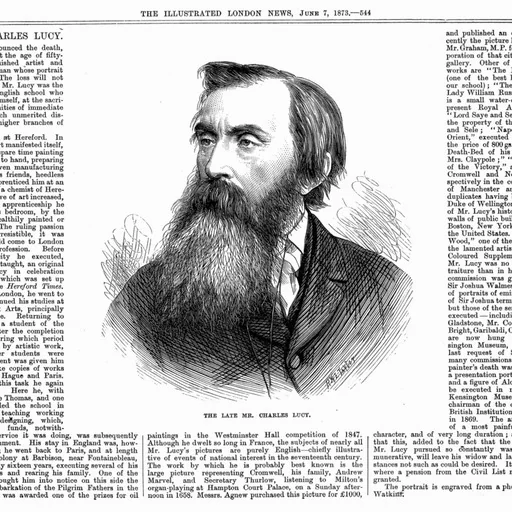
Artist
Charles Lucy (1814 – 18 May 1873) was a British historical painter active during the Victorian era.

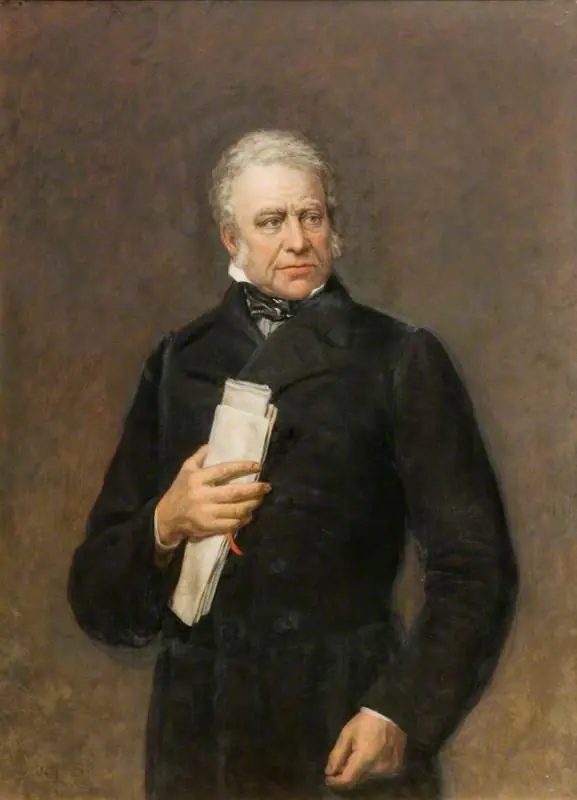 Joseph Hume (1777–1855), MP
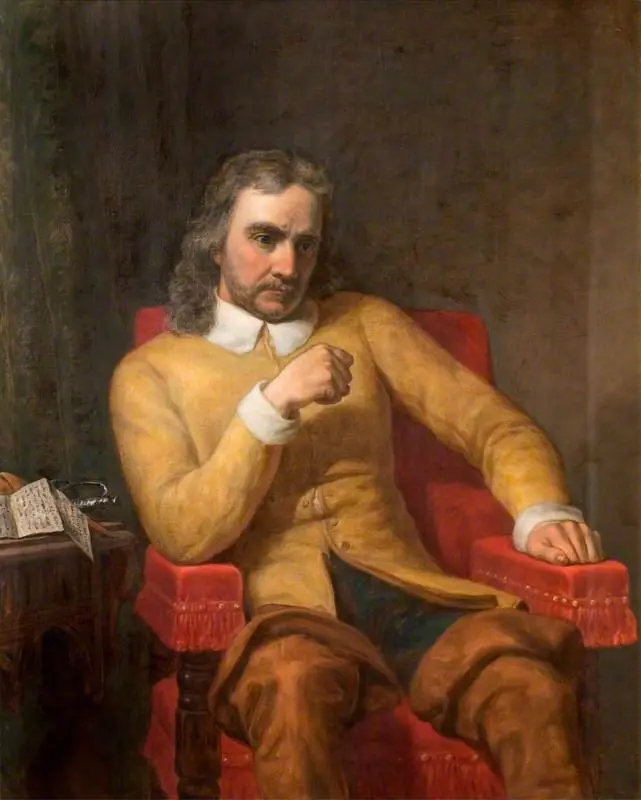 Oliver Cromwell (1599–1658)
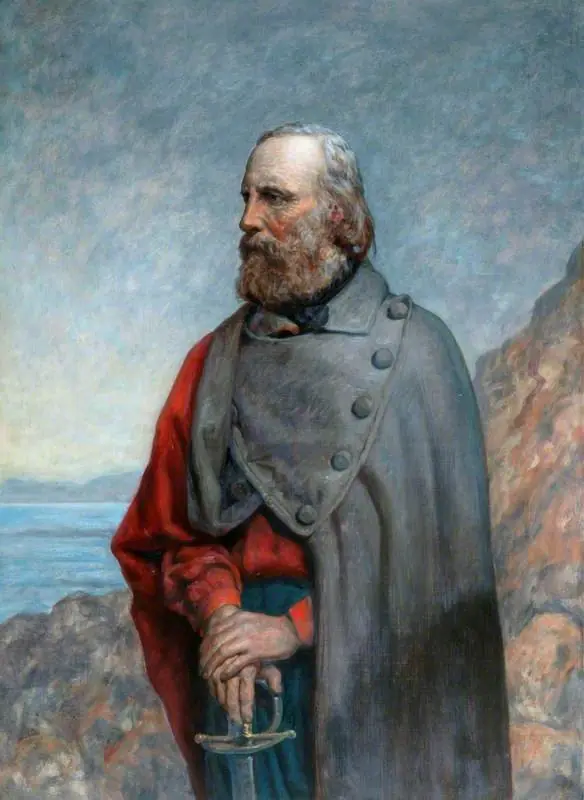 Giuseppe Garibaldi (1807–1882)
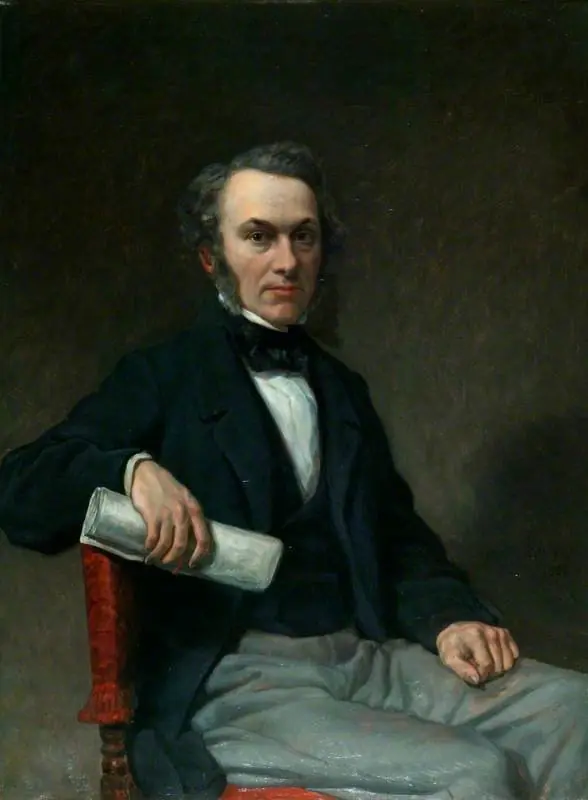 Richard Cobden (1804–1865), MP
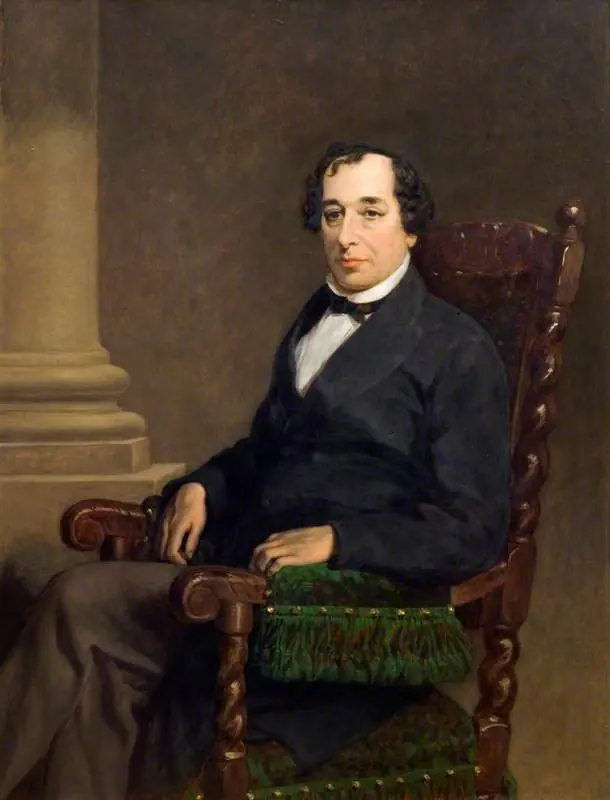 The Right Honourable Benjamin Disraeli (1804–1881), MP, Later Earl of Beaconsfield
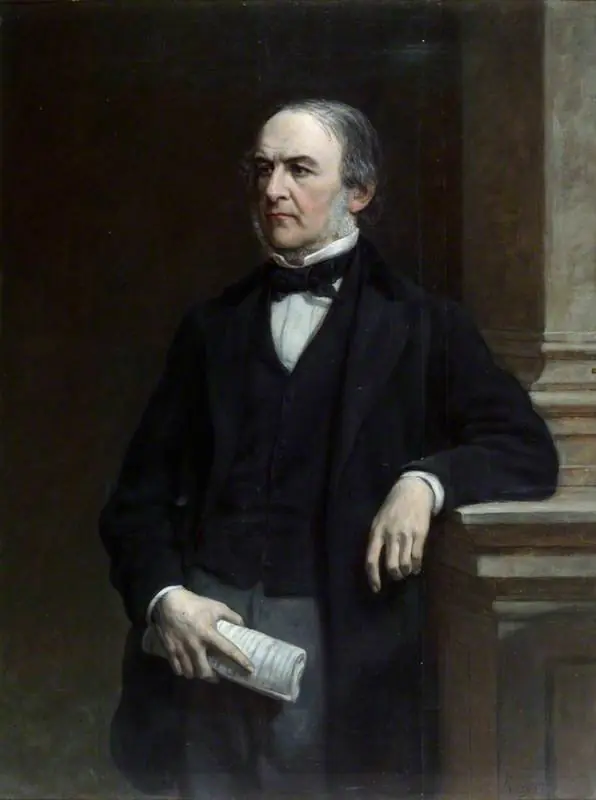 The Right Honourable William Ewart Gladstone (1809–1898), MP
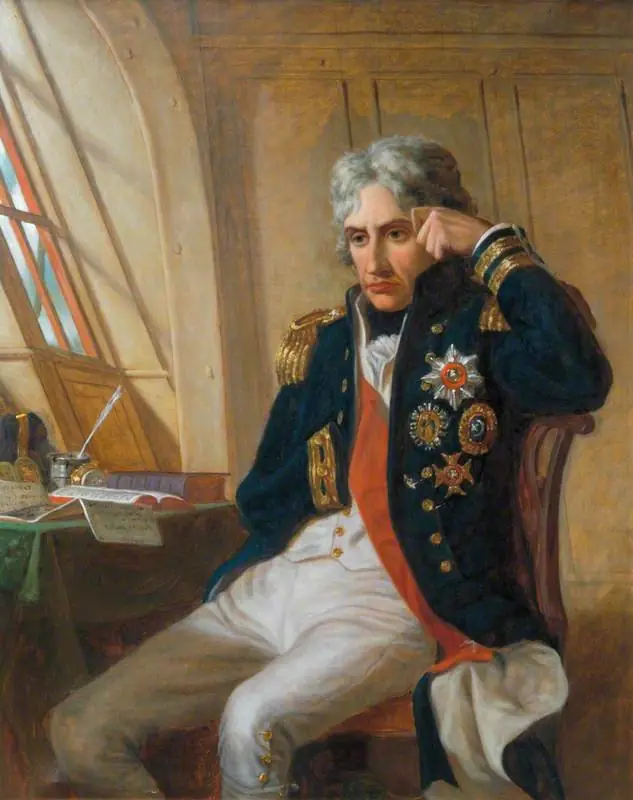 Vice Admiral Lord Nelson (1758–1805)
 H Beard Print Collection