Artwork
Portret van Honorine Dugardein
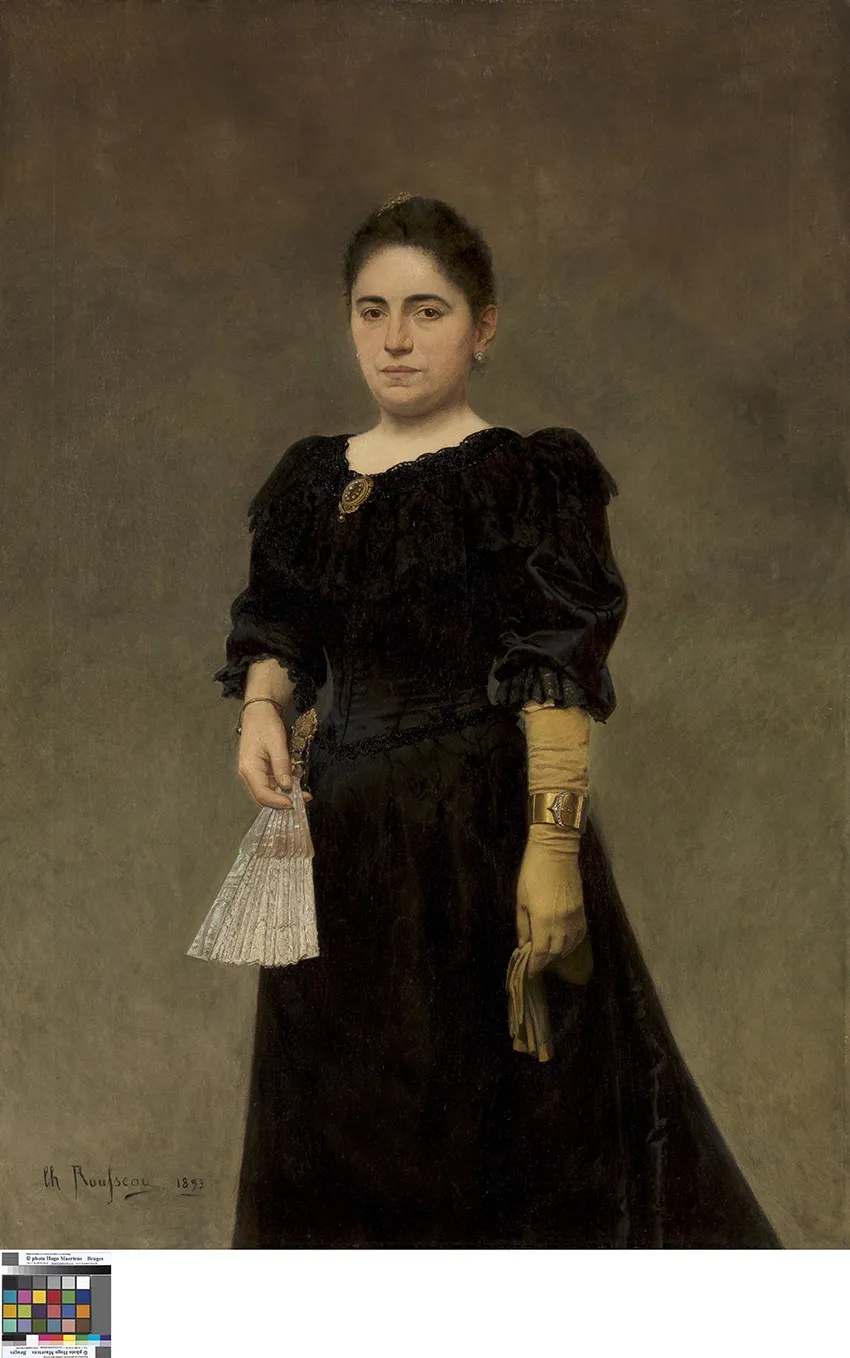
Portret van Honorine Dugardein is an oil painting by the Impressionist artist Charles Rousseau. It dates from 1897 and is held in the collection of the Groeningemuseum.
About this work
Overview
Painted in 1897 by Charles Rousseau, this oil portrait captures Honorine Dugardein in formal attire against a deep, unbroken background.
Painted in 1897 by Charles Rousseau, this oil portrait captures Honorine Dugardein in formal attire against a deep, unbroken background. The composition centers on her poised figure, rendered with restrained detail and muted tones. Elements such as a black glove, a folded fan, and a brooch at the neckline suggest refined social standing. The painting resides in the Groeningemuseum, where it aligns with the institution’s collection of late 19th-century Flemish portraiture.
Subject & Meaning
Honorine Dugardein is depicted with a calm, direct gaze and minimal expression, conveying dignity rather than emotion. Her attire—black dress, lace trim, and ornamental brooch—signals modest formality, common among women of her social circle. The glove and fan, held with deliberate stillness, function as symbols of etiquette and composure, reinforcing societal norms of the era without overt narrative or symbolism.
Technique & Style
Rousseau employs a subdued palette dominated by blacks, grays, and muted browns, emphasizing texture over color. Brushwork is precise but unobtrusive, particularly in the rendering of fabric folds and the delicate sheen of the fan. The background recedes into shadow, isolating the figure and focusing attention on her posture and accessories. Lighting is even, avoiding dramatic contrast in favor of quiet realism.
History & Provenance
The painting entered the Groeningemuseum’s collection shortly after its completion, likely through direct acquisition or donation. Its continuous presence in the museum since the late 19th century suggests it was recognized early as representative of regional portraiture. No significant alterations or reattributions are documented, and its provenance remains unbroken within the museum’s holdings.
Context
Created during a period when Flemish artists were refining portraiture with psychological subtlety, Rousseau’s work reflects broader trends in bourgeois representation. Similar compositions by contemporaries in Bruges and Ghent emphasize decorum and material detail. The painting’s restraint contrasts with more theatrical styles elsewhere in Europe, anchoring it within a local tradition of understated elegance.
Legacy
Though not widely reproduced or studied beyond regional art circles, the portrait remains a quiet example of late 19th-century Flemish portraiture. It contributes to the Groeningemuseum’s narrative of domestic and social identity through visual culture. Its endurance in the collection underscores its value as a record of personal and stylistic norms rather than as a singular artistic achievement.
Artist & collection

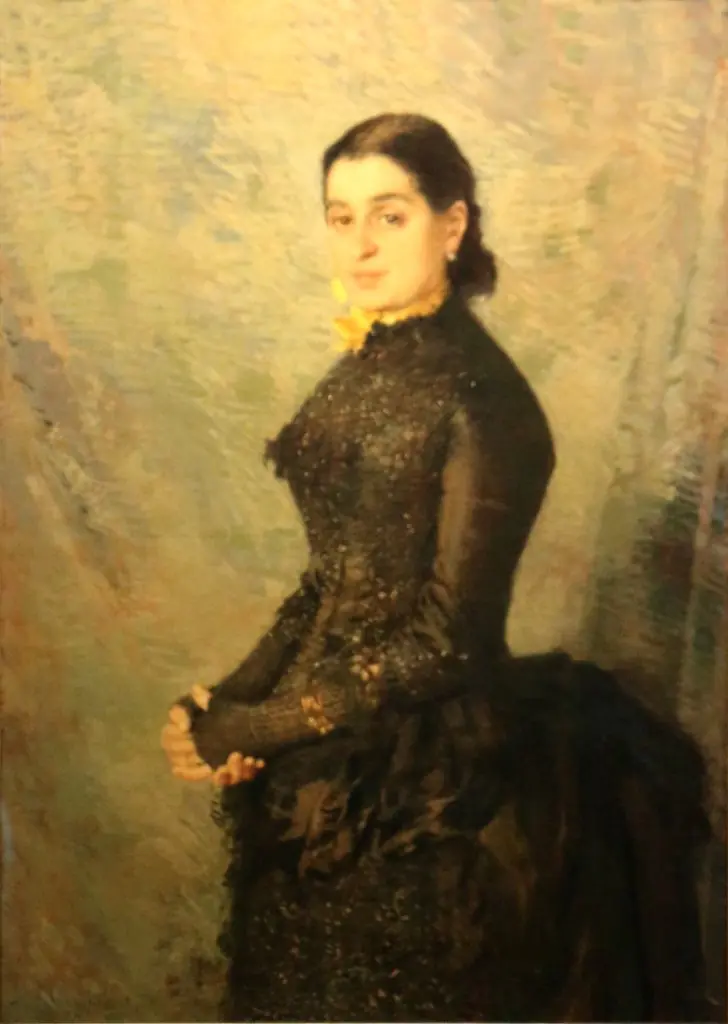 portrait of Mrs Wiener
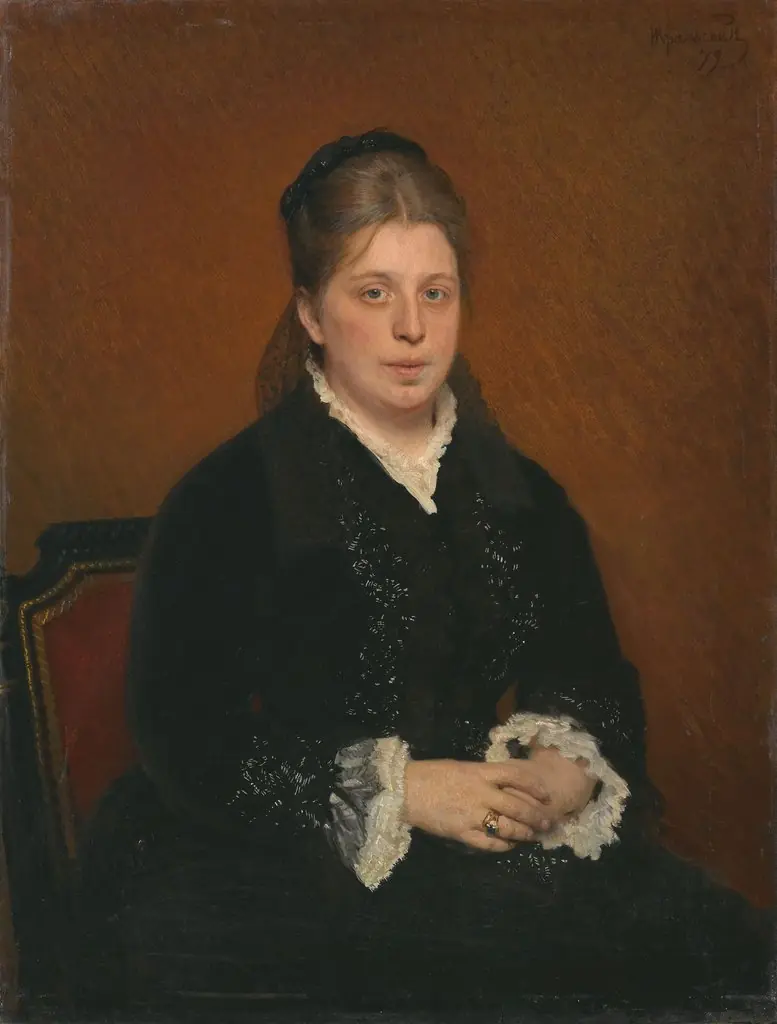 Portrait of Sofia Sergeyevna Botkina
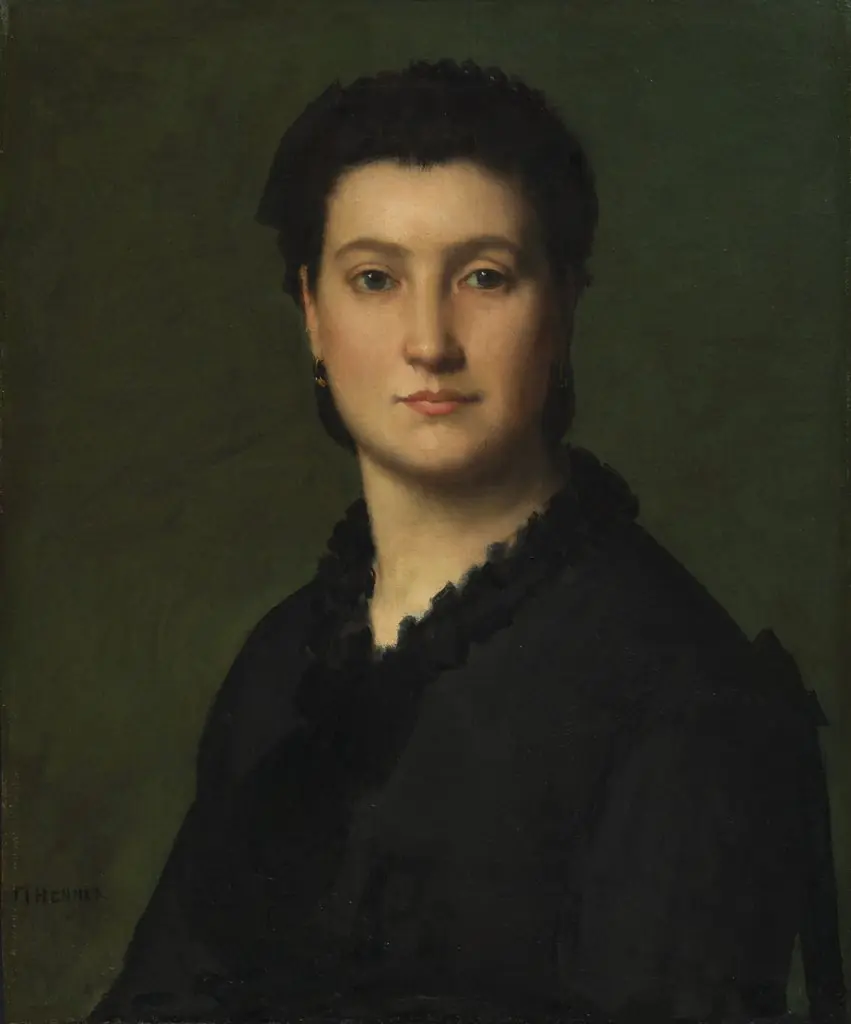 Portrait of a Woman
 Portrait of a Woman
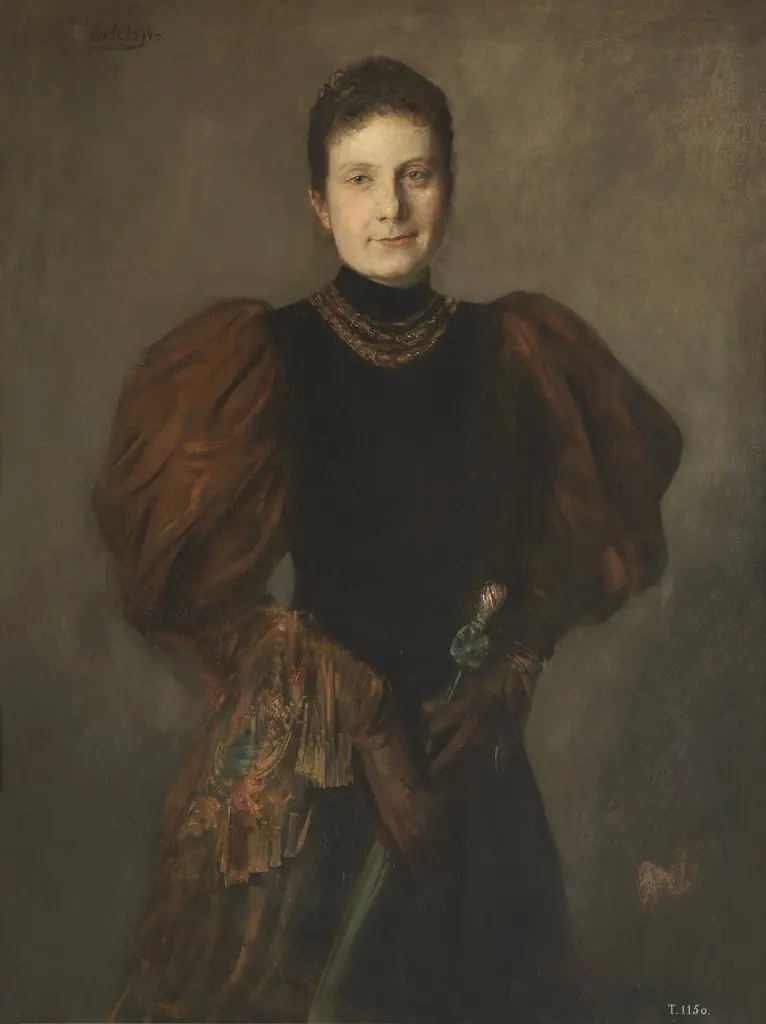 Infanta María de la Paz de Borbón, daughter of Isabella II
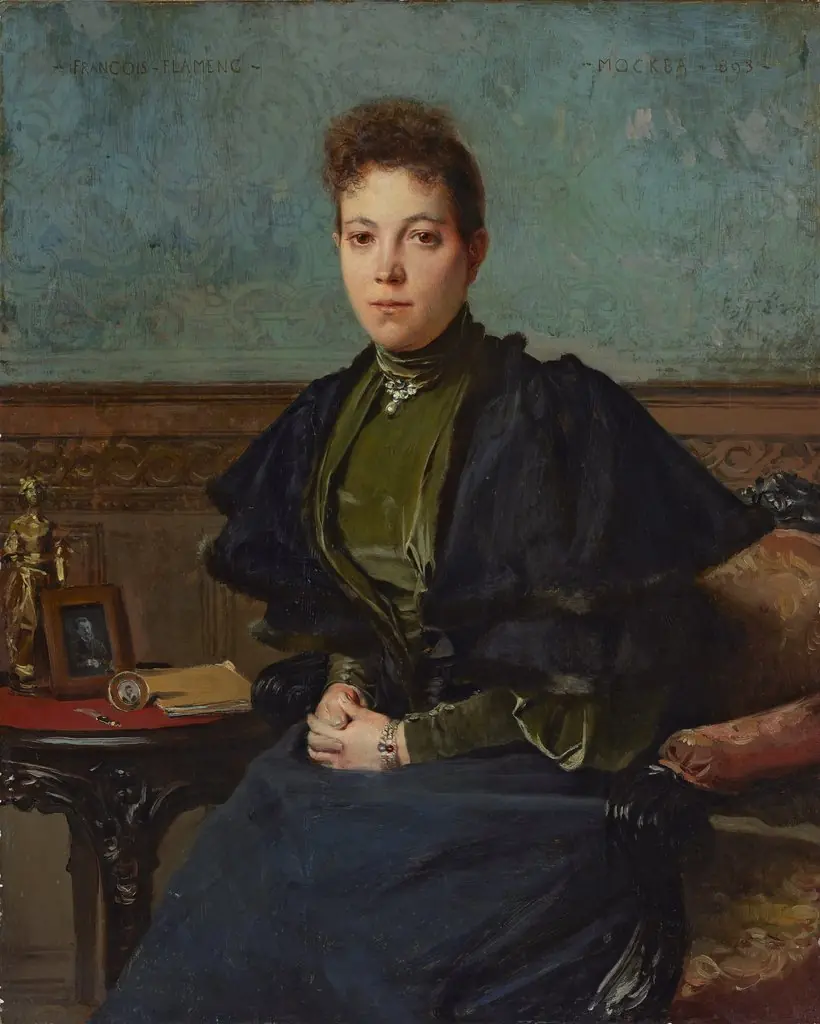 Portrait of Vera Kharitonenko
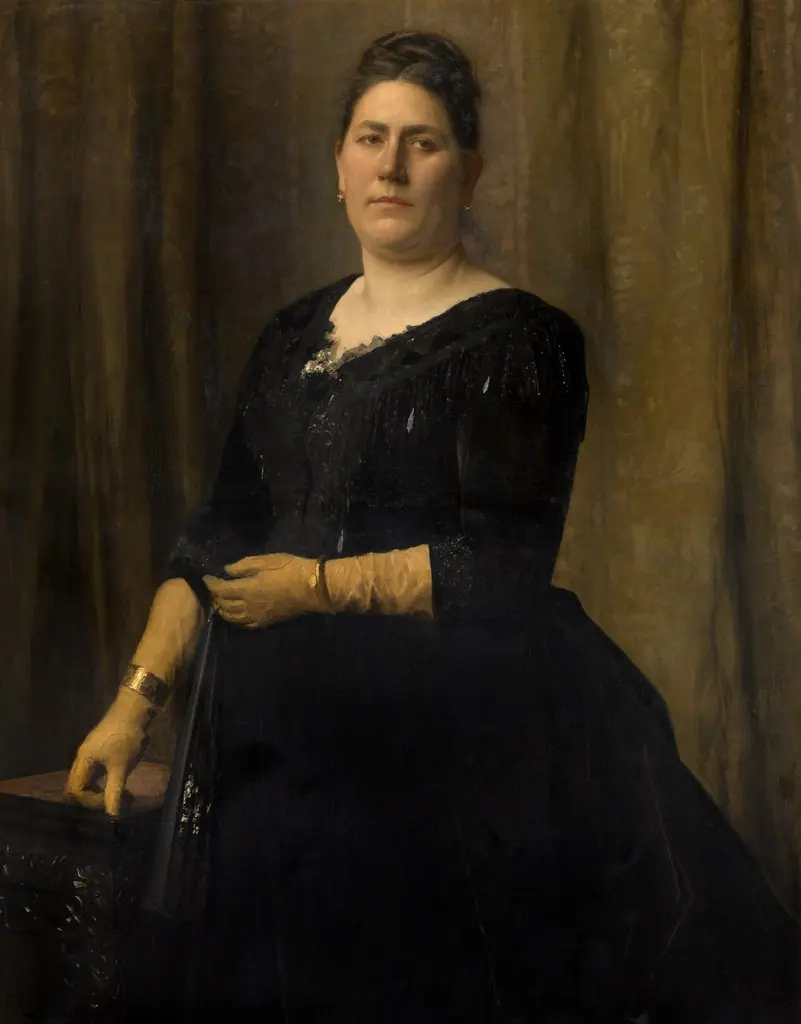 Madame Spée
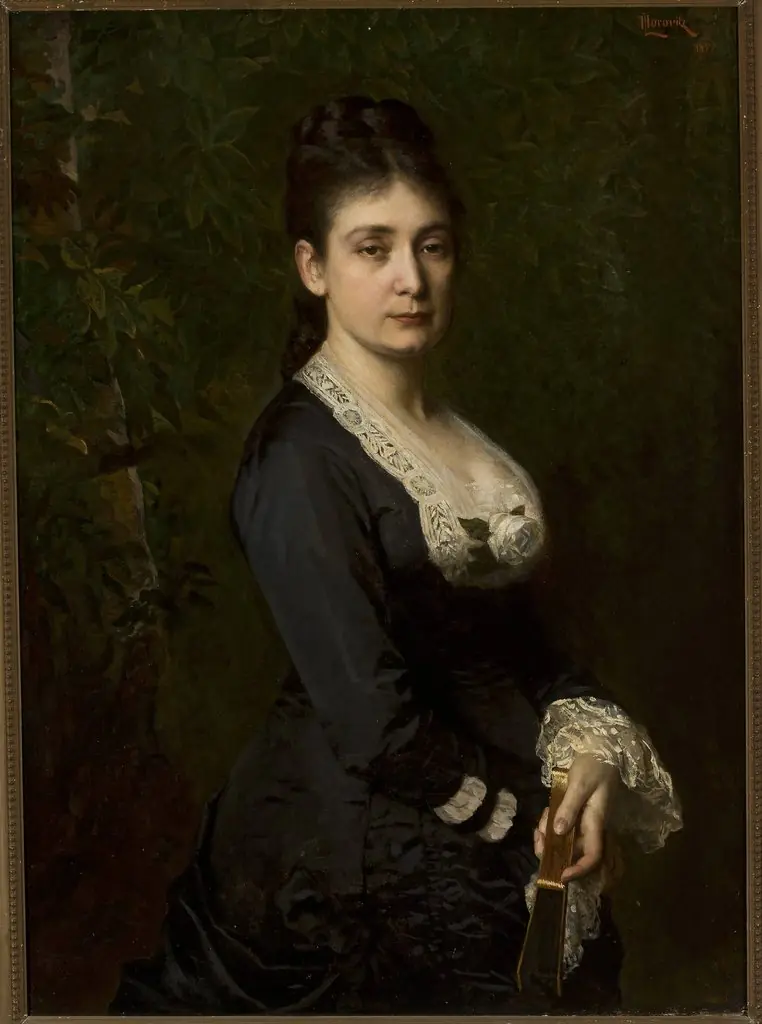 Portrait of Mina Fajans (1841–1933)
 The Keyholder
 Mme Weissgerber de Stragewiczin (sittemmin Mme R.Berenger) muotokuva
 Manuela de Errazu
 Portrait of a Lady